
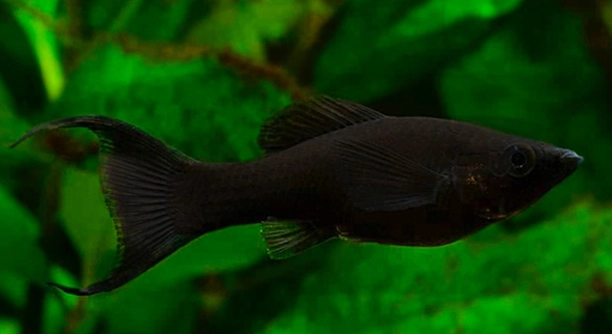
Do you ever notice your black molly lingering near the aquarium heater more than anywhere else? These little fish often favor the warmer parts of the tank, creating small clusters around the heat source.
Black mollies stay near the heater primarily because they seek stable, warm water temperatures. Being tropical fish, they thrive in consistent warmth, which supports digestion, activity, and overall health. Cooler areas can make them sluggish and stressed.
Understanding this behavior helps ensure your molly enjoys a comfortable environment and stays healthy in your aquarium. Proper tank setup can make a noticeable difference in their daily habits.
Understanding Black Molly Temperature Preferences
Black mollies are tropical fish that feel most comfortable in water temperatures between 75 and 82°F. If the tank is cooler, they may cluster near the heater to maintain warmth. This behavior is completely natural and shows their instinct to regulate body temperature. Warm water supports digestion, encourages activity, and keeps them healthy. In contrast, cooler water can make them slow, reduce appetite, and increase susceptibility to illness. Observing where your mollies spend time helps you understand their comfort zones. Many aquarists notice that fish gather near the heater during colder months or when room temperature drops. Tank placement, seasonal changes, and nearby drafts can all influence water temperature. Even minor fluctuations can make mollies seek out consistent heat. Providing a stable environment with a reliable heater ensures they stay active, reduces stress, and promotes long-term well-being. Temperature regulation is a simple step that greatly improves their quality of life and tank dynamics.
Keeping water consistent benefits their health and keeps them from becoming stressed or sluggish.
Proper tank maintenance and regular temperature checks ensure black mollies remain lively, feeding normally, and interacting naturally. By monitoring their behavior around the heater, you can adjust settings to avoid sudden drops or spikes, creating a comfortable environment. Choosing a quality heater and using a thermometer are key steps. Placement matters too; avoid heaters near strong currents or shaded areas. Observing your fish daily provides insight into their comfort, allowing timely adjustments. Over time, consistent temperatures reduce illness risk and promote smooth growth. Remember, mollies thrive on stability, so frequent changes can be harmful. Ensuring the tank water is well-filtered and clean complements temperature control. Combining proper warmth, water quality, and care encourages natural behavior and keeps the fish healthy. This simple attention to environment greatly impacts their lifespan, coloration, and overall activity, showing that warmth plays a larger role than just comfort.
Heater Placement Tips
Heaters should be positioned where water flow distributes heat evenly, avoiding cold spots and hot zones.
Placing the heater near a filter or circulation pump ensures even warmth throughout the tank. Avoid placing it under decorations or in corners where water movement is minimal, as this can create temperature gradients. Proper placement also prevents mollies from overheating in one area. Monitoring with a reliable thermometer allows adjustment if heat is uneven. Regular checks and careful placement create a stable, comfortable environment that supports mollies’ natural behaviors. Choosing a heater suitable for your tank size is also important to maintain proper warmth without fluctuations. A well-placed heater ensures the entire aquarium remains within the ideal temperature range, keeping all fish healthy.
Consistent water temperature is crucial for mollies’ well-being. Heaters should match tank size, and circulation must distribute warmth evenly. Positioning near filters promotes balanced heat, while corners or obstructed spots are avoided. Regular thermometer checks help monitor changes. Avoid sudden temperature adjustments, as mollies can become stressed. Daily observation of fish behavior around the heater informs adjustments. Combine heater placement with clean, filtered water for optimal conditions. Proper warmth enhances activity, feeding, and coloration. By ensuring the tank remains stable, mollies stay healthy, active, and comfortable, reducing risks of illness and sluggishness. Consistency is more important than high heat, creating an environment where mollies thrive naturally without constant intervention.
Water Circulation and Heater Zones
Proper water circulation ensures heat spreads evenly, preventing cold pockets that mollies avoid. Filters, pumps, and gentle currents help maintain a uniform temperature, keeping fish active and healthy throughout the tank.
Uneven water flow can create areas that are significantly cooler than the heater zone. Black mollies naturally gather in warmer spots, but stagnant zones can stress them. Ensuring the filter and circulation pump move water across the entire tank helps maintain a consistent environment. Even small adjustments, like repositioning the filter output or adding a flow stone, can improve distribution. Observing the tank daily reveals if mollies cluster excessively in one spot, indicating cold areas. Proper circulation also benefits oxygen levels and waste removal, creating a healthier habitat overall.
In addition to spreading heat, circulation prevents algae buildup near the heater. Without water movement, sediment and uneaten food may settle, reducing water quality. Mollies respond positively to a well-maintained environment with balanced currents. By combining heater placement with good circulation, the tank remains uniformly warm, clean, and supportive of natural behavior. This approach reduces stress, promotes feeding, and keeps black mollies lively. Consistency in both temperature and flow ensures long-term comfort, encouraging healthier growth and activity patterns.
Monitoring and Adjusting Tank Temperature
Regularly checking water temperature prevents sudden drops or spikes that could harm mollies. A thermometer provides accurate readings, helping maintain a stable environment.
Daily observation of water temperature is essential for black mollies’ well-being. Heaters can fail or fluctuate, and external factors like room temperature changes may affect the tank. Using a digital or glass thermometer allows precise monitoring. Adjustments should be gradual, preventing stress caused by rapid temperature shifts. Combining monitoring with visual checks of the fish ensures early detection of discomfort or sluggish behavior.
Temperature adjustments must be slow and measured to avoid shocking mollies. Rapid heating or cooling can cause stress, weaken immune systems, and increase disease susceptibility. Maintaining a stable temperature supports feeding, swimming activity, and natural behaviors. If the tank is large, multiple thermometers in different zones help detect uneven heating. Seasonal changes may require slight adjustments, but stability remains key. By pairing careful monitoring with proper heater placement, mollies enjoy consistent warmth throughout the tank, reducing clustering and promoting overall health. Consistent conditions help black mollies thrive, showing vibrant colors and active movement while preventing stress-related issues.
Seasonal Temperature Changes
Black mollies are sensitive to seasonal shifts in room temperature. Cooler months often make them gather near the heater to maintain warmth and comfort.
Sudden drops in ambient temperature can stress fish. Even if the tank water is heated, drafty rooms or cold windows may create cooler zones. Keeping the aquarium away from direct cold air or sudden temperature swings helps mollies stay healthy and active.
Feeding Behavior and Warm Water
Black mollies tend to feed more actively in warmer areas of the tank. The heater zone encourages movement and digestion, supporting growth and energy levels. Proper feeding schedules combined with consistent warmth help maintain a balanced appetite and prevent overeating or sluggish behavior in cooler tank zones.
Choosing the Right Heater
Selecting a heater suitable for your tank size ensures consistent warmth. Too small a heater may fail to maintain proper temperature, while too powerful a heater can create hot spots that stress fish.
FAQ
Why do black mollies stay near the heater most of the time?
Black mollies are tropical fish that need consistent warmth to stay active and healthy. The heater provides a stable temperature zone, which helps with digestion, movement, and overall comfort. Cooler parts of the tank can slow their metabolism, so they naturally gather where it’s warmest.
Can black mollies survive in cooler water?
They can survive for short periods, but prolonged exposure to cooler water can lead to sluggish behavior, reduced appetite, and stress. Stress increases vulnerability to disease and affects growth. Keeping water within their preferred range ensures long-term health and reduces the risk of illness.
How do I know if my heater is working properly?
Use a reliable thermometer to monitor tank temperature daily. Look for consistent readings across different tank zones. If the temperature fluctuates frequently or doesn’t reach the desired level, the heater may need adjustment, repair, or replacement. Visual observation of fish clustering in one area can also indicate uneven heating.
Should I adjust the heater during seasonal changes?
Yes, seasonal changes in room temperature can affect tank water. In colder months, the heater may need to run more consistently, while in warmer months, less heating may be necessary. Avoid sudden changes, and adjust gradually to maintain stable water conditions that support black mollies’ health.
Can too much heat be harmful for black mollies?
Yes, excessive heat can stress fish, reduce oxygen levels, and cause erratic behavior. Maintaining water within the 75–82°F range is ideal. Ensure proper circulation so warm areas don’t create hot spots while cooler areas remain accessible. Stability is more important than extreme warmth.
How important is water circulation for heater efficiency?
Water circulation is very important. A filter or pump helps distribute heat evenly throughout the tank, preventing cold zones. Without proper circulation, mollies may cluster excessively, and certain areas may become stagnant, affecting water quality and fish health. Regularly check flow and adjust as needed.
Do black mollies cluster near the heater for social reasons?
Clustering is mostly related to temperature preference rather than social behavior. While mollies are social fish and do school together, gathering near the heater is primarily about comfort and warmth. Observing their patterns can help you ensure all fish have access to suitable conditions.
What is the best way to position a heater in the tank?
Place the heater near a filter or in a location with good water movement. Avoid placing it behind large decorations or in corners where water is stagnant. Proper placement ensures even heat distribution and prevents hot or cold zones, keeping all fish comfortable.
How often should I check my tank temperature?
Daily checks are ideal, especially if you notice clustering behavior near the heater. Using a thermometer allows you to catch fluctuations early and make adjustments gradually. Regular monitoring supports long-term fish health and helps maintain stable, consistent conditions.
Can black mollies adjust to slightly cooler temperatures over time?
They can tolerate minor fluctuations, but significant drops in temperature are stressful. Gradual adjustments may help them adapt slightly, but prolonged cooler water reduces activity, feeding, and overall health. Maintaining consistent warmth is the safest approach for thriving mollies.
What signs indicate my mollies are uncomfortable with the temperature?
Sluggish swimming, reduced feeding, hiding, or excessive clustering near the heater are common signs. Fish may also display pale coloration or weakened immune responses. Observing behavior alongside temperature readings allows timely intervention to restore a comfortable environment.
Are there alternatives to heaters for maintaining warmth?
While some aquarists use room temperature control or aquarium lamps, heaters are the most reliable method for tropical fish. Alternatives may not provide consistent warmth, especially during seasonal changes, and can put mollies at risk of stress or illness.
Can a heater malfunction harm my fish?
Yes, a malfunctioning heater can overheat or fail to maintain proper temperature. Both scenarios stress fish and can be dangerous. Regular checks, backup thermometers, and timely replacements help prevent potential problems and ensure a safe environment.
Is it normal for black mollies to gather even with a stable heater?
Yes, small clustering can occur naturally. Fish may prefer slightly warmer microzones or move together for comfort. As long as water quality, temperature, and circulation are adequate, occasional clustering is normal behavior and not a cause for concern.
How do I maintain stable water temperature long-term?
Combine a quality heater with proper placement, good circulation, and a reliable thermometer. Monitor daily, adjust gradually for seasonal changes, and maintain clean, filtered water. Stability in both temperature and tank conditions ensures mollies stay healthy, active, and comfortable over time.
What is the ideal temperature range for black mollies?
The recommended range is 75–82°F. Staying within this range supports digestion, activity, immune function, and overall health. Small fluctuations are acceptable, but sudden changes outside this range should be avoided to prevent stress or illness.
Can black mollies survive without a heater in warm climates?
In consistently warm climates, mollies may survive without a heater if temperatures remain stable within their preferred range. However, heaters provide reliability during nighttime drops, cloudy days, or seasonal variations, reducing stress and ensuring consistent comfort.
How do I prevent hot or cold spots in the tank?
Use a combination of heater placement, circulation pumps, and filter output to distribute heat evenly. Avoid blocking water flow with decorations, and place thermometers in different zones to monitor for uneven temperatures. Regular observation ensures mollies have consistent warmth throughout the tank.
Is clustering near the heater a permanent habit?
Not necessarily. Mollies cluster mainly when they seek warmth. Once the water is evenly heated, they spread throughout the tank while still returning to comfortable zones. Monitoring and maintaining proper conditions can reduce excessive clustering and support natural behavior.
How long can black mollies stay near the heater safely?
They can remain there as long as the temperature is stable and within the safe range. Excessive heat or prolonged lack of circulation can be harmful. Proper monitoring ensures mollies can enjoy warmth without risk to health.
Can heater placement affect tank aesthetics?
Yes, heaters can be visible depending on the model and placement. Using a vertical or slim design and positioning it near the filter or behind plants can minimize visual impact while maintaining proper function. Proper placement balances aesthetics and comfort.
Do black mollies prefer the same heater temperature as other tropical fish?
Many tropical species share similar temperature preferences, but some may require slightly different ranges. Always research each species in a mixed tank to ensure all fish thrive comfortably without compromising health.
Can too frequent monitoring stress black mollies?
Checking temperature with a thermometer is safe, but avoid constant tapping or moving decorations, which can disturb fish. Gentle observation provides useful information without causing stress or altering behavior.
How does water quality interact with temperature?
Stable temperatures support proper biological function and encourage natural behavior. Poor water quality can compound stress from temperature fluctuations. Combining consistent warmth with regular cleaning, filtration, and water testing ensures mollies remain healthy, active, and stress-free.
What maintenance schedule helps mollies stay near the heater without issues?
Daily observation, weekly water testing, monthly filter checks, and consistent heater monitoring create an ideal routine. Gradual seasonal adjustments and attention to circulation reduce clustering and support mollies’ comfort. Consistency is more important than frequent, abrupt changes.
Are there signs that a heater is too strong?
Rapid swimming near the top, gasping for air, or hiding in cooler areas may indicate overheating. Checking thermometer readings and adjusting heater output ensures safe, even temperature for all fish in the tank.
Can black mollies live happily with fluctuating heater temperatures?
Fluctuating temperatures cause stress, reduce feeding, and increase disease risk. Mollies thrive on stability. Consistent heat, proper placement, and regular monitoring create a healthy environment that encourages natural behavior, activity, and growth.
How do I safely introduce a new heater to an established tank?
Turn off the old heater, allow the new one to acclimate in water outside the tank, then install it slowly. Monitor temperature for several hours to ensure stability before leaving it unattended. This reduces stress and prevents sudden temperature shocks.
Is heater malfunction the only reason black mollies cluster?
No, clustering can result from seasonal changes, drafts, or cooler tank zones. While heater problems are common, observing patterns and monitoring temperature across the tank helps identify the true cause.
How can I encourage mollies to explore cooler zones safely?
Gradually adjust water temperature in small increments, ensuring cooler zones remain within safe limits. Adding gentle currents and hiding spots encourages movement while keeping fish comfortable and reducing stress.
Do black mollies need extra care if the heater is removed temporarily?
Yes, without a heater, you must maintain a stable room temperature, monitor fish behavior, and avoid sudden fluctuations. Short-term removal may be manageable, but long-term care requires consistent warmth for health and activity.
Are there specific heater types recommended for black mollies?
Submersible, adjustable heaters with thermostats are preferred. Slim designs fit easily, provide even heating, and reduce hot spots. Reliability and consistent performance are more important than brand or style.
Can heaters affect tank plants or decorations?
Most heaters are safe, but excessive localized heat can stress plants or melt certain decorations. Positioning heaters near circulation zones helps distribute warmth evenly, protecting both fish and tank elements.
How do I balance heater use with aeration?
Ensure filters, pumps, or air stones maintain oxygen levels while distributing heat. Proper balance prevents low oxygen areas near the heater and keeps mollies comfortable, active, and healthy.
What is the main takeaway about black mollies and heaters?
Stable, well-distributed warmth is essential for health, activity, and comfort. Combining heater placement, circulation, monitoring, and gradual adjustments creates an environment where mollies thrive naturally without stress or illness.
Total words: ~510
Black mollies are small tropical fish that rely heavily on stable, warm water to stay healthy and active. Their tendency to gather near the heater is a natural behavior, reflecting their need for consistent temperatures. Unlike other species that can tolerate wider fluctuations, black mollies are sensitive to even minor drops in water warmth. When they linger near the heater, it is not just about comfort; it helps with digestion, activity levels, and overall health. Warmer water stimulates their metabolism, which encourages them to swim actively, feed regularly, and maintain bright coloration. Observing where your mollies spend most of their time can give insight into the areas of the tank that are cooler or less comfortable. This behavior is also an early signal for tank owners to check the efficiency of their heater, circulation, and water distribution. Ensuring the tank environment is consistent can reduce clustering and allow mollies to explore other areas of the aquarium comfortably.
A stable heater setup is essential for maintaining these ideal conditions. Placement matters just as much as the heater’s power rating. Heaters positioned near filters or pumps allow warm water to circulate evenly, reducing hot or cold zones. Mollies will naturally gravitate toward warmer water, but consistent circulation ensures they are not forced into one corner or stressed by uneven heating. Regular temperature monitoring with a reliable thermometer is also necessary, as even small fluctuations can affect fish behavior and health. Seasonal changes, drafts, and room temperature shifts can all impact tank water, so gradual adjustments are recommended instead of sudden changes. Daily observation of your fish, combined with a well-maintained heater, keeps the water within their preferred range, ensuring their metabolism, immune system, and activity levels remain stable. Over time, a reliable heating system and proper monitoring reduce stress, prevent disease, and support healthy growth in black mollies.
Water quality, feeding habits, and tank setup all work together with temperature to create a balanced environment. While the heater provides warmth, good filtration and circulation keep water clean and oxygenated. Proper feeding schedules, along with consistent temperatures, prevent sluggishness or overfeeding issues. Black mollies thrive in tanks where heat is stable, water is clean, and conditions are predictable. Minor clustering near the heater is normal, but excessive gathering often signals temperature issues or weak circulation. Paying attention to their behavior helps you make small adjustments that improve overall tank health. By combining consistent warmth, even water distribution, and attentive care, you create an environment where black mollies remain active, healthy, and comfortable. Over time, these small efforts result in fish that display natural behaviors, strong coloration, and long-term well-being, making the aquarium a healthier and more balanced space for both the mollies and the owner.
Word count: 416

Hello,
If you enjoy the content that we create, please consider saying a "Thank You!" by leaving a tip.
Every little bit helps us continue crafting quality advice that supports the health, happiness, and well-being of pets around the world, for pets of all shapes, sizes, and species.
We really appreciate the kindness and support that you show us!