
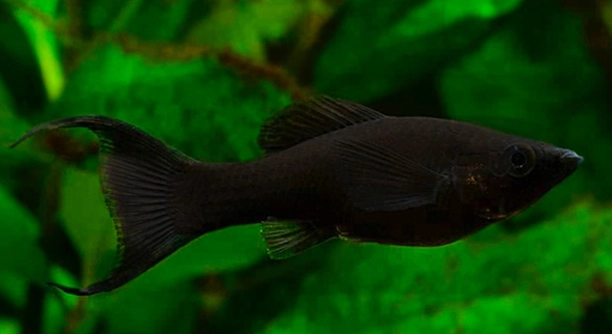
Black Mollies are popular freshwater fish known for their peaceful nature and striking dark coloration. Many fish keepers want to provide a varied diet that supports their health and keeps them active in their aquariums. Understanding their nutritional needs is essential.
Black Mollies can safely eat certain vegetables as part of a balanced diet. Leafy greens, peas, zucchini, and cucumbers are suitable options when prepared properly. Providing these vegetables supports their digestion, growth, and overall health in a freshwater aquarium environment.
Introducing vegetables into your Molly’s diet can improve their vitality and well-being. Knowing which options are safe ensures a happier, healthier fish.
Safe Vegetables for Black Mollies
Leafy greens are among the best vegetable options for Black Mollies. Spinach, lettuce, and kale provide essential vitamins and minerals. Peas are also highly beneficial, especially for aiding digestion. Zucchini and cucumber can be offered in small, manageable pieces. It is important to blanch harder vegetables like zucchini to soften them, making it easier for the fish to eat. Fresh vegetables should be thoroughly washed to remove pesticides or chemicals. Feeding should be occasional, two to three times a week, to supplement their main diet of flakes or pellets. Overfeeding vegetables can upset their digestive system and cause water quality issues. Observation is key—monitor how your Mollies respond to new foods. Removing uneaten portions promptly keeps the tank clean and prevents harmful bacteria growth. Mixing vegetables with their usual diet helps maintain variety without stressing their digestive system. Consistency in feeding schedules supports overall health and activity levels in your Black Mollies.
Introducing vegetables gradually allows the fish to adapt. Start with small amounts and increase slowly over time.
Providing the right vegetables boosts your Mollies’ health and encourages natural behaviors. Balanced feeding ensures they remain active and vibrant. Keeping track of their intake helps prevent digestive issues while maintaining water quality. Blanching certain vegetables ensures easy consumption and reduces stress on their system. Observing their reaction to each type helps identify favorites and dietary preferences. A variety of greens, peas, and zucchini covers most nutritional needs, adding fiber and essential nutrients. Rotating vegetables keeps meals interesting and supports long-term health. Vegetables should never replace their main diet but act as a beneficial supplement. Consistent, measured feeding encourages growth and strengthens immunity, helping them resist common diseases. Proper preparation, portion control, and regular monitoring create a sustainable routine. By paying attention to these factors, you create a healthier and more lively aquarium environment.
How to Prepare Vegetables
Vegetables should be washed, peeled if necessary, and cut into small, bite-sized pieces. Cooking or blanching is recommended for tougher options.
Blanching vegetables softens them without removing nutrients, making it easier for Black Mollies to eat. Spinach, peas, and zucchini respond well to this process. Small, manageable pieces reduce the risk of choking or leftover food contaminating the water. Avoid seasoning or additives, as these are harmful to fish. Introduce one type of vegetable at a time to monitor acceptance and digestion. Observing their behavior after feeding ensures the vegetables are beneficial and not causing stress. Proper preparation is a simple step that ensures safe and nutritious feeding.
Cutting, washing, and blanching vegetables properly is key for safety and nutrition. Freshness matters, so avoid storing prepared pieces for long periods. Rotate vegetables to provide variety without overwhelming the digestive system. Some vegetables, like peas, can be offered with skins removed for easier digestion. Preparing in small amounts reduces waste and maintains water quality. Feeding in moderation prevents overfeeding, which can lead to bloating or constipation. Observing reactions helps identify preferred vegetables and ensures they are benefiting the fish. Storing prepared portions in a clean, airtight container keeps them fresh. Properly prepared vegetables complement the primary diet and support overall health. Consistency in preparation and feeding establishes a reliable routine. The combination of washing, cutting, and blanching ensures each meal is safe, nutritious, and enjoyable for your Black Mollies.
Feeding Frequency and Portion Size
Feeding Black Mollies small amounts of vegetables two to three times per week is sufficient. Overfeeding can lead to water quality issues and digestive problems. Moderation ensures they benefit from the nutrients without overwhelming their system. Observing how much they consume helps determine the right portion size.
Proper portioning prevents leftover food from polluting the tank and maintains healthy digestion. Begin with a few pea halves or small leafy green pieces and adjust based on how quickly they are eaten. Too much vegetable food can cause bloating, constipation, and water contamination. A balanced approach combines vegetables with their staple flakes or pellets. Monitoring intake over several feedings allows you to fine-tune portions. Rotate vegetable types to provide variety, covering essential vitamins and fiber without excess. Gradual introduction and careful observation ensure each feeding contributes positively to their health. This approach supports natural feeding behavior and keeps the aquarium environment stable.
Consistency in feeding schedules is crucial. Feed at the same times each week to help them adjust. Adjust portion size based on observation and tank conditions.
Signs Your Black Mollies Enjoy Vegetables
Fish that accept vegetables will actively swim toward the food and nibble consistently. They often show increased activity and curiosity during feeding times.
When Black Mollies enjoy vegetables, they demonstrate interest and maintain consistent feeding behavior. They may linger near new food longer than flakes or pellets, showing preference. Healthy Mollies will eat steadily without hesitation, and leftovers are minimal. Observation during feeding reveals which vegetables are favored, helping plan future meals. Monitoring their behavior also ensures they are digesting properly, preventing bloating or constipation. Offering a variety of soft vegetables encourages exploration while providing essential nutrients. Active, lively fish indicate acceptance of the new diet.
Preference can vary among individuals. Some Mollies favor peas, others prefer leafy greens. It’s important to offer different vegetables to identify favorites. Observing their behavior helps adjust feeding habits, ensuring all fish in the tank benefit. Regular monitoring ensures a balanced diet while maintaining water quality. Consistency in preparation and serving prevents stress, while variety supports long-term health. Introducing new vegetables gradually helps prevent digestive upset. Recording which vegetables are consistently eaten allows for efficient meal planning. Overall, paying attention to acceptance and response ensures your Mollies remain active, healthy, and nutritionally satisfied.
Preparing Vegetables Safely
Wash all vegetables thoroughly to remove chemicals or dirt. Peel or trim tough skins, then cut into small, manageable pieces for easy consumption.
Blanching harder vegetables like zucchini or peas softens them without removing nutrients. This makes it easier for Black Mollies to eat and digest without stress.
Observing Digestive Health
Monitor your Mollies after introducing vegetables. Look for signs of bloating, unusual swimming, or leftover food. Adjust portion size and frequency if needed to maintain healthy digestion.
Avoiding Unsafe Vegetables
Some vegetables are too tough or starchy for Black Mollies and can cause digestive problems. Avoid raw potatoes, onions, or cabbage, which may upset their system.
FAQ
Can Black Mollies eat lettuce?
Yes, Black Mollies can eat lettuce in moderation. Romaine or green leaf lettuce is best, as iceberg has very little nutritional value. Chop the leaves into small pieces and blanch briefly to make them easier to eat. Offer lettuce two to three times per week as a supplement to their main diet.
Are peas safe for Black Mollies?
Peas are highly recommended for Black Mollies, especially for digestive support. Remove the outer skin, cut into halves, and blanch if needed. Peas provide fiber that prevents constipation and supports healthy digestion. Feeding small amounts ensures they benefit without affecting water quality.
Can zucchini or cucumber be fed raw?
Zucchini and cucumber should ideally be blanched before feeding. This softens the vegetables, making it easier for Mollies to consume. Cut them into thin slices or small cubes to avoid leftover pieces that could decay in the tank and harm water quality.
How often should vegetables be offered?
Vegetables should be offered two to three times per week. Overfeeding can cause bloating, constipation, and water contamination. Small portions are sufficient, combined with their staple flakes or pellets. Rotating types of vegetables ensures a balanced nutrient intake.
Can Black Mollies eat cooked vegetables?
Yes, but avoid seasoning or oil. Boiling or steaming without additives preserves nutrients and softens harder vegetables. Always cool them to room temperature before feeding to prevent stress or injury to the fish. Cooked vegetables should remain a supplement, not a replacement for their main diet.
Do all Black Mollies accept vegetables?
Acceptance can vary by individual. Some may eagerly eat peas or leafy greens, while others may ignore certain options. Introducing vegetables gradually and observing their behavior helps determine which types they prefer and ensures proper nutrition.
What vegetables should be avoided?
Avoid starchy or hard vegetables like raw potatoes, onions, and cabbage. These can upset digestion or be difficult for Mollies to process. Stick to soft, easily digestible options like spinach, zucchini, cucumber, peas, and kale. Proper preparation is essential to avoid health problems.
How do I know if they are eating vegetables properly?
Active nibbling, consistent swimming near food, and minimal leftover pieces indicate successful feeding. Watch for bloating or unusual behavior, which can signal digestive issues. Adjust portion size and preparation method if needed. Observation ensures they gain the nutritional benefits safely.
Can vegetables replace flakes or pellets?
No, vegetables should only supplement their main diet. Flakes or pellets provide complete nutrition, while vegetables add fiber and extra vitamins. A combined approach keeps Black Mollies healthy, active, and prevents nutrient deficiencies.
Is it necessary to blanch all vegetables?
Not all, but harder vegetables like peas or zucchini benefit from blanching. Soft leafy greens like spinach or lettuce may be fed raw if washed thoroughly. Blanching ensures easier consumption, reduces stress, and helps prevent uneaten food from polluting the tank.
Can frozen vegetables be used?
Yes, frozen vegetables can be offered after thawing and blanching if needed. Ensure no added salt, sauces, or seasonings. Frozen options are convenient and maintain nutritional value, making them a safe alternative to fresh vegetables.
How do I introduce vegetables to picky Mollies?
Start with small amounts of familiar vegetables like peas. Gradually increase quantity and variety once they accept it. Pair with their usual flakes to encourage interest. Patience and consistency often result in successful acceptance.
What is the impact of vegetables on water quality?
Uneaten vegetables can decompose quickly, increasing ammonia and nitrates. Remove leftovers after a few hours to maintain a clean environment. Feeding small portions prevents waste and helps keep the tank healthy for all fish.
Are there benefits beyond nutrition?
Vegetables also encourage natural foraging behavior. They provide variety, reduce boredom, and promote active swimming. This mental stimulation supports overall well-being in addition to nutritional benefits.
Can I mix different vegetables together?
Yes, mixing vegetables is safe if each is properly prepared. Offer small amounts of each type, ensuring they are all soft enough to eat. Mixing provides a wider range of nutrients while keeping meals interesting for your Mollies.
How long can prepared vegetables be stored?
Prepared vegetables should be stored in the refrigerator for no more than a day or two. Always use a clean, airtight container to preserve freshness and prevent bacterial growth. Avoid using leftovers that have been sitting in the tank.
What is the best size for vegetable pieces?
Pieces should be small enough for Mollies to eat easily, typically 1–2 cm or thinner slices for softer vegetables. Proper sizing prevents choking, reduces leftover food, and helps maintain water quality.
Can vegetable feeding help with health issues?
Yes, fiber-rich vegetables like peas can relieve constipation and support digestion. Providing a variety of nutrients strengthens their immune system and promotes healthy growth. Combined with flakes or pellets, vegetables contribute to overall well-being.
Are there seasonal considerations for vegetables?
Freshness matters more than season. Choose firm, healthy vegetables regardless of season. Avoid wilted, soft, or chemically treated produce, as these can negatively affect health. Rotating types maintains nutritional balance year-round.
Can I feed vegetables every day?
Daily feeding is not recommended. Two to three times per week is sufficient as a supplement. Overfeeding can lead to digestive problems and poor water conditions. Balance is essential for both nutrition and aquarium maintenance.
How do I know which vegetables are favorites?
Observe which types are eaten first and with enthusiasm. Preferences can vary among individuals. Rotate vegetables to identify consistent favorites while ensuring a balanced diet. Observation helps plan future feedings efficiently.
What tools make vegetable preparation easier?
Small kitchen scissors, peelers, and cutting boards work well. Blanching requires a small pot or steamer. Using simple tools ensures uniform pieces and reduces preparation time, making feeding safe and manageable.
Can I use frozen peas without thawing?
No, always thaw and blanch if needed. Frozen peas can be too hard or cold, potentially harming the fish or stressing their digestive system. Proper preparation ensures safety and nutrition.
Do Mollies need any seasoning or additives?
Never use salt, oil, or seasonings. These are harmful and can cause health issues. Fresh, plain vegetables are safest and provide all necessary benefits without risk.
How long does it take for Mollies to adapt to vegetables?
Adaptation can take a few feedings to several weeks. Start gradually, monitor acceptance, and adjust portion size or preparation. Patience ensures a smooth transition and maintains healthy digestion.
Can I overfeed vegetables accidentally?
Yes, overfeeding can lead to bloating, constipation, and water quality issues. Stick to small portions, observe intake, and remove leftovers promptly to avoid problems. Proper moderation is key.
What are the key takeaways for safe vegetable feeding?
Wash thoroughly, cut into small pieces, blanch hard vegetables, feed two to three times per week, and monitor digestion. Variety and observation ensure a balanced diet without harming the tank environment.
This FAQ covers common questions, addressing safety, preparation, and feeding practices for Black Mollies. Following these guidelines ensures vegetables enhance their health, activity, and overall well-being in the aquarium.
Black Mollies benefit from a varied diet that includes more than just flakes or pellets. Vegetables can play a supportive role in their nutrition, providing fiber, vitamins, and minerals that contribute to healthy digestion and overall vitality. Leafy greens like spinach and kale, as well as peas, zucchini, and cucumber, are all safe options when prepared correctly. Washing, peeling, and cutting vegetables into small pieces ensures they are easy for the fish to eat. Harder vegetables benefit from blanching, which softens them without removing essential nutrients. Feeding vegetables in moderation, two to three times per week, allows Mollies to enjoy these benefits without causing digestive issues or water contamination. Observation during feeding is important to gauge acceptance, monitor leftover food, and adjust portion sizes as needed.
Vegetable feeding also encourages natural foraging behavior, keeping Black Mollies active and engaged. Offering a variety of vegetables helps prevent boredom and provides a wider range of nutrients, which supports growth and immunity. Not every Molly will accept all types of vegetables, so gradual introduction is key. Start with small amounts and observe how they respond, then slowly increase the variety and portion size. Monitoring their behavior and digestion ensures the vegetables are being properly consumed and that no health issues arise. Combining vegetables with their staple diet of flakes or pellets guarantees balanced nutrition. Keeping water clean by promptly removing uneaten food is equally important, as decaying vegetables can affect water quality and lead to stress or illness in the fish.
Consistency in feeding habits creates a stable and healthy environment for Black Mollies. Preparing vegetables correctly and maintaining a feeding schedule ensures the fish receive the intended nutritional benefits without negative effects on their health or the tank ecosystem. Vegetables should remain a supplement, not a replacement, for their primary diet. Attention to portion size, preparation, and rotation of different vegetable types allows for optimal growth, digestion, and activity levels. By following these practices, Black Mollies can thrive, showing vibrant colors, increased energy, and healthier digestive systems. Proper care and observation are the most effective ways to maintain their well-being, ensuring a lively and balanced aquarium environment for these popular freshwater fish.

Hello,
If you enjoy the content that we create, please consider saying a "Thank You!" by leaving a tip.
Every little bit helps us continue crafting quality advice that supports the health, happiness, and well-being of pets around the world, for pets of all shapes, sizes, and species.
We really appreciate the kindness and support that you show us!