
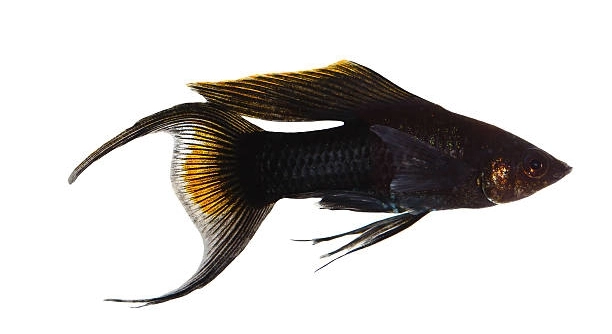
Is your black molly swimming against the flow and acting differently than usual in your tank? Many fish owners notice this unusual behavior and wonder if it signals stress, illness, or simply a natural habit.
Black mollies often swim against the current as a response to water conditions, stress, or environmental changes. Strong currents in the tank, insufficient oxygen, or fluctuations in temperature can influence this behavior, making it a natural adaptation for survival.
Observing these movements closely can reveal a lot about your molly’s health and comfort in its environment, helping you make better care decisions.
Understanding Your Molly’s Environment
The tank environment plays a major role in how your black molly behaves. Water flow, temperature, and oxygen levels all affect swimming patterns. If the current is too strong, your molly may constantly swim against it to stabilize itself. Similarly, fluctuations in temperature or poor water quality can stress the fish, leading to unusual movements. Observing how your molly responds to these changes can help you identify any issues before they become serious. It’s important to check the filter, heater, and aeration regularly to ensure the tank remains stable. Even small adjustments, like rearranging decorations or adding plants, can create calmer areas where your molly can rest. Mollies are sensitive to sudden shifts in their environment, so gradual changes are best. By maintaining consistent conditions, you reduce stress and support natural behaviors, allowing your fish to swim comfortably and stay healthy. Proper monitoring ensures your molly thrives without unnecessary strain or discomfort.
Environmental factors like water flow, temperature, and oxygen can directly affect your molly’s movement patterns.
Monitoring your molly’s environment means more than just checking water levels. You also need to observe behavior, test water parameters, and make small adjustments when needed. For example, strong currents near filters may cause the fish to swim constantly against the flow. Adding plants or decorations can provide resting spots, giving your molly areas of calm. Water temperature should remain stable, as sudden changes create stress. Oxygenation is equally critical; poorly aerated water can force mollies to seek better-oxygenated spots. By keeping these factors in balance, you can prevent abnormal swimming and ensure your molly remains active, healthy, and comfortable in its tank.
Health Considerations for Black Mollies
Swimming against the flow can sometimes indicate underlying health issues.
Health concerns in black mollies can range from minor stress to infections. Parasites, bacterial infections, or swim bladder problems may alter swimming behavior. Observing appetite, coloration, and activity level provides clues. Regular water tests and maintaining hygiene are essential.
If you notice persistent unusual swimming, it’s important to act quickly. Swim bladder disorders are common in mollies and can make them struggle with buoyancy. Poor diet, sudden feeding changes, or contaminated food may contribute. External parasites can irritate the fish, causing them to swim erratically. Bacterial infections often develop in unclean water or stressed fish. Keeping a close eye on your molly’s overall behavior helps detect problems early. Quarantining new fish before adding them to the tank reduces disease spread. Consistent feeding of high-quality food and proper tank maintenance can prevent many health issues. By addressing these factors, you can ensure your black molly swims naturally, stays healthy, and enjoys a stable environment.
Adjusting Tank Flow
Excessive current can force black mollies to swim constantly against the flow. Adjusting filter settings or adding obstacles can create calmer zones. These changes help the fish conserve energy and reduce stress, making their swimming patterns more natural and comfortable in the tank environment.
You can control water flow by lowering the filter output or redirecting currents with plants, rocks, or decorations. Positioning taller plants near strong currents gives your molly areas to rest. Even floating plants can diffuse surface water movement, softening overall flow. Observing how your molly responds to these adjustments helps determine the ideal setup. It’s a simple way to create balance without major modifications, allowing the fish to move naturally and avoid constant struggle against strong currents.
Tank flow affects not only energy expenditure but also oxygen distribution. While mollies may seem fine, strong currents can tire them quickly. Providing a mix of calm and flowing areas encourages exercise while offering rest spots. Small tweaks, like rearranging decorations or adding gentle water movers, can make the tank feel more comfortable. Over time, your molly will learn to use calmer zones effectively. Monitoring these changes ensures the fish remains active but not overexerted, promoting overall health and reducing unnecessary stress.
Feeding and Nutrition
Proper diet supports swimming behavior and overall health in black mollies.
Inadequate or unbalanced nutrition can lead to weak swimming or irregular movement. Feeding high-quality, varied food helps maintain energy and buoyancy. Including vegetables, flakes, and occasional protein ensures your molly gets necessary nutrients.
Overfeeding or offering only one type of food can cause digestive issues, leading to swim bladder problems. Swim bladder disorders make it difficult for the fish to maintain position, sometimes resulting in continuous swimming against the current. Supplementing the diet with blanched vegetables like spinach or zucchini adds fiber, improving digestion. Feeding smaller portions multiple times a day is better than one large meal, helping regulate buoyancy and energy levels. Monitoring how your molly reacts to different foods can indicate what supports healthy swimming. Consistency in feeding routines also reduces stress and keeps the fish active, ensuring proper growth and overall vitality.
Social Behavior
Black mollies often swim against the flow when interacting with other fish. Territorial disputes or establishing dominance can influence movement. Observing the tank’s social dynamics helps identify whether behavior is linked to interaction rather than stress or environment.
Aggressive or overly active tank mates can push your molly to swim constantly. Providing hiding spots and plants allows the fish to retreat and reduce tension. This setup encourages calmer social behavior and prevents continuous struggle against other fish.
Tank Size and Space
Limited swimming space can make black mollies appear to fight the current. Larger tanks allow natural movement and reduce stress, while overcrowding can lead to constant motion and fatigue. Adequate space supports overall health and natural swimming patterns.
Water Quality
Poor water conditions often trigger abnormal swimming. Regular testing for ammonia, nitrite, and nitrate is critical. Clean water ensures your molly remains active, healthy, and comfortable.
FAQ
Why is my black molly swimming against the flow all the time?
Constant swimming against the current is often linked to environmental stress. Strong water flow, temperature fluctuations, low oxygen, or overcrowding can force your molly to fight the current. Observing other behaviors like resting patterns, appetite, and coloration can help determine if the movement is normal or a sign of stress. Adjusting tank flow, adding plants or decorations, and ensuring stable water parameters usually helps mollies swim more comfortably.
Can swim bladder issues make my molly swim against the current?
Yes, swim bladder disorders directly affect buoyancy, making the fish struggle to maintain position. Overfeeding, digestive issues, or bacterial infections can contribute. Symptoms include tilting, floating sideways, or sinking while swimming. Feeding high-fiber foods like blanched vegetables and maintaining clean water often alleviate mild cases, but severe problems may require professional treatment.
Does tank size affect swimming behavior?
Absolutely. Small tanks limit natural movement and increase stress. Black mollies need enough space to swim freely. Overcrowding can lead to constant movement against the flow as they try to find space. Providing at least 20 gallons for a small group creates calmer conditions and reduces erratic swimming.
Do other fish influence my black molly’s swimming patterns?
Yes, social interactions play a role. Aggressive or overly active tank mates can push mollies to swim continuously or hide. Establishing territories, chasing, or bullying behavior often causes movement against the current. Adding plants, caves, or hiding spots helps mollies manage stress and move more naturally.
Can water quality cause abnormal swimming?
Poor water quality is a major factor. High ammonia, nitrite, or nitrate levels irritate mollies and cause unusual swimming patterns. Regular testing and maintenance, including partial water changes and filter cleaning, ensure a healthy environment. Proper aeration and stable temperatures also prevent stress-related behavior.
Will diet impact how my black molly swims?
Yes, nutrition affects energy and buoyancy. Overfeeding or an unbalanced diet can lead to digestive issues, causing swim bladder problems. Feeding a variety of high-quality flakes, pellets, and vegetables in small portions supports natural swimming and overall health. Avoid sudden diet changes to prevent stress.
Is it normal for black mollies to swim against the current occasionally?
Occasional swimming against the flow is normal. It can be a form of exercise or exploration, helping the fish strengthen muscles and improve coordination. Problems arise only when the behavior is constant, aggressive, or paired with other stress indicators.
How can I make my black molly more comfortable in the tank?
Providing a balanced tank setup helps. Adjust water flow, add plants and hiding spots, maintain water quality, and ensure proper feeding. Observing social dynamics and giving mollies enough space allows them to swim naturally. Small, consistent adjustments create a calmer, healthier environment for your fish.
Can stress make my molly swim against the flow?
Yes, stress from changes in environment, water parameters, or social pressure often triggers continuous swimming. Reducing strong currents, stabilizing temperature, and limiting aggressive tank mates can lower stress levels. Calm surroundings encourage more natural behavior and rest periods.
How often should I check my tank to prevent unusual swimming?
Regular monitoring is essential. Test water weekly for ammonia, nitrite, nitrate, and temperature fluctuations. Observe fish behavior daily for signs of fatigue, illness, or aggression. Early detection allows adjustments before problems worsen, keeping your black molly healthy and active.
Can adding decorations reduce constant swimming?
Yes, plants, rocks, and caves provide shelter and diffuse water flow. These structures create calm zones where mollies can rest and avoid constant struggle against currents. Balancing open swimming areas with hiding spots encourages natural, relaxed behavior.
Should I isolate a black molly that swims against the current?
Isolation is only necessary if illness or aggression is suspected. Quarantining new or sick fish prevents disease spread and reduces stress. Otherwise, environmental adjustments and social balance in the main tank are usually sufficient to correct swimming behavior.
Will my black molly recover from swim bladder issues?
Recovery depends on severity. Mild cases improve with proper diet, clean water, and rest areas. Severe infections or deformities may require veterinary attention. Early intervention and careful monitoring increase chances of full recovery.
Does temperature affect swimming behavior?
Yes, mollies are sensitive to temperature changes. Sudden drops or spikes can stress them, leading to unusual movement against currents. Maintaining a stable range between 75–82°F supports normal activity and prevents fatigue caused by constant swimming.
Are there signs I should watch for that indicate serious problems?
Signs include lethargy, loss of appetite, discoloration, or erratic swimming. Continuous struggle against currents combined with these symptoms often points to illness or environmental stress. Prompt action, including water testing, diet adjustments, or isolation, ensures timely treatment and recovery.
This FAQ covers common reasons for black mollies swimming against the flow and practical steps to support their health and comfort in the tank. Proper care, observation, and adjustments make a significant difference in behavior.
Word count: 506
Black mollies are lively fish that bring energy and movement to any aquarium. Observing them swim against the flow can be surprising at first, but this behavior often reflects their adaptation to the tank environment or their personal health needs. Many times, swimming against the current is a normal part of their activity, helping them exercise muscles and navigate the tank. These movements can also help them find areas with better oxygen levels or calmer spaces to rest. While it may look concerning, understanding the reasons behind this behavior allows you to provide a comfortable and balanced habitat.
Maintaining a stable environment is one of the most important factors in supporting a black molly’s well-being. Proper water quality, including correct temperature, oxygen levels, and chemical balance, helps prevent stress and health issues. Flow in the tank should be adjusted to avoid overexertion, and decorations like plants or rocks can create calm zones where the fish can rest. Space is equally important; overcrowding or aggressive tank mates can make your molly constantly swim against the current. Observing the fish closely and making small adjustments ensures their environment suits their natural behaviors, allowing them to swim naturally without strain.
Diet and overall health are also crucial. Balanced nutrition supports energy, buoyancy, and overall vitality, reducing issues like swim bladder problems that can alter swimming patterns. Keeping an eye on social interactions within the tank and providing hiding spots reduces stress and supports calmer behavior. Minor environmental or dietary adjustments can make a significant difference in your black molly’s comfort. By maintaining stable conditions, monitoring health, and supporting natural behaviors, you create a tank where your fish can thrive. Understanding the reasons behind swimming against the flow helps prevent unnecessary worry and ensures a long, healthy life for your black molly.
Word count: 416

Hello,
If you enjoy the content that we create, please consider saying a "Thank You!" by leaving a tip.
Every little bit helps us continue crafting quality advice that supports the health, happiness, and well-being of pets around the world, for pets of all shapes, sizes, and species.
We really appreciate the kindness and support that you show us!