
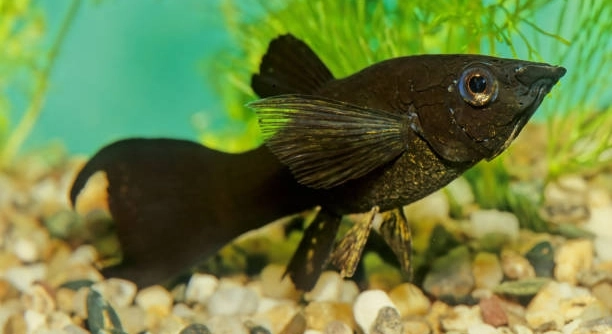
Caring for black molly fry can feel overwhelming, especially for new fishkeepers. These tiny fish are delicate and require careful attention to water quality, temperature, and overall tank setup to grow healthy and strong in a home aquarium.
The best tank conditions for black molly fry include stable water temperature between 24-28°C, a pH of 7.0-8.5, gentle filtration, low water flow, regular feeding, hiding spaces, and proper tank size to reduce stress and encourage healthy growth.
Maintaining these key conditions ensures your fry thrive while developing into strong, vibrant adult fish. Proper care now makes future tank management easier and more enjoyable.
Ideal Water Temperature
Black molly fry grow best in warm, stable water. The recommended temperature range is 24-28°C, as sudden changes can stress the fry and stunt growth. Using a reliable aquarium heater helps maintain a consistent temperature. Monitor with a thermometer daily to avoid fluctuations. Avoid placing the tank near windows or air vents where temperatures can swing. Heating devices with a built-in thermostat are ideal because they adjust automatically, keeping the environment stable. Consistency is more important than hitting an exact number, as fry tolerate minor variations. Combine proper heating with gentle water flow to prevent exhaustion while supporting healthy activity levels. Proper temperature also encourages fry to feed actively and strengthens immune responses.
Maintaining water between 24-28°C ensures optimal metabolism, growth, and immunity in black molly fry, reducing stress-related health issues and promoting strong, resilient development throughout early life stages.
Keeping temperature stable benefits fry development and supports a calmer, more predictable tank environment that encourages natural behavior and growth.
Water pH and Hardness
Black molly fry prefer slightly alkaline water with a pH of 7.0-8.5. Maintaining proper hardness supports healthy bones and organ development.
Consistent pH and moderate hardness create a stable environment for fry. Sudden shifts can lead to stress, disease, and poor growth. Using buffering agents can help stabilize pH levels. Regular water testing is essential. Black molly fry are more resilient in slightly hard water, which mimics their natural conditions. Soft water can slow growth, while excessively hard water may harm delicate fry. Aim for gentle adjustments when needed to prevent shock. Combine this with frequent small water changes to remove toxins and maintain clarity.
By keeping pH and hardness consistent, you ensure fry develop properly and remain active. Observing water chemistry allows you to catch issues before they affect growth. A well-balanced environment supports feeding, swimming, and overall health, helping fry transition smoothly into adulthood without complications.
Filtration and Water Flow
A gentle filter is essential for black molly fry. Strong currents can exhaust them and make feeding difficult, so choose a sponge or low-flow filter that keeps water clean without creating stress.
Sponge filters are ideal because they provide both mechanical and biological filtration while maintaining a soft flow. These filters prevent fry from being sucked in and create safe areas where they can hide. Regular maintenance is important to avoid debris buildup, but cleaning should be done carefully to preserve beneficial bacteria. Proper filtration ensures ammonia and nitrite levels stay low, which is critical for fry survival. Combining gentle filtration with frequent partial water changes keeps the tank stable, healthy, and comfortable for young fish.
Low water flow also encourages fry to explore and feed naturally without wasting energy fighting currents. With a calm environment, they grow steadily and remain more resilient to minor changes in tank conditions, leading to healthier, stronger adults.
Hiding Spaces and Tank Layout
Provide plenty of hiding spaces to reduce stress. Plants, moss, and small decorations allow fry to feel secure and avoid aggression from tankmates.
Dense planting or floating plants give fry areas to rest and escape strong light. Small caves or smooth ornaments can serve as additional shelters. Open swimming areas combined with these safe spots encourage natural exploration and feeding behaviors. A well-planned layout prevents overcrowding in certain zones and allows water to circulate evenly. Avoid sharp or rough decorations that could injure delicate fry. Spacing plants and objects strategically ensures fry can swim freely while accessing hiding places when needed.
A carefully arranged tank also makes maintenance easier. With clear pathways for water movement, cleaning, and feeding, fry experience less disruption. Proper hiding spaces reduce stress-related behaviors and aggression, promoting better growth rates and overall health, creating a balanced environment that supports both activity and security.
Feeding and Nutrition
Feed black molly fry small amounts several times a day. Tiny portions prevent water pollution and ensure all fry get enough food.
High-quality fry food, infusoria, and finely crushed flakes support early growth. Overfeeding can harm water quality, so monitor consumption carefully.
Light and Tank Exposure
Moderate lighting encourages plant growth without stressing fry. Avoid direct sunlight, which can cause temperature spikes and algae growth.
Consistent light cycles of 10-12 hours per day support natural behavior. Using a timer ensures regularity, helping fry establish feeding and resting patterns.
Tank Size and Population
A 10-gallon or larger tank is suitable for a small group of fry. Crowding slows growth and increases stress.
Proper spacing allows fry to swim freely, reduces competition for food, and makes maintenance easier. Overcrowded tanks can lead to disease outbreaks, so plan for gradual growth and future separation into larger tanks as fry develop.
Water Changes
Regular partial water changes keep water clean and safe. Change 20-30% of water weekly to maintain stability.
FAQ
How often should I feed black molly fry?
Feed black molly fry small amounts three to four times daily. They have tiny stomachs and digest quickly, so frequent feeding ensures steady growth. Use finely crushed flakes, powdered fry food, or live food like infusoria. Avoid overfeeding, as leftover food can pollute the water and harm fry health. Observing how much they consume in a few minutes helps adjust portions. Consistency in feeding schedules encourages active swimming and reduces stress, supporting overall development.
Can black molly fry live with adult fish?
It is not recommended to keep fry with adult mollies or other fish. Adults may eat fry, even unintentionally. A separate rearing tank or breeding box ensures fry safety. If a shared tank is unavoidable, provide dense plants or hiding areas to improve survival rates. Observing interactions can help determine if fry are at risk. Creating a controlled environment allows for steady growth without fear of predation, giving fry a better chance to reach maturity.
What is the best water temperature for fry?
Black molly fry thrive in water between 24-28°C. A stable temperature supports metabolism, immune function, and growth. Sudden fluctuations can stress fry, causing slow development or health issues. Using an aquarium heater with a thermostat helps maintain consistency. Positioning the tank away from drafts or direct sunlight prevents temperature swings. Daily checks with a thermometer ensure the water stays within the ideal range. Stable warmth encourages active feeding, proper swimming behavior, and overall resilience.
How often should I change the water?
Perform partial water changes of 20-30% weekly to maintain water quality. Fry are sensitive to ammonia, nitrites, and nitrates, so keeping these low is critical. Avoid large or sudden water changes, which can shock the fry. Using dechlorinated water at the same temperature helps prevent stress. Regular changes also remove waste, leftover food, and other pollutants, ensuring a cleaner, healthier environment. Consistency in water maintenance promotes steady growth, reduces disease risk, and improves survival rates.
What type of filtration is best for fry?
Gentle filtration, such as a sponge filter, is ideal. Strong currents can exhaust or injure fry. Sponge filters provide mechanical and biological filtration while producing minimal water movement. Regular cleaning preserves beneficial bacteria while preventing debris buildup. Maintaining clean water reduces harmful ammonia and nitrite levels, supporting fry health. Combining low-flow filtration with frequent small water changes ensures a stable, safe environment that allows fry to feed, swim, and develop without unnecessary stress.
Do black molly fry need plants or decorations?
Yes, hiding spaces are essential. Live plants, moss, and small ornaments give fry shelter from strong light and reduce stress. Plants also provide grazing areas for microorganisms that fry can eat. Avoid sharp decorations that can injure delicate fry. A well-planned layout balances open swimming space with shelter, supporting natural behavior, feeding, and overall health. Proper placement also makes maintenance easier, ensuring the tank remains clean and fry remain safe.
How long does it take for fry to grow into adults?
Black molly fry usually reach adult size in three to four months under proper care. Growth depends on water quality, temperature, diet, and stress levels. Consistent feeding, stable tank conditions, and a safe environment accelerate development. Monitoring growth and maintaining ideal conditions ensure fry mature into healthy, vibrant adults. Preventing overcrowding and ensuring proper nutrition supports uniform development, helping fry transition smoothly into adulthood without complications.
What should I do if fry start dying?
If fry mortality occurs, check water parameters first. Ammonia, nitrite, pH swings, or temperature fluctuations are common causes. Ensure feeding is appropriate and that no overcrowding or aggression is happening. Remove any sick or dead fry promptly. Adjusting water conditions gradually, improving filtration, and providing hiding spaces can prevent further losses. Observing behavior and maintaining consistent care is essential for survival and growth.
Can fry eat the same food as adult mollies?
Fry cannot eat adult food effectively due to their small size. Crushed flakes, powdered food, or specialized fry food is required. Live micro-food like infusoria or baby brine shrimp provides essential nutrients for early growth. Feeding appropriately sized food ensures all fry get enough to eat without polluting the tank, supporting healthy development and minimizing stress.
Is tank size important for black molly fry?
Yes, proper tank size is crucial. A small group of fry needs at least 10 gallons. Overcrowding slows growth, increases stress, and raises disease risk. A spacious tank allows swimming, feeding, and natural behavior while making maintenance easier. Planning for growth and eventual separation into larger tanks ensures fry develop safely into healthy adults.
Caring for black molly fry requires attention, consistency, and patience. These tiny fish are delicate in their early stages and depend on stable water conditions, proper feeding, and safe tank environments to thrive. Maintaining the recommended temperature range of 24-28°C and keeping pH slightly alkaline ensures the fry grow steadily and remain healthy. Consistency is crucial because sudden changes in temperature or water chemistry can stress the fry, slow their growth, and even cause mortality. Observing the tank regularly allows you to notice any early signs of trouble, whether it’s unusual behavior, slow feeding, or water quality issues. Simple routines, such as daily temperature checks, regular partial water changes, and careful feeding, create a stable environment that supports natural behavior and growth patterns.
A well-structured tank layout with hiding spaces and gentle filtration is equally important. Sponge filters or low-flow systems prevent fry from being swept away while keeping the water clean. Dense plants, moss, and smooth decorations give the fry areas to explore, rest, and hide, reducing stress and encouraging activity. Providing multiple small hiding spaces also reduces the risk of aggression and overcrowding in certain areas, which is common in young fry tanks. Feeding should be done in small portions multiple times a day using finely crushed flakes, powdered fry food, or live micro-food such as infusoria and baby brine shrimp. Proper nutrition ensures the fry develop strong bodies, healthy immune systems, and bright colors as they grow into adults. Overfeeding or feeding inappropriate food can quickly degrade water quality and create unnecessary stress.
Patience and observation are key to successful fry rearing. While the process may require careful monitoring and adjustments, the results are rewarding as healthy fry grow into active adult mollies. Avoid overcrowding and always provide space for growth, ensuring a safe and stable tank environment. Regular maintenance, attention to water quality, and proper feeding routines are essential steps that lead to better survival rates and stronger fish. By prioritizing these basic conditions, you can foster a thriving environment where black molly fry develop naturally and reach adulthood in good health. With consistent care and attention to detail, raising black molly fry can be a manageable and fulfilling experience.

Hello,
If you enjoy the content that we create, please consider saying a "Thank You!" by leaving a tip.
Every little bit helps us continue crafting quality advice that supports the health, happiness, and well-being of pets around the world, for pets of all shapes, sizes, and species.
We really appreciate the kindness and support that you show us!