
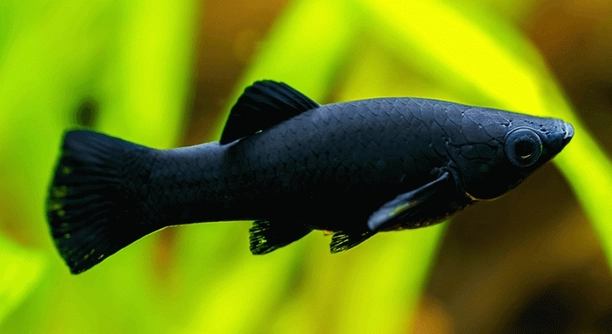
Keeping a Black Molly tank can be rewarding, but sometimes aggression can disrupt the harmony of your fish community. Observing their behavior closely helps identify the signs of stress or territorial disputes before they escalate.
Aggression in Black Molly tanks is often caused by overcrowding, limited hiding spaces, or incompatible tank mates. Providing sufficient space, proper tank setup, and monitoring interactions helps reduce fights and maintains a stable environment for all fish.
Addressing these issues early ensures your Black Mollies remain healthy, calm, and active, creating a more enjoyable aquarium experience for both you and your fish.
Recognizing Signs of Aggression
Black Mollies often show aggression through chasing, nipping fins, or sudden bursts of speed. Observing your fish regularly can help you spot these behaviors early. Aggression may appear more frequently when fish feel threatened or when new fish are introduced without proper acclimation. Environmental factors, such as sharp decorations or poor water quality, can also increase stress and trigger aggressive behavior. Noticing subtle changes in behavior, such as hiding or lack of feeding, can indicate tension in the tank. Overcrowding is another common factor; when there isn’t enough space, territorial disputes become frequent. Male Mollies tend to display more aggression than females, especially during mating periods. Providing visual barriers and well-planted areas can help reduce stress. Maintaining stable water parameters is essential, as fluctuating conditions can exacerbate aggressive tendencies. Recording behaviors over time gives insight into patterns that might need intervention. Understanding these signs helps prevent serious injury or stress-related illness among your fish.
Regular observation and noting unusual behavior can prevent fights and keep all your fish calmer.
Aggression can be managed by reorganizing the tank layout to create hiding spots and open swimming areas. Separating particularly aggressive individuals temporarily can allow others to regain confidence. Feeding multiple times a day in different areas reduces competition for food. Introducing new fish slowly, with proper acclimation, helps minimize stress. Adjusting water parameters to stable, ideal conditions supports a healthier social dynamic. Choosing compatible tank mates and limiting male Mollies in a single tank can reduce territorial disputes. Plants and decorations not only provide shelter but break lines of sight, which decreases constant chasing. Consistent monitoring and minor adjustments often prevent escalation, keeping fish injuries minimal. Recognizing triggers for aggression and addressing them systematically ensures a balanced, peaceful tank environment. Over time, these measures foster better interactions and overall fish health, reducing the risk of long-term stress or damage from repeated conflicts.
Adjusting Tank Conditions
Maintaining water quality is key to reducing aggression. Regular cleaning and monitoring of pH, temperature, and hardness keep Mollies comfortable.
Tank adjustments include spacing, hiding spots, and decorations to diffuse tension. Temperature stability, proper filtration, and regular water changes support calm behavior. Overcrowding must be avoided, and plants or rocks create natural barriers that allow fish to retreat. Adequate swimming space prevents constant territorial disputes. Lighting and flow can also influence activity levels, as overly bright or turbulent conditions may increase stress. Keeping a consistent feeding schedule ensures no fish feels deprived, reducing competition. Observing reactions to changes helps identify what works best for your specific tank. Every tank has unique dynamics, so small modifications can have a big impact. By carefully monitoring and adjusting conditions, aggressive behavior can be minimized while promoting natural, healthy interactions among Black Mollies.
Would you like me to continue with the next headers in the same format?
Selecting Compatible Tank Mates
Choosing the right tank mates helps reduce aggression in Black Molly tanks. Avoid highly territorial or fin-nipping species. Opt for peaceful fish that can coexist without constant chasing or stress.
Introducing compatible fish slowly allows them to adjust to the established social order. Species like Platies, Corydoras, and small peaceful tetras are usually good companions. Avoid overcrowding by keeping a proper male-to-female ratio and ensuring adequate swimming space. Observing initial interactions closely can help catch early signs of conflict. Sometimes a single aggressive fish may need temporary separation until the group stabilizes. Maintaining compatibility over time prevents repeated fights and keeps the tank environment healthy. Plants and decorations also give new tank mates places to hide and reduce stress.
Properly selected tank mates influence the overall mood of your Black Molly tank. Peaceful companions reduce stress and prevent constant chasing. When fish feel secure, aggression decreases naturally. Introducing fish gradually and monitoring their interactions allows you to identify any tensions early. A balanced community minimizes injuries and supports normal feeding and swimming behaviors. Over time, compatible species create a stable, active, and visually appealing tank. Using plants and structures strategically further encourages peaceful coexistence by providing natural boundaries, hiding spots, and retreat areas. Observing fish behavior regularly ensures the social dynamic remains harmonious, preventing future disputes and fostering healthier relationships among all inhabitants.
Feeding and Diet Management
Consistent feeding routines reduce competition and aggression. Feeding multiple times a day in small amounts prevents dominant fish from monopolizing food.
Providing a varied diet keeps Black Mollies healthy and less likely to stress or fight over food. Include high-quality flakes, frozen or live foods, and occasional vegetable matter to balance nutrition. Fish fed properly are calmer and interact more peacefully. Overfeeding should be avoided, as leftover food can pollute water and trigger aggressive behaviors. Spreading food across different tank areas ensures all fish get access without confrontation. Monitoring feeding behavior helps identify overly aggressive individuals that may require separate attention.
Proper nutrition directly impacts behavior in a Black Molly tank. Fish with a balanced diet are less likely to display aggression toward tank mates. Maintaining a schedule of small, frequent feedings prevents dominant fish from taking all the food. Supplementing flakes with live or frozen foods and occasional vegetables ensures they receive the nutrients needed for energy and growth. A calm, well-fed tank allows fish to focus on natural swimming and social behaviors rather than competing constantly for meals. Adjusting feeding locations and monitoring interactions further reduces stress, ensuring every fish maintains good health and peaceful coexistence.
Managing Male Aggression
Male Black Mollies often display territorial behavior, especially in smaller tanks. Limiting the number of males helps maintain peace.
Providing plenty of hiding spots and visual barriers reduces direct confrontations. Observing behavior daily allows you to identify overly dominant males and intervene if needed.
Tank Size and Layout
A larger tank reduces competition and gives Black Mollies room to establish personal space. Crowding can lead to constant chasing and fin nipping. Proper layout with open swimming areas and dense plant clusters allows fish to retreat when stressed. Maintaining clean water and consistent conditions also supports calmer behavior. Adjusting decorations periodically can help break line-of-sight aggression and encourage natural exploration. Strategic placement of rocks, plants, and driftwood creates territories without forcing conflict. This setup allows males and females to coexist more comfortably, reducing overall stress and promoting healthier social interactions. Monitoring daily ensures the layout continues to support peaceful tank dynamics.
Using Temporary Separations
Separating aggressive fish temporarily prevents injuries and allows the tank to settle. Observing the separated fish helps determine if reintegration is safe.
FAQ
How can I tell if my Black Mollies are being aggressive?
Aggression is usually seen through chasing, nipping fins, or sudden bursts of speed. Fish may hide more often or stop eating. Watching patterns over time helps identify which fish are aggressive and which are stressed. Small changes, like fin clamping or darting around the tank, can also signal tension. Observing during feeding or new fish introductions often reveals early signs of conflict, allowing quick intervention to prevent injury.
What is the best way to prevent fights in a Black Molly tank?
Providing enough space and hiding spots is essential. Overcrowding leads to constant chasing, especially among males. Plants, rocks, or decorations break lines of sight and reduce territorial disputes. Keeping a proper male-to-female ratio and choosing compatible tank mates also lowers aggression. Gradual introduction of new fish prevents stress and fights, while maintaining clean water and stable parameters keeps fish calmer.
Should I separate aggressive fish permanently?
Permanent separation isn’t always necessary. Temporary separation can reduce immediate tension and give fish a chance to settle. Observe behavior closely; once the aggressive fish calms, reintegration is possible. In cases where aggression persists, long-term separation may be the safest option to prevent injury. Ensuring each fish has enough space and hiding areas can sometimes eliminate the need for permanent separation.
How does tank size affect aggression?
Smaller tanks increase territorial behavior because fish compete for limited space. Larger tanks provide more room to swim and establish personal areas, reducing stress. A spacious environment allows natural hiding and escape routes, decreasing constant chasing. Even minor increases in swimming area or rearranging decorations can significantly lower aggression levels and improve the overall social balance of the tank.
Can diet influence aggressive behavior?
Yes, nutrition affects mood and energy levels. Fish that are underfed or experience competition at feeding times may become more aggressive. Feeding small amounts multiple times a day ensures all fish receive food and reduces fights. Offering a varied diet of flakes, live or frozen foods, and vegetable matter keeps Black Mollies healthy and less likely to stress or dominate others over meals.
How do I handle aggression when adding new fish?
Introduce new fish slowly, using a quarantine or divider if possible. Allowing them to acclimate reduces stress for both new and existing fish. Monitor interactions closely during the first few days. Adding plenty of plants and decorations gives everyone escape routes. Adjusting feeding locations helps minimize competition, and separating any overly aggressive individuals can prevent early injuries while social dynamics stabilize.
Does the number of males in the tank matter?
Yes, too many males often increase aggression. Male Black Mollies compete for territory and female attention, which can lead to constant chasing. Maintaining a higher number of females relative to males usually reduces fights. Providing enough space, visual barriers, and hiding spots allows males to coexist more peacefully, lowering stress and promoting healthier interactions throughout the tank.
What role does water quality play in aggression?
Poor water quality causes stress, making fish more likely to fight. Regular water changes, stable temperature, and proper pH help maintain calm behavior. Filtration and consistent cleaning prevent ammonia or nitrate buildup, which can irritate fish and increase tension. Well-maintained water conditions support natural activity and reduce the likelihood of aggression.
Can rearranging decorations help manage aggression?
Yes, changing the tank layout periodically can break established territories and reduce dominance displays. Creating new hiding areas, visual barriers, and open swimming spaces helps fish feel less threatened. Plants, rocks, and driftwood allow retreat zones, which minimize chasing and fin nipping. Observing how fish adapt to these changes ensures the modifications positively impact behavior.
Are certain species better companions for Black Mollies?
Peaceful, similarly sized fish like Platies, Corydoras, and small tetras usually coexist well. Avoid aggressive or fin-nipping species that may provoke fights. Compatibility ensures stress is minimized and allows the tank to remain stable. Introducing new companions gradually and providing adequate hiding spots prevents tension and encourages calm interactions.
How long does it take for aggression to calm down after changes?
The adjustment period varies, but most fish begin to settle within a few days to a week. Temporary separations, rearranging decorations, or changing tank mates can accelerate the process. Observing daily allows you to identify which interventions work and ensures conflicts do not escalate. Patience is key while fish adapt to new conditions.
Is it normal for some aggression to continue?
Yes, minor chasing or displays are natural, especially among males. Aggression becomes a concern only when it leads to injury, stress, or persistent harassment. Maintaining proper tank conditions, balanced feeding, and adequate space helps keep natural behaviors healthy and prevents escalation into harmful conflicts.
What steps should I take if a fish gets injured?
Remove injured fish to a separate quarantine tank if needed. Treat wounds with appropriate medications and maintain clean water. Monitor for infection or fin rot. Adjust tank conditions to reduce aggression, ensuring the rest of the fish have enough space and hiding areas to prevent further injuries.
How can I track aggressive behavior effectively?
Keeping a simple log of fish interactions during feeding or daily observation helps identify patterns. Note which individuals are aggressive, times of day conflicts occur, and triggers like new fish or changes in the tank. Regular monitoring supports timely interventions and prevents prolonged stress or injuries among Black Mollies.
Can tank lighting or flow affect aggression?
Yes, overly bright lighting or strong water currents can stress fish, leading to increased chasing or fin nipping. Adjusting light intensity and moderating flow can create a calmer environment. Observation helps identify if changes are needed to maintain peaceful interactions while still supporting healthy activity and swimming patterns.
Are plants important for reducing aggression?
Absolutely, plants provide hiding spaces and visual barriers. Dense planting allows shy or stressed fish to escape aggressive individuals. Floating or tall plants can break lines of sight and diffuse territorial disputes. Strategically placed plants improve both tank aesthetics and social balance, helping Black Mollies coexist more peacefully.
This FAQ section covers common concerns and solutions, offering practical steps to minimize aggression while supporting healthy, balanced Black Molly communities.
Word count: 507
Black Mollies are lively, attractive fish that bring movement and color to any aquarium. However, their natural social dynamics can sometimes lead to aggression if conditions are not properly managed. Recognizing the factors that contribute to fighting, such as overcrowding, limited hiding spaces, and incompatible tank mates, is an important first step in maintaining a peaceful environment. Observing your fish regularly allows you to identify early signs of tension before they escalate into serious injuries. Small changes, like rearranging decorations or adding plants, can make a significant difference in reducing stress and aggression. Paying attention to the interactions between males and females, as well as any new introductions, helps prevent disputes and ensures that all fish feel secure in their environment. By taking a proactive approach, you can create a tank that supports natural behaviors while minimizing harmful encounters.
Proper tank setup is essential for keeping aggression under control. Providing enough space for each fish, along with plenty of hiding spots and visual barriers, allows Black Mollies to establish personal territories without constant conflict. Maintaining clean water and stable conditions supports calmer behavior, as fluctuating temperature, pH, or water quality can increase stress and trigger fights. Feeding routines also play a role, with small, frequent meals spread across the tank reducing competition for food. Selecting compatible tank mates ensures that all species can coexist without provoking each other. Even temporary separations or slow acclimation of new fish can help the group adjust and maintain balance. Over time, these efforts foster a healthier, calmer environment, where Black Mollies can swim, feed, and interact naturally.
Managing aggression is a continuous process that requires observation, adjustment, and patience. Even with proper measures in place, minor chasing or displays of dominance are normal, especially among males. The key is to prevent behaviors that result in injury, stress, or long-term health problems. Strategic tank management, careful selection of companions, and consistent monitoring all contribute to reducing tension and promoting peaceful interactions. By understanding their behavior and responding thoughtfully, you can ensure your Black Mollies remain healthy and active. Creating a stable, comfortable environment benefits both the fish and the overall enjoyment of the aquarium, making your tank a vibrant, balanced, and engaging space to observe.
Word count: 416

Hello,
If you enjoy the content that we create, please consider saying a "Thank You!" by leaving a tip.
Every little bit helps us continue crafting quality advice that supports the health, happiness, and well-being of pets around the world, for pets of all shapes, sizes, and species.
We really appreciate the kindness and support that you show us!