
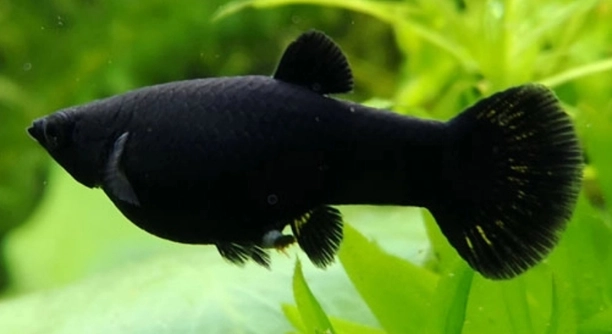
Are your small spaces making it difficult to set up a tank for your black molly fish? Many fish owners struggle to create a functional and attractive environment without overcrowding or clutter. Finding the right setup can feel challenging.
The key to a successful black molly tank in limited spaces lies in balancing water quality, hiding spots, and swimming room. Proper filtration, moderate plant placement, and efficient tank accessories ensure a healthy, visually pleasing, and stress-free environment for the fish.
These setup ideas will help you maximize your space while keeping your black mollies healthy and comfortable. Small tanks can still offer big benefits.
Choosing the Right Tank Size
For black mollies, tank size is crucial, even in small spaces. A minimum of 20 gallons is ideal for a small group of mollies, allowing them enough swimming room. Smaller tanks may seem convenient, but overcrowding stresses fish and impacts water quality. Proper filtration is essential to maintain clean water, especially when space is limited. Decorations and plants should be carefully arranged to maximize swimming space while providing hiding spots. Avoid placing too many items that restrict movement. Regular water changes help maintain a stable environment. Temperature should be consistent, ideally between 72 and 78 degrees Fahrenheit. Mollies appreciate a varied diet of flakes, pellets, and occasional live or frozen food to stay healthy. Monitoring water parameters like pH and hardness is important, as black mollies thrive in slightly alkaline conditions. Balancing these factors ensures your tank is both functional and visually appealing.
Small tanks require careful planning, but with attention, your black mollies will thrive comfortably.
Proper planning includes selecting hardy plants, maintaining filtration, and monitoring fish behavior. These small adjustments create a balanced habitat that keeps mollies active, healthy, and stress-free.
Aquascaping for Small Spaces
Plants and decorations should enhance, not overcrowd, your tank.
Using tall, narrow plants and vertical decorations maximizes swimming room while providing hiding spots. Driftwood or small rock formations add interest without taking too much floor space. Floating plants can offer shade and reduce algae growth. Consider using live plants for natural filtration and oxygenation, which benefits both the fish and the tank environment. Avoid excessive décor that blocks swimming paths or creates dead zones where water circulation is poor. Selecting light-colored gravel or sand can make the tank feel more spacious. Arranging items thoughtfully ensures fish have clear paths for movement and exploration. Regular maintenance is needed to prevent plant overgrowth and keep the tank tidy. A balance between open swimming areas and decorated corners helps mollies feel secure. Observing how your fish interact with the setup allows you to adjust décor for optimal comfort. Proper aquascaping supports both aesthetics and fish health, making your small tank enjoyable for you and your mollies.
Lighting and Water Conditions
Proper lighting encourages plant growth and highlights your black mollies’ colors. Avoid overly bright lights, as they can stress fish. A moderate light schedule of 8–10 hours daily is ideal. Consistent temperature and pH levels are important for maintaining a healthy environment.
Maintaining stable water conditions is essential in small tanks. Black mollies prefer slightly alkaline water with a pH between 7.5 and 8.5. Temperature should stay between 72 and 78 degrees Fahrenheit. Frequent water changes, about 25% weekly, help remove waste and prevent harmful chemical buildup. Using a reliable filter ensures consistent water quality, and monitoring ammonia, nitrite, and nitrate levels prevents sudden spikes. These steps create a safe, stress-free environment for your fish, supporting their overall health and coloration.
Water circulation should be gentle but effective. Avoid strong currents that overwhelm mollies, especially in small spaces. Adding an air stone can improve oxygen levels. Regularly testing water parameters allows quick adjustments. Combining proper filtration, moderate lighting, and stable conditions ensures your black mollies remain lively and healthy, even in compact setups. Attention to these details prevents common health problems and keeps the tank visually appealing, supporting both fish well-being and your enjoyment of the setup.
Choosing Compatible Tank Mates
Black mollies thrive with peaceful, similar-sized fish. Avoid aggressive or fin-nipping species that cause stress.
Compatible tank mates include small tetras, guppies, platies, and peaceful snails. These species share similar water requirements and temperaments. Overcrowding should be avoided, as it can lead to stress, disease, and stunted growth. Careful selection ensures harmony within the tank and allows all species to thrive.
Adding compatible fish requires gradual acclimation. Introduce new tank mates slowly, monitoring interactions closely. Observe feeding behavior and swimming patterns to ensure no fish are bullied or excluded. Providing sufficient hiding spaces and plants helps reduce territorial disputes. Consistent care, appropriate feeding, and balanced stocking create a peaceful community tank. Black mollies interact well with other non-aggressive species, making small community setups enjoyable. Proper planning and observation help maintain a stable environment, supporting fish health, reducing stress, and keeping the tank visually appealing.
Feeding and Nutrition
Black mollies need a varied diet to stay healthy and active. High-quality flakes or pellets provide basic nutrition.
Supplementing with live or frozen foods like brine shrimp, daphnia, or bloodworms enhances color and supports growth. Feeding small portions twice daily prevents overfeeding and keeps water quality stable.
Maintaining Clean Water
Regular water changes and proper filtration are essential in small tanks. Clean water reduces stress and prevents disease. Removing debris and monitoring chemical levels ensures a stable environment, supporting healthy fish behavior and vibrant coloration.
Temperature Control
Maintaining consistent tank temperature is crucial. Sudden fluctuations stress black mollies and can trigger illness. Using a reliable heater and thermometer keeps the water within the ideal 72–78°F range, promoting health and active swimming.
Observing Fish Behavior
Monitoring black mollies daily helps detect early signs of stress or illness. Look for changes in swimming patterns, appetite, or color. Early observation allows timely adjustments to care routines or tank conditions, preventing long-term health issues.
FAQ
How often should I feed my black mollies?
Feed black mollies small portions twice a day. Overfeeding can pollute the tank and stress the fish. Provide a mix of high-quality flakes or pellets and occasional live or frozen foods like brine shrimp or daphnia to support growth and coloration.
Can black mollies live in a small tank?
Yes, black mollies can live in small tanks if properly maintained. A minimum of 20 gallons is recommended for a small group. Adequate swimming space, proper filtration, regular water changes, and careful aquascaping help ensure a healthy environment even in compact setups.
What water parameters do black mollies need?
Black mollies prefer slightly alkaline water with a pH between 7.5 and 8.5. Temperature should stay consistent between 72–78°F. They tolerate moderately hard water. Regular testing for ammonia, nitrite, and nitrate is important to maintain stability and prevent stress or illness.
Are black mollies good for community tanks?
Yes, they are peaceful and can live with other small, non-aggressive fish like guppies, platies, or small tetras. Avoid fin-nipping or aggressive species. Provide enough hiding spots and plants to reduce territorial disputes and ensure all species coexist comfortably.
Do black mollies need live plants?
Live plants are not strictly necessary but highly beneficial. They improve water quality, provide oxygen, and offer hiding spots. Tall or vertical plants maximize swimming space in small tanks. Floating plants can also help reduce algae growth and provide shade for sensitive fish.
How often should I change the water?
In small tanks, change about 25% of the water weekly. This removes waste, maintains water quality, and prevents harmful chemical buildup. Frequent water changes are more important in compact tanks, where pollutants accumulate faster due to limited volume.
What kind of filter should I use?
Use a gentle filter that provides mechanical and biological filtration without creating strong currents. Black mollies prefer moderate water flow. Sponge filters or low-flow hang-on-back filters are suitable for small tanks, ensuring consistent water quality and oxygenation.
Can black mollies live with snails?
Yes, snails are compatible tank mates. They help clean algae and leftover food, contributing to tank maintenance. Avoid species that might reproduce excessively or disturb plants. Monitor interactions to ensure snails do not compete aggressively for food.
How do I prevent diseases in small tanks?
Maintain clean water, stable temperature, and proper nutrition. Avoid overcrowding and introduce new fish gradually. Quarantine new additions if possible. Observe fish daily for signs of illness such as lethargy, loss of appetite, or unusual spots. Early detection prevents outbreaks and keeps the tank healthy.
Can black mollies tolerate brackish water?
Black mollies can adapt to slightly brackish conditions, which may improve health and breeding. Gradually introduce salt to avoid shock. Keep the concentration mild, as excessive salinity can stress freshwater tank mates if included in a community setup.
How do I encourage breeding in small tanks?
Provide plenty of hiding spots with plants or decorations. Maintain stable water parameters and offer a varied diet rich in live or frozen foods. Males chase females gently; having adequate space and cover helps reduce stress during breeding behaviors.
What should I do if my black mollies look stressed?
Check water quality, temperature, and tank setup. Look for overcrowding, aggressive tank mates, or poor water circulation. Addressing the root cause quickly helps restore their health. Providing additional hiding spots or adjusting lighting may also reduce stress and improve behavior.
Can I keep only male black mollies?
Yes, but keep in mind males may display territorial behavior or compete for dominance. Without females, some aggression may occur. A balanced mix of males and females is ideal for social interaction and to prevent stress.
How long do black mollies live?
With proper care, black mollies typically live 3–5 years. Maintaining consistent water conditions, providing a nutritious diet, and minimizing stress are key factors in ensuring a long, healthy life for your fish.
Are black mollies sensitive to temperature changes?
Yes, sudden changes can stress them and lead to illness. Keep water temperature stable between 72–78°F using a reliable heater and thermometer. Gradual adjustments are important if changes are necessary for maintenance or seasonal shifts.
Black mollies can thrive in small spaces with careful planning and attention to their needs. Choosing the right tank size is the first step in ensuring their health and comfort. A 20-gallon tank or slightly larger provides enough room for a small group to swim freely while preventing overcrowding. Even in compact setups, it is important to maintain proper filtration, temperature, and water quality. Regular water changes help keep chemical levels in check and remove waste, while monitoring pH and hardness ensures the environment stays within the preferred range. Balanced nutrition is also essential. Providing high-quality flakes or pellets along with occasional live or frozen foods supports growth, coloration, and overall vitality. By managing these basic aspects of care, black mollies can live happily and display their natural behaviors, even in smaller tanks.
Aquascaping and tank setup play a major role in creating a functional and visually pleasing environment. In small spaces, selecting decorations and plants that maximize swimming room is key. Tall, vertical plants and minimalistic driftwood or rock formations provide hiding spots without overcrowding the tank. Floating plants can add shade and reduce algae growth, while careful placement of ornaments ensures fish have clear swimming paths. Observing how black mollies interact with their surroundings allows for adjustments to improve comfort and security. Lighting also affects both the fish and plants, so maintaining a moderate schedule of 8–10 hours daily helps promote healthy growth and reduces stress. Even small adjustments in tank layout, plant selection, or decoration placement can make a noticeable difference in the overall well-being of the fish. Maintaining a clean, organized tank contributes to a healthier, calmer, and more active group of mollies.
Choosing compatible tank mates is another important consideration for a successful small tank setup. Black mollies are peaceful and thrive alongside other non-aggressive species such as guppies, platies, or small tetras. Avoid aggressive or fin-nipping fish that can cause stress or injury. Providing sufficient hiding spaces and observing interactions helps maintain harmony. Regular monitoring of fish behavior, appetite, and swimming patterns is essential for identifying potential issues early. Paying attention to temperature, water quality, feeding, and social dynamics ensures that all species in the tank can coexist comfortably. With proper care, even a small space can support a healthy, active, and visually appealing black molly tank. Thoughtful planning and consistent maintenance make it possible to enjoy the beauty and activity of black mollies without requiring a large tank.

Hello,
If you enjoy the content that we create, please consider saying a "Thank You!" by leaving a tip.
Every little bit helps us continue crafting quality advice that supports the health, happiness, and well-being of pets around the world, for pets of all shapes, sizes, and species.
We really appreciate the kindness and support that you show us!