
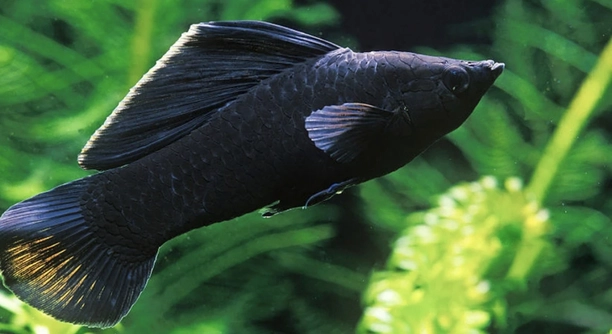
Introducing new fish to an established aquarium can feel overwhelming, especially when considering black mollies. Tank dynamics, water quality, and fish behavior all play roles in determining whether the addition will be successful and harmonious.
Adding a new black molly to an old tank is possible if proper precautions are taken. Quarantine the new fish, monitor water parameters, and introduce them gradually to reduce stress, aggression, and the risk of disease for existing tank inhabitants.
Following careful steps ensures a smoother integration, promoting a balanced and healthy environment for both new and existing black mollies.
Preparing Your Tank for a New Black Molly
Before adding a new black molly, it is important to make sure your tank is ready. Start by testing water parameters such as temperature, pH, and ammonia levels. Black mollies thrive in slightly alkaline water with stable conditions. Cleaning the tank and changing a portion of the water helps remove any harmful bacteria or debris that could stress the fish. Adding hiding spots like plants or decorations gives the new molly a place to retreat, which reduces stress and aggression. It’s also helpful to observe the current fish for any signs of illness or unusual behavior. A healthy, well-maintained tank increases the likelihood that the new black molly will adapt quickly. Take your time with these preparations, as rushing can create unnecessary tension and risk for both new and existing fish. Planning ahead ensures a smoother introduction and a calmer tank environment.
Taking time to prepare reduces stress for all fish and prevents sudden issues. It sets the stage for a successful introduction.
Gradually adjusting the new black molly to your tank’s water can prevent shock. Float the bag with the fish in the tank for 15 to 30 minutes, allowing the temperature to equalize. Slowly mix small amounts of tank water into the bag over an hour to help the fish acclimate to the new water chemistry. This method reduces the risk of stress and health problems. Once the acclimation is complete, gently release the fish, avoiding sudden movements that could startle it. Observe the fish closely for the first few hours, noting its swimming behavior and interactions with other tank inhabitants. Providing a calm and stable environment during this time helps the new molly settle in more comfortably and minimizes potential conflicts with existing fish.
Monitoring Behavior After Introduction
Keep a close eye on the interactions between the new black molly and established fish. Early observation helps catch aggression or signs of stress quickly.
Aggression can occur as fish establish hierarchies in the tank. Watch for chasing, nipping, or hiding behaviors that could indicate tension. Ensure the new molly has adequate space to swim freely and access to food without interference. Feeding at different locations in the tank can reduce competition and make all fish feel more secure. Removing overly aggressive individuals temporarily can prevent injury. Also, monitor water quality closely, as stress or overfeeding may affect the balance. Regular checks over the first few weeks will reveal how well the new molly is integrating. Noting subtle changes in color, appetite, or activity can signal health issues early. Consistent observation allows adjustments to tank conditions or social groupings, improving the chances of a harmonious environment. With patience and attention, the new black molly can become a stable and healthy member of your tank.
Feeding and Nutrition
Black mollies need a balanced diet to stay healthy and active. Provide a mix of high-quality flake food, frozen or live brine shrimp, and occasional vegetables. Avoid overfeeding, as leftover food can harm water quality.
Feeding your black mollies properly helps them adapt to a new tank. Start with small portions two to three times a day, ensuring each fish gets access to food without overcrowding. Observe their eating habits closely; a new molly may be shy at first and eat less. Gradually increase portion sizes as they become comfortable. Supplementing their diet with blanched spinach or zucchini offers essential nutrients and promotes vibrant coloration. Over time, a varied diet keeps your fish healthy, reduces stress, and supports growth. Proper nutrition is especially important after introducing a new fish, as it helps them recover from acclimation stress and maintain energy levels.
Maintaining good feeding habits prevents aggression related to food competition. Keep feeding consistent, remove uneaten food promptly, and provide small treats occasionally. Monitoring eating patterns ensures all fish thrive and the tank remains clean. A predictable feeding routine encourages healthy behavior and minimizes stress among both old and new mollies, fostering a more stable tank environment.
Water Quality Maintenance
Regular water testing is critical to keep your tank safe for black mollies. Monitor pH, ammonia, nitrite, and nitrate levels to maintain stability.
Maintaining water quality is essential for the health of all fish in your tank. Frequent partial water changes, ideally 20 to 30 percent weekly, remove toxins and replenish minerals that support molly health. Proper filtration ensures waste is removed efficiently, preventing spikes in harmful compounds. Keep an eye on water temperature and make adjustments as needed to maintain consistency, as sudden fluctuations can stress fish and weaken their immune systems. Additionally, avoid overcrowding, as too many fish can quickly degrade water quality. Consistent monitoring and maintenance create an environment where both existing and new black mollies can thrive.
Investing time in water quality maintenance reduces the risk of disease and stress for all tank inhabitants. By staying consistent with testing, cleaning, and monitoring, you provide a stable and healthy environment that encourages fish to grow, display natural behaviors, and interact peacefully. Well-maintained water ensures long-term success when adding new black mollies to an established tank.
Tank Mates Consideration
Choosing compatible tank mates is important for black mollies. Avoid aggressive or fin-nipping species that may stress them. Peaceful community fish work best in an established tank.
Introducing a new molly alongside compatible fish reduces conflict and supports a calm environment. Consider species that share similar water and temperature requirements to prevent stress or illness.
Quarantine Practices
Quarantining new black mollies before adding them to the main tank prevents the spread of disease. A separate tank for two weeks is ideal to monitor health and behavior. Proper quarantine helps maintain a safe and healthy environment for all fish.
Observing Long-Term Health
Regular observation of your black mollies ensures ongoing well-being. Watch for changes in color, appetite, or behavior. Early detection of issues allows for quick intervention, supporting a healthy and stable tank environment over time.
FAQ
Can I add more than one black molly at a time?
Yes, adding multiple black mollies simultaneously is possible, but it requires careful planning. Ensure the tank is large enough to accommodate the additional fish without overcrowding. Overcrowding can increase aggression and stress, which may lead to illness. Always quarantine all new mollies before introduction. Gradually acclimate them to the water conditions in your main tank. Introduce hiding spots and plants to give the new fish space to retreat. Observing their interactions closely for the first few days helps prevent conflicts. Splitting the introductions over a few days may be safer in smaller tanks.
How long should I quarantine a new black molly?
A quarantine period of at least two weeks is recommended. This allows you to monitor for signs of illness, parasites, or unusual behavior. During this time, maintain clean water conditions and feed a balanced diet. Observe the fish daily for changes in color, appetite, or activity levels. Treat any issues promptly to prevent spreading disease to the established tank. Quarantining reduces stress on existing fish and improves the overall success of adding new mollies.
What signs indicate that a new black molly is stressed?
Stress can show in several ways, including hiding, loss of appetite, rapid gill movement, or unusual swimming patterns. Color changes, such as fading or darkening, are also common signs. Addressing stress quickly is important to prevent illness. Ensure proper acclimation, stable water conditions, and sufficient space. Providing hiding spots and avoiding sudden movements around the tank reduces stress. Reducing competition for food and minimizing interactions with aggressive tank mates also helps new mollies adjust. Consistent observation during the first week is critical to identify and correct stress factors.
How do I prevent aggression between new and old black mollies?
Aggression often occurs when fish are establishing hierarchies. Adding hiding spots, rearranging decorations, and distributing food in multiple locations helps reduce conflict. Introducing new mollies during feeding time may distract older fish and reduce targeting. Observing their behavior for chasing or fin-nipping is important. If aggression persists, temporarily isolating overly aggressive fish can help restore balance. Gradual acclimation and maintaining adequate tank size are key factors. Maintaining calm water conditions and avoiding overcrowding also reduces the likelihood of aggressive encounters.
Can black mollies adapt to different water conditions in an old tank?
Black mollies are somewhat adaptable but require stable water parameters. Sudden changes in temperature, pH, or hardness can cause stress and illness. Gradually acclimating the new molly through temperature and water chemistry adjustments ensures a smooth transition. Monitor the fish closely after introduction for signs of stress or discomfort. Regular water testing and maintenance maintain consistent conditions. Avoid overcrowding and aggressive tank mates to help mollies adjust. Over time, a stable environment supports healthy behavior, growth, and color development.
What should I feed a new black molly in a community tank?
Provide a varied diet including high-quality flakes, frozen or live foods, and occasional vegetables. Small, frequent meals reduce competition and prevent leftover food from affecting water quality. Observe eating habits and ensure the new molly gets access to food. Supplementing with blanched zucchini or spinach adds nutrients and enhances coloration. Avoid overfeeding, as it increases waste and water contamination. Feeding multiple locations in the tank ensures fair distribution and reduces stress. Consistent feeding habits support healthy adaptation and long-term well-being in a community environment.
How do I monitor long-term health of new black mollies?
Observe daily for changes in behavior, color, and appetite. Regularly check water parameters to maintain ideal conditions. Look for signs of disease such as spots, clamped fins, or lethargy. Keep a record of observations to detect gradual changes. Providing a consistent diet and proper tank maintenance supports long-term health. Avoid sudden environmental changes and monitor interactions with other fish. Early intervention when issues appear increases the chances of recovery. Long-term monitoring ensures the new mollies remain healthy and integrate well into the established tank.
Is it safe to add a black molly to a tank with different fish species?
Yes, but compatibility is essential. Avoid aggressive or fin-nipping species that can stress black mollies. Choose peaceful community fish that share similar water and temperature requirements. Provide hiding spots to reduce territorial disputes. Observe interactions closely after introduction. Maintaining a stable, clean environment reduces stress and supports healthy behavior. Feeding in multiple locations prevents competition. Quarantining new fish before introduction protects both new and existing tank mates. Ensuring proper space and resources fosters a peaceful tank dynamic for all species.
How long does it take for a new black molly to adjust to an old tank?
Adjustment can take several days to a few weeks. Factors such as water parameters, tank size, and social interactions influence adaptation time. Providing hiding spots and a calm environment speeds the process. Observe behavior, appetite, and color changes during this period. Gradual acclimation reduces stress. Consistent feeding and stable water conditions help mollies settle comfortably. Avoid overcrowding and aggressive tank mates. Patience is key, as each fish adapts at its own pace. Monitoring interactions and health ensures a smooth transition and long-term well-being.
What are common mistakes when adding new black mollies?
Rushing introductions, skipping quarantine, and ignoring water quality are frequent mistakes. Overcrowding the tank or pairing incompatible fish can lead to aggression and stress. Sudden changes in temperature or water chemistry increase illness risk. Overfeeding or underfeeding affects health and water stability. Lack of observation during the first few days prevents early detection of problems. Proper preparation, gradual acclimation, and consistent monitoring reduce these mistakes. Ensuring sufficient space, hiding spots, and a balanced diet helps new mollies integrate successfully. Avoiding common errors promotes a healthy, peaceful, and thriving aquarium.
Final Thoughts
Adding a new black molly to an established tank requires careful planning and attention. It is not simply a matter of placing the fish in the water and walking away. Preparation of the tank, proper acclimation, and observation are all necessary to ensure the new fish thrives. Testing water parameters and adjusting them if needed prevents stress and illness. Introducing hiding spots and rearranging decorations gives the new molly space to feel secure. These steps help the fish feel safe while adjusting to its new environment. Paying attention to these details from the start reduces the risk of aggression, disease, and other common problems when introducing new fish. Taking the time to plan the addition of a new black molly demonstrates a commitment to the health and well-being of all tank inhabitants.
Maintaining proper feeding and water quality is equally important. Black mollies require a varied diet to stay healthy, including high-quality flake food, frozen or live protein sources, and occasional vegetables. Feeding multiple small portions prevents overfeeding and reduces food competition. Monitoring the fish’s eating habits ensures that all tank inhabitants receive adequate nutrition. Water quality must be maintained consistently through regular testing, partial water changes, and proper filtration. Sudden changes in temperature, pH, or other water conditions can cause stress, weakening the fish’s immune system. Regular observation of behavior, color, and appetite allows early detection of potential problems. By combining careful feeding practices with strict water maintenance, you create a stable and healthy environment that supports the long-term success of your black mollies.
Patience and observation are essential throughout the process. Each black molly adjusts at its own pace, and rushing the introduction can lead to unnecessary stress or aggression. Observing interactions with other tank inhabitants helps identify any conflicts before they escalate. Quarantining new fish before introducing them protects existing fish and prevents the spread of disease. Over time, consistent care, attention to water quality, and a well-planned diet help new black mollies integrate smoothly into the tank. A balanced approach ensures the fish remain healthy, active, and visually vibrant. With careful planning and regular monitoring, adding a new black molly can be a successful and rewarding experience, contributing to a peaceful, thriving aquarium for both old and new fish.

Hello,
If you enjoy the content that we create, please consider saying a "Thank You!" by leaving a tip.
Every little bit helps us continue crafting quality advice that supports the health, happiness, and well-being of pets around the world, for pets of all shapes, sizes, and species.
We really appreciate the kindness and support that you show us!