
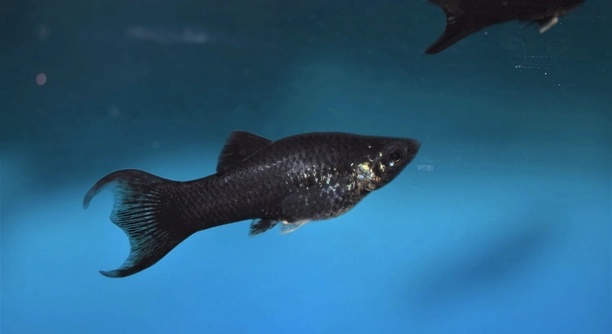
Do you love keeping Black Mollies but find yourself unsure about their care? These small, active fish need attention and a stable environment to thrive, and mistakes can easily affect their health and happiness.
Black Molly owners should avoid overfeeding, exposing fish to sudden temperature changes, neglecting water quality, mixing incompatible species, overcrowding the tank, ignoring signs of illness, and using unsafe decorations. Each of these actions can seriously compromise the wellbeing of these fish.
Learning the right care techniques will help your Black Mollies live longer, healthier lives, and create a peaceful, thriving aquarium environment for everyone involved.
Overfeeding Your Black Mollies
Overfeeding is a common mistake many Black Molly owners make. These fish have small stomachs and can easily become bloated or develop digestive issues if given too much food. Even though it is tempting to feed them frequently, they do not need excessive amounts. Feeding once or twice a day in small portions is ideal. Uneaten food can also pollute the water, leading to higher ammonia levels and unhealthy conditions for your fish. Watching how much your fish eat during each feeding helps prevent overfeeding. Adjust portions according to their appetite and remove leftovers promptly. Black Mollies thrive on a balanced diet that includes high-quality flakes, small pellets, and occasional vegetable treats. Providing the right amount of food supports their growth, coloration, and energy. Overfeeding may also reduce their lifespan, so monitoring feeding habits is essential. By controlling portions, you maintain both the fish’s health and the cleanliness of the aquarium.
Controlling food portions prevents health issues and keeps water conditions stable, ensuring your Black Mollies stay energetic and vibrant.
Proper feeding also reduces the risk of obesity and swim bladder problems. Black Mollies that are overfed often swim awkwardly or float unusually. A balanced diet supports healthy digestion and strengthens their immune system. Vegetables like blanched spinach or zucchini can be offered occasionally, but protein-rich flakes should remain the primary diet. It is important to observe each fish individually, as appetite can vary. Removing uneaten food promptly also keeps ammonia levels low, preventing toxic buildup. Consistent, moderate feeding encourages natural behavior and helps them maintain a strong, active lifestyle. Over time, controlled feeding improves their color, fin strength, and overall wellbeing. Even a small adjustment in feeding practices can make a significant difference in tank health. Understanding your fish’s needs will make maintenance easier and keep your Black Mollies thriving without complications from excess food.
Ignoring Water Quality
Poor water quality is one of the biggest risks to Black Mollies. Dirty water or inconsistent parameters can stress fish, making them more prone to disease.
Maintaining clean water involves regular testing, partial water changes, and proper filtration. Black Mollies require stable pH, hardness, and temperature to remain healthy. Sudden changes can shock them, affecting appetite and behavior. Tank size also matters; overcrowding worsens water conditions. Routine monitoring helps detect problems early and prevent illness. Using a water conditioner when adding tap water and vacuuming the substrate during changes keeps the environment safe. By keeping water parameters consistent, your Black Mollies remain active, healthy, and display their natural colors. Regular care prevents common issues like fin rot, cloudy water, and algae overgrowth, ensuring a thriving tank.
Neglecting water quality can lead to stress, disease, and even death. Regular maintenance is essential.
Black Mollies are sensitive to changes in water parameters, including pH, temperature, and hardness. A stable environment reduces stress and supports healthy growth. Testing kits should be used weekly to monitor levels and detect imbalances early. Partial water changes of twenty to thirty percent each week are recommended, and the tank filter should be cleaned regularly without removing all beneficial bacteria. Uneaten food and waste accumulate quickly, so vacuuming the substrate helps maintain cleanliness. Black Mollies also thrive in slightly alkaline water with moderate hardness, so keeping these parameters consistent is important. Temperature fluctuations can weaken their immune system, making them susceptible to infections. By maintaining optimal water conditions, you create a safe, stress-free environment that supports natural behavior, healthy reproduction, and vibrant coloration. A well-maintained tank ensures your fish live longer and reduces the risk of costly or preventable health issues.
Sudden Temperature Changes
Black Mollies are sensitive to rapid shifts in water temperature. Sudden changes can cause stress, weaken their immune system, and increase susceptibility to disease. Keeping the tank temperature consistent is essential.
Maintaining a stable temperature between 75°F and 80°F supports their metabolism and activity. Sudden drops or spikes can lead to shock, reduced appetite, and erratic swimming behavior. Using a reliable heater and thermometer helps prevent fluctuations, especially in rooms with variable temperatures. Avoid placing the tank near drafts, windows, or direct sunlight, as these can cause temperature swings. Even a few degrees of change can be stressful for Black Mollies, so gradual adjustments are necessary if the temperature must be altered. Monitoring daily ensures a consistent, safe environment, reducing the risk of illness and promoting healthy growth.
Gradual adjustments are key when correcting temperature issues. Black Mollies tolerate slow changes better than sudden ones. Regular checks improve their comfort and wellbeing, keeping the fish active and healthy.
Mixing Incompatible Species
Not all fish species can coexist peacefully with Black Mollies. Aggressive or fin-nipping species can harm them and cause stress.
Compatibility matters because Black Mollies are peaceful, social fish that thrive in calm environments. Aggressive tankmates can attack fins, chase them, or create constant stress, which weakens their immune system and leads to illness. Choosing compatible species, such as other livebearers or small peaceful fish, ensures a balanced aquarium. Observing behavior during introduction is important, as even typically compatible species can react unpredictably. Providing hiding spots and adequate space reduces conflicts and allows shy or smaller fish to retreat when needed. A carefully planned community tank encourages natural behavior, social interaction, and reduces the risk of injuries, making the tank a safe and harmonious environment for everyone.
Overcrowding the Tank
Too many Black Mollies in a single tank creates stress and poor water quality. Overcrowding limits swimming space and increases aggression among fish.
Overcrowding also leads to higher ammonia levels and reduces oxygen availability. Fish may show signs of stress, such as lethargy or loss of appetite. Maintaining appropriate stocking levels is essential for their health and activity.
Ignoring Signs of Illness
Black Mollies often hide symptoms until problems worsen. Observing subtle changes in behavior or appearance is crucial. Early detection prevents serious disease and improves recovery chances.
Using Unsafe Decorations
Sharp or rough decorations can injure Black Mollies. These fish have delicate fins that tear easily on jagged surfaces. Choosing smooth ornaments reduces injury risks.
Neglecting Regular Tank Maintenance
Routine cleaning and water changes are vital. Waste buildup can cause disease and reduce water quality, making consistent upkeep necessary.
How often should I feed my Black Mollies?
Feeding should be done once or twice a day with small portions. Overfeeding can lead to bloating, swim bladder issues, and poor water quality. Offer only what they can eat in two to three minutes and remove leftovers promptly. A balanced diet with high-quality flakes, small pellets, and occasional vegetables supports their health and natural coloration. Watching their appetite carefully ensures they are neither underfed nor overfed, promoting steady growth and energy levels. Consistent feeding routines also help maintain water cleanliness and prevent excess waste.
Can Black Mollies live with other fish?
Yes, but compatibility is key. Black Mollies are peaceful and thrive with similarly calm species. Avoid aggressive or fin-nipping fish, which can stress or injure them. Good companions include guppies, platies, or other non-aggressive livebearers. Providing hiding spots and sufficient space reduces conflicts and helps shy fish feel secure. Observe behavior when introducing new fish, as personalities vary. Proper community planning ensures a calm, harmonious tank environment, allowing Black Mollies to swim, feed, and interact naturally without stress.
What water conditions do Black Mollies need?
Black Mollies prefer slightly alkaline water with a pH between 7.0 and 8.5 and moderate hardness. Stable water temperature between 75°F and 80°F is essential. Regular testing ensures ammonia, nitrite, and nitrate levels remain low. Partial weekly water changes help maintain cleanliness and reduce stress. Avoid sudden changes in water parameters, as they can shock the fish and weaken their immune system. Using a quality filter and removing debris regularly supports a healthy tank. Proper water conditions help maintain their vibrant color, active behavior, and overall longevity.
How do I prevent disease in my Black Mollies?
Preventing disease begins with maintaining clean water and a stable environment. Avoid overcrowding and overfeeding, as both increase stress and susceptibility. Quarantining new fish before adding them to the main tank reduces the risk of introducing infections. Observe for early signs of illness, such as changes in swimming, appetite, or fin condition. Using smooth decorations and providing hiding spots also reduces injuries that can become entry points for pathogens. Consistent monitoring and proper care strengthen their immune system, ensuring Black Mollies remain healthy and active.
Why are my Black Mollies losing color?
Color loss can indicate stress, poor water quality, or insufficient nutrition. Check water parameters and perform a partial water change if needed. Ensure their diet includes protein and vegetable matter to enhance coloration. Stress from aggressive tankmates or overcrowding can also dull their colors. Maintaining a stable environment, consistent feeding, and a peaceful tank allows Black Mollies to display their natural vibrant hues. Observing their behavior and making adjustments promptly helps restore health and color over time.
Can Black Mollies tolerate brackish water?
Yes, Black Mollies can tolerate slightly brackish water. Adding a small amount of aquarium salt can mimic natural conditions and support health. Avoid sudden changes, as rapid increases in salinity can stress the fish. Monitor their behavior closely during adjustment, and maintain consistent water parameters to ensure long-term wellbeing. Brackish water may improve coloration and help prevent certain diseases, but careful management is essential to avoid harm.
How do I encourage breeding in Black Mollies?
Breeding requires a stable environment with clean water, appropriate temperature, and compatible mates. Provide dense plants or hiding spots for fry, as adults may eat them. Feed adults a nutritious diet to support reproduction. Observe mating behavior and ensure there is enough space to reduce stress. Black Mollies reproduce quickly under optimal conditions, so monitoring water quality and population density is crucial. Providing a safe environment for fry increases survival rates and helps maintain a healthy, thriving tank community.
What should I do if my Black Molly gets injured?
Treat injuries promptly to prevent infection. Isolate the injured fish in a quarantine tank if possible. Clean the tank and remove sharp decorations that may have caused the injury. Using a mild aquarium salt solution can help prevent infection and promote healing. Monitor feeding and activity to ensure recovery. Maintaining water quality and providing a stress-free environment accelerates healing. Regular observation and preventive measures reduce the likelihood of injuries recurring in the main tank.
How large should my Black Molly tank be?
A minimum of 20 gallons is recommended for a small group of Black Mollies. Larger tanks are better for multiple fish and community setups, providing ample swimming space. Overcrowding leads to stress, aggression, and poor water quality. Ensuring sufficient space reduces conflicts, encourages natural behavior, and supports long-term health. A well-planned tank allows proper filtration, plants, and decorations without limiting swimming areas. Proper stocking density ensures a healthy, vibrant, and active community for Black Mollies to thrive.
Are Black Mollies sensitive to temperature changes?
Yes, they are sensitive to sudden shifts. Rapid drops or spikes in temperature can stress them, weaken the immune system, and make them prone to illness. Use a reliable heater and monitor the temperature daily. Gradual adjustments are necessary if changes are needed. Avoid placing the tank near windows, vents, or drafts, as these can create fluctuations. Maintaining a consistent environment supports stable metabolism, energy levels, and natural behavior. Stable temperature combined with proper water care ensures overall health and longevity for your Black Mollies.
How often should I clean my Black Molly tank?
Partial water changes of 20–30% weekly are ideal. Regular cleaning prevents buildup of waste, ammonia, and nitrates, keeping the water safe. Vacuuming the substrate, cleaning decorations, and maintaining the filter support a healthy environment. Avoid overcleaning, which can remove beneficial bacteria. Consistent upkeep reduces stress and disease risk, allowing Black Mollies to remain active and colorful. Monitoring water quality daily and performing routine maintenance ensures a stable, thriving tank that supports growth and reproduction.
Black Mollies are small, active fish that can bring life and color to any aquarium. They are generally hardy, but their wellbeing depends heavily on the care they receive. Many common mistakes, such as overfeeding, poor water quality, or overcrowding, can lead to stress, illness, and shortened lifespans. Understanding their basic needs is essential to keeping them healthy and happy. This includes providing a stable environment with proper water parameters, a balanced diet, and adequate space for swimming and social interaction. Black Mollies also benefit from a peaceful community, so careful consideration of tankmates is important. By avoiding harmful practices, owners can prevent many issues before they start and create a thriving aquarium environment.
Consistent observation and maintenance are key components of successful Black Molly care. Owners should monitor behavior, appetite, and appearance regularly to detect early signs of stress or disease. Even small changes, like dull coloration, lethargy, or unusual swimming patterns, can indicate that something in the tank needs attention. Routine water testing, partial water changes, and careful cleaning help maintain safe water conditions. Decorations and tank layout should be chosen with the fish’s safety in mind, avoiding sharp or rough surfaces that can cause injuries. Temperature stability is also critical, as sudden changes can weaken their immune systems. By maintaining a consistent care routine, Black Mollies are more likely to stay active, vibrant, and healthy over time.
Preventing mistakes and providing proper care for Black Mollies is not overly complicated, but it does require attention and dedication. Feeding them in controlled portions, avoiding aggressive or incompatible tankmates, and keeping the tank clean are all simple practices that significantly improve their quality of life. Providing hiding spots and a well-organized tank helps reduce stress and encourages natural behavior. Black Mollies are social and thrive in an environment where they feel safe and unthreatened. With careful planning and observation, owners can enjoy the full benefits of keeping these lively fish. Proper care ensures they grow, reproduce successfully, and display their characteristic colors and activity, making the aquarium an enjoyable and healthy space for both the fish and the owner.

Hello,
If you enjoy the content that we create, please consider saying a "Thank You!" by leaving a tip.
Every little bit helps us continue crafting quality advice that supports the health, happiness, and well-being of pets around the world, for pets of all shapes, sizes, and species.
We really appreciate the kindness and support that you show us!