
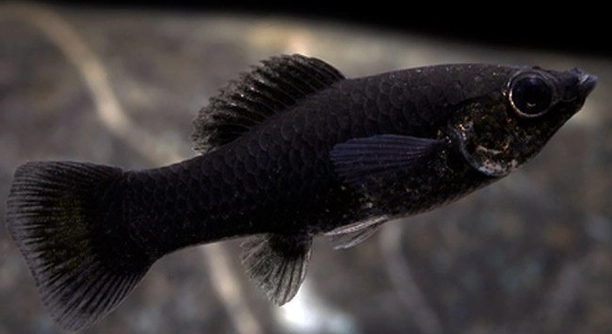
Are your black molly tanks looking dull despite your careful maintenance? Proper lighting is an essential factor in maintaining vibrant fish colors and healthy plant growth. Small adjustments can make a significant difference over time.
Optimizing lighting for black molly tanks involves providing consistent, moderate-intensity light for eight to ten hours daily. Balanced light exposure supports fish health, enhances coloration, and promotes aquatic plant growth without encouraging excessive algae development.
Proper lighting can transform your tank into a lively, visually appealing environment. The following practices will help ensure your black mollies thrive and your tank remains healthy.
Choosing the Right Light Type
Selecting the proper light type is essential for a black molly tank. LED lights are ideal because they provide consistent brightness and energy efficiency. Fluorescent lights can work, but they often produce uneven coverage and may require frequent replacement. Avoid incandescent bulbs, as they generate excess heat and can disturb water temperature. Color temperature matters too; a range between 5000K and 7000K best simulates natural daylight, helping fish maintain natural behaviors and vibrant coloration. Plants in the tank also respond better to this spectrum. Consider the layout of your tank when placing lights. Full coverage ensures no areas remain in darkness, which can stress fish and limit plant growth. Adjustable lighting systems allow gradual changes in intensity, reducing sudden brightness that can startle your mollies. Investing in the right fixture improves long-term tank health and reduces maintenance hassles.
Proper LED or fluorescent lighting improves fish health, plant growth, and tank appearance without adding extra heat or uneven light patterns.
A well-chosen light type directly affects both fish and plants. Mollies are sensitive to fluctuations in light intensity, which can cause stress, fading colors, and irregular behavior. Plants benefit from steady lighting for photosynthesis, helping them grow strong and support oxygen levels in the water. Placement is crucial—lights should evenly cover the tank surface. Adjustable systems allow a natural rise and fall of brightness throughout the day. Using the correct color spectrum enhances fish appearance and simulates natural conditions, contributing to long-term wellbeing. Over time, this reduces algae buildup because healthy plants compete with algae for nutrients, making maintenance easier. By investing in proper lighting from the start, the tank becomes a balanced ecosystem that supports black mollies’ needs while minimizing unnecessary interventions.
Duration and Timing of Light
Maintaining consistent light duration is key for black mollies. Most tanks benefit from eight to ten hours of light daily.
Setting a fixed lighting schedule prevents stress and supports natural behaviors. Using a timer ensures consistency without daily monitoring.
Gradually increasing light in the morning and dimming in the evening mimics natural sunrise and sunset, helping fish regulate sleep and activity. Sudden changes in light can startle mollies and trigger erratic behavior. Consistent timing also encourages plants to photosynthesize efficiently, supporting oxygen levels and water quality. Avoid leaving lights on overnight, which can promote algae growth and disrupt fish routines. Combining proper duration with a balanced spectrum maximizes tank health. A timer not only simplifies management but also creates a stable environment, reducing stress and improving overall vitality. Consistency in light timing ensures black mollies remain active, colorful, and healthy while plants thrive, creating a visually appealing and sustainable tank ecosystem.
Positioning Your Lights
Light placement directly affects how well your black mollies and plants thrive. Position lights evenly over the tank to avoid dark spots. Keep them high enough to prevent overheating but close enough for proper illumination. Adjust placement as the tank matures.
Even light distribution ensures all areas of the tank receive adequate brightness. Fish are less stressed when no corners are in complete shadow, and plants grow uniformly. Avoid placing lights too close to the water surface, which can overheat and damage aquatic life. Consider reflective hoods to maximize light efficiency without increasing intensity. Monitoring light position periodically helps maintain a stable environment. Over time, repositioning may be needed as plants grow or new decorations are added. Proper placement balances aesthetics with health, keeping mollies vibrant and active while promoting plant development.
Shadows and uneven lighting can lead to algae buildup and fish stress. Ensuring lights are balanced across the tank reduces these problems. Consistent monitoring allows small adjustments, supporting long-term tank health and maintaining visual appeal.
Using Timers for Consistency
Timers provide reliable, automated lighting schedules, reducing human error and promoting stability. They prevent lights from being left on too long or turned off too early.
A timer ensures consistent daily light periods, which helps regulate mollies’ sleep and activity cycles. Consistent lighting reduces stress, encourages natural behaviors, and supports plant growth. Overexposure can lead to algae problems, while insufficient light weakens plants and dulls fish colors. Automated schedules simplify maintenance, eliminate guesswork, and maintain environmental balance without constant manual adjustment. Using a timer also allows for gradual transitions, mimicking sunrise and sunset, which mollies respond to positively. Gradual changes prevent sudden flashes that can startle fish or disrupt their daily routines. Overall, timers create a reliable, stress-free system for tank management.
Timers are especially helpful when life gets busy, ensuring consistent care. Combining proper duration with automation improves fish health, enhances plant growth, and maintains tank aesthetics efficiently.
Avoiding Excessive Brightness
Excessive brightness can stress black mollies and promote algae growth. Keep light intensity moderate and avoid placing lights too close to the water surface. Monitor fish behavior for signs of discomfort.
Using dimmable lights or adjustable fixtures helps control intensity. Gradual increases prevent sudden stress while maintaining healthy plant growth.
Incorporating Natural Light
Indirect natural sunlight can complement artificial lighting but should be carefully managed. Direct sunlight may overheat the tank and trigger algae blooms. Position the tank away from windows or use curtains to filter sunlight effectively, balancing natural and artificial sources.
Light Spectrum Considerations
Choosing the right light spectrum is essential for both fish coloration and plant health. A spectrum mimicking daylight (5000K–7000K) enhances black mollies’ natural colors and supports photosynthesis. Avoid overly blue or red lights, which may disrupt tank balance and reduce visual appeal.
Monitoring Algae Growth
Regularly observe the tank for algae. Early detection allows simple cleaning and prevents it from overtaking plants or decorations. Maintaining proper lighting and consistent schedules reduces algae problems over time.
FAQ
How long should lights be on for black molly tanks?
Lights should remain on for eight to ten hours daily. This range provides enough illumination for plant growth and helps maintain fish health without promoting excessive algae. Using a timer ensures consistency and reduces stress caused by irregular light exposure.
Can black mollies live with only natural sunlight?
Natural sunlight alone is not recommended. While indirect sunlight can help, it is difficult to control intensity and duration. Direct sunlight may overheat the tank or trigger algae blooms. Artificial lighting provides a consistent spectrum and intensity that better supports mollies and plants.
What type of light is best for black molly tanks?
LED lights are ideal due to energy efficiency, low heat output, and consistent brightness. Fluorescent lights can work but may produce uneven coverage and require more frequent replacement. Avoid incandescent bulbs, as they generate excessive heat and can harm fish.
Is it necessary to use a timer for lighting?
Yes, timers simplify maintaining consistent light schedules. Black mollies respond well to regular patterns, which reduce stress and encourage natural behaviors. Timers also prevent accidental overexposure or insufficient lighting, supporting plant growth and overall tank health.
What color spectrum works best?
A spectrum between 5000K and 7000K closely mimics natural daylight. This range enhances fish coloration and promotes healthy plant growth. Overly blue or red lights can disrupt visual balance and may stress the fish or reduce photosynthesis efficiency.
Can lighting affect algae growth?
Yes, excessive or prolonged light encourages algae proliferation. Maintaining moderate intensity and a consistent schedule minimizes algae while still supporting fish and plant health. Proper tank placement and avoiding direct sunlight further reduce algae risk.
Should light intensity be adjusted over time?
Yes, adjusting light intensity gradually helps prevent stress to fish. Dimmable or adjustable fixtures allow you to respond to plant growth or tank layout changes while maintaining balanced lighting. Sudden changes can startle mollies and impact their behavior.
Is indirect natural sunlight helpful?
Indirect sunlight can supplement artificial lighting but should not replace it. Ensure sunlight does not directly hit the tank to avoid overheating or rapid algae growth. Balancing both sources can enhance the visual appeal of your tank.
How do I know if my mollies are stressed by lighting?
Signs of stress include hiding, erratic swimming, faded colors, and reduced feeding. Consistent, moderate lighting and gradual adjustments can alleviate stress. Monitoring fish behavior regularly helps ensure their environment remains suitable.
Can lighting improve fish coloration?
Yes, proper spectrum and intensity bring out natural colors in black mollies. Consistent daylight-like lighting enhances pigmentation, making their black tones appear deeper and more vibrant. Combining this with proper nutrition and water quality maximizes the effect.
How often should I check my lighting setup?
Regular inspection is important. Check bulb condition, fixture placement, and timer settings weekly. Replace old or dimming bulbs promptly, and adjust placement as plants grow to ensure even coverage and optimal tank health.
Is too much light harmful to black mollies?
Yes, excessive light can increase stress and aggression, reduce feeding, and accelerate algae growth. Keeping light duration and intensity moderate is essential for maintaining a stable, healthy tank environment.
Can different types of lighting be combined?
Yes, combining LED and indirect natural light can enhance appearance and plant growth. Ensure total intensity remains moderate and timing is controlled with a timer to prevent algae overgrowth and stress to fish.
How does lighting affect plant growth in molly tanks?
Proper lighting supports photosynthesis, encouraging healthy, strong plants. This, in turn, stabilizes oxygen levels and provides hiding spots for fish. Consistent light schedules prevent weak or leggy plant growth and help maintain overall tank balance.
What is the easiest way to prevent algae problems?
Maintain consistent light duration, moderate intensity, and avoid direct sunlight. Healthy plants compete with algae for nutrients, and regular tank maintenance, including cleaning and water changes, further reduces algae buildup.
Can changing light spectrum suddenly harm the fish?
Yes, abrupt changes in spectrum or intensity can stress mollies. Gradual transitions are important, either through dimmable lights or phased timers, to allow fish to adjust and maintain normal behavior.
Do all black mollies require the same lighting?
Most black mollies benefit from similar lighting setups, but tank size, plant density, and decoration layout may require minor adjustments. Monitor behavior and plant growth to determine optimal settings for your specific tank.
Is it okay to leave lights on overnight?
No, leaving lights on continuously disrupts natural sleep cycles and promotes algae growth. A set schedule with an automatic timer ensures a proper day-night cycle, supporting both fish and plant health.
How can I gradually increase light intensity for new tanks?
Start with lower intensity for the first week, then incrementally raise it over several days. This allows fish to adapt, reduces stress, and encourages gradual plant acclimation, avoiding sudden environmental shock.
What should I do if algae starts appearing despite proper lighting?
Check nutrient levels, adjust light duration, and ensure water changes are consistent. Adding live plants and cleaning decorations can help algae control while maintaining healthy conditions for mollies.
Can lighting alone keep black mollies healthy?
Lighting is crucial but must be combined with proper diet, clean water, and a balanced environment. Good lighting enhances color and plant growth but cannot replace other essential care factors needed for mollies to thrive.
How often should I replace LED or fluorescent bulbs?
LEDs typically last several years, while fluorescent bulbs need replacement every 12–18 months. Dimming or color changes indicate reduced efficiency. Replacing bulbs on schedule ensures consistent spectrum and intensity for fish and plants.
Is there a difference between morning and evening lighting?
Gradually increasing light in the morning and dimming in the evening mimics natural conditions. This supports mollies’ daily activity patterns and helps reduce stress caused by sudden light changes or prolonged exposure.
Can lighting affect breeding in black mollies?
Yes, proper lighting encourages natural behaviors, including mating and foraging. Stable light cycles reduce stress and help mollies feel secure, which can improve reproductive activity and increase fry survival rates.
What is the ideal light setup for planted black molly tanks?
A full-spectrum LED light covering the entire tank evenly, combined with eight to ten hours of controlled daily light, ensures plants grow efficiently and mollies maintain vibrant coloration. Adjustable fixtures allow flexibility as the tank evolves.
How do I prevent shadows from affecting fish behavior?
Position lights to cover all areas evenly. Reflective hoods or multiple fixtures help eliminate dark spots. Mollies feel more secure in well-lit environments, reducing hiding and improving overall activity.
Are timers enough to manage light for black mollies?
Timers handle duration but do not adjust intensity or spectrum. Combining timers with proper fixtures and placement ensures consistent, safe lighting that supports fish, plants, and algae management.
Can lighting stress fry differently than adult mollies?
Yes, fry are more sensitive to light intensity and sudden changes. Gradual increases and indirect lighting help fry adapt safely while supporting their development without causing stress or hiding behavior.
How important is the color rendering index (CRI)?
CRI measures how accurately colors appear under a light source. High CRI lights (80+) make black mollies’ colors appear more natural and vibrant while improving the visual appearance of plants and decorations.
What maintenance is required for lights in molly tanks?
Regularly clean fixtures to prevent dust or water spots from reducing intensity. Check for dimming bulbs, ensure timers are functional, and reposition lights as plants grow to maintain consistent coverage and tank health.
Can improper lighting cause health problems?
Yes, stress from poor lighting can reduce immunity, cause color fading, and lead to erratic behavior. Maintaining proper intensity, spectrum, and timing is essential for keeping black mollies healthy and active.
How can I combine aesthetic appeal with proper lighting?
Choose fixtures that evenly illuminate the tank without harsh glare. Combining full-spectrum LEDs with gentle natural light enhances colors, supports plant growth, and creates a visually balanced, healthy environment.
Is it better to increase duration or intensity for plant growth?
Moderate intensity with consistent duration is preferable. Overly bright light for shorter periods may stress fish and encourage algae, while moderate light over eight to ten hours promotes both plant growth and fish wellbeing.
Can lighting influence behavior in black mollies?
Yes, proper lighting encourages natural swimming, foraging, and interaction. Consistent, moderate illumination reduces hiding, promotes activity, and helps maintain predictable daily routines for both adults and fry.
Are there signs my tank needs more light?
Slow plant growth, leggy stems, pale leaves, or fading fish colors indicate insufficient light. Adjust intensity or duration gradually to meet the tank’s needs without causing stress or algae overgrowth.
Does the type of substrate affect lighting needs?
Yes, darker substrates absorb light and may require slightly higher intensity, while reflective or light-colored substrates can make the tank appear brighter. Balance lighting to ensure even coverage for fish and plants.
Is seasonal adjustment of lighting necessary?
Yes, in rooms with significant seasonal sunlight changes, adjust artificial light duration to maintain a consistent eight to ten-hour schedule. This prevents stress, algae spikes, and plant growth fluctuations.
Can lighting prevent aggression in black mollies?
Indirectly, yes. Proper, evenly distributed lighting reduces shadows and stress, minimizing hiding and territorial disputes. A stable, predictable environment promotes calmer interactions among tank inhabitants.
How do I combine lighting with CO2 or fertilizers for plants?
Ensure lighting duration and intensity match nutrient availability. High light without sufficient nutrients can cause deficiencies, while balanced lighting enhances photosynthesis, allowing fertilizers or CO2 systems to work effectively.
Are there signs of overexposure to light?
Algae overgrowth, faded fish colors, hiding, and erratic swimming indicate excessive light. Adjust intensity, reduce duration, or add plants that compete with algae to restore balance.
What is the safest way to transition lighting in a new tank?
Start with low intensity for a few days, gradually increasing to full strength over one to two weeks. This helps fish and plants adapt without stress or shock, establishing a stable environment.
Can I use colored lights in black molly tanks?
Occasionally, but avoid long-term use. Colored lights may look appealing but can stress fish, reduce plant efficiency, and distort natural coloration. Use primarily full-spectrum lighting for health and appearance.
How do I balance aesthetics and fish comfort?
Even, moderate light intensity with a natural spectrum supports fish health while enhancing visual appeal. Adjust fixture placement and avoid direct glare for a visually pleasing, safe environment.
Are LED lights always better than fluorescent for black mollies?
Generally, yes. LEDs last longer, produce less heat, and allow adjustable intensity and spectrum. Fluorescent lights can work but may dim unevenly and require frequent replacement, affecting consistency.
Can lighting influence water temperature?
Strong incandescent or improperly placed lights can raise water temperature. LED and fluorescent fixtures produce minimal heat, making them safer for maintaining a stable aquatic environment.
How often should lighting schedules be reviewed?
Review schedules monthly to account for plant growth, tank changes, or seasonal sunlight shifts. Regular checks ensure consistent light exposure and a stable, healthy environment for mollies and plants.
Do lights need to be cleaned regularly?
Yes, dust or water buildup reduces intensity and coverage. Clean fixtures and covers every few weeks to maintain proper lighting and prevent uneven distribution, ensuring a healthy tank environment.
Can lighting affect feeding behavior?
Yes, consistent lighting helps mollies anticipate feeding times, promoting normal appetite and activity. Sudden darkness or excessive brightness may cause hiding or reduced feeding.
Is there a benefit to dimming lights gradually at night?
Yes, gradual dimming mimics sunset, reducing stress and supporting natural sleep cycles. Sudden lights-off can startle fish and disrupt their routine, affecting behavior and health.
How does plant density affect lighting needs?
Dense plants may shade areas, requiring slightly higher intensity or additional fixtures. Proper placement ensures even light reaches all plants and avoids shadowed spots that may hinder growth or stress fish.
Can lighting schedules help prevent nocturnal algae growth?
Yes, consistent day-night cycles limit prolonged light exposure that encourages algae. Turning off lights at night and avoiding overnight illumination keeps algae growth manageable.
What is the easiest way to test if lighting is sufficient?
Observe plant growth, fish coloration, and behavior. Healthy, active mollies and strong, vibrant plants indicate proper lighting. Adjust intensity or duration gradually if signs of stress or poor growth appear.
Does water clarity influence lighting effectiveness?
Yes, murky or dirty water reduces light penetration, affecting plant photosynthesis and fish visibility. Regular water changes and filtration maintain clarity, ensuring lighting works efficiently throughout the tank.
Can artificial moonlight be used in black molly tanks?
Occasionally, yes. Low-intensity blue or white lights for brief periods at night can mimic moonlight without disturbing sleep. Keep intensity minimal to prevent stress or algae growth.
How do I maintain lighting for a planted molly tank over time?
Clean fixtures, replace aging bulbs, monitor plant growth, and adjust intensity or duration as needed. Combine timers, proper spectrum, and consistent schedules to ensure long-term success.
What is the recommended distance from light to water surface?
Maintain 6–12 inches for most LED or fluorescent fixtures. This ensures adequate coverage without overheating, overexposing fish, or reducing light efficiency for plants.
Can lighting changes trigger breeding?
Yes, stable, consistent light cycles support natural behavior, including spawning. Mimicking natural sunrise and sunset helps mollies feel secure, increasing the likelihood of breeding activity.
Are reflections from tank surfaces a concern?
Excess reflections can confuse or stress fish. Position lights to minimize glare and avoid creating sharp contrasts or mirror-like surfaces that may cause erratic swimming.
How does lighting interact with water filtration?
Indirectly, good lighting supports plant growth, which stabilizes oxygen and nutrient levels, complementing filtration. Balanced lighting and filtration maintain a stable, healthy environment for black mollies.
What is the safest spectrum for fry?
Use gentle full-spectrum lighting similar to adults but avoid intense brightness. Gradually increase intensity as fry grow to support development while reducing stress.
Can lighting influence territorial behavior?
Yes, poorly lit or uneven areas encourage hiding and territorial disputes. Even, moderate lighting reduces shadows and stress, promoting calmer interactions among tank inhabitants.
Does lighting need to change with tank decorations?
Yes, tall plants, rocks, or ornaments can create shaded areas. Adjust fixture placement or intensity to ensure all areas receive adequate light without stressing fish or hindering plant growth.
Is supplemental lighting necessary for deep tanks?
Yes, deeper tanks require stronger or multiple light sources to ensure even coverage. LED arrays or adjustable fixtures help maintain consistent illumination from top to bottom, supporting fish and plant health.
How can I track lighting effectiveness over time?
Monitor fish coloration, behavior, and plant growth regularly. Note changes in algae, dimming bulbs, or shadowed areas. Adjust intensity, duration, or placement to maintain a stable, healthy environment.
Are there benefits to programmable lighting systems?
Yes, programmable systems allow gradual sunrise and sunset simulation, multiple intensity settings, and precise timing. This creates a stable environment, reduces stress, and improves both fish and plant health.
Can lighting affect water chemistry?
Indirectly, yes. Strong light promotes plant growth, which influences oxygen and CO2 levels. Excessive light can accelerate algae growth, affecting nutrient balance and water quality.
Is it better to underlight or overlight a black molly tank?
Underlighting is safer than overlighting. Insufficient light may slow plant growth but avoids stress and algae issues. Overlighting can harm fish, promote algae, and disrupt the tank ecosystem.
How do I gradually adjust lighting for seasonal changes?
Increase or decrease duration by 15–30 minutes each week to mimic natural seasonal shifts. Gradual changes prevent stress and maintain consistent tank conditions for fish and plants.
Can uneven lighting affect breeding success?
Yes, inconsistent light can stress mollies, reducing mating behaviors and fry survival. Balanced, even lighting encourages natural patterns and improves reproductive success.
Are specialized aquarium lights worth the cost?
Yes, high-quality aquarium lights provide consistent spectrum, intensity, and energy efficiency. They support fish health, plant growth, and reduce algae, making them a worthwhile long-term investment.
Does lighting affect fish metabolism?
Indirectly, yes. Proper light schedules regulate activity and feeding patterns, supporting digestion and overall metabolism. Sudden changes can cause stress and reduce feeding efficiency.
Can low light harm black mollies?
Prolonged low light can cause faded colors, stress, and reduced plant growth. Maintaining moderate, consistent lighting ensures mollies remain healthy and visually vibrant.
How do I balance aesthetics and functionality?
Choose full-spectrum, adjustable lights that evenly illuminate the tank. Positioning and fixture choice can enhance appearance while maintaining optimal conditions for fish and plants.
Should I adjust lighting for different tank sizes?
Yes, larger or taller tanks require stronger or multiple light sources to achieve even coverage. Smaller tanks may need only one fixture at moderate intensity.
Can lighting affect water temperature fluctuations?
Strong lights can slightly increase water temperature, especially in smaller tanks. LEDs produce minimal heat, reducing this risk and maintaining stable conditions.
Is it necessary to measure light intensity?
Measuring intensity ensures plants receive enough light without stressing fish. Tools like PAR meters can help, but observing plant growth and fish behavior is often sufficient for most setups.
Can lighting changes improve tank aesthetics immediately?
Yes, adjusting spectrum, intensity, or placement can enhance fish coloration and highlight plants, creating a more visually appealing environment without additional equipment or decorations.
How important is light placement relative to plants?
Direct, even coverage ensures all plants photosynthesize effectively. Poor placement can create shaded areas, reducing growth and affecting overall tank balance.
Are long-term lighting adjustments needed as mollies age?
Yes, older mollies may respond differently to light intensity. Adjust gradually to maintain comfort, coloration, and behavior, supporting long-term health.
Does lighting affect territorial behavior in fry?
Yes, consistent, moderate light reduces stress and hiding among fry. Proper coverage ensures young fish feel secure while learning to interact with their environment.
What are signs of too little light in a planted molly tank?
Weak, leggy plants, pale leaves, reduced growth, and fading fish colors indicate insufficient light. Gradually increasing intensity or duration can correct this without stressing the tank.
Can lighting changes help reduce aggressive behavior?
Yes, balanced, even lighting reduces shadows and stress, limiting hiding and territorial disputes. Stable conditions encourage calmer interactions among mollies.
Is it safe to use RGB or decorative lights long-term?
No, these lights can stress fish and hinder plant growth if used as the primary source. Limit use to brief decorative effects while maintaining full-spectrum lighting for health.
**How does light intensity affect plant
Final Thoughts
Lighting is one of the most important factors in keeping black molly tanks healthy and visually appealing. Proper illumination supports not only the growth of aquatic plants but also the wellbeing of the fish. Consistent light exposure helps mollies maintain their natural behaviors, coloration, and activity patterns. It also ensures that plants can photosynthesize efficiently, contributing to stable oxygen levels and a balanced aquatic environment. Over time, investing in the right lighting setup reduces common problems such as stress, faded colors, and algae overgrowth, making tank maintenance easier and more predictable. Paying attention to light type, spectrum, intensity, and duration can prevent many issues that often arise in home aquariums, keeping your tank looking vibrant and healthy.
Consistency and balance are essential when managing light in a black molly tank. Using timers ensures that lights turn on and off at regular intervals, mimicking natural day and night cycles. Gradual adjustments in intensity, rather than sudden changes, help mollies adapt without stress. The placement of lights matters just as much as the type of fixture used. Even distribution prevents dark corners that can increase hiding behavior or promote algae. Regular monitoring of both fish and plants allows small adjustments that maintain an optimal environment. Combining artificial lighting with controlled amounts of indirect natural sunlight can enhance aesthetics and support plant growth, but care must be taken to avoid overheating or sudden bursts of brightness. Every tank is slightly different, so observing how your mollies respond is the best way to fine-tune your setup.
Long-term maintenance and observation are key to a successful black molly tank. Lights should be cleaned periodically, and bulbs or fixtures should be replaced as they age to ensure consistent intensity and spectrum. Monitoring plant growth, fish coloration, and behavior will indicate whether lighting adjustments are needed. Keeping light duration moderate and intensity balanced prevents excessive algae growth, while gradual changes mimic natural conditions, reducing stress for the fish. By maintaining proper lighting practices, your black mollies can thrive in a stable, healthy, and attractive environment. This careful attention to lighting not only supports the ecosystem within the tank but also enhances the enjoyment of watching your fish swim actively, interact naturally, and display their full coloration, making the effort worthwhile for both fish and tank keeper alike.

Hello,
If you enjoy the content that we create, please consider saying a "Thank You!" by leaving a tip.
Every little bit helps us continue crafting quality advice that supports the health, happiness, and well-being of pets around the world, for pets of all shapes, sizes, and species.
We really appreciate the kindness and support that you show us!