
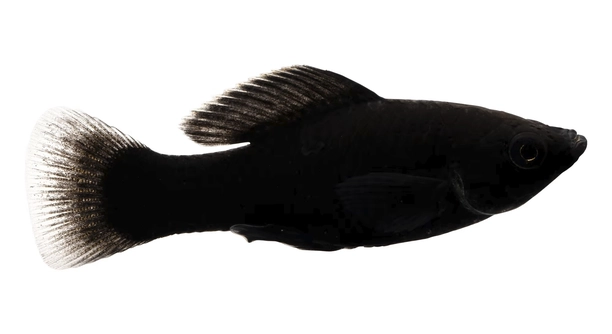
Keeping Black Mollies healthy takes more than just feeding them. Their environment, diet, and daily care all play a role in ensuring they thrive. Small changes in routine can make a big difference in their overall well-being.
Maintaining Black Mollies’ health requires consistent attention to water quality, proper nutrition, suitable tank conditions, and social interactions. Regular monitoring and preventive care significantly reduce stress, disease risk, and mortality, promoting longevity and vibrant, active behavior in these freshwater fish.
By adopting simple daily habits, you can create a stable and supportive environment for your Black Molly to flourish. These adjustments ensure they remain active, healthy, and visually striking.
Provide a Balanced Diet
A healthy Black Molly starts with proper nutrition. They need a mix of high-quality flake or pellet food, along with occasional live or frozen options like brine shrimp or bloodworms. Vegetables such as zucchini, spinach, and peas can supplement their diet, providing essential vitamins and fiber. Avoid overfeeding, as excess food can pollute the tank and lead to health problems. Feeding small amounts two to three times a day ensures they get the nutrients they need without causing water quality issues. Observe your mollies during feeding to confirm each fish is eating adequately. Healthy eating habits not only support growth but also enhance coloration and immune function. Rotating their diet helps prevent nutritional deficiencies and keeps them active and alert. Over time, you’ll notice stronger, more vibrant fish that respond better to their environment and show fewer signs of stress. Consistency in diet is key to long-term health.
A varied diet helps Black Mollies grow stronger and reduces the risk of disease.
Feeding routines and proper portion control are crucial. By monitoring their intake and providing fresh, nutritious foods, you create a stable foundation for your mollies to thrive. Offering occasional treats while keeping their main diet balanced prevents boredom and supports natural behaviors. Regularly adjusting the diet as they grow ensures they maintain optimal health and energy.
Maintain Clean Water Conditions
Keeping water clean is essential for Black Mollies. Frequent water changes, typically 25-30% weekly, help remove waste and toxins. Monitoring temperature, pH, and hardness creates a stable environment.
Dirty water causes stress, illness, and shorter lifespans in mollies. Maintaining optimal conditions prevents infections and promotes vibrant activity.
Filtration is crucial for maintaining water clarity and removing harmful chemicals. A gentle current suits their swimming style, while heaters ensure consistent temperatures. Testing water regularly for ammonia, nitrite, and nitrate levels prevents sudden imbalances. Removing uneaten food and debris reduces bacterial growth, lowering the risk of fin rot or other infections. Plants and hiding spots provide natural filtration and reduce stress, while proper lighting supports their daily cycle. Combining mechanical, chemical, and biological filtration methods ensures the tank stays healthy. Observing fish behavior also helps detect early signs of water-related issues, allowing quick corrective actions. Consistent maintenance builds a reliable environment where Black Mollies can flourish.
Monitor Tank Temperature
Black Mollies thrive in stable temperatures between 75°F and 82°F. Sudden fluctuations can stress them, weaken their immune system, and increase susceptibility to disease.
Using a reliable heater and thermometer ensures consistent conditions. Check the temperature daily and adjust the heater as needed. Avoid placing the tank near windows or vents where drafts or sunlight may cause rapid changes. Consistency keeps mollies active and supports proper digestion, growth, and coloration. When the tank remains within the ideal range, fish show calmer behavior, better swimming patterns, and fewer signs of stress. Gradual adjustments are important if temperature changes are required.
Maintaining a steady environment also involves monitoring room temperature and avoiding devices that can overheat or cool the tank. Combine this with proper filtration to stabilize the water, helping mollies thrive. Proper lighting, combined with temperature control, reinforces natural rhythms, contributing to their overall health and energy levels. Regular observation allows early detection of unusual behavior linked to temperature issues.
Encourage Social Interaction
Black Mollies are social fish that do best in small groups of three or more. Isolation can lead to stress and decreased activity.
Group living reduces aggression and promotes natural behaviors. Keeping mollies with compatible species ensures a peaceful tank environment. Observe interactions to prevent bullying or overcrowding, as stressed fish may hide or lose color. Social engagement encourages exploration, feeding activity, and more dynamic swimming patterns. Proper group size also supports breeding behaviors in healthy adults, allowing them to interact naturally. A balanced male-to-female ratio prevents dominance issues while keeping the group harmonious and active. Social stimulation enhances overall well-being and longevity.
Provide Hiding Spots
Black Mollies feel safer with places to hide. Plants, rocks, or decorations give them security and reduce stress.
Hiding spots also help timid or new fish adjust to the tank. A well-structured environment supports natural behavior and encourages exploration.
Maintain Proper pH Levels
Black Mollies thrive in slightly alkaline water, ideally with a pH between 7.5 and 8.5. Regular testing ensures the levels remain stable, preventing stress and illness. Adjustments using safe buffers should be gradual to avoid shocking the fish.
Observe for Signs of Illness
Regularly watching your Black Mollies helps catch health issues early. Look for changes in color, appetite, or swimming patterns. Prompt attention prevents minor problems from becoming serious.
FAQ
How often should I feed my Black Mollies?
Feeding should occur two to three times daily in small portions. Overfeeding can foul the water, so it’s important to give only what they can consume in a few minutes. Supplementing their diet with occasional vegetables or live foods helps keep them healthy and active.
What water temperature is best for Black Mollies?
Maintain a consistent temperature between 75°F and 82°F. Sudden changes can stress the fish and weaken their immune system. Use a reliable heater and thermometer, and avoid placing the tank near drafts, windows, or heating vents. Gradual adjustments are safest if changes are needed.
What tank size is suitable for Black Mollies?
A minimum of 20 gallons is recommended for a small group. Larger tanks provide more swimming space, better water quality, and reduce territorial aggression. Ensure adequate filtration and space for decorations and plants without overcrowding the fish.
How do I prevent disease in Black Mollies?
Regular water changes, proper filtration, and a balanced diet are essential. Quarantine new fish before introducing them to the tank. Observe for unusual behavior, spots, or frayed fins, and address problems promptly. Maintaining stable water parameters prevents stress-related illnesses.
Can Black Mollies live with other fish?
Yes, they are generally peaceful but should be kept with compatible species. Avoid aggressive or fin-nipping fish. Small community fish like guppies or platies are suitable companions. Monitor group interactions to prevent bullying or stress within the tank.
How important are hiding spots?
Hiding spots reduce stress and help timid fish feel secure. Live plants, rocks, or decorations give them areas to retreat. This encourages natural behavior, prevents conflict, and supports overall well-being.
How do I know if my Black Molly is stressed?
Signs of stress include clamped fins, erratic swimming, loss of color, or hiding excessively. Poor water quality, improper temperature, overcrowding, or aggressive tankmates are common causes. Addressing the source quickly restores health.
How often should I test water parameters?
Testing at least once a week for pH, ammonia, nitrite, and nitrate levels is recommended. Consistent monitoring helps maintain stability and prevents illness. Adjustments should be gradual to avoid shocking the fish.
Do Black Mollies need a specific diet for coloration?
Yes, a varied diet including high-quality flakes, pellets, and occasional live or frozen foods enhances color. Vegetables like spinach and zucchini provide nutrients that support vibrant scales and overall health. Avoid feeding only one type of food.
Can Black Mollies breed in a home tank?
They can, if kept in groups with a balanced male-to-female ratio. Females give live birth, and providing hiding spots for fry increases survival. Frequent water changes and a healthy diet improve reproductive success.
What is the best way to introduce new Black Mollies to my tank?
Quarantine new fish for at least two weeks before adding them to the main tank. This prevents introducing disease. Acclimate them slowly to match the water temperature and chemistry, reducing stress and improving survival rates.
How often should I clean the tank?
Perform partial water changes weekly, removing 25-30% of the water. Clean substrate and decorations as needed without disturbing beneficial bacteria. Maintain filters and remove uneaten food to keep water quality high and fish healthy.
What plants are safe for Black Mollies?
Live plants like Java moss, hornwort, and Anubias are suitable. They provide hiding spots, help with filtration, and enrich the environment. Avoid delicate or slow-growing plants that may be nibbled excessively.
Can Black Mollies live in brackish water?
Yes, they tolerate slightly brackish conditions. Adding a small amount of aquarium salt can mimic natural habitats and improve health. Ensure the concentration is low and stable, as sudden changes can stress the fish.
How do I handle aggression in a Black Molly tank?
Maintain proper group size and balanced male-to-female ratios. Provide hiding spots and enough swimming space. Remove overly aggressive individuals if needed. Keeping the environment enriched with plants and decorations reduces conflict.
What signs indicate water quality issues?
Cloudy water, strong odor, algae overgrowth, or fish gasping at the surface indicate poor water quality. Immediate testing and partial water changes restore a safe environment. Proper filtration and consistent maintenance prevent recurring problems.
Are Black Mollies sensitive to lighting?
Moderate lighting is best. Too much can stress them, while too little reduces plant growth. Maintain a consistent day-night cycle to support natural rhythms, coloration, and activity. Adjust lighting gradually if changing intensity or duration.
Can I use tap water for Black Mollies?
Tap water is acceptable if treated to remove chlorine and chloramines. Using a water conditioner ensures safety. Regular testing and adjustments maintain stable parameters for optimal health and growth.
How do I improve swimming activity in Black Mollies?
Provide ample open space, maintain clean water, and keep temperatures stable. Social groups encourage interaction and movement. Rotate plants or decorations occasionally to stimulate exploration and natural behavior.
What is the lifespan of a Black Molly?
With proper care, they live three to five years. Balanced diet, stable water conditions, and regular monitoring contribute to longevity. Healthy social groups and a stress-free environment further enhance lifespan.
How do I prevent fin damage?
Avoid overcrowding and aggressive tankmates. Maintain clean water and provide hiding spots. Sharp decorations or poor-quality filters can also cause injury. Regular observation ensures early detection of fin problems and allows prompt intervention.
Can I keep Black Mollies in a planted tank?
Yes, they thrive in planted tanks. Plants provide hiding spaces, reduce stress, and contribute to water quality. Use hardy species that tolerate nibbling and ensure enough open swimming areas. Balance plant density with free space.
What is the ideal group size for Black Mollies?
A minimum of three is recommended, but five to six is ideal. Larger groups promote social behavior, reduce stress, and prevent bullying. Balanced male-to-female ratios support harmony and natural interactions.
How do I recognize healthy Black Mollies?
Active swimming, bright coloration, and smooth fins indicate good health. Regular eating habits, responsive behavior, and curiosity about their environment are also positive signs. Consistent care helps maintain these traits over time.
How often should I replace filter media?
Replace mechanical and chemical media as recommended by the manufacturer, usually monthly. Biological media should be rinsed gently in tank water to preserve beneficial bacteria. Proper maintenance ensures effective filtration and stable water conditions.
Can Black Mollies tolerate different hardness levels?
Yes, they prefer moderately hard water but are adaptable. Consistent hardness supports osmoregulation and overall health. Sudden shifts can cause stress, so any adjustments should be gradual.
Are there specific signs of overfeeding?
Uneaten food, cloudy water, lethargy, and bloating indicate overfeeding. Remove excess food promptly and reduce portion sizes. Feeding smaller amounts more frequently prevents water quality issues and digestive problems.
How do I encourage breeding without stressing the fish?
Provide a stable environment, balanced diet, and plenty of hiding spots for fry. Avoid overcrowding and maintain water quality. Gradual acclimation of new tankmates and minimal disturbance during breeding reduces stress and improves survival rates.
What are common parasites or infections in Black Mollies?
Ich, fin rot, and fungal infections are common. Quarantine new fish, maintain water quality, and observe for early signs like white spots, frayed fins, or lethargy. Prompt treatment ensures recovery and prevents spreading.
Can I use decorations made of any material?
Avoid sharp or rough decorations that can injure fins. Smooth rocks, ceramic, or resin ornaments are safe. Natural decorations like driftwood and live plants enhance the environment without causing harm.
How important is regular observation?
Daily monitoring helps detect early signs of illness, stress, or environmental issues. Noticing changes in behavior or appearance allows quick corrective action, ensuring long-term health and well-being.
Should I change the entire tank water at once?
No, partial water changes of 25-30% weekly are safer. Full changes can shock fish and disrupt beneficial bacteria. Consistent partial changes maintain water quality without causing stress.
Can Black Mollies live with snails or shrimp?
Yes, they generally coexist peacefully with non-aggressive invertebrates. Avoid species that compete for food or could be eaten. Observing interactions ensures a balanced and safe environment for all tank inhabitants.
How do I acclimate new Black Mollies?
Float the bag in the tank for 15-20 minutes, gradually mixing tank water into the bag. Slowly releasing fish reduces stress and helps them adjust to water parameters. Quarantine before introduction prevents disease transmission.
What is the best way to treat minor injuries?
Isolate injured fish in a hospital tank if needed. Maintain clean water and consider mild antibacterial treatments. Monitor recovery and prevent aggressive tankmates from worsening injuries.
How often should I check ammonia levels?
Weekly testing is recommended, especially after adding new fish or changing food routines. Ammonia above safe levels is toxic. Prompt partial water changes and filtration maintenance prevent harm.
Can Black Mollies adapt to different lighting schedules?
Yes, but changes should be gradual. Maintaining consistent light and dark periods supports natural behavior, coloration, and plant growth. Sudden changes can stress the fish and disrupt daily rhythms.
Are Black Mollies sensitive to loud noises or vibrations?
They can become stressed by excessive vibrations or sudden loud sounds. Placing the tank in a stable, low-traffic area reduces stress and promotes calmer behavior.
Do Black Mollies need a heater in all climates?
In cooler climates, a heater is essential to maintain stable temperatures. In warmer areas, monitor daily fluctuations to prevent overheating or chilling. Consistency is more important than exact temperature as long as it stays within the ideal range.
How do I reduce algae growth without harming mollies?
Control light exposure, avoid overfeeding, and maintain regular water changes. Live plants compete with algae for nutrients. Manual removal and algae-eating tankmates help maintain balance without chemicals.
What is the best way to introduce live foods?
Rinse live foods before feeding to remove contaminants. Feed in small amounts to prevent water pollution. Observe fish during feeding to ensure all are eating and adjust quantity as needed.
Can Black Mollies survive in a bare tank?
Yes, but hiding spots and decorations reduce stress. Plants or ornaments improve security, natural behavior, and activity levels, creating a more stimulating environment.
How do I prevent overcrowding?
Follow recommended tank size guidelines and group limits. Overcrowding increases aggression, stress, and water quality issues. Monitor growth and remove or rehome extra fish if necessary.
Is it normal for Black Mollies to jump?
Yes, they can jump when startled. Covering the tank with a lid or mesh prevents escape and injury while maintaining proper ventilation.
How do I maintain consistent water hardness?
Use buffers or additives gradually, and test regularly. Sudden changes can stress mollies. Maintaining stable hardness supports osmoregulation and overall health.
What are signs of a healthy Black Molly fry?
Active swimming, rapid growth, and curiosity indicate healthy fry. Clean water, appropriate food, and hiding spots improve survival and development during early stages.
How often should I prune plants in a Black Molly tank?
Trim plants as needed to prevent overgrowth, maintain swimming space, and reduce decay. Healthy plant management supports water quality and fish activity.
What should I do if a Black Molly dies suddenly?
Remove the fish immediately, test water parameters, and inspect for disease. Quarantine remaining fish if needed and adjust care routines to prevent recurrence.
Can Black Mollies tolerate slightly brackish water long-term?
Yes, they can adapt to low salinity levels. Gradual introduction prevents stress. Monitor water parameters to maintain stability and ensure continued health.
How do I prevent fin nipping among tankmates?
Keep compatible species, provide hiding spots, and avoid overcrowding. Balanced group ratios and enriched environments reduce stress and aggression, protecting fins from damage.
Is it necessary to feed different foods on different days?
Yes, rotating diet types ensures balanced nutrition. Combining flakes, pellets, live foods, and vegetables provides essential nutrients for growth, color, and immune support.
How do I identify water-borne infections early?
Watch for unusual behavior, spots, discoloration, frayed fins, or lethargy. Promptly addressing changes prevents spread and supports faster recovery. Maintaining water quality is the best preventive measure.
What is the effect of poor water quality on reproduction?
Low-quality water reduces breeding success, increases stress, and may harm fry. Stable parameters, clean tanks, and proper diet improve reproductive outcomes and survival rates.
Can Black Mollies live with male and female guppies?
Yes, they generally coexist well. Monitor interactions to prevent competition or aggression. Providing hiding spots and balanced group ratios reduces stress and promotes harmony.
How do I prevent water parameter swings after adding new fish?
Acclimate new fish slowly, avoid overfeeding, and perform partial water changes if needed. Testing frequently helps detect issues early. Gradual integration reduces stress and maintains stability.
Are Black Mollies sensitive to chemical treatments?
Yes, always follow instructions carefully. Overdosing or using incompatible chemicals can harm fish. Consider quarantining affected fish and using treatments designed for their species.
How do I know when a Black Molly is ready to breed?
Mature females show a rounded belly, while males display brighter coloration and a gonopodium. Healthy diet, stable water, and social groups encourage breeding behavior.
What are safe water additives for Black Mollies?
Use dechlorinators, pH buffers, and trace element supplements designed for freshwater fish. Avoid harsh chemicals or excessive dosing that could harm mollies or disrupt beneficial bacteria.
How do I maintain a stress-free environment?
Provide hiding spots, consistent water conditions, compatible tankmates, and minimal sudden disturbances. Balanced diet and proper space contribute to calmer behavior and healthier fish.
Can Black Mollies tolerate short periods without food?
Yes, they can survive brief fasting, but regular feeding ensures optimal health, energy, and growth. Avoid prolonged food deprivation.
How do I prevent sudden deaths in a Black Molly tank?
Maintain water quality, stable temperature, proper diet, and group balance. Observe daily, quarantine new fish, and address signs of illness promptly to reduce mortality risk.
How do I keep Black Mollies active in a small tank?
Provide open swimming space, plants, and gentle currents. Regular feeding, social groups, and environmental enrichment encourage natural movement and prevent lethargy.
Are there signs of overbreeding in a tank?
Overcrowding, stress, and declining health indicate too many fry or adults. Separating fry or controlling breeding prevents negative impacts on water quality and fish well-being.
What should I do if water turns cloudy?
Check filtration, remove uneaten food, and perform a partial water change. Cloudiness often results from waste buildup or bacterial bloom and can harm fish if left untreated.
How important is tank placement?
A stable, low-traffic area prevents stress from vibrations or sudden noise. Avoid direct sunlight or drafts that can affect temperature and water quality. Proper placement contributes to calmer, healthier fish.
Can Black Mollies tolerate aquarium salts?
Yes, small amounts support health in brackish conditions or during minor treatments. Use carefully and gradually, as high concentrations can be harmful.
How do I control nitrate levels?
Perform regular water changes, avoid overfeeding, and use live plants or chemical filtration. High nitrates stress fish and reduce overall health.
What is the best way to transport Black Mollies?
Use a secure container with adequate water and oxygen. Minimize stress by maintaining stable temperature and avoiding sudden movements. Acclimate them slowly to the new tank.
How do I know if a Black Molly is thriving?
Active swimming, bright coloration, regular feeding, and social interaction indicate thriving health. Monitoring behavior and water quality ensures long-term well-being.
Are Black Mollies prone to specific illnesses?
They are susceptible to ich, fin rot, and fungal infections if water quality is poor. Preventive care, proper diet, and clean conditions reduce risks.
Can Black Mollies live with bettas?
Caution is needed; bettas can be aggressive. Monitor interactions closely. Provide hiding spots to reduce stress and prevent injury. Compatibility varies by individual temperament.
How do I prevent stress during water changes?
Perform partial changes gradually, keep temperature stable, and avoid sudden movements. Using gentle water flow during changes minimizes disturbance and maintains fish calmness.
Is it safe to use artificial decorations?
Yes, as long as they are smooth and non-toxic. Avoid sharp edges that can harm fins. Resin, ceramic, and acrylic options are safe for mollies.
How do I identify early signs of fin rot?
Frayed or ragged fins, discoloration, and lethargy indicate early fin rot. Prompt treatment and improved water conditions prevent progression and support recovery.
Can Black Mollies survive in unheated rooms?
They may tolerate mild temperatures but prefer stable, warm water. Use a heater in cooler climates to prevent stress and maintain consistent conditions.
How important is tank cycling before adding mollies?
Cycling establishes beneficial bacteria to process waste. Adding fish too early can lead to ammonia spikes, stress, and illness. Proper cycling ensures a healthy environment from the start.
What is the best way to introduce multiple new fish?
Acclimate all new fish slowly, monitor interactions, and avoid adding too many at once. Gradual introduction reduces stress and maintains water stability.
Can Black Mollies live in tanks with fluctuating temperatures?
Fluctuations stress them and weaken immunity. Consistent temperature is essential. Use a heater or aquarium placement strategies to maintain stability.
How do I prevent aggressive behavior among males?
Maintain proper male-to-female ratios, provide hiding spots, and avoid overcrowding. Balanced group sizes reduce fighting and stress in the tank.
Are there signs of nutritional deficiencies?
Pale coloration, slow growth, and lethargy indicate deficiencies. Offering varied, high-quality foods prevents these issues and supports overall health.
Can Black Mollies tolerate tap water directly?
Tap water must be treated to remove chlorine and chloramines. Conditioners ensure safe water and prevent chemical damage to fish and beneficial bacteria.
What is the effect of overcrowding on water quality?
Too many fish increase waste, ammonia, and nitrate levels. Overcrowding stresses fish, reduces oxygen, and accelerates water quality deterioration, requiring more frequent maintenance.
How often should I trim live plants in a Molly tank?
Prune plants as needed to maintain swimming space, prevent decay, and support water quality. Regular trimming balances aesthetics and fish activity.
**Can Black Mollies adapt
Caring for Black Mollies requires consistency, attention, and an understanding of their basic needs. These small, lively fish thrive when provided with stable water conditions, a balanced diet, and a safe environment. Monitoring temperature, pH, and water quality regularly helps prevent stress and illness, keeping your mollies active and healthy. Providing hiding spots, plants, and decorations not only reduces stress but also encourages natural behaviors such as exploring, foraging, and social interaction. Observing your fish daily allows you to notice early signs of illness or discomfort, which is crucial for preventing minor issues from turning into serious problems. Small changes in care can make a significant difference, and over time, you will notice healthier, more vibrant fish.
Nutrition plays a key role in maintaining the health of Black Mollies. A varied diet of high-quality flake or pellet food, supplemented with live or frozen foods and occasional vegetables, ensures they receive all necessary nutrients. Overfeeding should be avoided, as uneaten food can pollute the water and lead to digestive issues or disease. Rotating food types and providing occasional treats can enhance coloration, promote growth, and support their immune system. Social dynamics within the tank also affect overall health. Keeping mollies in groups of three or more helps reduce stress and encourages natural behaviors. A balanced male-to-female ratio prevents aggression, while compatible tankmates reduce conflict. By focusing on both nutrition and social interaction, you create a foundation for a thriving, long-lived community of Black Mollies.
Maintaining a consistent care routine is essential for long-term success. Regular water changes, careful monitoring of temperature and hardness, and attention to filtration help maintain a stable environment. Stress should be minimized by avoiding sudden changes in lighting, temperature, or tank placement, and by providing hiding spaces where fish can retreat when needed. Quarantining new fish before introducing them to the main tank helps prevent disease outbreaks, and observing behavior daily ensures early detection of potential problems. Black Mollies respond well to thoughtful care, and their health, activity, and vibrant coloration reflect the attention they receive. By combining proper nutrition, stable water conditions, social considerations, and consistent monitoring, you can create a flourishing habitat where Black Mollies thrive, live longer, and display their natural beauty fully.

Hello,
If you enjoy the content that we create, please consider saying a "Thank You!" by leaving a tip.
Every little bit helps us continue crafting quality advice that supports the health, happiness, and well-being of pets around the world, for pets of all shapes, sizes, and species.
We really appreciate the kindness and support that you show us!