
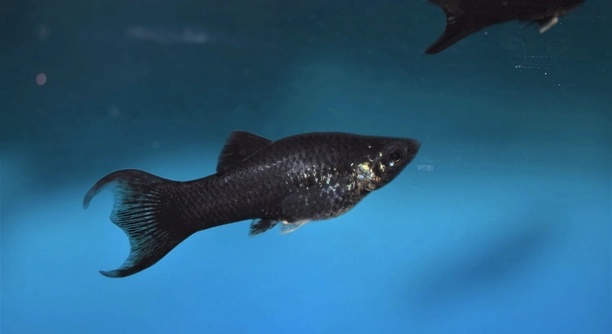
Is your black molly constantly rubbing its body against objects in the tank? This behavior can be surprising for many fish owners and may leave you wondering what it signals about your pet’s well-being. Observing these movements closely is important.
Body rubbing in black mollies is often linked to irritation caused by parasites, poor water quality, or physical discomfort. It can also indicate stress or a reaction to rough surfaces in the aquarium, requiring careful monitoring and corrective measures.
Understanding why your molly exhibits this behavior is essential for maintaining a healthy tank environment and ensuring your fish remains comfortable and active.
Common Causes of Body Rubbing
Black mollies may rub their bodies due to irritation from parasites, such as ich or flukes, which attach to their skin and gills. Water quality issues, like high ammonia or nitrate levels, can also make their skin itchy and uncomfortable. Sometimes, sharp or rough decorations in the tank cause physical abrasions that prompt rubbing. Stress from overcrowding or incompatible tank mates can worsen this behavior. Observing the frequency and pattern of rubbing can help identify the cause. A sudden increase in rubbing often signals a problem that needs immediate attention. Monitoring water parameters and inspecting the fish for visible signs of parasites or injury can prevent complications. Adjusting the tank environment, cleaning surfaces, and treating any detected infections are key steps. Mollies are sensitive to changes, so even minor fluctuations in temperature or pH can trigger rubbing. Ensuring a calm and stable environment reduces stress and supports recovery.
Rubbing may indicate mild to serious health issues that need prompt action to avoid further harm.
Preventing this behavior involves keeping water clean, maintaining proper temperature, and avoiding overcrowding. Regular observation and early intervention help mollies stay healthy, reducing rubbing episodes and improving their overall well-being.
Treating Irritation and Maintaining Health
Addressing body rubbing begins with identifying the cause. Treatment for parasites may include medicated baths or adding aquarium-safe medications. Improving water quality involves frequent water changes, proper filtration, and regular testing to maintain safe levels of ammonia, nitrites, and nitrates. Removing rough decorations or sharp objects reduces physical injuries that trigger rubbing. Stress management can be achieved by providing adequate space, hiding spots, and compatible tank mates. Dietary adjustments, including high-quality flake or pellet food supplemented with vegetables, support the immune system and skin health. Monitoring the molly’s behavior daily ensures early detection of recurring issues. Patience and consistency are crucial, as sudden changes can worsen the problem. Maintaining a balanced environment with stable conditions minimizes the likelihood of body rubbing and keeps mollies active, healthy, and less prone to stress-related behaviors.
Regular maintenance and careful observation prevent health complications and promote a comfortable environment, helping mollies thrive in the aquarium.
Environmental Adjustments
Keeping water parameters stable is essential for mollies. Sudden changes in temperature or pH can cause stress, leading to rubbing. Adding plants and hiding spots reduces stress and encourages natural behavior. Regular water changes and proper filtration keep the tank clean and comfortable for your fish.
Providing a balanced environment prevents irritation. Mollies thrive in slightly alkaline water with temperatures between 75–82°F. Avoid overcrowding, as too many fish can increase stress and physical rubbing. Monitor ammonia, nitrite, and nitrate levels weekly to catch issues early. Smooth surfaces and rounded decorations reduce the risk of injury, while live plants can help maintain water quality and provide comfort. Mollies feel more secure with hiding places, which lowers stress-induced rubbing. Consistency in maintenance routines keeps the fish relaxed and supports overall health, minimizing behavioral problems.
Adjusting tank elements gradually avoids shocking your fish. Adding slow-moving water flow and soft substrate further supports comfort. Observe behavior during changes, as excessive rubbing may still indicate irritation requiring treatment. A well-maintained environment is the first step to ensuring your molly’s skin remains healthy and the fish stays active and happy.
Diet and Nutrition
A proper diet improves skin health and overall resilience. Feeding high-quality flake or pellet food supplemented with vegetables ensures mollies receive necessary nutrients. Avoid overfeeding, as leftover food can degrade water quality, indirectly causing irritation.
Incorporating variety into their diet strengthens immunity and promotes healthy skin. Vegetables like spinach, zucchini, or peas provide essential fiber and vitamins. Protein sources should be balanced to support growth without stressing the digestive system. Occasional treats, such as brine shrimp or bloodworms, can enhance nutrition, but overuse may harm water quality. Feeding small portions multiple times a day encourages natural foraging behavior and prevents obesity. Maintaining clean feeding habits reduces leftover debris, keeping the tank environment safer and more comfortable.
Monitoring how mollies respond to dietary changes helps identify potential sensitivities. If rubbing persists despite good nutrition, water or parasite issues may be the cause. Combining proper feeding, clean water, and attentive observation supports skin health, reduces stress, and minimizes behaviors like rubbing, ensuring your molly stays active and content.
Monitoring Behavior
Observe your black molly daily for changes in rubbing frequency or intensity. Sudden increases may signal irritation, stress, or water quality issues that need immediate attention.
Keeping a simple log of behavior and tank conditions helps track patterns. Note feeding times, water changes, and any new decorations or tank mates to identify potential triggers quickly.
Parasite Prevention
Regular parasite checks prevent long-term irritation. Quarantining new fish before adding them to the main tank reduces the risk of introducing parasites. Maintaining clean water and a balanced diet strengthens immunity, making mollies less susceptible to infestations.
Tank Cleaning
Routine tank maintenance is crucial. Removing debris, performing partial water changes, and cleaning filters reduce irritants. A clean tank minimizes stress and supports skin health, lowering the chances of rubbing.
FAQ
Why is my black molly rubbing its body against the tank?
Rubbing is usually a sign of irritation or discomfort. Common causes include parasites, rough decorations, or stress from overcrowding. Poor water quality can also make their skin itchy. Observing the fish closely and checking water parameters helps identify the underlying issue.
How can I tell if my molly has parasites?
Look for small white spots, frayed fins, or clamped fins. Rapid gill movement, lethargy, and frequent rubbing are also signs. If these symptoms appear, quarantining the affected fish and using an appropriate anti-parasitic treatment can help prevent the problem from spreading.
Can water quality affect rubbing behavior?
Yes. High ammonia, nitrite, or nitrate levels irritate fish skin. Sudden changes in pH or temperature can also stress mollies, prompting them to rub against surfaces. Regular testing and consistent maintenance prevent these issues and promote healthy behavior.
Does tank decoration matter?
Yes. Rough or sharp objects can physically harm a molly’s skin, causing rubbing. Smooth, rounded decorations and plants reduce abrasion. Observing the fish’s interactions with its environment helps identify objects that may be contributing to discomfort.
How often should I clean my tank?
Partial water changes of 20–30% weekly and filter cleaning every few weeks maintain water quality. Removing debris and uneaten food regularly reduces irritants that can lead to rubbing. Consistency is key to keeping mollies healthy and comfortable.
Can stress cause body rubbing?
Yes. Overcrowding, aggressive tank mates, or insufficient hiding spaces can stress mollies. Stress lowers immunity, making fish more prone to irritation and parasites. Providing a calm environment with plants and proper space helps reduce rubbing behavior.
What role does diet play in skin health?
A balanced diet strengthens immunity and keeps skin healthy. High-quality flakes or pellets with vegetable supplements reduce irritation. Protein sources should be moderate, and occasional treats like brine shrimp can be given, but overfeeding may worsen water quality and rubbing behavior.
Should I quarantine new fish?
Always. New fish may carry parasites or diseases that can spread quickly. Quarantining for at least two weeks before introducing them protects existing tank inhabitants. Observing for abnormal behaviors during this period ensures early detection of problems.
When should I seek professional help?
If rubbing continues despite proper water maintenance, diet, and environmental adjustments, consult an aquarium professional or veterinarian. Persistent irritation may indicate parasites, infection, or other health issues needing specialized treatment.
Can rubbing be a normal behavior?
Occasional rubbing against smooth surfaces can be normal for exploration or minor cleaning. However, frequent or intense rubbing usually signals irritation or stress and should be addressed promptly. Monitoring the frequency and context of rubbing helps determine if intervention is needed.
How long does it take for mollies to recover?
Recovery depends on the cause. Parasite treatments may take a few days to two weeks, while environmental adjustments may show results within days. Consistency in water maintenance, proper diet, and stress reduction ensures quicker recovery and reduces recurring rubbing.
Can other fish affect rubbing behavior?
Yes. Aggressive or overly active tank mates may stress mollies, prompting rubbing. Compatibility is important. Observing interactions and separating aggressive fish helps reduce stress-induced behaviors, keeping all tank inhabitants healthier and calmer.
Are there medications safe for treating irritation?
Yes. Anti-parasitic treatments and mild topical medications for skin irritation are available. Always follow manufacturer instructions carefully and monitor water quality, as medications can affect tank parameters and other fish if used incorrectly.
How do I prevent rubbing in the future?
Maintain stable water conditions, avoid overcrowding, provide hiding spots, and feed a balanced diet. Regular observation helps catch minor issues before they escalate. Consistency in tank care keeps mollies healthy and minimizes behaviors like body rubbing.
Can temperature changes trigger rubbing?
Yes. Mollies prefer 75–82°F. Rapid temperature fluctuations stress fish and can lead to rubbing. Using a reliable heater and thermometer ensures stable conditions, reducing irritation and promoting overall well-being.
Is rubbing related to breeding behavior?
Rarely. Male mollies may occasionally brush against surfaces while courting females, but this is less frequent than irritation-induced rubbing. Observing the context and accompanying behaviors helps distinguish between breeding activity and stress or health issues.
How important is observation for prevention?
Daily observation is critical. Noting behavior, appetite, and interactions allows early detection of problems. Tracking changes over time helps identify causes of rubbing, whether environmental, dietary, or health-related, enabling timely intervention and healthier fish.
Can rubbing damage my molly’s skin permanently?
Persistent rubbing can cause abrasions, open wounds, and secondary infections. Addressing the cause early prevents long-term damage. Maintaining clean water and removing irritants reduces the risk and supports healing.
Does molly age affect rubbing behavior?
Older mollies may be more sensitive to environmental changes or stress. While occasional rubbing is normal, frequent behavior in older fish should be monitored for health issues. Proper care, including water quality and diet, remains essential regardless of age.
Are there behavioral signs to watch besides rubbing?
Yes. Lethargy, loss of appetite, clamped fins, rapid gill movement, or hiding indicate stress or illness. Observing these signs alongside rubbing provides a clearer picture of your molly’s health and helps determine necessary actions.
Black mollies are lively and visually striking fish, but body rubbing can be a concerning behavior for any aquarium owner. Observing your molly rubbing against objects in the tank usually signals some level of discomfort or irritation. The causes of this behavior vary, ranging from environmental issues and water quality problems to parasites or stress from other fish. Paying close attention to their behavior and surroundings is the first step in understanding what your molly needs. Small adjustments, like checking water parameters, removing rough decorations, or adding plants and hiding spots, can make a noticeable difference. These simple changes often reduce rubbing and improve overall comfort for your fish, creating a more stable and healthy environment.
Maintaining good water quality is one of the most effective ways to prevent rubbing. Ammonia, nitrite, and nitrate levels should be regularly tested, and partial water changes performed consistently to ensure the tank remains safe. Temperature and pH stability are also important, as mollies are sensitive to sudden fluctuations. In addition, feeding a balanced diet that includes high-quality flakes or pellets and occasional vegetable supplements strengthens their immune system and promotes healthy skin. Avoid overfeeding, which can negatively impact water quality and indirectly cause irritation. Proper filtration, consistent cleaning, and careful observation work together to minimize stress, which is a major factor in rubbing behavior. Mollies respond well to stable, calm conditions, and consistency in care is key to keeping them healthy and active.
If rubbing persists despite adjustments, it may indicate a more serious issue such as parasites or skin infection. Early intervention is important, as untreated conditions can lead to open wounds, secondary infections, or long-term stress. Quarantining new fish, using aquarium-safe treatments when needed, and consulting a veterinarian or aquarium professional for guidance ensures proper care. Observing behavior, feeding habits, and interactions with tank mates helps identify problems before they escalate. By paying attention to these details and maintaining a clean, well-balanced environment, you can support your molly’s health and well-being. With patience and care, rubbing can often be reduced or eliminated, allowing your black molly to thrive and enjoy its habitat comfortably.

Hello,
If you enjoy the content that we create, please consider saying a "Thank You!" by leaving a tip.
Every little bit helps us continue crafting quality advice that supports the health, happiness, and well-being of pets around the world, for pets of all shapes, sizes, and species.
We really appreciate the kindness and support that you show us!