
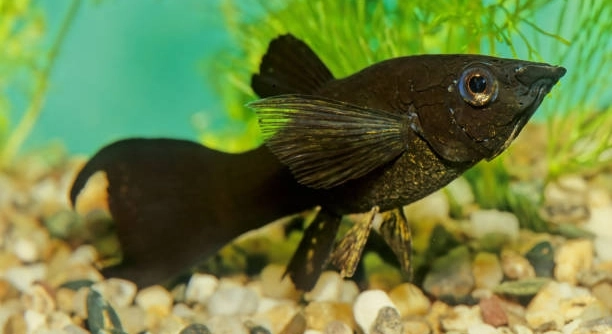
Black Mollies are lively fish that brighten up any freshwater aquarium. Many fishkeepers want their tanks to look natural and inviting, often debating the best type of plants to include. The choice between real and fake plants can affect their environment.
Black Mollies can adapt to both real and artificial plants, but they often benefit from live plants. Live plants provide natural hiding spots, improve water quality, and encourage natural behaviors. Artificial plants are safe, low-maintenance alternatives but do not offer the same environmental benefits.
Knowing which type of plant best suits your Mollies can improve their health and activity levels in the tank. The right choice creates a balanced and visually pleasing aquatic habitat.
Benefits of Live Plants for Black Mollies
Live plants provide multiple advantages in a Black Molly tank. They improve water quality by absorbing excess nutrients and producing oxygen. Their roots offer natural hiding spaces, reducing stress and aggressive behavior. Mollies enjoy grazing on soft plant leaves, which adds variety to their diet. Plants like Java moss or Anubias are hardy, requiring minimal care while creating a natural environment. The presence of live plants encourages activity, making the fish more energetic and interactive. Light and nutrient levels must be balanced to keep plants healthy and prevent algae growth. Regular trimming prevents overgrowth and maintains open swimming areas. Over time, the tank becomes more visually appealing and supports a more balanced ecosystem. Observing Mollies interact with plants can be rewarding, as they use them for shelter, exploration, and feeding. Incorporating live plants requires effort, but the positive effects on fish health and tank aesthetics are significant and lasting.
Live plants also help reduce nitrate buildup, which improves overall tank stability.
Careful selection of plant species ensures they thrive alongside Black Mollies. Plants with soft leaves are ideal, while strong lighting and moderate fertilization support growth. Avoid overcrowding the tank to maintain swimming space and reduce maintenance challenges. Rotating plants or introducing floating species can create varied environments, encouraging natural behaviors. Healthy plants not only benefit fish but also enhance the tank’s appearance, making it more enjoyable to watch. Observing the interaction between Mollies and plants demonstrates the subtle balance that live greenery adds to an aquarium. Consistent maintenance, such as pruning and nutrient monitoring, keeps the ecosystem stable. Live plants contribute to biological filtration, which reduces the frequency of water changes and stabilizes pH. They also offer safe zones for fry or shy fish, improving survival rates. Overall, integrating live plants is a practical and aesthetic choice for any Black Molly tank.
Artificial Plants as a Practical Alternative
Artificial plants are low-maintenance options that require little attention.
They provide decorative elements without worrying about lighting or fertilization. Artificial plants are durable, easy to clean, and resistant to fish nibbling. They allow tank owners to create a visually appealing setup quickly and maintain it with minimal effort. Plastic or silk options can mimic the appearance of real plants. Arranging them strategically provides hiding spots and reduces territorial disputes. While they do not improve water quality or offer natural grazing, artificial plants are safe and practical. They are especially suitable for tanks with beginners or environments where live plants may struggle to survive. Regular cleaning prevents algae buildup and keeps the aquarium looking fresh. Choosing the right size and shape of artificial plants ensures sufficient swimming space. Combining artificial plants with other decorative elements can create a balanced and attractive layout. Overall, artificial plants are a convenient alternative that supports the visual appeal of the tank without complex care requirements.
Choosing Between Real and Artificial Plants
The decision between real and artificial plants depends on maintenance preferences and tank conditions. Real plants require care, light, and nutrients. Artificial plants offer convenience and durability but lack environmental benefits. Considering your tank size, filtration, and fish behavior can guide the best choice.
Real plants create a natural environment that supports Black Mollies’ health. They offer oxygen, improve water quality, and provide grazing surfaces. Mollies use them for shelter, exploration, and hiding, which reduces stress. Selecting hardy species like Java fern or Anubias minimizes maintenance and ensures survival. Proper lighting, pruning, and nutrient management are key. Overcrowding should be avoided to allow swimming space. Healthy live plants encourage active behavior and can improve overall fish vitality, creating a balanced and thriving aquarium ecosystem.
Artificial plants are practical for those wanting low-maintenance tanks. They do not require light, nutrients, or pruning and are easy to clean. Silk or plastic options are durable, resistant to fish nibbling, and provide hiding spaces. Placement can enhance aesthetics while reducing territorial disputes. Though they lack water-cleaning benefits, artificial plants remain safe and functional. They are ideal for beginners or tanks where live plants struggle. Regular cleaning prevents algae buildup, and selecting varied shapes and sizes maintains swimming areas. Properly arranged, artificial plants offer both visual appeal and functional shelter for Black Mollies.
Maintenance Considerations
Live plants need consistent care to thrive.
Trimming dead leaves, monitoring nutrient levels, and controlling algae are necessary. Light intensity and duration affect growth, while proper fertilization supports healthy plants. Regular water changes prevent debris accumulation and maintain stability. Observing plant health helps prevent decay that can impact fish.
Artificial plants reduce daily upkeep but still require cleaning. Removing algae and debris keeps the tank visually appealing and safe for Mollies. Placement should allow swimming space and shelter, preventing overcrowding. Checking for sharp edges or damage ensures fish safety. Combining artificial plants with natural décor can create a visually engaging environment. Their durability allows long-term use, and rearranging them can refresh the tank’s layout. While they do not offer filtration or oxygenation, artificial plants remain functional and supportive of a stable tank environment for Black Mollies.
Tank Layout Tips
Positioning plants strategically helps Black Mollies feel secure. Placing taller plants near the back creates open swimming areas. Shorter or floating plants provide shelter without overcrowding. Proper spacing encourages natural movement and reduces territorial behavior, making the tank more comfortable for all fish.
Grouping plants by type and growth rate simplifies maintenance. Fast-growing plants need more frequent trimming, while slow-growing species maintain structure longer. Combining different heights and textures creates visual interest and functional spaces. Observing how Mollies interact with plants can guide adjustments for a balanced layout that supports both aesthetics and fish behavior.
Feeding and Plant Interaction
Black Mollies may nibble on soft leaves while grazing. Live plants like Anubias or Java moss can withstand occasional nibbling. Artificial plants are safe but provide no nutritional benefit, so a balanced diet remains essential for their health.
Lighting Considerations
Live plants need adequate lighting to photosynthesize and stay healthy. Artificial plants do not rely on light but benefit from it visually, enhancing the aquarium’s appearance and color vibrancy. Proper lighting supports plant growth and overall tank balance.
FAQ
Do Black Mollies prefer live plants over artificial ones?
Black Mollies do not have a strict preference, but live plants offer more benefits. They improve water quality, provide oxygen, and create natural hiding spots. Mollies interact with live plants by grazing, exploring, and using them for shelter. Artificial plants are safe and functional but lack these environmental advantages.
Can Black Mollies eat live plants?
Yes, they may nibble on soft leaves such as those of Java moss or Anubias. This behavior is natural and usually does not harm healthy plants. It can also provide minor dietary supplementation. Harder-leaved plants are less likely to be eaten, making them suitable for tanks with more aggressive nibblers.
Are artificial plants safe for Black Mollies?
Artificial plants are generally safe, provided they are free of sharp edges and made of non-toxic materials. They do not offer oxygenation or water filtration, but they provide hiding spots and reduce stress. Regular cleaning is necessary to prevent algae buildup and maintain a healthy tank environment.
How often should live plants be trimmed?
Trimming depends on plant species and growth rate. Fast-growing plants like hornwort may need weekly pruning, while slower-growing species like Anubias may only require monthly attention. Removing dead leaves prevents decay that could affect water quality and fish health, maintaining both aesthetics and tank balance.
Do Black Mollies need plants to thrive?
While Mollies can live without plants, adding either live or artificial plants improves their well-being. Plants reduce stress, encourage natural behaviors, and provide a sense of security. They also create a more natural and visually pleasing environment, which benefits both fish and the tank ecosystem.
Can artificial plants replace live plants completely?
Artificial plants can replace live plants in terms of decoration and hiding spaces, but they do not contribute to water quality or oxygen levels. For beginners or low-maintenance setups, artificial plants are practical. Combining both types can offer the benefits of aesthetics, convenience, and environmental enrichment.
What types of live plants are best for Black Mollies?
Hardy, low-maintenance species are ideal. Java moss, Anubias, and Java fern tolerate varying water conditions and low light. Floating plants like duckweed or frogbit can create shade and reduce stress. Choosing plants with soft leaves allows grazing without significant damage, supporting natural feeding behavior.
How should artificial plants be cleaned?
Artificial plants should be removed periodically and rinsed under warm water. Light scrubbing with a soft brush removes algae and debris. Avoid harsh chemicals that could harm fish. Regular maintenance keeps the tank visually appealing and ensures a safe environment for Mollies.
Do plants affect water parameters for Black Mollies?
Live plants can stabilize water conditions by absorbing nitrates and producing oxygen. This supports a healthier environment and reduces the frequency of water changes. Artificial plants do not alter water chemistry but still provide structural benefits for fish. Monitoring water parameters remains essential regardless of plant type.
Can Black Mollies reproduce around plants?
Yes, both live and artificial plants offer shelter for fry. Live plants provide natural cover and grazing opportunities, while artificial plants create hiding spaces. Dense plant arrangements increase survival rates by protecting young fish from adults or other tank mates, supporting successful breeding in home aquariums.
Are there risks associated with live plants?
Live plants may introduce pests or algae if not properly cleaned before adding to the tank. Some species may require specific lighting or nutrients to thrive. Overcrowding can reduce swimming space. Careful selection and maintenance minimize risks and support a healthy environment for Mollies.
Is it better to mix live and artificial plants?
Mixing both types can offer the best of both worlds. Live plants improve water quality and provide grazing surfaces, while artificial plants add durable hiding spots and aesthetic variety. This combination allows flexibility in maintenance and creates a visually appealing, functional tank environment for Black Mollies.
How much space should be left around plants?
Ensure enough open swimming space between plants to allow free movement. Overcrowding can increase stress and reduce activity levels. Proper spacing also simplifies maintenance and prevents buildup of debris, supporting both fish health and tank cleanliness.
Do plants influence fish behavior?
Yes, plants encourage natural behaviors like grazing, hiding, and exploring. Mollies feel safer with adequate cover, which reduces aggression and promotes activity. Both live and artificial plants can provide structure, but live plants offer more interaction opportunities, contributing to a healthier and more dynamic tank environment.
Can live plants survive in a Mollie tank without special care?
Some hardy species tolerate moderate lighting and water conditions, making them suitable for Mollie tanks. Java fern, Anubias, and hornwort are resilient and low-maintenance. However, basic care such as occasional pruning, nutrient monitoring, and light management is necessary to maintain plant health and tank balance.
Do Black Mollies damage artificial plants?
Mollies generally do not damage artificial plants. They may brush against leaves or swim around decorations, but durable silk or plastic plants withstand normal tank activity. Regular inspections ensure no sharp edges or wear that could harm fish, keeping the environment safe.
Can plants help reduce stress in Black Mollies?
Yes, both live and artificial plants provide hiding spaces, which reduce stress and aggression. The presence of structured cover makes fish feel secure and encourages natural behavior. Stress reduction contributes to improved health, better appetite, and higher activity levels in the tank.
How do floating plants affect Black Mollies?
Floating plants provide shade, reduce light intensity, and offer additional hiding spots. They create a more comfortable environment, particularly in brightly lit tanks. Floating species can also slow water flow at the surface, giving Mollies calmer swimming areas and enhancing tank aesthetics simultaneously.
Should I rotate plants in my tank?
Rotating plants occasionally can prevent overgrowth and maintain balance. It allows better light distribution and encourages Mollies to explore different areas. Both live and artificial plants can be rearranged to refresh the tank layout while maintaining swimming space and functional cover.
Do plants influence algae growth?
Live plants can compete with algae for nutrients, helping limit algae proliferation. Artificial plants do not consume nutrients, so algae may grow on them if water conditions favor it. Regular cleaning and monitoring nutrient levels help control algae in any planted tank setup.
Are certain plant types unsuitable for Black Mollies?
Extremely delicate plants may be damaged by Mollies nibbling or swimming activity. Plants requiring very specific water parameters may struggle in a standard Mollie tank. Choosing hardy, adaptable species ensures survival, providing both aesthetic value and functional benefits for the fish.
Do plants help with breeding behavior?
Yes, dense plant arrangements offer shelter for fry and reduce predation. Live plants give grazing opportunities, while artificial plants provide secure hiding spots. Adequate cover encourages spawning behavior and improves survival rates, supporting natural reproduction in home aquariums.
How often should live plant health be checked?
Regular inspections are recommended. Look for yellowing leaves, decay, or algae buildup. Promptly removing unhealthy parts prevents water quality issues and maintains a balanced environment. Consistent monitoring ensures plants remain healthy and continue to benefit Black Mollies.
Can artificial plants enhance tank aesthetics effectively?
Artificial plants can mimic natural environments and add color, texture, and structure. They require minimal maintenance and can be arranged creatively. While they do not contribute to water quality, their visual appeal and functional hiding spots make them effective additions to Mollie tanks.
Do Mollies need plants at all stages of life?
Yes, plants provide benefits throughout all life stages. Fry use them for shelter, juveniles explore and graze around them, and adults utilize them for hiding and stress reduction. Adequate cover and space contribute to healthy growth, behavior, and overall well-being in the tank.
Are there specific shapes of plants Mollies prefer?
Mollies gravitate toward plants that offer vertical and horizontal cover. Tall plants at the back create open swimming space, while mid-height and floating plants offer shelter. Rounded or bushy plants provide hiding spots, helping reduce stress and encouraging exploration throughout the tank.
Do plants impact tank cleaning routines?
Live plants may trap debris and require careful cleaning around roots and leaves. Artificial plants need occasional scrubbing to remove algae. Proper placement and regular maintenance reduce cleaning effort while maintaining a safe and healthy environment for Black Mollies.
Can over-planting be harmful?
Yes, overcrowding limits swimming space, increases stress, and can hinder water circulation. It complicates maintenance and may reduce oxygen levels in densely packed areas. Balanced planting ensures open areas for movement while providing adequate cover for comfort and security.
Do Black Mollies interact differently with artificial versus live plants?
Yes, live plants encourage grazing and exploration, while artificial plants primarily serve as hiding spots. Mollies may nibble on live leaves but use artificial plants mainly for shelter, with reduced interaction. Both types contribute to a structured environment and influence natural behaviors differently.
Are there seasonal care differences for live plants?
Growth rates may vary with light intensity and temperature changes. During slower growth periods, less pruning is needed. Adjusting lighting duration and monitoring nutrients ensures plants remain healthy year-round, providing consistent environmental support for Black Mollies.
Can plants help control tank odors?
Live plants can reduce organic waste buildup, slightly decreasing odors. Artificial plants do not directly impact water chemistry, so maintaining clean water is necessary. Combining proper filtration with either type of plant helps maintain a fresh-smelling, healthy aquarium environment.
Is it necessary to quarantine plants before adding them?
Quarantining new live plants prevents introducing pests, algae, or diseases into the tank. Soaking and inspecting plants reduces risks and ensures they are safe for Black Mollies. Artificial plants only require cleaning before placement to remove dust or debris.
How does plant density affect social behavior?
Dense planting provides territories and reduces conflicts, while sparse planting may increase visibility and aggression. Balancing cover and open space encourages healthy social interactions and natural behaviors, supporting a stable and harmonious aquarium environment for all fish.
Do plants require special substrates?
Some live plants benefit from nutrient-rich substrates, but hardy species like Anubias can attach to rocks or driftwood. Artificial plants do not require specific substrates but should be anchored securely to prevent floating or displacement by fish activity.
How does plant selection impact aquarium aesthetics?
Choosing varied heights, textures, and colors creates depth and visual appeal. Live plants bring natural movement and subtle variations, while artificial plants maintain consistent shape and color. A thoughtful combination enhances tank beauty while supporting functional spaces for Black Mollies.
Are there any fish health risks from plants?
Improperly maintained live plants can decay, affecting water quality and fish health. Sharp artificial plants may injure fish if damaged. Regular inspections, cleaning, and careful selection minimize risks and maintain a safe environment.
Can plants survive in tanks with high Mollie activity?
Hardy live plants and well-made artificial plants withstand normal Black Molly activity. Fast swimmers may disturb substrate or brush leaves, but resilient species and secure placement ensure plants remain functional and visually appealing without causing harm.
Do plants help maintain stable pH?
Live plants can slightly buffer pH by absorbing nutrients and organic compounds. Artificial plants have no direct effect, so monitoring water chemistry remains important. Combining live plants with proper filtration and regular maintenance supports a more stable aquatic environment.
Are there any decorative alternatives to plants?
Rocks, driftwood, and ceramic ornaments can provide shelter and visual interest. While they lack grazing benefits, these alternatives offer hiding spaces and structural variety. Using them alongside live or artificial plants creates a balanced and engaging aquarium layout.
Can plants help with temperature fluctuations?
Live and artificial plants provide shade, reducing direct light exposure and offering cooler areas. While they do not control overall tank temperature, shaded spots create comfort zones, helping Mollies manage minor temperature variations in the aquarium environment.
Do plants influence feeding habits?
Live plants encourage grazing and exploration, complementing pellet or flake feeding. Artificial plants provide hiding spots but do not contribute to diet. Observation of feeding behavior around plants can help adjust feeding routines and maintain a healthy diet for Black Mollies.
How long do artificial plants last?
Durable silk or plastic plants can last several years with proper care. Regular cleaning prevents algae buildup and maintains appearance. Over time, colors may fade slightly, but they remain functional as decorative and shelter elements for Black Mollies.
Do live plants need CO2 supplementation?
Most hardy species suitable for Mollies do not require CO2. However, more demanding plants may benefit from supplementation to thrive. Proper lighting and nutrient management are often sufficient for common beginner-friendly plants, supporting growth without additional systems.
Can plant placement affect water flow?
Yes, dense planting may slow water movement, while sparse layouts allow stronger currents. Adjusting placement ensures circulation is sufficient for filtration and oxygen distribution while providing calm areas for Mollies to rest and explore.
Are there differences in care between freshwater and brackish setups?
Some live plants tolerate brackish conditions, but many prefer pure freshwater. Artificial plants function in both setups without issue. Selecting appropriate species and monitoring water parameters ensures plant survival and a healthy environment for Black Mollies.
Do plants affect lighting needs?
Live plants require adequate light for photosynthesis, influencing tank lighting setup. Artificial plants benefit from light visually but do not need it for survival. Balancing light intensity and duration supports healthy plant growth and an attractive aquarium environment.
Can plants prevent aggressive behavior in Black Mollies?
Yes, providing hiding spots reduces territorial disputes and stress. Dense or varied planting allows fish to establish separate areas, helping maintain a calm, stable community and encouraging natural social behaviors. Proper layout with adequate cover supports overall fish well-being.
Is it necessary to fertilize live plants in a Mollie tank?
Some hardy species do not require fertilization, but most benefit from occasional supplementation. Liquid fertilizers or root tabs provide nutrients for growth. Monitoring plant health and adjusting fertilization supports robust growth without negatively affecting water quality or fish health.
Do plants influence tank water clarity?
Healthy live plants absorb excess nutrients, which can reduce algae and improve water clarity. Artificial plants do not alter water chemistry, so cleaning and filtration remain important. Proper plant care supports a clearer, more stable aquatic environment.
Can plants help with tank decoration for breeding setups?
Dense plants provide cover and hiding spots for fry. Live plants offer grazing surfaces, while artificial plants add shelter. Thoughtful arrangement encourages natural reproductive behaviors and increases survival rates of offspring, supporting successful breeding of Black Mollies.
Are there maintenance differences between plant types?
Live plants require pruning, monitoring nutrients, and trimming dead leaves. Artificial plants need occasional cleaning to remove algae or debris. Both require proper placement and observation to ensure a safe and functional environment for Black Mollies.
Do plants impact stress levels in fry differently than adults?
Fry benefit more from dense cover, reducing predation and stress. Adults use plants for hiding, grazing, and territory establishment. Providing appropriate plant density and variety supports all life stages, encouraging healthy behavior and overall tank balance.
Can plants survive if Black Mollies are aggressive nibblers?
Hardy species like Anubias or Java fern tolerate nibbling. Soft-leaved plants may be damaged if fish feed excessively. Artificial plants are unaffected by nibbling, providing consistent shelter. Careful plant selection ensures survival and a comfortable environment for all tank inhabitants.
Are there advantages to rotating artificial plants?
Yes, rearranging artificial plants refreshes tank layout, maintains swimming space, and stimulates exploration. It also improves visual interest, making the aquarium more engaging without affecting water chemistry. Regular rotation enhances functionality and aesthetics.
Do plants contribute to natural behavior patterns?
Yes, live plants encourage grazing, exploration, and hiding. Artificial plants provide shelter and reduce stress. Both types help mimic natural environments, supporting Black Mollies’ instincts and promoting healthier, more active behavior in the aquarium.
Are there seasonal growth changes for live plants?
Yes, growth slows in cooler months or lower light periods. Monitoring conditions and adjusting pruning schedules ensures plants remain healthy year-round. Seasonal variation affects maintenance needs but does not drastically impact hardy species in a stable tank.
How do plants affect aquarium aesthetics overall?
Plants create depth, color, and structure, enhancing visual appeal. Live plants add movement and natural variation, while artificial plants provide consistent shapes and colors. Combining both creates a balanced, functional, and attractive tank environment for Black Mollies.
Can plants be added gradually to a tank?
Yes, adding plants slowly allows fish to adapt, prevents water quality spikes, and reduces maintenance challenges. Gradual introduction supports healthier growth for live plants and ensures Mollies become accustomed to new structures without stress.
Do plants require different care depending on tank size?
Larger tanks allow more diverse plant arrangements but require monitoring for nutrient distribution and pruning. Smaller tanks need careful placement to prevent overcrowding. Both tank sizes benefit from proper plant selection and maintenance to support Black Mollies effectively.
Are there alternatives to pruning live plants?
Some fast-growing plants require trimming, but slower species may only need occasional removal of dead leaves. Strategic planting and selecting low-maintenance species minimize pruning while keeping the tank balanced and visually appealing.
Do plants influence water temperature stability?
Live and artificial plants provide shaded areas, which help fish find cooler spots. They do not regulate temperature directly but contribute to a more comfortable environment, reducing stress from light and heat exposure.
Can over-fertilization harm Black Mollies?
Yes, excessive fertilizers can alter water chemistry and harm fish. Following recommended doses and monitoring plant growth prevents negative impacts. Proper fertilization supports healthy plants without compromising water quality or fish health.
Do plants affect aquarium filtration needs?
Live plants absorb nutrients and contribute to biological filtration, potentially reducing strain on mechanical systems. Artificial plants do not contribute to filtration but still provide structure and shelter. Both require proper tank maintenance to ensure a healthy environment.
Can plants survive with low-tech setups?
Hardy species like Anubias, Java fern, and hornwort thrive in low-tech tanks with minimal lighting and no CO2. Artificial plants function in any setup without special requirements. Choosing resilient plants ensures survival and stability.
Do plants influence tank oxygen levels?
Live plants produce oxygen through photosynthesis, benefiting fish health. Artificial plants do not affect oxygen but provide structural benefits. Adequate lighting and water circulation support oxygenation for a balanced aquarium ecosystem.
Are there any seasonal algae concerns with plants?
Yes, algae growth may increase during periods of strong light or warmer temperatures. Regular cleaning, proper plant care, and balanced nutrients help control algae on both live and artificial plants, maintaining a clean, healthy tank.
Do plants require special water parameters?
Hardy live plants tolerate a range of conditions. Some species may require specific pH, hardness, or temperature ranges. Artificial plants have no water requirements. Monitoring water parameters ensures plant survival and a healthy environment for Black Mollies.
Can plants affect overall tank stability?
Live plants enhance stability by absorbing nutrients, providing shelter, and supporting natural behavior. Artificial plants offer structure and stress reduction. Both contribute to a well-functioning tank, but live plants have greater impact on water quality and ecological balance.
Are plants suitable for community tanks with Black Mollies?
Yes
Final Thoughts
Choosing the right type of plants for a Black Molly tank depends on the balance between convenience and environmental benefits. Live plants provide a more natural habitat, supporting fish health, water quality, and natural behaviors. They offer hiding spots, grazing surfaces, and oxygenation, all of which contribute to a more stable and enriching environment. Certain hardy species like Anubias, Java fern, and Java moss are ideal for Mollies, as they can tolerate a range of water conditions and low to moderate light. Including live plants requires basic maintenance, such as pruning, monitoring nutrient levels, and removing dead leaves, but these tasks ensure the tank remains clean and the plants continue to thrive. Over time, the presence of live plants creates a balanced ecosystem where Mollies can interact with their surroundings naturally. Observing Mollies using plants for hiding, exploring, and grazing can be rewarding, as it demonstrates how these elements improve overall fish behavior and well-being.
Artificial plants offer a practical alternative for those who prefer low-maintenance tanks or have environments where live plants may struggle. They are durable, easy to clean, and provide safe hiding spots for fish. Unlike live plants, artificial options do not require light, nutrients, or trimming, which can make tank management simpler. Arranging artificial plants thoughtfully can still create a visually appealing and structured environment, helping to reduce stress and territorial behavior in Black Mollies. While they do not improve water quality or provide grazing opportunities, artificial plants are functional and safe, making them suitable for beginner fishkeepers or for setups where simplicity is a priority. Combining artificial plants with other tank decorations can also enhance visual interest, create shaded areas, and offer a sense of depth in the aquarium. With regular cleaning to prevent algae buildup, artificial plants remain attractive and supportive for Mollies over the long term.
Ultimately, the choice between live and artificial plants comes down to your goals for the aquarium and the level of care you are willing to provide. Live plants are best for those who want to encourage natural behaviors, improve water quality, and create a dynamic ecosystem. Artificial plants are practical, low-maintenance, and safe, while still offering structure and shelter for fish. Some fishkeepers choose a combination of both to gain the benefits of each, providing live plants for environmental support and artificial plants for durability and visual balance. By considering tank size, lighting, water parameters, and the specific needs of Black Mollies, you can create an aquarium that is healthy, comfortable, and enjoyable to watch. Both types of plants can enhance the overall experience, making the tank a thriving and visually pleasing home for your fish. Thoughtful planning and ongoing care will ensure that Black Mollies remain active, stress-free, and healthy, regardless of which type of plants you select.

Hello,
If you enjoy the content that we create, please consider saying a "Thank You!" by leaving a tip.
Every little bit helps us continue crafting quality advice that supports the health, happiness, and well-being of pets around the world, for pets of all shapes, sizes, and species.
We really appreciate the kindness and support that you show us!