
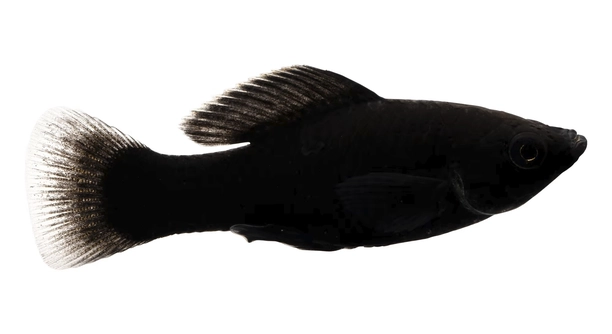
Are your aquarium fish struggling or showing signs of stress? Poor tank cycling can silently affect the water quality, creating a challenging environment for your aquatic pets. These early mistakes often go unnoticed until serious problems arise.
Improper tank cycling leads to dangerous fluctuations in ammonia, nitrite, and nitrate levels, which can cause illness or death in fish. Establishing a stable nitrogen cycle is essential to maintain water quality and ensure a healthy, balanced aquatic ecosystem.
Understanding these effects is crucial for maintaining a thriving aquarium. Addressing cycling issues early prevents long-term harm and promotes the overall health of your fish.
1. Toxic Ammonia Build-Up
When a tank is not cycled properly, ammonia levels can rise quickly. Ammonia is highly toxic to fish, causing gill damage, lethargy, and even death if exposure continues. In newly set-up tanks, the beneficial bacteria needed to process ammonia have not yet established, leaving fish vulnerable. This is especially dangerous in tanks with a high bioload or overstocked conditions, where waste production exceeds the limited bacterial population. Even small amounts of uneaten food can worsen the situation. Regular water testing is essential to detect spikes early and prevent long-term damage. Observing fish behavior, such as gasping at the surface or sudden hiding, can also indicate elevated ammonia. Taking corrective steps, including partial water changes and introducing ammonia-neutralizing products, can help maintain a safer environment while the biological cycle develops. Proper planning during the first weeks can reduce stress for both fish and the tank itself.
High ammonia can kill fish quickly, so consistent monitoring and immediate action are necessary to protect aquatic life.
Addressing ammonia issues early ensures a healthier tank. By controlling waste and allowing beneficial bacteria to establish, you create a safer habitat. Over time, the nitrogen cycle stabilizes, preventing repeated spikes. This helps fish thrive, reduces stress, and minimizes sudden health problems. Preventative measures, including careful feeding and avoiding overstocking, also play an important role. By taking these steps, the tank environment becomes predictable and manageable, giving you confidence in caring for your fish. Proper cycling prevents future emergencies and supports long-term stability.
2. Nitrite Poisoning
Nitrite can accumulate in uncycled tanks and harm fish even more than ammonia.
Nitrite interferes with oxygen transport in fish blood, causing “brown blood disease” and making fish lethargic or prone to suffocation. Symptoms include rapid gill movement, pale or brownish gills, and gasping at the surface. Even moderate nitrite levels can weaken fish immunity, leaving them vulnerable to secondary infections. In many cases, these effects appear before ammonia spikes subside, so timely monitoring is crucial. Using chemical treatments to reduce nitrite or performing regular water changes can help protect fish while the bacterial colony grows. Maintaining a well-established cycle is the only long-term solution to keep nitrite near zero consistently.
Failing to control nitrite levels can lead to slow health decline and increased mortality.
Preventing nitrite accumulation begins with proper cycling and careful management of waste. Avoid overfeeding, remove uneaten food promptly, and test water frequently. By introducing beneficial bacteria early, you accelerate the nitrogen cycle, reducing nitrite peaks. Partial water changes and aquarium conditioners that detoxify nitrite offer short-term protection. Over time, the stable bacterial population keeps nitrite negligible, supporting fish health and growth. Awareness and early intervention prevent long-term complications and make tank maintenance far less stressful. Consistency in these practices ensures your aquatic pets remain active and healthy, avoiding preventable losses from chemical imbalances.
3. Algae Overgrowth
Algae can bloom rapidly in uncycled tanks due to excess nutrients and unstable water conditions. High ammonia and nitrite levels provide fuel for algae, turning water green and covering surfaces. This reduces oxygen availability and creates an unhealthy environment for fish, making tank maintenance more challenging.
Excess nutrients from uneaten food and fish waste create ideal conditions for algae to multiply. Without a stable biological filter, these nutrients remain in the water, feeding algae growth. Sunlight exposure or strong aquarium lighting can worsen the problem. Algae compete with plants for essential nutrients, slowing plant growth and affecting the overall balance of the tank. Manual removal alone is not enough; stabilizing the nitrogen cycle is critical. Introducing live plants or reducing light hours can help control algae while beneficial bacteria establish. Monitoring water quality regularly ensures algae levels remain manageable, keeping the tank cleaner and fish healthier.
Preventing algae requires consistent care and attention to water chemistry. Maintaining a proper cycling routine, reducing overfeeding, and introducing plant life all help create a balanced ecosystem. Regular cleaning of decorations and glass surfaces, combined with partial water changes, keeps algae in check. Over time, a well-cycled tank reduces algae blooms naturally, minimizing the need for chemical interventions. Consistent observation and adjustment of light exposure and nutrient levels allow fish and plants to thrive together, keeping the aquarium visually appealing and ecologically stable.
4. Stress and Weakened Immunity
Unstable water conditions from poor cycling cause chronic stress in fish.
Fish exposed to fluctuating ammonia, nitrite, and nitrate levels experience physiological stress. Stress weakens the immune system, making fish more prone to infections and disease. Behavioral changes, such as hiding, loss of appetite, or erratic swimming, often appear first. Stress can reduce growth and lifespan over time, even if water chemistry temporarily stabilizes.
Stress management begins with stabilizing the tank environment. Establishing a strong biological filter, performing regular water changes, and monitoring chemical levels are essential. Reducing sudden changes in temperature or introducing too many fish at once also helps. Maintaining a predictable, balanced habitat supports natural behaviors and healthy growth. Feeding high-quality food in appropriate amounts strengthens resilience. Observation of daily activity allows early detection of stress-related issues. Over time, these practices ensure fish develop strong immunity, enjoy stable living conditions, and maintain normal behavior patterns. Consistency in care creates a calmer, healthier aquarium environment.
5. Cloudy Water
Uncycled tanks often have cloudy water caused by bacterial blooms or suspended debris. This reduces visibility and can make the tank appear dirty even if fish are healthy.
Cloudiness is usually a sign that the biological filter is not established. Particles and excess nutrients fuel bacterial growth, which temporarily turns the water milky. Regular partial water changes and proper filtration help clear the water. Overfeeding and leftover food worsen the issue, so monitoring feeding amounts is crucial. Patience is key, as water clarity improves naturally once the nitrogen cycle stabilizes and beneficial bacteria balance the tank’s ecosystem.
6. pH Fluctuations
Uncycled tanks experience sudden pH swings that stress fish and destabilize the aquarium environment. Maintaining a stable pH is difficult without a mature biological filter to buffer changes.
7. Poor Plant Growth
Plants struggle in uncycled tanks due to inconsistent nutrient levels and unstable water chemistry. Beneficial bacteria help recycle nutrients, but without them, plants cannot thrive. Nutrient deficiencies, coupled with fluctuating ammonia and nitrite, stunt growth and weaken roots. Careful monitoring of water conditions and gradual introduction of plants improves their survival.
FAQ
What is tank cycling and why is it important?
Tank cycling is the process of establishing beneficial bacteria in a new aquarium to process fish waste safely. These bacteria convert ammonia into nitrite and then nitrate, preventing toxic buildup. Without proper cycling, ammonia and nitrite can harm fish, stunt growth, and create unstable water conditions.
How long does it take to cycle a tank?
A typical tank cycle takes four to six weeks, though timing can vary depending on tank size, temperature, and whether live plants or fish are present. Testing water regularly during this period ensures ammonia and nitrite levels are monitored and managed safely. Patience is essential to avoid harming fish.
Can I add fish before the tank is cycled?
Adding fish to an uncycled tank can be risky. Fish produce ammonia faster than bacteria can process it, leading to spikes that stress or kill fish. If immediate stocking is necessary, frequent water changes and ammonia detoxifiers can reduce risks, but full cycling is strongly recommended.
How do I know if my tank is fully cycled?
A fully cycled tank shows zero ammonia and nitrite in water tests, while nitrate is present at low levels. Beneficial bacteria are established, and water chemistry remains stable even when fish are present. Regular testing confirms the tank can safely support fish long-term.
Can I speed up the cycling process?
Cycling can be accelerated by using bacteria starters, filter media from an established tank, or adding hardy fish species gradually. While these methods help, the process still requires careful monitoring. Rushing the cycle without checking ammonia or nitrite levels risks fish health.
What happens if I skip the cycle?
Skipping the cycle can lead to ammonia and nitrite poisoning, algae blooms, plant death, and chronic stress in fish. Mortality rates increase, and tank maintenance becomes more difficult. Stabilizing the water chemistry afterward is more time-consuming than properly cycling from the start.
Are live plants helpful during cycling?
Live plants can support water stability by absorbing ammonia and nitrate. Fast-growing species are especially beneficial. However, plants alone cannot replace the biological filter. They complement bacteria growth but do not fully eliminate the need for proper cycling.
How often should I test water during cycling?
During the cycling period, test water two to three times per week for ammonia, nitrite, nitrate, and pH. Frequent monitoring helps identify spikes early and informs water changes or adjustments, ensuring fish or starter species remain safe throughout the process.
Can overfeeding affect the cycle?
Overfeeding produces excess waste, increasing ammonia levels and slowing the establishment of beneficial bacteria. Feeding small, controlled amounts supports bacteria growth and prevents water quality issues. Uneaten food should be removed promptly to avoid nutrient overload and algae blooms.
Do temperature and lighting affect cycling?
Yes. Warmer water temperatures speed bacterial activity, while cold water slows the cycle. Lighting mainly impacts plant growth, which can influence nutrient absorption, but it does not replace bacterial cycling. Maintaining consistent water conditions supports stable bacterial populations and a successful cycle.
Is there a way to rescue fish if ammonia spikes occur?
If ammonia spikes occur, perform immediate partial water changes to reduce levels and add ammonia-neutralizing products. Aeration can help fish cope with stress, but prevention through proper cycling is the best method. Fish may recover if exposure is limited, but prolonged spikes are often fatal.
Can I use filter media from another tank?
Transferring filter media from an established, healthy tank introduces beneficial bacteria quickly. This can shorten cycling time but does not eliminate the need to monitor water parameters. Ensure the donor tank is free from disease to avoid introducing pathogens.
How do I maintain a healthy tank after cycling?
After cycling, continue regular water testing, partial water changes, and careful feeding. Avoid overstocking, maintain filter cleanliness, and monitor fish behavior. Consistency preserves stable water chemistry, prevents recurring spikes, and ensures both fish and plants thrive long-term.
What signs indicate cycling problems?
Signs include persistent cloudy water, algae overgrowth, erratic fish behavior, gill damage, or stunted plant growth. Testing confirms chemical imbalances. Addressing issues immediately with water changes or temporary ammonia reducers helps protect fish while the cycle completes.
Are there alternatives to traditional cycling methods?
Some aquarium owners use fishless cycling with pure ammonia or pre-cultured bacteria products. These methods reduce stress on fish and allow precise control over water chemistry. Fishless cycling remains safer, especially for beginners or heavily stocked tanks.
Can I add multiple fish at once after cycling?
Even in a fully cycled tank, adding many fish simultaneously can temporarily spike ammonia. Introduce fish gradually to allow bacteria to adjust. This ensures water chemistry remains stable and prevents stress or sudden health problems.
Why do some tanks cycle faster than others?
Factors include tank size, water temperature, filtration quality, bacterial source, and presence of plants. Smaller tanks or warmer water often cycle faster, while larger tanks or cooler temperatures take longer. Consistent monitoring is essential regardless of speed.
How important is patience in the cycling process?
Patience is critical. Rushing the cycle or adding fish too early causes repeated chemical imbalances, stress, and mortality. Following a structured schedule and monitoring water conditions ensures a stable, healthy environment for fish and plants.
Can I rely on chemical additives alone?
Chemical additives can temporarily reduce ammonia or nitrite but do not replace the biological filter. Long-term stability depends on established bacteria and proper maintenance. Additives are helpful for emergencies but are not a substitute for proper cycling.
How do I recover a tank that failed to cycle?
If a tank fails, perform frequent partial water changes, reduce feeding, and introduce established bacteria through products or filter media. Monitor water parameters closely. Restarting the cycle gradually allows bacteria to stabilize and prevents further stress on fish.
Final Thoughts
Proper tank cycling is one of the most important steps in maintaining a healthy aquarium. Skipping or rushing this process can lead to a range of problems, from ammonia and nitrite spikes to stressed fish and dying plants. Many issues that beginners face, such as cloudy water, algae overgrowth, and weak fish immunity, stem directly from poor cycling practices. Taking the time to establish beneficial bacteria and monitor water chemistry creates a stable environment that supports both fish and plants. While it may feel slow or tedious, patience in this stage pays off in long-term tank health and reduces the risk of preventable problems. Observing the tank closely during cycling also helps identify potential issues early, making it easier to adjust feeding routines, water changes, or plant care to maintain balance.
A properly cycled tank provides a safe and predictable environment for aquatic life. Fish are less likely to experience stress or disease when ammonia and nitrite levels are controlled. Plants grow more consistently, and algae blooms are easier to manage when the nitrogen cycle is established. Consistency is key; water testing, partial changes, and filter maintenance should continue even after the cycle is complete. These simple steps ensure that the balance achieved during cycling is maintained over time. Introducing new fish gradually, avoiding overfeeding, and keeping the tank at a stable temperature also support ongoing health. By investing time in proper cycling, the aquarium becomes a thriving ecosystem rather than a constant source of frustration. Every small adjustment contributes to the overall stability, giving both fish and plants the best chance to flourish.
Even experienced aquarium owners benefit from following cycling protocols. It is easy to underestimate how quickly water chemistry can change and how vulnerable fish are to sudden spikes. Using live plants, pre-cultured bacteria, or filter media from an established tank can help, but these measures still require monitoring and patience. Proper cycling is not only about avoiding immediate problems; it also sets the foundation for long-term enjoyment and success. Fish will display more natural behaviors, plants will grow stronger, and tank maintenance will be less stressful. Understanding the importance of cycling allows for better decision-making in stocking, feeding, and overall care. A well-cycled tank supports a healthier, more balanced aquarium, creating a space where aquatic life can thrive with minimal intervention.

Hello,
If you enjoy the content that we create, please consider saying a "Thank You!" by leaving a tip.
Every little bit helps us continue crafting quality advice that supports the health, happiness, and well-being of pets around the world, for pets of all shapes, sizes, and species.
We really appreciate the kindness and support that you show us!