
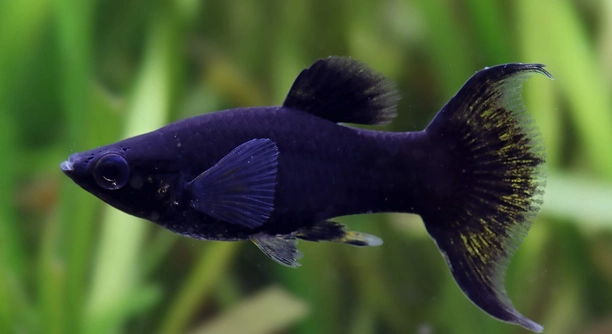
Have you ever worried that your black molly tank feels a little too full, making it harder for them to stay relaxed and comfortable in their space each day as they swim around together peacefully.
Overcrowded black molly tanks restrict swimming space, elevate stress levels, and reduce water quality, causing weakened immunity and behavioral changes. Monitoring available space, filtration efficiency, and population numbers offers a clear method for determining when these fish begin showing crowding.
Learning these signs helps you maintain a healthier tank environment and improve the comfort and well being of your mollies.
Reduced Swimming Space
When black mollies begin losing comfortable swimming room, the tank starts showing clear signs that point toward overcrowding and rising stress. You may notice your mollies navigating tighter spaces, slipping around decorations, and gathering near open areas because the tank no longer supports smooth movement. Limited space makes daily activity difficult, and the fish begin adjusting their patterns to cope with the lack of freedom. This often leads to discomfort, subtle changes in posture, and short bursts of movement that signal they are trying to compensate for restricted territory. Over time, these shifts create a noticeable difference in how the tank feels, especially when the fish begin clustering near the surface or edges. Observing these early shifts helps you recognize when space is becoming limited, allowing you to adjust the population or rearrange the environment. Giving your mollies enough room supports healthier behavior and steadier overall wellbeing for your mollies.
As space tightens, your mollies begin altering their usual movement patterns, showing mild restlessness and shifting toward open zones. These signs indicate the tank no longer matches their needs, making it important to monitor population levels and adjust the layout to protect their comfort and maintain a calmer space overall.
Paying attention to movement patterns helps you identify overcrowding before it affects your mollies more seriously. When they begin gathering in certain corners or reducing their exploration, the tank signals that space is running low. The fish may appear slightly tense, moving in shorter paths or shifting between areas they normally avoid. These adjustments show that the environment is becoming restrictive, and timely changes can restore balance. Rearranging decorations, increasing tank size, or lowering population numbers can give your mollies the freedom they need. Taking small steps early supports better health and smoother behavior in the tank for your mollies.
Increased Aggression Levels
Increased aggression appears quickly when black mollies lack enough personal space, and the tank shifts into a more stressful environment. Chasing, nipping, and territorial displays become common as the fish compete for room, signaling that overcrowding is beginning to influence their daily comfort through clear changes in behavior each day.
In a crowded tank, aggression develops because black mollies no longer have room to establish comfortable swimming paths or maintain gentle social spacing. As pressure builds, they begin asserting themselves more forcefully, and the atmosphere in the tank changes quickly. You may see sharper movements, short bursts of chasing, or increased competition during feeding. These behaviors reflect an imbalance that forms when population levels exceed the tank’s ability to support calm interaction. Over time, the stress becomes more visible as mollies push others aside or defend small areas more often. Maintaining harmony requires giving them an environment with enough open water to reduce tension. Increasing the tank size, improving filtration, or reducing the population can stabilize the group and lower daily stress. Paying close attention to these shifts helps you act early, preventing long term issues from developing. When the environment supports their natural patterns, mollies remain calmer and interact more peacefully. Taking simple steps to correct overcrowding protects your mollies and strengthens the overall stability of the tank. By responding promptly to early behavioral changes, you create a safer setting that encourages smoother movement, healthier routines, and reduced stress throughout the entire tank, keeping molly more comfortable each day.
Poor Water Quality Indicators
Poor water quality appears quickly in overcrowded tanks, and black mollies react by showing dull colors, decreased activity, and mild surface hovering. These changes form because waste accumulates faster than the filtration system can manage, causing gradual discomfort that becomes more noticeable each day inside the aquarium.
When the tank becomes overloaded, ammonia and nitrate levels rise, leading to stress that affects your mollies’ breathing and overall behavior. You may notice slightly cloudy water or a faint smell that signals the system is struggling. The fish begin adjusting their swimming patterns to avoid uncomfortable zones, and some may spend extra time near the surface. These signs show that the environment no longer supports their needs, and improving water conditions becomes a priority. Adding stronger filtration, performing more frequent water changes, or reducing the population brings relief and helps restore balance.
Water quality declines further when debris settles quickly, making the tank appear murky even after cleaning. Black mollies respond by reducing their activity, seeking calmer pockets of water, and showing mild signs of irritation along their fins. These changes reflect the impact of overcrowding on their comfort and long term stability. When water conditions drop, stress builds slowly, creating a pattern that affects how the fish interact and move. Correcting the issue with consistent maintenance and improved space gives your mollies the healthier environment they need.
Stunted Growth Patterns
Stunted growth appears in overcrowded tanks because black mollies lack the space and clean water needed to develop properly. Their bodies slow down in response to stress, and younger fish show delayed progress that becomes clear over time as they fall behind healthy growth expectations.
Growth slows even further when the tank becomes too competitive, limiting access to food and comfortable territory. Smaller mollies are often pushed aside, making it harder for them to keep up with normal development. Stress from crowding affects their metabolism, causing them to use energy for survival rather than growth. Water quality also plays a role, since poor conditions weaken their ability to absorb nutrients effectively. Creating more space, adjusting feeding routines, and improving filtration helps restore healthier growth patterns. When the environment supports steady development, your mollies experience better wellbeing and stronger overall vitality.
Frequent Surface Gulping
Frequent surface gulping appears when black mollies struggle to get enough oxygen in crowded tanks, and this behavior becomes more noticeable as water conditions decline. They gather near the top because limited space and rising waste levels reduce the oxygen available throughout the rest of the tank each passing day.
This pattern develops steadily when the tank holds more fish than the system can support, making oxygen levels drop faster than normal. Your mollies respond by shifting their movement upward, signaling that the environment needs adjustments to restore stable breathing conditions and protect their overall comfort and daily wellbeing today.
Unusual Hiding Behavior
Unusual hiding behavior appears when overcrowded conditions make black mollies feel pressured, causing them to retreat into decorations or corners more often than usual. They begin spending longer periods in shaded zones because competition and stress limit their desire to swim freely. This behavior increases when the tank becomes louder, more active, or too tightly packed, leaving the fish with fewer comfortable areas to move. As the environment becomes stressful, mollies seek calmer spaces where they can avoid aggressive interactions and constant movement. Providing more room, strengthening filtration, and lowering population levels helps reduce this hiding response and restore balance.
Cluttered Tank Appearance
Cluttered tank appearance develops quickly when overcrowding increases waste, decorations shift, and algae forms faster than usual, creating a cramped atmosphere that affects how your black mollies move. This visual change signals that the environment needs immediate attention to restore cleaner conditions and ensure healthier daily activity for your mollies.
FAQ
How can I quickly tell if my black mollies are overcrowded?
You can usually identify overcrowding by watching how your mollies move and behave throughout the day. When space becomes limited, they begin gathering near open zones, avoiding tighter sections, and adjusting their swimming paths to cope with the lack of room. They may also show mild irritability, shorter bursts of movement, or reduced exploration. If the tank looks busy, cluttered, or consistently active in a stressful way, it is a sign that the environment is no longer comfortable for them. Taking note of these changes helps you respond before the situation affects their wellbeing more seriously.
Why does overcrowding increase stress in black mollies?
Overcrowding increases stress because it restricts territory, lowers water quality, and forces your mollies to compete for space and resources. Limited swimming room makes basic movement feel more effortful, and the constant presence of other fish raises their awareness and tension. Over time, this pressure changes how they act, making them more reactive, restless, or withdrawn. Stress also weakens their immune system, making them more vulnerable to illness. Giving them more room, cleaner water, and steady filtration provides the relief they need. A balanced environment supports calmer behavior and better long term health.
Why does water quality drop so fast in an overcrowded tank?
Water quality declines because each fish adds to the waste load, and when too many are present, the filtration system cannot keep up with the demand. Waste builds quickly in overcrowded conditions, causing ammonia, nitrite, and nitrate levels to rise. This creates cloudy water, unpleasant smells, and reduced oxygen levels. Decorations and substrate trap debris, making the tank look dirtier even after cleaning. Overcrowding also increases leftover food, which breaks down faster and places additional strain on the system. Maintaining proper stocking levels and upgrading filtration can help restore healthier conditions.
Can overcrowding make black mollies more aggressive?
Yes, overcrowding often leads to increased aggression. When the tank becomes too tight, mollies struggle to maintain their preferred space, and this encourages chasing, nipping, and territorial behavior. Food competition also becomes more intense when there is not enough room. Smaller or younger mollies face the most pressure and may hide or lose access to food. As stress builds, interactions become sharper and more frequent. Creating more open water, spacing out decorations, and reducing the number of fish helps reduce tension. A calmer tank supports smoother social behavior and steadier routines.
Why do mollies start hiding more when the tank is too full?
Hiding increases because overcrowding creates a stressful environment that pushes mollies to seek calmer spaces. When too many fish share the same area, the constant movement makes them feel unsettled. They retreat to decorations, corners, or shaded spots where the activity feels less overwhelming. Hiding can also develop when lighting reflects off debris, making the tank feel visually busy. These changes show the fish are trying to avoid interactions that feel uncomfortable. Improving space, cleaning more regularly, and rearranging decorations to create open paths can help them feel secure enough to swim freely again.
How does poor oxygen circulation relate to overcrowding?
Poor oxygen circulation becomes more noticeable when the tank holds more fish than it can support. Each fish uses oxygen, and when space is limited, water movement decreases, making oxygen distribution uneven. Waste buildup also interferes with oxygen exchange at the surface. This leads mollies to gather near the top where oxygen is naturally higher. They may breathe faster or gulp at the surface as conditions worsen. Improving aeration, performing more frequent water changes, and lowering the fish count helps restore proper oxygen levels and keeps your mollies comfortable.
What steps can I take to fix overcrowding issues?
Fixing overcrowding usually involves adjusting the number of fish, increasing the tank size, or improving filtration. Adding strong biological and mechanical filtration helps manage waste more effectively. Reducing population levels gives each fish more space, easing stress and improving movement. Rearranging decorations to create open swimming areas also helps restore balance. Regular water changes maintain cleaner conditions, and monitoring water parameters guides your decisions. Giving your mollies the right environment ensures stable behavior, healthier growth, and smoother daily activity.
Final Thoughts
Keeping black mollies comfortable depends on understanding how their tank environment affects their behavior, movement, and overall wellbeing. When space becomes too limited, their daily patterns change in ways that make overcrowding easy to recognize. Signs like tighter swimming paths, increased hiding, and more frequent surface activity all show that the environment is no longer supporting their natural routines. These shifts develop slowly at first, then become noticeable as the tank grows busier and the fish begin adjusting their behavior for comfort. Watching these patterns helps you identify early problems before they create long term stress. Maintaining a calm, balanced tank allows your mollies to feel safe each day, and it strengthens their ability to remain active, healthy, and steady in their behavior over time.
Water quality also plays a key role in how your mollies respond to their surroundings, especially when population levels grow too high. Crowded tanks accumulate waste more quickly, making filtration less effective and creating conditions that weaken the comfort of the fish. When debris builds faster than the system can handle, it affects oxygen levels, water clarity, and the general stability of the tank. These changes influence how your mollies breathe, swim, and interact with each other. Over time, the pressure created by these conditions becomes clear through behavior shifts and subtle signs of discomfort. Managing this requires regular upkeep, proper filtration support, and careful stocking practices that protect the environment from becoming overwhelmed. A stable tank gives every fish space to grow, move, and behave naturally.
Creating a healthier habitat for your mollies is not only about preventing overcrowding but also about maintaining the balance that keeps their environment peaceful. Adjusting tank size, arranging open swimming areas, and maintaining consistent cleaning routines all help support their daily comfort. When the tank is balanced, your mollies develop steady movement patterns, show brighter coloration, and interact more calmly. These improvements reflect how much the environment influences their sense of security. With thoughtful care, you can maintain a tank that encourages smooth routines and supports each fish in a stable, comforting way. Taking time to notice early signs, adjust conditions, and stay consistent in maintenance helps create an environment where your black mollies can thrive and remain active throughout their lives.

Hello,
If you enjoy the content that we create, please consider saying a "Thank You!" by leaving a tip.
Every little bit helps us continue crafting quality advice that supports the health, happiness, and well-being of pets around the world, for pets of all shapes, sizes, and species.
We really appreciate the kindness and support that you show us!