
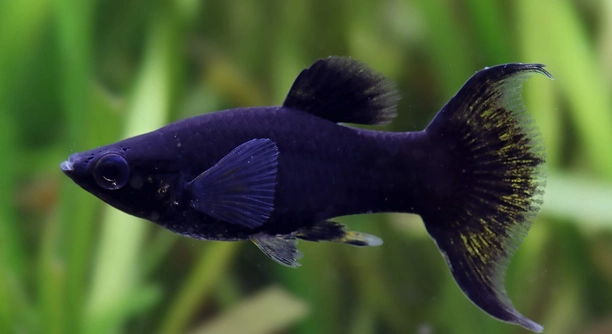
Is your black molly spending more time near the water surface than usual? Observing their behavior can feel a little worrying, especially if you are unsure whether it is normal or a sign of stress.
Black mollies often come to the surface to breathe when oxygen levels in the water are low. Insufficient aeration, overcrowding, or poor water quality can cause this behavior, signaling that adjustments to their environment are necessary for their health.
Recognizing these signs early helps you create a better living space for your fish. Small changes can make a big difference in keeping your molly comfortable and healthy.
Understanding Oxygen Levels in Your Aquarium
Low oxygen is the most common reason black mollies rise to the surface. Mollies need well-oxygenated water to thrive. Stagnant water, crowded tanks, or excessive algae can reduce oxygen levels. Observing how your fish behave during feeding or at different times of day can give clues about oxygen availability. Using an air pump, sponge filter, or adjusting water flow can help maintain proper oxygen. Regular water changes also play a critical role in keeping oxygen levels steady. Temperature matters too, because warmer water holds less oxygen. If your tank is heated, be sure to monitor temperature carefully. Even small adjustments, like trimming plants or moving decorations, can improve water circulation. Watching how your mollies respond to changes can indicate whether oxygen levels are improving. Healthy black mollies should swim actively throughout the tank, not only near the surface. Proper maintenance ensures your fish remain lively and comfortable.
Monitoring water oxygen helps prevent stress. Small improvements make a noticeable difference in behavior and health.
Maintaining good oxygen levels is a combination of equipment, tank size, and care. Filters and air pumps promote circulation and oxygen exchange, while avoiding overstocking prevents oxygen depletion. Regular water testing lets you track dissolved oxygen and identify trends before problems arise. Even simple habits, like not overfeeding and removing decaying food, reduce bacteria growth that consumes oxygen. Temperature stability and moderate plant growth support a balanced ecosystem. By combining these steps, your black mollies will spend more time exploring the tank rather than gasping at the surface, reflecting a healthier environment for long-term wellbeing.
Checking Water Quality
Water quality has a direct effect on fish health. High ammonia, nitrite, or nitrate levels can cause stress, leading mollies to seek air at the surface.
Testing water regularly and performing partial water changes keeps harmful chemicals low. Introduce live plants to help absorb nitrates naturally. Keep an eye on filtration and clean it without disrupting beneficial bacteria. Avoid sudden changes in water chemistry, as mollies are sensitive to rapid shifts. Maintaining stable pH, temperature, and hardness is also crucial.
Water quality impacts mollies’ health in more ways than oxygen alone. Poor conditions can weaken their immune system, making them prone to disease. Using a reliable water test kit is the first step to identifying issues. Partial water changes, ideally 20-30% weekly, remove excess waste without shocking the fish. Keep track of temperature fluctuations, as extreme changes stress fish and lower dissolved oxygen. Removing uneaten food and debris prevents ammonia spikes and keeps the tank safe. Live plants can reduce nitrates while providing hiding spots, improving comfort. Regular filter maintenance ensures proper water flow, preventing stagnation. By consistently monitoring and adjusting water parameters, your black mollies will appear more active, swim throughout the tank, and avoid prolonged surface breathing. Maintaining this routine protects their long-term health and reduces stress-related behaviors.
Adjusting Tank Temperature
Black mollies are sensitive to warm water. High temperatures lower oxygen and make fish breathe at the surface. Keep the tank between 72°F and 78°F for optimal comfort. Use a thermometer to monitor daily, and adjust heaters carefully to avoid sudden changes.
Maintaining a stable temperature prevents stress. Sudden spikes or drops can shock mollies, causing them to swim near the surface to get more oxygen. Avoid placing the tank in direct sunlight or near vents. If your heater is too strong, consider using a thermostat or a heater with adjustable settings. Cooler areas in the tank allow fish to escape heat temporarily, but the overall water temperature must remain consistent. Even small fluctuations can lead to long-term health issues, including weakened immunity and higher susceptibility to infections.
Temperature directly affects oxygen levels. Warmer water holds less oxygen, which can make mollies struggle. Combining proper heating with good aeration ensures your black mollies stay active. Fans, air stones, and adequate water movement help balance oxygen even during warmer months. Observing how mollies respond to minor temperature adjustments can guide further improvements. Proper temperature management reduces surface breathing, promotes normal swimming, and supports their overall health and longevity in the tank.
Managing Tank Population
Overcrowding reduces oxygen and increases stress. Keep a moderate number of mollies per tank size, and avoid mixing too many species. Overpopulated tanks push fish to the surface frequently.
A well-planned population ensures each fish has space to swim and access to oxygen. Crowded tanks lead to competition for food and hiding spots, increasing aggression and stress. Adequate space reduces disease risk, as poor water quality from excess waste is minimized. Regularly assess your tank to ensure numbers remain manageable. Separating aggressive or dominant individuals can prevent bullying and excessive surface breathing. Introduce new fish gradually, monitoring how existing mollies adjust. Overpopulation often goes unnoticed until behavioral signs, like surface breathing, appear, so proactive planning is essential. Proper stocking density keeps mollies comfortable, reduces stress, and promotes natural, calm behavior.
Improving Filtration
A strong filter keeps water clean and oxygenated. Choose one suitable for your tank size and check it regularly. Proper filtration reduces waste buildup and prevents water from becoming stagnant, which helps mollies breathe comfortably throughout the tank.
Clean filters maintain healthy water conditions. Rinse filter media in tank water to preserve beneficial bacteria. Avoid harsh chemicals, which can harm mollies and disrupt the tank’s ecosystem. Regular maintenance ensures consistent flow and oxygenation, keeping fish active and reducing surface gasping.
Feeding Habits
Overfeeding can pollute water quickly. Feed small portions and remove uneaten food promptly. Balanced nutrition prevents obesity and reduces waste, which helps maintain oxygen levels.
Live Plants and Oxygen
Live plants naturally improve oxygen levels. They absorb carbon dioxide and release oxygen, supporting mollies. Plants also provide hiding spots, reducing stress and encouraging normal swimming behaviors.
Why is my black molly always at the surface?
Black mollies often stay near the surface when oxygen levels are low or water quality is poor. They may also react to high temperatures or stress caused by overcrowding. Observing their behavior alongside water conditions helps identify the main reason for this activity.
Can poor water quality cause surface breathing?
Yes. High levels of ammonia, nitrites, or nitrates can stress mollies, prompting them to breathe near the surface. Regular testing and partial water changes reduce harmful chemicals. Cleaning uneaten food and debris also keeps water safe and maintains a healthy environment.
How does tank temperature affect breathing?
Warm water holds less oxygen, so mollies may rise to the surface to access more air. Keeping the tank between 72°F and 78°F ensures stable oxygen levels and prevents stress. Sudden temperature changes can shock fish, increasing surface activity.
Does overcrowding lead to surface breathing?
Overcrowding reduces oxygen availability and increases competition for food and space. Black mollies in crowded tanks often swim at the surface to breathe. Maintaining proper stocking density and providing hiding spots helps reduce stress and supports normal behavior.
Will adding an air pump help my black molly?
Yes. Air pumps improve oxygen circulation and create water movement, reducing surface breathing. Using a sponge filter or air stone can also enhance aeration. Properly positioned devices ensure even oxygen distribution throughout the tank.
Can live plants improve oxygen levels?
Live plants release oxygen during photosynthesis and absorb carbon dioxide. They help maintain a balanced ecosystem while providing hiding spots, which reduces stress. Combining plants with good filtration and aeration maximizes their benefits for black mollies.
How often should I change the water?
Partial water changes of 20-30% weekly help maintain low ammonia and nitrate levels, supporting oxygen levels. Overfeeding, decaying plants, and debris increase toxins, so frequent water changes prevent surface gasping and promote healthy behavior.
Are black mollies sensitive to stress?
Yes. Mollies are easily stressed by poor water quality, sudden temperature changes, aggressive tankmates, or overcrowding. Stress reduces immunity and can lead to prolonged surface breathing. Providing stable conditions and a calm environment minimizes these risks.
What signs indicate serious health issues?
Excessive surface breathing, lethargy, clamped fins, or visible signs of disease may indicate infection or poor water quality. Testing water parameters and observing fish closely helps identify problems early, allowing for timely intervention.
How can I prevent my molly from breathing at the surface?
Maintain stable water temperature, ensure good filtration, keep the tank well-oxygenated, and avoid overcrowding. Regular monitoring, proper feeding, and adding live plants reduce stress and create a healthier, more comfortable environment for black mollies.
Is it normal for mollies to breathe at the surface occasionally?
Occasional surface visits can be normal, especially after feeding or when exploring. However, frequent or prolonged surface breathing usually signals environmental or health issues that need attention. Monitoring behavior helps differentiate normal activity from a problem.
How long does it take to see improvement after changes?
Once water quality, oxygen levels, and temperature are adjusted, black mollies typically show reduced surface breathing within a few days to a week. Consistency in care is essential to ensure long-term health and stable behavior.
Do different tank setups affect breathing behavior?
Yes. Tanks with strong filtration, live plants, and proper aeration reduce surface breathing. Shallow, overcrowded, or warm tanks increase stress and oxygen demand, making mollies more likely to stay near the surface. Proper planning and maintenance prevent these issues.
Can I use chemical treatments to fix oxygen problems?
Chemical oxygen boosters exist but are only a temporary solution. Long-term health relies on proper aeration, filtration, and regular maintenance. Relying solely on chemicals does not address underlying issues causing surface breathing.
Is it safe to mix black mollies with other species?
Compatibility matters. Aggressive or highly active species can stress mollies, increasing surface breathing. Choosing calm, compatible tankmates and avoiding overcrowding reduces stress and promotes normal behavior.
What are the key habits to maintain healthy mollies?
Regular water testing, partial water changes, stable temperature, proper aeration, balanced feeding, and monitoring behavior are all critical. Combining these habits creates an environment where black mollies remain active, healthy, and rarely need to gasp at the surface.
Black mollies are fascinating fish that can show us a lot about the health of their environment. When they spend time at the surface, it is usually a signal that something in their tank needs attention. Low oxygen levels, poor water quality, overcrowding, or temperature changes are the most common reasons for this behavior. Observing your fish carefully and noting when and how often they come to the surface can give important clues. Even small adjustments, like improving aeration or adding live plants, can make a noticeable difference. Paying attention to these details helps ensure that your black mollies live comfortably and remain active throughout the tank, rather than struggling at the surface for air.
Maintaining a balanced and stable aquarium is key to preventing surface breathing. Regular water changes, cleaning filters, and monitoring water parameters such as ammonia, nitrite, nitrate, pH, and temperature are essential. Overfeeding can create excess waste, which reduces water quality and oxygen levels, so feeding smaller portions and removing uneaten food is important. Adding live plants or using an air pump can also help increase oxygen levels naturally, creating a healthier environment. Additionally, keeping the tank at the right temperature prevents stress, as warm water holds less oxygen and can make mollies more likely to stay at the surface. By combining these simple care practices, you create a stable habitat that supports natural behavior and reduces the risk of stress-related problems.
It is also important to consider the social environment in the tank. Overcrowding and aggressive tankmates can increase stress, which sometimes leads mollies to gasp for air at the surface. Ensuring each fish has enough space and a calm environment helps them feel secure. Gradually introducing new fish and providing hiding spots, like plants or decorations, reduces tension in the tank. Observing your mollies regularly for signs of illness, such as lethargy or unusual swimming patterns, allows for early action if problems arise. In the end, understanding and responding to the needs of your black mollies will keep them healthy and active, while creating a more enjoyable and manageable aquarium for you. Consistent care, attention to water quality, and proper stocking practices will go a long way in preventing surface breathing and promoting long-term well-being for your fish.

Hello,
If you enjoy the content that we create, please consider saying a "Thank You!" by leaving a tip.
Every little bit helps us continue crafting quality advice that supports the health, happiness, and well-being of pets around the world, for pets of all shapes, sizes, and species.
We really appreciate the kindness and support that you show us!