
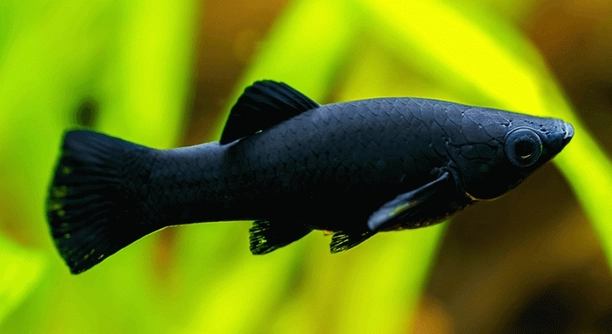
Setting up a new aquarium can be exciting, especially when planning which fish to introduce first. Many fishkeepers wonder if certain species, like Black Mollies, are suitable for a freshly established tank environment.
Adding Black Mollies to a new tank is not recommended. These fish are sensitive to unstable water conditions, including fluctuating pH, ammonia, and nitrite levels. Introducing them too early can lead to stress, illness, or even death.
Understanding the right timing for adding fish ensures a healthier aquarium. Proper preparation protects your Black Mollies and supports a balanced, thriving aquatic environment.
Understanding Black Mollies’ Needs
Black Mollies require stable water conditions to thrive. They are sensitive to ammonia, nitrite, and nitrate levels, which can spike in a new tank. Without a proper cycle, these toxins can stress or harm the fish. Temperature and pH fluctuations are also common in new setups and can affect their immune system. Black Mollies prefer slightly alkaline water with a temperature between 75-82°F. Adding them before the tank matures increases the risk of disease. Proper filtration and regular water changes are essential. Plants and hiding spots provide security, reducing stress. Patience is important, as rushing the process can result in avoidable losses. Monitoring water parameters daily helps ensure a safe environment. Fishless cycling or introducing hardy starter fish can establish beneficial bacteria before adding Black Mollies. The health of your fish depends on preparing the tank correctly and avoiding common mistakes that are often overlooked by new aquarists.
Introducing Black Mollies too early often leads to avoidable health problems. They need patience and proper tank preparation to flourish.
Careful observation is key when the tank is ready. Signs like stable pH, no ammonia spikes, and a thriving bacterial balance indicate the right time for Black Mollies. Gradual introduction helps them adapt without shock. Providing high-quality food and consistent maintenance ensures they stay healthy in their new home.
Cycling a New Tank
A new tank must complete its nitrogen cycle before adding sensitive fish. This process establishes bacteria that convert harmful ammonia to nitrite and then nitrate.
Skipping this step risks toxic water conditions that are deadly for Black Mollies. Patience ensures a safe, thriving aquarium.
Cycling usually takes four to six weeks, depending on tank size and filtration. Adding ammonia sources or hardy fish can speed the process. Testing water daily for ammonia, nitrite, and nitrate ensures the cycle progresses correctly. Beneficial bacteria grow on surfaces like gravel, filter media, and decorations, providing a natural filtration system. During cycling, it is normal to see temporary spikes in ammonia and nitrite levels; these indicate that bacteria are actively processing waste. Consistent temperature and pH management support bacterial growth. Once ammonia and nitrite read zero and nitrate is present, the tank is ready. Gradually introducing Black Mollies allows them to adapt, reducing stress and ensuring long-term health. Following these steps creates a stable, balanced environment, giving your fish the best chance to thrive.
Acclimating Black Mollies
Acclimating Black Mollies slowly reduces stress and prevents shock. Sudden changes in water chemistry can harm them, so gradual adjustment is key.
Start by floating the bag in the tank for 15-20 minutes to equalize temperature. Slowly add small amounts of tank water to the bag every 10 minutes. This helps the fish adapt to pH, hardness, and other chemical differences. Avoid pouring the bag water directly into the tank to minimize contamination. Once the fish appear calm and active, gently release them into the tank. Observing behavior during the first few hours helps detect early signs of stress. Proper acclimation improves survival and ensures the fish settle comfortably into their new environment.
Black Mollies are sensitive to rapid changes, so patience during this process is essential. A slow, careful approach gives them the best chance to thrive.
Acclimation also supports long-term health by allowing the fish to adjust naturally. Introducing them too quickly can weaken their immune system, making them more vulnerable to disease. Regular observation and maintaining stable water parameters after acclimation are important to ensure they continue to adapt successfully. Providing hiding spots and plants gives additional security, helping the fish feel safe and reducing stress further. Maintaining consistent feeding and monitoring water conditions during the first week strengthens their resilience and encourages healthy growth.
Feeding and Care
Black Mollies need a varied diet to stay healthy and active. High-quality flake or pellet food should be supplemented with vegetables like zucchini or spinach.
Overfeeding can lead to water quality issues and health problems. Feed small amounts once or twice daily, ensuring the fish consume it within a few minutes. Removing uneaten food helps prevent ammonia buildup. A balanced diet supports vibrant color, energy, and proper growth. Monitoring their appetite indicates overall health and helps detect early signs of illness. Clean tank conditions and regular partial water changes complement proper feeding, creating a stable environment where Black Mollies can thrive.
Providing proper care also includes observing social behavior and tank mates. Black Mollies are generally peaceful but may show aggression during breeding. Keeping compatible species together reduces stress. Regular maintenance, such as checking filtration and water parameters, ensures the tank remains safe. Attention to these details encourages longevity and a healthy, active fish community. Rotating food types and occasional live or frozen treats add enrichment, supporting both nutrition and natural behaviors. Consistent care routines make the tank a reliable, safe habitat, fostering strong immunity and well-being for Black Mollies.
Water Quality Monitoring
Consistent water testing is essential for Black Mollies. Regular checks of ammonia, nitrite, nitrate, and pH help maintain a safe environment.
Weekly partial water changes support stable conditions. Keeping water clean reduces stress and prevents illness, ensuring the fish remain healthy and active.
Tank Setup Tips
Black Mollies thrive in tanks with plants, hiding spots, and open swimming areas. Filtration should be efficient but not create strong currents. Substrate choice, decorations, and proper lighting contribute to a balanced habitat. Live plants also improve water quality and provide shelter. Maintaining a stable temperature between 75-82°F ensures comfort.
Common Mistakes to Avoid
Overcrowding the tank can stress Black Mollies and lead to disease. Maintain an appropriate fish-to-tank ratio for long-term health.
FAQ
How long should I wait before adding Black Mollies to a new tank?
It is best to wait until the tank has fully cycled, usually four to six weeks. A completed nitrogen cycle ensures beneficial bacteria have established, converting harmful ammonia and nitrite into nitrate. Adding Black Mollies too early exposes them to toxic water conditions, which can lead to stress, illness, or death. Testing water regularly helps determine when the tank is safe.
Can Black Mollies live with other fish in a new tank?
Yes, but only after the tank has matured and water parameters are stable. Black Mollies are peaceful but may chase smaller fish. Ideal tank mates include other livebearers or non-aggressive species. Avoid aggressive or highly territorial fish to reduce stress. Proper acclimation and observing interactions early on help prevent conflicts and maintain a healthy community.
How do I know if my tank is cycled enough for Black Mollies?
You can check by testing water parameters. Ammonia and nitrite should read zero, while nitrate is present. Stable pH and temperature also indicate readiness. Observing fish behavior and plant health can provide additional clues. Cycling kits or test strips make this process simpler for beginners.
What is the best way to acclimate Black Mollies?
Float the sealed bag in the tank for 15-20 minutes to equalize temperature. Add small amounts of tank water every 10 minutes over an hour to gradually adjust them to water chemistry. Avoid pouring the bag water directly into the tank. Release the fish gently and watch for signs of stress or lethargy.
How often should I feed Black Mollies?
Feed once or twice daily, giving only what they can consume in a few minutes. Overfeeding causes water quality issues, including ammonia spikes. Supplement flakes or pellets with vegetables like zucchini or spinach for balanced nutrition. Occasional live or frozen treats promote natural behaviors and support immune health.
What water parameters do Black Mollies prefer?
They thrive in slightly alkaline water with a pH between 7.5 and 8.5. Temperature should stay between 75-82°F. Hard water is preferable, but gradual acclimation allows them to adjust to moderate changes. Regular monitoring prevents sudden fluctuations that can cause stress or illness.
How can I prevent stress in Black Mollies?
Provide hiding spots, plants, and open swimming areas. Maintain stable water parameters and avoid sudden changes in temperature, pH, or water chemistry. Minimize aggressive tank mates and overcrowding. Observing behavior regularly allows early detection of stress, helping you intervene before it affects health.
Can Black Mollies breed in a new tank?
Breeding is possible only after the tank is stable. Females give live birth, and fry are sensitive to poor water quality. Providing plenty of plants or breeding traps ensures fry survival. Avoid moving adults into an immature tank for breeding purposes, as stress and toxins reduce reproductive success.
What should I do if water parameters spike unexpectedly?
Perform partial water changes immediately to reduce ammonia or nitrite. Check filtration for proper function and remove uneaten food. Test again after a few hours to ensure stability. Consistent monitoring and maintenance prevent long-term harm to Black Mollies and other tank inhabitants.
How many Black Mollies can I keep in a tank?
A general guideline is one inch of fish per gallon, but Black Mollies are active swimmers and need more space. Overcrowding leads to stress, aggression, and poor water quality. Plan tank size carefully and add fish gradually after confirming water stability.
Final Thoughts
Black Mollies are beautiful and active fish that can add life to any aquarium. They require stable water conditions, proper care, and patience to thrive, especially in a new tank. Rushing the process by adding them too early can lead to stress, illness, or even death. Ensuring that the tank is fully cycled and that water parameters are stable is essential. Monitoring ammonia, nitrite, nitrate, pH, and temperature helps create a safe environment. A well-prepared tank not only protects the fish but also makes maintenance easier and more predictable. Taking the time to properly set up the tank allows Black Mollies to adjust comfortably and reduces the risk of unexpected problems.
Acclimation is a key step when introducing Black Mollies to any aquarium. Gradually adjusting them to the tank’s water chemistry prevents shock and improves their chances of adapting successfully. Floating the bag to equalize temperature and slowly adding small amounts of tank water helps them get used to pH, hardness, and other chemical differences. Providing hiding spots, plants, and open swimming areas makes them feel secure. Observing their behavior during the first hours in the tank allows you to catch early signs of stress. Consistent care, including feeding high-quality food, removing uneaten leftovers, and keeping water clean, supports their health and helps them settle in comfortably.
Proper feeding, tank maintenance, and attention to water quality are crucial for long-term success with Black Mollies. Overfeeding or overcrowding can quickly lead to poor water quality and health issues. Maintaining the tank through regular partial water changes and consistent monitoring ensures stability. Choosing compatible tank mates and providing a balanced environment reduces stress and encourages natural behaviors. While keeping Black Mollies in a new tank requires patience and careful preparation, following these steps ensures a thriving aquarium. With time, attention, and proper care, Black Mollies can live long, healthy lives, providing enjoyment and visual appeal to any home aquarium.

Hello,
If you enjoy the content that we create, please consider saying a "Thank You!" by leaving a tip.
Every little bit helps us continue crafting quality advice that supports the health, happiness, and well-being of pets around the world, for pets of all shapes, sizes, and species.
We really appreciate the kindness and support that you show us!