
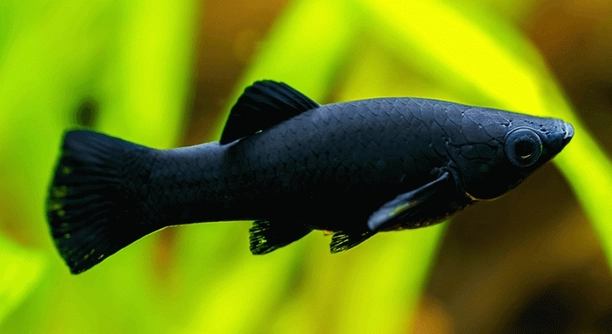
Keeping a Black Molly in your aquarium can be a rewarding experience, especially when you want a peaceful and visually appealing tank. Their dark colors make them a striking addition to freshwater environments.
Black Mollies can generally coexist with most freshwater snails without significant issues. They are primarily herbivorous and do not actively prey on snails, making them compatible in community tanks if water conditions and diet are properly maintained.
Learning how to balance their needs with snails’ requirements ensures a harmonious tank and a thriving aquatic environment for all inhabitants.
Ideal Tank Conditions for Black Mollies and Snails
Creating the right environment is key to keeping Black Mollies and snails together. A tank size of at least 20 gallons is recommended to give both species enough space. Water temperature should be maintained between 72°F and 78°F, and a stable pH of 7.0 to 8.5 works best. Mollies prefer slightly brackish water at times, but freshwater snails can tolerate these conditions if the salinity remains low. Regular filtration helps keep water clean, reducing the buildup of harmful toxins that can stress both mollies and snails. Adding live plants like Java moss or Anubias provides hiding spaces and grazing areas, which snails enjoy and mollies benefit from. Light aeration through a gentle bubbler improves oxygen levels, ensuring both species remain active and healthy. Monitoring water parameters regularly is essential, especially when introducing new snails or mollies to the tank, as sudden changes can affect their health and activity levels.
Maintaining stable water conditions ensures mollies remain active, snails continue grazing, and the tank stays visually balanced.
Proper substrate choice also matters. Sand or fine gravel works best, as it allows snails to move freely without damaging their shells, while mollies can swim comfortably above it. Decorations should include hiding spots like caves or driftwood, reducing stress for both species. Feeding should be managed carefully: Black Mollies thrive on a mix of flake foods, vegetables, and occasional protein, whereas snails mainly eat algae, leftover vegetables, or specialized snail food. Avoid overfeeding, as excess food can pollute water quickly, affecting health. A routine maintenance schedule, including partial water changes and monitoring water chemistry, helps prevent imbalances. Snails also benefit from calcium supplements to strengthen their shells, while mollies enjoy occasional live or frozen treats. Observing behavior daily helps spot any signs of stress, aggression, or illness early, keeping the tank environment safe and harmonious for both mollies and snails.
Feeding Habits and Compatibility
Black Mollies are mostly herbivores and do not hunt snails. They appreciate a balanced diet rich in plant matter and occasional protein treats.
Ensuring snails have access to algae wafers or vegetables prevents them from being tempted to eat mollies’ food, which can lead to competition.
Feeding routines should be consistent. Providing food in small amounts twice daily prevents leftover scraps from fouling the water. Mollies enjoy blanched vegetables like zucchini, spinach, or cucumber, while snails will graze on these leftovers and any natural algae in the tank. It is important to note that mollies may nibble on soft-bodied snails occasionally, especially if the snail population is high and food is limited. Observing interactions during feeding helps identify any minor issues before they escalate. Supplementing calcium for snails ensures their shells stay strong, particularly in tanks with slightly acidic water. Overall, maintaining a structured feeding schedule and monitoring both species’ intake keeps the tank balanced and reduces stress, supporting the health of Black Mollies and snails alike.
Common Snail Species Compatible with Black Mollies
Apple snails, Nerite snails, and Mystery snails are usually compatible with Black Mollies. These snails are hardy and adapt well to typical freshwater conditions, making them ideal tank mates.
Apple snails are larger and need calcium to maintain healthy shells, while Nerite snails are excellent at controlling algae. Mystery snails are peaceful and rarely interact aggressively with fish. All three species enjoy grazing on leftover food and algae, reducing waste in the tank. Proper care includes maintaining clean water, providing hiding spots, and offering supplemental food to ensure they thrive alongside Black Mollies.
When selecting snails, avoid small or delicate species prone to nibbling by mollies. Observing interactions over the first few days can prevent stress or shell damage. Snails reproduce differently, so controlling population through tank size or egg removal is necessary. Adding plants and decorations gives both snails and mollies areas to explore, which keeps them active and reduces conflict. Regular monitoring and maintenance ensure a balanced environment where snails and Black Mollies coexist comfortably and healthily.
Tips to Prevent Conflicts
Separate food sources and consistent feeding schedules reduce competition between Black Mollies and snails. Ensure each species receives proper nutrition daily.
Overcrowding can increase tension, so a spacious tank and sufficient hiding spots are essential. Maintaining water parameters within recommended ranges prevents stress-related aggression.
Observing daily behavior is important. Mollies may occasionally nip at snail shells, especially if food is scarce. Providing enough plant matter and algae supplements helps redirect this behavior. Avoid aggressive tank mates that may disturb snails. Adjusting tank décor, like adding floating plants or caves, offers retreat areas, keeping both species calm. Consistent care, proper feeding, and environmental enrichment reduce stress and support peaceful cohabitation.
Tank Cleaning and Maintenance
Regular tank cleaning prevents waste buildup that can harm both Black Mollies and snails. Partial water changes of 20–25% weekly help maintain water quality and reduce toxins.
Remove leftover food and debris to prevent algae overgrowth. A clean filter and vacuumed substrate keep the environment healthy and stress-free for all tank inhabitants.
Signs of Stress in Mollies and Snails
Lethargy, loss of appetite, or unusual hiding can indicate stress in mollies and snails. Shell erosion or discoloration in snails also signals poor water conditions. Observing these signs early allows adjustments to diet, tank conditions, or population balance to improve health.
Breeding Considerations
Black Mollies breed readily in home aquariums, which can affect snails. Fry may compete for food, and overcrowding can stress both species. Providing separate breeding areas or additional hiding spaces helps reduce tension and supports healthy growth for mollies and snails alike.
Adjusting Water Parameters
Maintaining stable temperature, pH, and hardness is crucial. Small fluctuations can stress mollies and weaken snail shells. Regular testing and gradual adjustments keep the tank safe and ensure both species remain active and healthy.
FAQ
Can Black Mollies harm snails?
Black Mollies are generally peaceful and do not actively attack snails. They may nibble on very small or soft-bodied snails occasionally, especially if food is scarce. Providing adequate food and hiding spots for snails reduces the chance of this behavior.
What is the best tank size for keeping Black Mollies with snails?
A minimum of 20 gallons is recommended. This allows enough swimming space for mollies and grazing areas for snails. Overcrowding can stress both species and increase the risk of accidental shell damage or aggressive behavior.
Which snails are safest with Black Mollies?
Apple snails, Nerite snails, and Mystery snails are among the most compatible species. They are hardy, non-aggressive, and able to thrive in similar water conditions as Black Mollies. Delicate or very small snails may be more at risk.
How often should I feed Black Mollies and snails?
Feeding twice daily in small portions works best. Mollies benefit from flake foods, vegetables, and occasional protein treats. Snails eat algae, leftover vegetables, and specialized snail food. Consistent feeding prevents competition and reduces stress for both species.
Do I need to supplement calcium for snails?
Yes, calcium strengthens snail shells. If water is soft or slightly acidic, adding a calcium source like cuttlebone or liquid supplements helps prevent shell erosion and supports overall health.
Can Mollies and snails share the same water conditions?
Yes, as long as water parameters are stable. Black Mollies prefer slightly alkaline water with a pH around 7.0–8.5 and temperatures between 72–78°F. Most freshwater snails tolerate these conditions, though very high salinity should be avoided.
How do I prevent overpopulation of snails?
Snails reproduce quickly. Limiting breeding by removing eggs or controlling the number of adults helps maintain balance. A larger tank with hiding spots can also reduce stress caused by high population density.
What signs indicate a stressed snail or molly?
Lethargy, reduced appetite, hiding, or unusual swimming patterns indicate stress. In snails, shell erosion, discoloration, or inactivity are warning signs. Monitoring behavior allows early adjustments to food, tank size, or water conditions.
Is it necessary to separate mollies and snails during breeding?
Not always, but it can help. Mollies breed easily, and fry may compete with snails for food. Providing separate breeding tanks or additional hiding areas minimizes stress and improves survival rates for both mollies and snails.
How do I maintain water quality in a shared tank?
Regular water changes of 20–25% weekly, cleaning leftover food, vacuuming substrate, and maintaining a functional filter keeps water clean. Stable parameters and proper aeration reduce stress and support healthy mollies and snails.
Can Mollies live with snails long-term?
Yes, with proper care. Adequate tank size, consistent feeding, hiding spaces, and regular maintenance allow Black Mollies and snails to coexist peacefully. Observing behavior and adjusting conditions when needed ensures long-term harmony.
Are there any decorations that help reduce stress?
Yes, plants, caves, and driftwood provide hiding spots for snails and resting areas for mollies. Floating plants or moss give snails surfaces to graze on and reduce tension during feeding times.
Do Black Mollies eat snail eggs?
They rarely do, but it can happen if eggs are easily accessible and food is limited. Placing eggs in hidden areas or removing them helps protect snail populations.
How do I monitor tank health effectively?
Test water for ammonia, nitrites, nitrates, pH, and hardness weekly. Observe fish and snails daily for signs of stress or illness. Proper feeding, regular maintenance, and keeping a balanced population support a healthy tank environment.
What happens if the water parameters fluctuate?
Fluctuations can stress both mollies and snails. Mollies may become lethargic or stop eating, while snail shells can erode. Gradual adjustments and careful monitoring help prevent damage and maintain harmony in the tank.
Can I keep other fish with Black Mollies and snails?
Peaceful community fish like guppies or tetras usually coexist well. Aggressive species or fin-nippers can stress mollies and snails, so choose tank mates carefully to ensure a calm environment.
How do I handle a sudden snail die-off?
Check water quality immediately, as poor parameters often cause mass deaths. Remove dead snails promptly to prevent contamination, and evaluate feeding, temperature, and chemical exposure. Maintaining a clean and stable environment helps prevent future issues.
Are Black Mollies sensitive to water changes?
They tolerate gradual water changes well. Sudden or large changes can cause stress. Replacing 20–25% of the water weekly ensures stable conditions for both mollies and snails.
Do snails help clean the tank?
Yes, snails eat leftover food and algae, reducing waste buildup. However, they do not replace regular maintenance, as overfeeding or debris accumulation can still harm water quality.
Can Black Mollies and snails live in the same tank indefinitely?
Yes, with consistent care. Providing enough space, proper diet, stable water parameters, and hiding spots allows long-term peaceful cohabitation and a thriving tank ecosystem for both species.
Final Thoughts
Keeping Black Mollies with snails can be a straightforward and rewarding experience when the proper steps are taken. Both species are generally peaceful, and with the right tank setup, they can coexist without major issues. Tank size plays a critical role, as providing enough space allows mollies to swim freely and snails to explore and graze comfortably. Overcrowding can lead to stress, accidental damage to snail shells, and even minor aggression from mollies. Ensuring the tank is equipped with adequate hiding spots, such as plants, caves, or driftwood, benefits both species. Snails feel secure when they have places to retreat, and mollies can enjoy open swimming areas without feeling crowded. Consistent monitoring of their behavior during the first days of introduction is helpful to identify any potential problems early and to make adjustments to the environment if needed.
Water conditions are another key factor in maintaining harmony. Black Mollies thrive in slightly alkaline water with a pH between 7.0 and 8.5 and a temperature range of 72°F to 78°F. Most freshwater snails can tolerate these conditions, though some species require slightly more specific parameters to maintain healthy shells. Regular testing of water parameters, including pH, ammonia, nitrites, and nitrates, helps ensure a safe and stable environment. Partial water changes of around 20–25% weekly prevent toxin buildup and maintain clarity. Maintaining clean filters and removing leftover food also reduces the risk of algae overgrowth and water contamination. In addition, adding calcium supplements for snails can prevent shell deterioration and support their long-term health. A stable environment reduces stress, encourages natural behaviors, and promotes healthy growth for both mollies and snails.
Feeding routines and diet management are equally important. Black Mollies require a balanced mix of flake foods, blanched vegetables, and occasional protein treats, while snails primarily feed on algae, leftover vegetables, and supplemental snail food. Providing consistent feeding schedules helps reduce competition for food and prevents stress-related behaviors. Monitoring interactions during feeding ensures that mollies do not accidentally nibble on snail shells or eggs. Overfeeding should be avoided, as leftover food can quickly degrade water quality and create harmful conditions. By carefully observing behavior, maintaining water quality, and providing adequate nutrition, a peaceful and thriving aquarium can be achieved. Following these steps allows both Black Mollies and snails to coexist comfortably, offering a visually appealing and low-stress aquatic environment over the long term.

Hello,
If you enjoy the content that we create, please consider saying a "Thank You!" by leaving a tip.
Every little bit helps us continue crafting quality advice that supports the health, happiness, and well-being of pets around the world, for pets of all shapes, sizes, and species.
We really appreciate the kindness and support that you show us!