
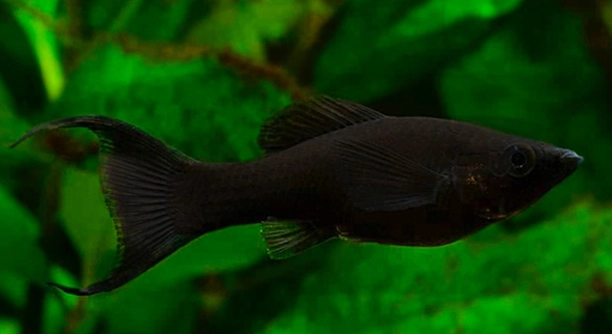
Have you ever wondered how keeping black mollies with shrimp can shape your tank setup, allowing both species to live calmly while adding gentle movement and a simple sense of harmony to your freshwater environment.
Black mollies can live with shrimp when water conditions and habitat structure are carefully maintained, since stable parameters and ample hiding spaces reduce predation risks and support peaceful coexistence, allowing both species to thrive within a managed freshwater aquarium environment.
As you explore this pairing, uncover simple details that shape their comfort, creating a clearer path toward a calm community.
Understanding Their Compatibility
Keeping black mollies with shrimp requires a clear understanding of how each species behaves in a shared tank. Both rely on stable water parameters, gentle filtration, and calm surroundings, but shrimp need extra shelter to feel secure. By giving them areas where they can move freely without frequent disturbance, you help reduce stress that might develop from active mollies. Using plants, small caves, and leaf litter creates natural barriers that break up the space, keeping interactions mild. Black mollies are generally peaceful, yet they may nibble on tiny shrimp if the tank feels too open. Maintaining good feeding habits supports better behavior, since well fed mollies show less interest in chasing shrimp. Regular water testing prevents sudden changes that could harm both species. With careful attention, this mix becomes easier to manage, letting you enjoy a stable setup that feels balanced, gentle, and pleasant to care for each day daily.
Shrimp thrive when they can retreat into safe spaces, so creating covered areas helps them feel settled while mollies move through the open water. Consistent feeding, clean water, and steady temperatures support the calm behavior needed for both species to live together without unnecessary tension in a shared tank environment.
Watching how black mollies and shrimp interact helps you adjust your setup with more confidence. You might notice mollies exploring every corner while shrimp prefer quiet, shaded areas. Designing the layout with tall plants and scattered shelters keeps activity balanced. Strong lighting can make shrimp hide too often, so softer lighting works better. Feeding a mix of flakes, algae wafers, and blanched vegetables keeps mollies satisfied, lowering the chance of them bothering shrimp. Regular maintenance, simple routines, and steady care allow both species to remain comfortable, giving your tank a calm and steady rhythm that feels pleasant to manage daily.
Setting Up the Right Tank Conditions
Good tank conditions support the peaceful mix of black mollies and shrimp, keeping stress low for both species. Stable parameters, gentle filtration, and plenty of cover create a safer space. Clear routines and simple upkeep help maintain a healthy environment that supports predictable, calm behavior in your aquarium each day.
Creating a suitable tank for black mollies and shrimp begins with keeping water parameters steady, since both species react poorly to rapid shifts. Maintaining moderate hardness, a gentle current, and clean filtration supports their comfort. Shrimp depend on dense plants, mosses, and small shelters to escape attention from curious mollies, so adding these features helps minimize stress. A larger tank reduces crowding and allows shrimp to establish small territories where they can feed without feeling exposed. Feeding routines also matter, because hungry mollies are more likely to explore areas used by shrimp. Offering balanced meals on a regular schedule keeps their attention focused and prevents unnecessary chasing. Substrate choice plays a role as well, with fine gravel or sand helping shrimp search for food without difficulty. Stable lighting that is not overly bright gives shrimp room to roam while mollies remain active in the open sections. Regular water changes, steady cleaning habits, and simple equipment checks keep the environment balanced. By combining good structure, thoughtful placement, and consistent care, you give both species a calm setting that supports gentle behavior, making the tank easier to manage and more pleasant to watch each day in a steady and comforting way overall.
Feeding Practices for Peaceful Coexistence
Feeding black mollies and shrimp requires simple routines that keep both species calm. Offering food in small portions prevents wandering behavior that can bother shrimp. Placing sinking foods near sheltered areas also helps shrimp eat without feeling exposed or interrupted by active mollies nearby.
Feeding a mix of flakes, algae wafers, and blanched vegetables helps mollies stay satisfied while giving shrimp access to gentle foods they can pick apart at their own pace. Spreading food in different parts of the tank lowers competition and keeps shrimp from rushing into open areas where they may feel uneasy. Consistent feeding times help both species settle into predictable habits that reduce stress. Shrimp often graze throughout the day, so leaving small amounts of plant based foods allows them to feed slowly. With steady routines, both species maintain calm behavior that supports a peaceful tank.
Keeping the feeding process organized creates a more balanced environment. Mollies tend to explore every corner when hungry, so meeting their needs early helps minimize unwanted attention toward shrimp. Using sinking pellets and leaf litter gives shrimp safe spaces to eat. Clean feeding spots and regular removal of leftovers prevent water issues that could disturb both species. Simple planning and gentle habits make feeding smoother for the entire tank.
Managing Behavior and Preventing Stress
Behavior management becomes easier when the environment feels steady and predictable. Shrimp react quickly to changes, so even small adjustments should be made slowly. Giving them shaded hiding spots keeps stress low while mollies occupy the brighter open areas with steady movement and calmer routines.
Preventing stress starts with keeping the tank layout stable, since frequent redecorating can cause both species to feel unsettled. Shrimp rely on consistent structures like moss, driftwood, and cave like spaces to stay secure. Mollies stay more relaxed when swimming areas remain open and uncluttered. Watching their daily behavior helps you spot early signs of tension, such as shrimp hiding nonstop or mollies pacing more than usual. Gentle lighting, regular cleaning, and smooth filtration all support predictable behavior. When the environment remains steady, both species adapt more easily, creating a calm tank that feels pleasant to maintain each day.
Choosing the Right Tank Mates
Picking additional tank mates requires careful thought since both mollies and shrimp prefer calm environments. Peaceful species like snails and small schooling fish work well when the tank is large enough. Avoid fish that chase or nip, since this quickly unsettles shrimp.
Selecting species with similar needs helps keep the tank stable. Fish that thrive in steady temperatures and gentle currents are safer options. Making sure everyone has space prevents crowding and reduces stress. A balanced mix of calm species keeps interactions mild and the tank easier to manage.
Maintaining Water Quality
Clean water supports the health of both mollies and shrimp, so consistent care is necessary. Regular water changes prevent buildup that harms sensitive shrimp. Gentle filtration with steady flow keeps oxygen levels comfortable. Testing your water often helps you catch issues before they grow.
Monitoring Growth and Population
Watching how quickly shrimp multiply helps prevent overcrowding. Mollies stay calmer when the tank feels balanced and not overly packed. Regular checks give you a clear idea of when to adjust space or add more hiding spots.
FAQ
Can black mollies accidentally eat shrimp in a shared tank?
Black mollies may eat very small or freshly hatched shrimp if the tank lacks proper cover. Shrimp that do not have places to hide often wander into open areas where mollies naturally explore. Adding dense plants, moss, and small shelters gives shrimp safe zones that keep them out of reach. As shrimp grow, they become less vulnerable, especially when the tank layout offers plenty of hiding spots. Keeping mollies well fed also helps lower the chances of them chasing or nipping at tiny shrimp. With the right setup, the risk becomes much smaller and more manageable.
How can I protect baby shrimp when mollies are present?
Baby shrimp need dense cover since they are the most vulnerable stage. Using moss walls, driftwood, and leaf litter creates layers of shelter where they can hide and feed without interruption. Feeding the tank lightly with small sinking foods gives them access to gentle meals while keeping mollies busy. A mature tank with lots of biofilm also helps babies grow safely, since they can graze quietly in spots mollies rarely visit. Regular observation helps you see where they gather so you can adjust the setup to support better survival.
Do mollies stress shrimp by swimming too actively?
Mollies are naturally active fish, and their movements can bother shrimp if the tank is too open or bright. Shrimp tend to relax when they have shaded, covered areas where movement above them feels less overwhelming. Using plants and simple structures breaks up the space and keeps shrimp from feeling exposed. A gentle current also supports calm behavior, allowing mollies to move steadily instead of darting around. When the environment feels settled, shrimp adapt to the activity without showing signs of stress.
How often should I clean a tank that holds both mollies and shrimp?
Consistent cleaning supports the comfort of both species. Light weekly water changes help keep ammonia and nitrite levels low, protecting sensitive shrimp from sudden shifts. Vacuuming gently around plants and decorations prevents waste buildup without disturbing hiding areas. Clean filter media in stages instead of all at once to avoid losing beneficial bacteria. These simple habits maintain a stable environment that keeps both mollies and shrimp healthy.
Do shrimp need special food when living with mollies?
Shrimp benefit from having their own sinking foods that break down slowly. Algae wafers, blanched vegetables, and small pellets help them feed without competing with mollies. They also graze on biofilm throughout the day, so a mature tank supports their natural feeding style. While mollies may taste shrimp food, giving shrimp their own feeding spots near shelters keeps meals accessible. Balanced feeding routines make the tank calmer and reduce unnecessary interaction between the two species.
Is a larger tank always better when mixing mollies and shrimp?
A larger tank gives both species more space, making it easier to maintain peaceful behavior. More room allows mollies to swim freely while shrimp settle into their own quiet areas. Extra space also helps prevent crowding, which can cause stress for shrimp. With a bigger layout, you can create varied zones that support different behaviors, giving each species what it needs without constant overlap. While small tanks can work with careful maintenance, larger spaces make everything smoother and more predictable.
What signs indicate that shrimp feel unsafe around mollies?
Shrimp that feel unsafe hide constantly, move less, or avoid open areas completely. They may stay tucked under plants even during feeding times. If mollies hover around hiding spots too often, shrimp may become more skittish. Sudden darting, unusual stillness, or pale coloration can also signal stress. Watching these behaviors helps you adjust the tank with better shelter, softer lighting, or redirected feeding areas. Small changes can make shrimp feel more secure, improving the comfort of the whole tank.
Can I keep different shrimp species with mollies?
Many common shrimp species can live with mollies as long as they have similar water needs and plenty of hiding areas. Neocaridina and Amano shrimp adapt well when the tank is well planted and stable. Mixing shrimp types requires good space, gentle conditions, and careful monitoring. When the setup is balanced, multiple shrimp species can stay comfortable even with mollies nearby.
Final Thoughts
Caring for black mollies and shrimp in the same tank can feel steady and manageable when you understand what each species needs. Both react well to calm environments, simple layouts, and predictable routines. By giving shrimp enough shelter and keeping the swimming areas open for mollies, the tank becomes easier for both to settle into. Even small details, like where you place plants or how bright the lighting is, can influence how comfortable they feel. When the space is arranged in a thoughtful way, each species finds a place where it can behave naturally. This creates a tank that feels quiet, balanced, and pleasant to watch every day. Taking your time to observe their habits also helps you understand how they respond to different conditions, making it easier to adjust things gently without causing stress.
Feeding becomes a smoother process when you keep things simple and consistent. Shrimp prefer slow, steady feeding that allows them to graze without interruption, while mollies do better with small, controlled portions that prevent wandering behavior. Providing food in different sections of the tank keeps each species focused on its own space. This lowers the chance of unwanted chasing or disturbance. Regular maintenance, including gentle cleaning and stable water changes, keeps both species comfortable. Shrimp are sensitive to sudden shifts, so steady care prevents environmental changes that could unsettle them. Mollies adapt better to small changes, but they thrive more when conditions remain stable. With calm routines and simple upkeep, the tank becomes predictable, which supports the natural behavior of both species.
A well structured tank encourages a long term peaceful mix, but it also requires you to stay aware of the small signs that show how each species is feeling. When shrimp hide too much or mollies become restless, it usually means the setup needs a small adjustment. Adding more plants, softening the lighting, or improving feeding habits can make a noticeable difference. Over time, you learn how each species communicates comfort or discomfort through its daily behavior. This makes you more prepared to offer what they need, keeping the tank balanced even as populations grow or conditions shift. With patience and gentle care, keeping black mollies and shrimp together becomes a pleasant experience that brings a sense of calm to your home. The mix remains peaceful when the tank is stable, the routines are simple, and the environment is designed to support both species without unnecessary stress.

Hello,
If you enjoy the content that we create, please consider saying a "Thank You!" by leaving a tip.
Every little bit helps us continue crafting quality advice that supports the health, happiness, and well-being of pets around the world, for pets of all shapes, sizes, and species.
We really appreciate the kindness and support that you show us!