
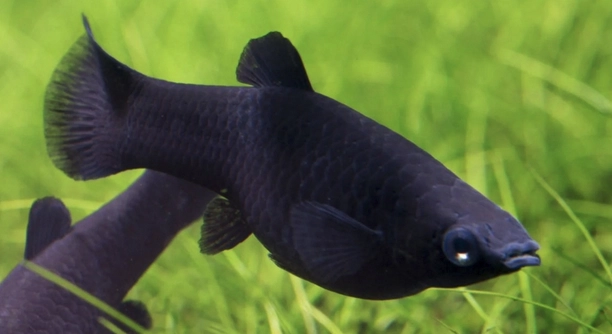
Do you ever bring home new black molly fish but feel unsure about the best way to keep them safe from illness? Quarantining them properly is key to protecting your existing aquarium fish.
Quarantining new black molly fish involves setting up a separate tank with controlled water conditions. Monitor temperature, pH, and cleanliness while observing the fish for at least two to four weeks for signs of disease before introducing them to the main tank.
Following these steps will help prevent disease and stress, ensuring your fish thrive in their new home and maintain a healthy environment.
Setting Up the Quarantine Tank
When I first set up a quarantine tank for my black molly fish, I realized the importance of keeping it simple but effective. A separate tank prevents new fish from spreading diseases to your established aquarium. I used a 10-gallon tank, which is enough space for a few mollies, and added a gentle filter to maintain water quality. I kept the water temperature steady at around 76°F and checked the pH daily to ensure it stayed between 7.0 and 8.0. Adding a few hiding spots with plants helped the fish feel secure and reduced stress. I avoided overfeeding, giving small amounts once or twice a day. Observing the fish closely for any unusual behavior, spots, or signs of illness was essential. The first few days were critical, as this is when stress-related issues often appear. Keeping the tank clean and stable helped the mollies adjust safely to their new environment.
Keeping a quarantine tank simple and stable is key to reducing stress and preventing disease before moving fish to the main tank.
I found that maintaining water conditions consistently was more important than fancy decorations. Even minimal plants and hiding spaces helped the mollies feel secure. Clean water, stable temperature, and daily observation made all the difference.
Monitoring and Health Checks
Observing the black molly fish daily is essential to catch early signs of illness.
During the quarantine period, I monitored behavior, appetite, and physical signs closely. Mollies that hide constantly, have clamped fins, or show white spots need immediate attention. I kept a small net handy in case a fish needed to be isolated for treatment. I tested water regularly to prevent sudden changes in ammonia, nitrite, or nitrate levels. Maintaining a stress-free environment by avoiding sudden movements and loud noises helped the fish settle. Feeding small portions and removing uneaten food prevented water contamination. Any signs of lethargy or unusual swimming patterns were noted, and I adjusted conditions as needed. The two to four-week quarantine period allows for early detection of common issues like ich, fin rot, or parasites. Keeping detailed notes on each fish’s condition helped me track changes and respond quickly. Following these monitoring steps ensures that only healthy mollies join the main aquarium, protecting all fish from potential problems.
Feeding During Quarantine
Feeding black molly fish in quarantine requires small, controlled portions. Overfeeding can quickly deteriorate water quality and stress the fish, so it is important to give only what they can consume in a few minutes.
I fed my mollies once or twice daily with high-quality flake food and occasional frozen brine shrimp. Small, frequent meals kept the fish healthy and active without overloading the tank. Uneaten food was removed promptly to prevent ammonia buildup. I observed their appetite closely, noting any changes that could indicate illness. Rotating food types occasionally ensured they received balanced nutrition, supporting immune health. Maintaining consistent feeding habits reduced stress, helping the fish adjust to the quarantine environment. This approach kept the fish energetic and ready for transfer to the main tank.
I noticed that mollies became more comfortable with routine feeding, reducing their hiding behavior. The combination of small meals, varied diet, and clean water helped them stay healthy and active during quarantine.
Water Maintenance and Cleaning
Regular water changes are critical in a quarantine tank. I performed partial water changes every two to three days to keep ammonia and nitrate levels low.
I used a siphon to remove debris without disturbing the fish too much. Replacing 25 to 30 percent of the water each time maintained stability while keeping the tank clean. I treated tap water with a dechlorinator before adding it, ensuring it was safe for the mollies. I monitored temperature and pH during changes to avoid sudden fluctuations. Proper filtration and aeration supported oxygen levels, while careful cleaning of the substrate prevented buildup of waste. Observing fish behavior during and after water changes helped me adjust the routine as needed. This consistent maintenance kept the fish healthy and minimized stress, providing a safe environment during the quarantine period.
Cleaning the tank carefully and consistently prevented water-related issues. Regular partial changes, dechlorinated water, and stable conditions ensured the mollies remained healthy and ready for a smooth introduction to the main aquarium.
Introducing New Fish Gradually
I added new black molly fish slowly to prevent stress. I floated their bag in the quarantine tank for 15 to 20 minutes to equalize temperature.
Afterward, I added small amounts of tank water to the bag every few minutes. This helped the fish adjust to water conditions gradually and reduced the risk of shock.
Observing Behavior Patterns
Watching behavior during quarantine is essential. I noted swimming patterns, interactions, and appetite.
Active fish that explore the tank and eat regularly are usually healthy. Any signs of lethargy, clamped fins, or erratic swimming can indicate stress or illness, requiring closer observation or treatment to ensure their safety.
Preparing for Transfer
I prepared the main aquarium by ensuring water conditions matched the quarantine tank. Temperature, pH, and cleanliness were stabilized.
Avoiding Common Mistakes
I avoided overfeeding and sudden water changes. These errors can stress black molly fish and increase susceptibility to disease. Careful handling and patience ensured a smooth quarantine process and healthy fish.
How long should I quarantine new black molly fish?
I quarantined my black mollies for about three weeks. This period allows enough time to observe any signs of disease, stress, or unusual behavior before introducing them to the main tank. Two to four weeks is generally recommended to ensure they are healthy.
What size tank is suitable for quarantine?
A 10-gallon tank worked well for a small group of mollies. It provides enough space for swimming without overcrowding. The tank should have a filter and some hiding spots to reduce stress. Keeping it simple makes maintenance easier and prevents complications.
How often should I feed fish in quarantine?
Feeding once or twice daily in small portions is ideal. Overfeeding can quickly affect water quality. I removed uneaten food promptly to prevent ammonia buildup. Small, controlled meals keep fish healthy and help monitor their appetite for signs of illness.
What type of food is best during quarantine?
High-quality flake food works well, supplemented occasionally with frozen or live foods like brine shrimp. Providing a balanced diet supports immune health. I rotated food types to ensure nutrition without overwhelming the tank. This keeps the fish energetic and less stressed.
How should I maintain water quality?
Partial water changes every two to three days help keep ammonia and nitrate levels low. I replaced 25 to 30 percent of the water each time and treated tap water with a dechlorinator. Consistent monitoring of temperature, pH, and oxygen levels is essential.
Should I treat water with medications preemptively?
I avoided using medications unless there were visible signs of disease. Preemptive treatments can stress healthy fish and disrupt the biological balance of the tank. Monitoring and only treating when necessary keeps the fish safe and reduces unnecessary chemical exposure.
How do I check for signs of disease?
I observed swimming patterns, appetite, and physical appearance daily. White spots, fin damage, or lethargy can indicate illness. Early detection allows for prompt treatment. Keeping notes of behavior helped me notice subtle changes before they became serious.
Can I keep multiple species in quarantine together?
I only quarantined mollies with other mollies. Mixing species can introduce unknown risks and stress. Keeping the same species makes monitoring easier and reduces competition or aggression in the tank. Compatibility is crucial for a smooth quarantine.
When is it safe to move fish to the main tank?
Fish can be transferred once they show healthy behavior, strong appetite, and no signs of disease for the full quarantine period. I acclimated them slowly to the main tank conditions by gradually adding main tank water to the quarantine tank before release.
How do I reduce stress during quarantine?
Minimizing handling, avoiding sudden water changes, and providing hiding spots helped my mollies stay calm. A stable routine and gentle observation reduce stress, allowing fish to adjust naturally. Stress management is as important as monitoring for illness.
Is lighting important in quarantine?
I used normal aquarium lighting on a regular day-night cycle. Proper lighting supports normal behavior and feeding patterns. Avoiding extreme brightness prevents stress, while providing enough light helps the fish feel secure and maintain a healthy routine.
What should I do if a fish shows illness?
I immediately isolated any sick fish in a hospital tank. Early intervention with appropriate treatment prevented the spread of disease. Continuing to monitor the remaining fish and adjusting water conditions ensured overall tank health. Prompt response is critical for quarantine success.
Can I skip quarantine if my main tank is healthy?
I never skip quarantine. Even healthy tanks can introduce pathogens through new fish. Quarantining protects existing fish and prevents outbreaks. It is a small effort that saves stress and potential losses in the long term.
How do I handle the fish safely?
I used a soft net and handled the fish gently only when necessary. Minimizing direct contact reduces stress and the risk of injury. Observing them without interference was usually enough to monitor health during quarantine.
How often should I test water parameters?
Daily checks of temperature, pH, ammonia, nitrite, and nitrate levels are essential. I kept a small log to track changes. Monitoring consistently helps catch problems early and keeps the fish healthy during the quarantine period.
Can quarantine prevent all diseases?
While it reduces risk significantly, quarantine cannot guarantee absolute protection. I still monitored fish after moving them to the main tank. Early detection and proper care remain important for long-term health.
Is quarantine stressful for fish?
Quarantine can be slightly stressful, but providing stable water conditions, hiding spots, and minimal handling helps the fish adjust. I noticed my mollies became more active as they acclimated, showing that proper care reduces stress over time.
Should I clean the tank during quarantine?
Yes, I performed light cleaning with partial water changes and debris removal. I avoided disturbing the fish too much while keeping water quality high. Regular maintenance prevents issues without adding unnecessary stress.
How do I know the quarantine is successful?
When the fish display normal swimming, strong appetite, no visible illness, and stable behavior for the full period, I considered quarantine successful. Healthy fish are ready for safe integration into the main tank.
Quarantining new black molly fish is a small but essential step in keeping an aquarium healthy. When I first started, I underestimated how important it was to give new fish their own space. The quarantine period allows for careful observation of behavior, appetite, and physical condition. It helps prevent the spread of disease to established fish and reduces stress on both new and existing tank members. Even a short quarantine period can make a big difference in the long-term health of your aquarium. It also gives you time to ensure water conditions are stable and suitable before introducing the fish to a more complex environment. I found that keeping the quarantine tank simple but well-maintained worked best. A modest tank size, a gentle filter, stable temperature, and a few hiding spots were all that was needed to create a safe environment for the fish to adjust.
During quarantine, attention to detail is key. I monitored water parameters daily, including temperature, pH, and ammonia levels. Regular partial water changes kept the environment clean and reduced stress on the fish. Feeding small portions once or twice a day helped maintain water quality and allowed me to track each fish’s appetite. Observation was the most important part of the process. I noted swimming patterns, interactions, and any signs of illness, such as clamped fins, white spots, or lethargy. By paying attention to these details, I could catch problems early and take action before they affected the rest of the tank. It also became clear how routine and consistency help fish feel secure. Stable water conditions, gentle handling, and a predictable feeding schedule kept the black mollies healthy and active throughout the quarantine period.
Quarantine may seem time-consuming, but it is a worthwhile investment for both the fish and the tank. I learned that patience and careful monitoring reduce stress, prevent disease, and make the transition to the main tank much smoother. Preparing a quarantine tank properly and following consistent maintenance practices ensure that new fish integrate well into the aquarium. Once the quarantine period ended, I felt confident that the black mollies were healthy and ready to join the main tank. They were active, eating well, and exploring their surroundings. Taking these steps may require extra effort, but it protects your existing fish and creates a safer, healthier environment for all aquatic life. In my experience, quarantine is not just a precaution; it is an essential part of responsible fishkeeping that ensures long-term success and enjoyment of your aquarium.

Hello,
If you enjoy the content that we create, please consider saying a "Thank You!" by leaving a tip.
Every little bit helps us continue crafting quality advice that supports the health, happiness, and well-being of pets around the world, for pets of all shapes, sizes, and species.
We really appreciate the kindness and support that you show us!