
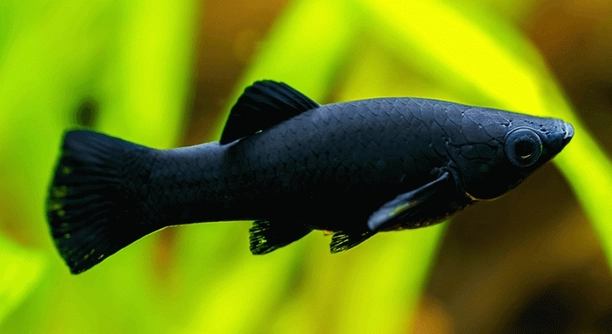
Keeping black molly fish in a home aquarium can be rewarding, but stress can affect their health and behavior. Small changes in their environment can make a big difference, creating a calmer, more stable habitat for them.
Stress in black molly fish can be reduced through proper water conditions, balanced diet, consistent lighting, suitable tank mates, and minimal disturbances. Ensuring an appropriate environment promotes health, prevents disease, and supports natural behavior patterns effectively.
Implementing these simple adjustments can improve your black molly’s well-being and create a more peaceful aquarium environment overall.
Maintain Stable Water Conditions
Black molly fish are very sensitive to changes in their environment. Sudden fluctuations in temperature or pH can cause stress and weaken their immune systems. Regularly testing water parameters and keeping them within the recommended ranges is essential. Use a reliable heater and thermometer to maintain consistent temperature. Avoid overcrowding the tank, as it can lead to poor water quality and increased aggression among fish. Performing partial water changes weekly helps remove waste and keeps the water clean, reducing stress. Providing a proper filtration system ensures that toxins like ammonia and nitrite are minimized. Adding live plants can improve oxygen levels and create hiding spaces, giving black mollies a sense of security. Keeping lighting consistent also supports their natural day-night rhythm, which affects feeding and activity. Small, steady adjustments rather than sudden changes are always better. Monitoring your fish daily helps catch early signs of stress and ensures they remain healthy and active in their aquarium environment.
Stable water conditions reduce stress, prevent disease, and promote normal behavior in black molly fish. Maintaining proper temperature, pH, and cleanliness is crucial for their health.
Consistent water care improves overall fish health. When fish are less stressed, they eat better, swim actively, and display natural behaviors. Over time, this creates a balanced and peaceful tank environment, making maintenance easier and your black mollies more vibrant and healthy.
Provide Hiding Spaces
Black mollies feel safer when they have areas to retreat. Plants, rocks, and small decorations allow them to hide and explore freely.
Providing hiding spots helps reduce stress and encourages natural behaviors. Use smooth decorations and live or artificial plants to create multiple spaces, so each fish has its own area.
Hiding spaces not only offer security but also improve the visual appeal of your aquarium. They allow black mollies to rest or escape if tankmates become too active. Plants can also help maintain water quality by absorbing nitrates. Multiple hiding spots prevent territorial disputes and support social dynamics, giving each fish a place to feel safe. By arranging the tank thoughtfully, you create a healthier environment that reduces stress, promotes natural activity, and encourages curiosity. Black mollies tend to explore more when they have secure areas, which contributes to stronger overall health and longer life. Small additions like caves or dense plant clusters are effective and easy to manage.
Keep a Consistent Feeding Schedule
Black mollies do best with a regular feeding routine. Feeding at the same times daily reduces stress and supports healthy digestion. Avoid overfeeding, as leftover food can foul the water and harm your fish.
Consistent feeding helps regulate their metabolism and keeps their energy levels stable. Offer small portions two to three times a day instead of one large meal. Vary their diet with high-quality flakes, pellets, and occasional live or frozen foods like brine shrimp or bloodworms. Observing their eating habits helps you notice changes in appetite, which can signal stress or illness. Proper feeding also prevents aggressive behavior caused by competition for food, allowing all fish to eat comfortably and maintain their health.
Overfeeding can lead to water quality issues and obesity in black mollies. Removing uneaten food promptly and keeping a steady feeding schedule ensures the tank stays clean. Healthy feeding habits support growth, vibrant coloration, and normal activity, creating a calm and thriving aquarium environment.
Maintain Proper Tank Mates
Black mollies thrive with compatible tank mates that do not provoke aggression. Choose peaceful fish of similar size to prevent bullying and stress.
Introducing compatible species reduces competition and promotes social harmony. Aggressive or territorial fish can intimidate black mollies, causing hiding or reduced activity. Research each species’ temperament before adding them to the tank. Avoid fin-nipping or overly active species that may stress your fish. Ensure enough space for all fish, providing multiple hiding spots to reduce confrontations. Compatible tank mates support natural behaviors and create a balanced community tank where black mollies can swim freely without constant fear.
A well-planned community tank encourages interaction while minimizing stress. Observing behavior after introducing new fish ensures everyone coexists peacefully. Proper selection of tank mates prevents bullying, territorial disputes, and stress-related illness in black mollies. Spacing decorations and plants strategically allows fish to establish their own territories, giving each individual room to feel secure. Maintaining compatible species fosters natural activity patterns, supports overall health, and contributes to a calm, visually appealing aquarium environment that benefits all inhabitants.
Avoid Sudden Environmental Changes
Black mollies are sensitive to abrupt changes in temperature, lighting, or water chemistry. Sudden shifts can trigger stress responses and weaken their immune system.
Gradual adjustments are essential. When changing water or moving decorations, do it slowly over several hours or days. This approach helps black mollies adapt without panic and maintains a stable, healthy environment for them.
Keep the Tank Clean
Regular cleaning prevents buildup of waste and harmful chemicals. A clean tank reduces stress and disease risks in black mollies.
Maintaining cleanliness involves weekly partial water changes and routine removal of uneaten food. Use a gravel vacuum and clean filters as needed to keep the water clear. Clean tanks support healthy fish behavior, proper growth, and longevity by providing an environment that mimics natural conditions and keeps stress levels low.
Monitor Behavior
Observing black mollies daily helps detect stress early. Changes in swimming, hiding, or appetite indicate potential problems.
Limit Handling
Frequent handling or tapping on the tank can stress black mollies. Minimizing disturbances ensures they remain calm and healthy.
FAQ
How can I tell if my black molly is stressed?
Signs of stress in black mollies include hiding frequently, swimming erratically, loss of appetite, and dull coloration. Rapid gill movement or staying at the bottom of the tank can also indicate stress. Monitoring these behaviors daily helps you address issues early and maintain a healthy tank.
What is the ideal water temperature for black mollies?
Black mollies thrive in water temperatures between 75°F and 82°F. Maintaining a stable temperature within this range is crucial for reducing stress and supporting normal metabolism. Using a reliable aquarium heater and thermometer ensures consistency and prevents sudden fluctuations that may harm your fish.
How often should I change the water in my black molly tank?
Performing partial water changes of 20–25% weekly is ideal. Regular water changes remove excess waste, toxins, and uneaten food, which can stress fish and degrade water quality. Maintaining clean water supports immunity, encourages natural behavior, and keeps your black mollies healthy.
Can tank decorations affect stress levels?
Yes. Black mollies feel safer with hiding spaces created by plants, rocks, or artificial structures. Providing multiple areas to retreat reduces fear, prevents aggression, and allows them to explore naturally. Smooth decorations are recommended to avoid injury while maintaining a comfortable environment.
Is it okay to mix black mollies with other fish?
Black mollies do best with peaceful, similarly sized tank mates. Aggressive or fin-nipping species can stress them. Research compatibility before adding new fish, and ensure enough hiding spaces to prevent territorial disputes. Proper planning creates a balanced community tank and reduces stress.
What should I feed black mollies to reduce stress?
Feed a balanced diet of high-quality flakes or pellets, supplemented with occasional live or frozen foods like brine shrimp or bloodworms. Feed small portions two to three times a day. Consistent feeding routines reduce stress and promote normal growth and vibrant coloration.
How does lighting affect black molly stress?
Consistent lighting supports their natural day-night rhythm, which influences feeding and activity. Avoid sudden changes in light intensity or duration. Using a timer for your aquarium ensures predictable lighting cycles, which reduces stress and keeps black mollies active and healthy.
Can water pH cause stress in black mollies?
Yes. Black mollies prefer slightly alkaline water with a pH between 7.0 and 8.5. Rapid changes or extremes in pH can stress fish and increase susceptibility to disease. Regular testing and slow adjustments help maintain stable water chemistry.
Why is overfeeding a problem for black mollies?
Overfeeding leads to uneaten food that decomposes and pollutes the water. This can increase stress, promote disease, and harm water quality. Feeding small, controlled portions and removing leftovers promptly prevents these issues and supports healthy digestion.
How often should I monitor my black mollies?
Daily observation is recommended. Watching swimming patterns, appetite, and behavior allows you to identify stress early. Quick intervention prevents health problems and maintains a calm, thriving aquarium environment for your fish.
Can sudden noise or vibrations affect black mollies?
Yes. Loud noises or tapping on the tank can startle black mollies and increase stress. Placing the aquarium in a quiet area and minimizing disturbances ensures they remain calm and healthy.
Do black mollies need live plants to feel safe?
Live or artificial plants are beneficial. They provide hiding spots, help maintain water quality, and reduce stress by giving black mollies areas to retreat. Plants also encourage natural behaviors and contribute to a more balanced, healthy aquarium ecosystem.
What are the long-term effects of stress in black mollies?
Chronic stress weakens the immune system, reduces lifespan, and can lead to disease or stunted growth. Maintaining stable water conditions, proper feeding, compatible tank mates, and a calm environment helps prevent long-term stress and promotes healthy development.
Is it necessary to quarantine new fish?
Yes. Quarantining new fish prevents the introduction of diseases that could stress or harm existing black mollies. A separate tank for observation before adding fish to the main tank ensures a safer, less stressful environment for all inhabitants.
How can I reduce stress during tank cleaning?
Perform partial water changes rather than full draining, avoid sudden temperature changes, and move fish gently if needed. Cleaning slowly and keeping disturbances minimal helps black mollies stay calm and prevents stress-related health issues.
Do black mollies react to other fish in the tank?
Yes. Aggressive or overly active species can stress black mollies. Observing social dynamics and providing hiding spaces or rearranging decorations can help reduce tension and maintain a peaceful tank environment.
Can stress affect breeding in black mollies?
Yes. High stress can reduce reproductive activity and result in fewer or weaker offspring. Providing a stable environment, proper diet, and safe spaces improves comfort and supports natural breeding behaviors.
Are there any signs that water quality is affecting my fish?
Cloudy water, algae overgrowth, or frequent hiding can indicate poor water quality. Regular testing for ammonia, nitrite, nitrate, and pH, along with routine water changes, prevents stress and maintains a healthy habitat.
How do I adjust tank conditions without stressing my fish?
Make changes gradually, whether adjusting temperature, pH, or introducing new tank mates. Small, incremental adjustments allow black mollies to adapt without panic, preserving their health and natural behavior patterns.
Can stress cause sudden color changes in black mollies?
Yes. Stress can cause fading or dull coloration. Stable water conditions, proper diet, hiding spots, and compatible tank mates help maintain vibrant colors and overall well-being.
What should I do if my black molly shows persistent stress signs?
Check water parameters, tank mates, feeding routines, and hiding spaces. Address any issues immediately, and consider consulting a veterinarian or experienced aquarist if stress persists. Early intervention prevents illness and promotes recovery.
How important is tank size for reducing stress?
Adequate space is crucial. Overcrowded tanks increase aggression, competition for resources, and stress. Providing enough room for swimming, hiding, and territory establishment promotes calm behavior and long-term health.
Are there any natural remedies to help reduce stress?
Some aquarists use aquarium salt or herbal supplements carefully to reduce stress. Always follow recommended dosages and ensure compatibility with black mollies. Gradual introduction and consistent monitoring prevent adverse effects.
Does temperature fluctuation affect stress more than water quality?
Both matter, but sudden temperature changes can cause immediate shock. Stable water quality and regular maintenance prevent chronic stress. Combining proper temperature control, clean water, and a calm environment ensures overall fish health.
Can black mollies become accustomed to human presence?
Yes. Gentle observation without tapping on the tank helps them feel safe. Over time, they may swim closer and show less fear, reducing stress and encouraging natural behavior.
How do I balance multiple stress factors in a community tank?
Monitor water quality, tank mates, feeding, and environmental stability simultaneously. Addressing issues in all areas prevents cumulative stress. Strategic tank layout, compatible species, and consistent routines help maintain harmony and healthy behavior.
What is the role of hiding spots in long-term stress reduction?
Hiding spots allow black mollies to retreat, reduce fear, and establish territories. Over time, this lowers aggression, supports social structure, and encourages exploration, ultimately promoting a calmer, healthier aquarium environment.
Can stress impact immune function in black mollies?
Yes. Chronic stress suppresses immunity, making black mollies more prone to disease. Maintaining stable water conditions, proper diet, and minimal disturbances supports strong immune function and reduces health risks.
How does tank maintenance routine influence stress levels?
Consistent, predictable maintenance minimizes surprises that could alarm fish. Weekly partial water changes, filter cleaning, and observation of behavior support a stable environment, which reduces stress and promotes well-being.
Is it better to keep black mollies in groups or alone?
Groups of black mollies are generally less stressed than solitary fish. Small schools provide social interaction, encourage natural behavior, and help them feel secure, though space and compatible companions are essential.
How can I prevent stress when introducing new fish?
Quarantine new fish, rearrange tank decorations to reduce territorial aggression, and introduce them slowly. Monitoring interactions ensures peaceful integration and prevents stress for both new and existing fish.
Are water conditioners helpful in reducing stress?
Yes. Conditioners neutralize chlorine, chloramine, and heavy metals, making tap water safe. This prevents sudden water chemistry shocks that could stress black mollies, supporting a stable and healthy environment.
Can stress affect feeding behavior?
Stress often reduces appetite or causes selective eating. Maintaining consistent feeding routines, stable water conditions, and a calm environment encourages regular eating habits and proper nutrition.
Do black mollies need regular exercise to reduce stress?
Yes. Open swimming areas and varied tank layouts promote activity, prevent boredom, and reduce stress. Encouraging natural movement supports physical health and behavioral enrichment.
What environmental factors cause the most stress in black mollies?
Rapid changes in water temperature, poor water quality, overcrowding, aggressive tank mates, and lack of hiding spaces are the main stress factors. Addressing these consistently maintains a healthy, calm aquarium.
How can I use observation to improve fish welfare?
Daily monitoring of behavior, swimming patterns, and color allows early detection of stress. Acting on observations—adjusting tank conditions or care routines—prevents health issues and supports overall well-being.
Can seasonal changes in room temperature affect stress?
Yes. Seasonal temperature fluctuations can impact water temperature if heaters or insulation are insufficient. Monitoring and adjusting heaters or room conditions maintains stable water parameters, reducing stress risks.
Are there any warning signs of chronic stress?
Persistent hiding, faded colors, irregular swimming, and poor appetite indicate chronic stress. Addressing these factors promptly helps prevent illness and ensures long-term health for black mollies.
How do I maintain social balance in a mixed tank?
Ensure enough space, hiding spots, and compatible species. Observing interactions and separating aggressive individuals if necessary prevents stress and supports harmonious social dynamics.
What is the effect of tank size on behavior and stress?
Larger tanks allow natural swimming patterns, reduce overcrowding, and prevent aggression. Adequate space lowers stress, encourages activity, and promotes overall well-being.
How do I handle sudden water contamination?
Immediate partial water changes, testing parameters, and temporarily isolating affected fish reduce stress and prevent health issues. Quick action is crucial for maintaining a stable environment.
Can lighting cycles influence stress and behavior?
Yes. Regular light and dark periods help regulate feeding, activity, and rest. Using a timer ensures consistent cycles, supporting overall health and reducing stress.
What is the best way to track long-term stress levels?
Keep a log of behavior, appetite, and water conditions. Tracking patterns helps identify recurring issues, evaluate tank management, and implement preventative measures to maintain fish welfare.
How important is filter maintenance for stress prevention?
Filters remove toxins and maintain water quality. Regular cleaning ensures efficient operation, prevents buildup of harmful chemicals, and reduces stress caused by poor water conditions.
Does overcrowding impact stress more than diet?
Both affect health, but overcrowding causes immediate aggression, competition, and social stress. Proper tank size and compatible numbers reduce stress, while diet supports long-term health and growth.
Are there any behavioral signs that indicate successful stress reduction?
Active swimming, regular feeding, exploration of hiding spaces, vibrant colors, and social interaction indicate reduced stress. Observing these behaviors shows your tank adjustments are effective.
Can black mollies adapt to minor environmental changes?
Yes. Gradual, small adjustments in temperature, lighting, or water chemistry allow adaptation without stress. Sudden changes should always be avoided to prevent health issues.
What role does oxygenation play in stress reduction?
Proper oxygen levels prevent rapid gill movement and lethargy. Using aeration, plants, or surface agitation ensures sufficient oxygen, supporting calm behavior and overall health.
How can I reduce stress during breeding?
Provide separate breeding areas, stable water conditions, and minimal disturbances. This ensures safety for both adults and fry, reducing stress and supporting healthy reproduction.
Is it necessary to rotate hiding spots or decorations?
Occasionally rearranging decorations can reduce boredom and promote exploration, but do it gradually to avoid sudden stress. Small, incremental changes are safer than large, abrupt modifications.
How do I prevent stress from algae overgrowth?
Control lighting, maintain water quality, and introduce algae-eating species. Excess algae can reduce swimming space and affect water chemistry, causing stress. Regular cleaning and maintenance keep the tank balanced.
What long-term practices support stress-free black mollies?
Consistent water parameters, compatible tank mates, balanced diet, proper hiding spots, regular observation, and gradual environmental changes create a stable environment. Following these practices ensures overall health, natural behavior, and reduced stress for black mollies.
This FAQ section covers practical steps, common concerns, and preventative measures to ensure black mollies live in a calm, healthy, and thriving environment. It provides detailed guidance for both everyday care and special situations, emphasizing consistency, observation, and proactive management.
Final Thoughts
Caring for black mollies requires attention to their environment, diet, and social needs. Stress can have a major impact on their health, affecting behavior, coloration, and immunity. Keeping water conditions stable is one of the most important steps in reducing stress. Temperature, pH, and cleanliness must be consistent. Regular testing and partial water changes help maintain a healthy tank. Using a reliable heater and thermometer ensures that sudden temperature changes do not shock the fish. A clean tank reduces harmful chemicals and prevents disease. By maintaining proper water conditions, black mollies can swim actively, feed regularly, and display natural behaviors, which shows they are comfortable and healthy.
Providing hiding spaces and appropriate decorations also plays a key role in stress reduction. Black mollies feel safer when they can retreat to a secure area, such as dense plants, small caves, or other tank decorations. Multiple hiding spots reduce aggression and allow fish to explore freely without fear. Carefully arranging the tank to provide both open swimming areas and secure retreats creates a balanced environment. Tank mates should be chosen carefully to avoid bullying or overcrowding, as these factors can quickly increase stress. Observing daily behavior helps you notice early signs of stress, including unusual swimming patterns, hiding, or loss of appetite. Addressing these issues quickly by adjusting the tank layout, water conditions, or social environment improves their well-being.
Feeding and routine care are equally important for keeping black mollies stress-free. A consistent feeding schedule with a balanced diet helps maintain energy levels and prevents digestive problems. Overfeeding can pollute the water and lead to disease, so small portions given at regular times are recommended. Lighting cycles should also be predictable, supporting their natural day-night rhythm. Handling should be minimized, and sudden loud noises or vibrations around the tank should be avoided to keep the fish calm. Long-term care includes monitoring behavior, maintaining water quality, and addressing environmental changes gradually. Following these practices consistently ensures black mollies remain healthy, active, and vibrant while reducing stress, ultimately creating a stable and enjoyable aquarium environment.
This section provides practical advice for maintaining the overall health and comfort of black mollies. By focusing on water stability, hiding spaces, careful feeding, and gentle care routines, you can prevent stress and support natural behavior. A calm, well-maintained aquarium allows black mollies to thrive, swim confidently, and live longer, healthier lives.

Hello,
If you enjoy the content that we create, please consider saying a "Thank You!" by leaving a tip.
Every little bit helps us continue crafting quality advice that supports the health, happiness, and well-being of pets around the world, for pets of all shapes, sizes, and species.
We really appreciate the kindness and support that you show us!