
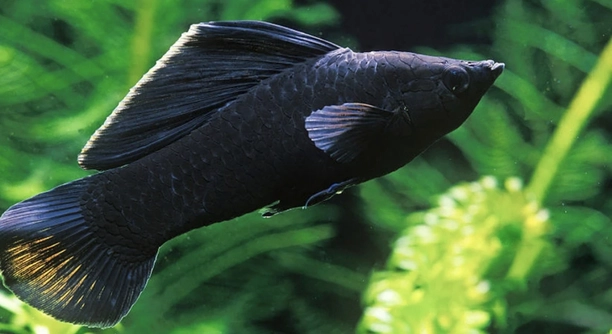
Caring for a Black Molly can be both calming and rewarding. These small fish are lively and beautiful, bringing energy and charm to any home aquarium. Understanding their behavior helps you enjoy their presence even more.
Bonding with a Black Molly involves consistent care, gentle interaction, and a stable environment. Providing proper nutrition, maintaining clean water, and observing their behavior allows for trust to develop, strengthening the connection between owner and fish.
Building a meaningful connection with your Black Molly takes time, but simple daily actions can enhance your enjoyment and their overall well-being.
Create a Comfortable Aquarium Environment
A healthy and comfortable tank is the first step in bonding with your Black Molly. Ensure the aquarium is spacious enough for them to swim freely, ideally at least 20 gallons for a small group. Keep water temperature between 75 and 82 degrees Fahrenheit, and maintain a stable pH around 7.0. Adding live plants provides hiding spots and reduces stress, making your fish feel secure. Avoid overcrowding and remove any aggressive tank mates that may cause tension. Filtration is key to keeping the water clean, but make sure the flow is gentle, as strong currents can make Black Mollies anxious. Regular partial water changes of 25% weekly help maintain water quality. The lighting should mimic natural cycles, with about 8-10 hours of light per day, helping regulate feeding and activity patterns. Observing your fish’s comfort and behavior daily ensures they feel safe and reduces signs of stress, building the foundation for a closer connection.
Proper tank setup allows Black Mollies to feel safe, reducing stress and encouraging natural behavior. A well-maintained environment is essential for forming a bond.
Keeping the aquarium environment stable is key. Small changes in water parameters or tank setup can affect their mood. By monitoring temperature, pH, and cleanliness, you promote consistent behavior, making interactions more predictable. Adding plants, decorations, and gentle lighting creates a natural setting, allowing your Mollies to explore confidently.
Hand-Feeding for Interaction
Hand-feeding your Black Molly is a gentle way to build trust. Offer small amounts of food directly near their usual swimming areas, allowing them to approach without fear. Use sinking or floating pellets and ensure pieces are bite-sized. Avoid overfeeding, which can harm water quality and fish health. Start by holding food between your fingers and letting the fish get used to your presence. With repeated sessions, they may come closer and take food directly from your hand. This interaction not only strengthens recognition but also teaches patience and routine. Always keep your hand movements slow and calm, avoiding sudden gestures that may scare them. Feeding at consistent times helps your fish anticipate interaction and gradually associate you with positive experiences. Over time, Black Mollies will show signs of comfort, such as swimming around your hand or following it lightly, indicating growing trust and familiarity.
Hand-feeding encourages trust and makes your Black Mollies more comfortable around you, enhancing daily interaction and observation.
Regular hand-feeding sessions develop recognition and a stronger bond. Black Mollies are social creatures and respond well to repeated, gentle interaction. By offering food carefully and consistently, you help them associate your presence with safety and nourishment. Start with small portions and observe how they approach your hand. Over time, you can increase proximity while keeping movements slow. Consistent feeding routines create structure in their day, which reduces stress and encourages curiosity. This method allows you to notice individual personalities, preferences, and behaviors, deepening your understanding of each fish. Even small gestures, like hovering your hand near the tank or lightly tapping on the water surface, can spark interest and engagement. By pairing feeding with calm observation, you make the experience rewarding for both yourself and the fish. Black Mollies often respond to patience and attentiveness, strengthening the sense of connection over time.
Gentle Tank Interaction
Slowly moving your hand along the tank can help Black Mollies become familiar with your presence. Avoid sudden movements that may startle them, and maintain a calm, steady pace when near the water. This builds trust over time.
Reaching into the tank carefully during maintenance or cleaning allows your Mollies to get used to human presence. Move hands slowly when adjusting decorations or plants, letting the fish observe your actions without feeling threatened. Over time, they may swim closer or hover nearby during these tasks, showing growing comfort. Keeping interactions consistent helps your Mollies recognize you and feel less stressed. Avoid tapping on the glass or making quick gestures, as these can reverse progress and make fish wary. Watching their reactions closely helps you gauge comfort levels, making bonding smoother and more effective.
Black Mollies respond to routine and predictable movements. Consistent tank interaction encourages them to explore around your hands without fear. Small actions like adjusting decorations or checking water quality become chances to strengthen recognition. Over repeated exposure, they begin associating calm human presence with safety. Movement speed matters; slower gestures are less threatening, giving them confidence. Even hovering a hand above the water or letting them swim nearby during feeding reinforces trust. Each positive experience deepens familiarity, allowing your Mollies to show curiosity rather than avoidance. Gradually, gentle tank interaction becomes part of their daily routine, making observation and care more rewarding.
Observing and Responding to Behavior
Watching your Black Mollies’ movements and reactions is essential for building a bond. Notice when they are active, hiding, or exploring. Responding appropriately improves trust.
Understanding patterns like swimming routes, preferred areas, and feeding responses helps you adapt care. If a fish appears stressed, adjusting tank layout or water conditions can restore comfort. Recognizing signs of curiosity, such as following your hand or inspecting new objects, lets you interact safely. Consistency in response ensures the fish learn to associate your presence with positive outcomes. Daily observation also allows early detection of health issues, which keeps them comfortable and safe.
Behavioral observation provides insight into moods, needs, and personality traits. Mollies may show excitement, curiosity, or stress through movement, fin position, and proximity. By noting these details, you can adjust feeding, interaction, and environment accordingly. Active observation strengthens the connection because the fish begin to recognize your reactions and predict your actions. Awareness of subtle signals, such as slight color changes or hovering near certain areas, guides interaction without forcing engagement. Responding to these cues calmly and consistently encourages trust and reinforces positive experiences. Over time, careful observation fosters smoother interaction, better care, and a deeper appreciation of your Black Mollies’ individual traits.
Provide Hiding Spots
Black Mollies feel safer when there are places to hide. Use plants, rocks, or decorations to create cozy areas. This reduces stress and encourages natural behavior.
Hiding spots also let them explore at their own pace. They become more confident over time, which strengthens interaction and allows for calmer observation.
Maintain Water Quality
Regular water changes and monitoring are essential. Stable temperature, pH, and cleanliness directly affect health and behavior. Consistent maintenance ensures your Black Mollies remain active and stress-free.
Use Visual Stimulation
Adding small floating or moving objects can engage your Mollies. Simple visual changes encourage curiosity and activity. Regular observation of these reactions helps you learn their preferences and encourages interaction.
Consistent Feeding Schedule
Feeding at the same time daily builds routine. Mollies learn to recognize you and anticipate meals, making them more comfortable during interactions.
FAQ
How often should I feed my Black Molly?
Feeding should be done once or twice daily, with small portions they can finish in a few minutes. Overfeeding can lead to poor water quality and health issues. Monitor their behavior during feeding to adjust portions as needed, ensuring they remain active and healthy.
What type of food is best for bonding?
High-quality flake or pellet food is ideal, supplemented with occasional frozen or live foods like brine shrimp or bloodworms. Offering treats by hand encourages interaction and helps them associate your presence with positive experiences, fostering trust over time.
How do I tell if my Black Molly is stressed?
Signs of stress include hiding constantly, clamped fins, erratic swimming, or loss of appetite. Stress often results from poor water conditions, aggressive tank mates, or sudden changes in environment. Addressing these issues promptly helps your fish feel secure and promotes bonding.
Can Black Mollies recognize their owner?
Yes, they can learn to recognize your presence through consistent feeding and gentle interaction. Over time, they may swim closer, follow your hand, or show curiosity when you are near, indicating growing comfort and trust.
How much space does a Black Molly need?
A single Black Molly should have at least 5 gallons, but a small group thrives in 20 gallons or more. Adequate space reduces stress, allows natural swimming behavior, and improves interactions with you. Avoid overcrowding to maintain water quality and minimize aggression.
Is it safe to touch my Black Molly?
Direct handling is generally not recommended, as it can stress the fish and damage delicate scales or fins. Instead, use gentle hand-feeding or slow tank interaction to bond without physical contact, allowing trust to build naturally.
What is the ideal water temperature for bonding?
Maintain water between 75 and 82 degrees Fahrenheit. Stable temperature supports healthy behavior, feeding routines, and comfort. Sudden fluctuations can stress your fish, reducing their willingness to interact or explore the tank during bonding sessions.
How can I encourage my Black Molly to come closer?
Start by placing food near them and gradually bring your hand closer over time. Slow, predictable movements and repeated positive experiences help them associate your presence with safety and nourishment, encouraging closer interaction.
Are live plants necessary for bonding?
Live plants aren’t strictly required, but they create hiding spots and a natural environment that reduces stress. Feeling secure allows Black Mollies to explore more freely, making it easier for them to approach you and engage in interactions.
How long does it take to bond with a Black Molly?
Bonding is gradual and varies by individual fish. Some may show curiosity in a few days, while others take weeks. Patience, consistency, and calm interaction are key to building trust and encouraging comfort in your presence.
What should I do if a Black Molly avoids interaction?
Observe their behavior for signs of stress or illness. Check water quality, tank setup, and social dynamics. Reduce disturbances and continue gentle feeding routines. Over time, they may become more comfortable once their environment feels safe and predictable.
Can multiple Black Mollies bond with the same owner?
Yes, but individual personalities affect how quickly each fish interacts. Some may be bolder while others remain cautious. Consistent feeding, calm presence, and environmental enrichment help all fish become familiar with you at their own pace.
How often should I check water quality for bonding purposes?
Weekly monitoring of pH, temperature, ammonia, nitrites, and nitrates is recommended. Healthy water conditions directly influence behavior and willingness to interact. Clean, stable water allows Black Mollies to feel secure, making bonding sessions more effective and enjoyable.
Does tank lighting affect bonding?
Consistent lighting helps regulate feeding and activity patterns. Avoid sudden bright lights or rapid changes, which can stress the fish. Proper lighting encourages natural exploration and responsiveness during interactions, supporting trust and comfort around your presence.
How can I safely introduce new items for visual stimulation?
Add decorations or floating objects slowly, allowing the fish to investigate at their own pace. Observe their reactions and avoid items that restrict movement or cause stress. Positive engagement with new objects reinforces curiosity and interaction with you over time.
What are signs that bonding is successful?
Signs include swimming closer during feeding, following your hand, reduced hiding, and showing curiosity around your presence. They appear calm and active, indicating trust and comfort. Gradual, consistent interaction leads to stronger recognition and a closer connection.
How do I prevent aggression when bonding multiple Black Mollies?
Provide adequate space, hiding spots, and maintain a balanced group size. Monitor social behavior, removing aggressive individuals if necessary. Ensuring each fish feels secure reduces stress, making bonding safer and more consistent across all Mollies.
Can I use hand-feeding for long-term bonding?
Yes, regular hand-feeding is an effective long-term strategy. Keep sessions calm, use small portions, and maintain routine. Over time, the fish will associate your presence with positive experiences, reinforcing trust and encouraging continued interaction.
Is it necessary to interact every day?
Daily interaction helps reinforce recognition and comfort, but short, calm sessions are enough. Consistency is more important than duration. Over time, even brief daily engagement strengthens the bond and allows you to observe behaviors closely.
How do I adjust bonding techniques for shy Black Mollies?
Start with indirect interaction, like leaving food near them or slowly moving hands near the tank. Gradually increase proximity based on their comfort. Patience, observation, and consistent calm behavior help shy fish gain confidence and engage more over time.
How do I handle health issues during bonding?
Address health concerns immediately with proper care and treatment. Illness can make fish withdrawn or stressed, interfering with bonding. Maintaining water quality, nutrition, and a calm environment supports recovery and restores trust and interaction gradually.
Can Black Mollies remember interactions from day to day?
Yes, they can remember consistent experiences and routines. Regular feeding, gentle presence, and predictable tank activities help them recognize you, respond to gestures, and build a lasting sense of familiarity and trust over time.
Does tank size influence bonding?
Larger tanks allow more freedom and reduce stress, which encourages natural behavior and confidence. Black Mollies are more likely to explore, approach hands, and respond positively in a well-sized, comfortable environment, making bonding smoother and more effective.
How do seasonal changes affect bonding?
Maintain consistent water temperature, lighting, and feeding routines throughout seasonal shifts. Sudden environmental changes can stress fish, reducing curiosity and willingness to interact. Stable conditions allow Mollies to maintain predictable behavior and trust, supporting ongoing bonding efforts.
Is it better to bond with one Black Molly or a group?
Both approaches work, but individual attention helps shy or cautious fish gain confidence. Interacting with a group encourages social comfort but may require patience, as different personalities respond differently to human presence. Balanced attention ensures all fish feel secure.
What is the best time of day for interaction?
Mid-morning or early evening is often effective, when fish are active but not stressed by recent feeding or tank disturbances. Observing natural activity patterns helps you engage when they are most responsive, supporting consistent bonding sessions.
How do I combine feeding and visual stimulation for bonding?
Place small treats near floating objects or decorations to encourage exploration. This links curiosity with positive reinforcement, making fish associate your presence and movement with rewarding experiences, which strengthens the bond over time.
How important is patience in bonding?
Patience is critical. Black Mollies may take days or weeks to become comfortable. Consistent, calm, and gentle interaction, combined with observation and proper care, ensures trust develops naturally and sustainably, making bonding more rewarding.
Can bonding help reduce aggression between Black Mollies?
Yes, confident and secure fish are less likely to show aggression. When they feel safe and routine is maintained, social tensions decrease, improving overall tank harmony and making group interactions smoother while maintaining a positive bond with you.
How can I tell if my bonding techniques are effective?
Positive signs include approaching your hand, following movement, reduced hiding, and calm behavior during feeding or interaction. Consistency in responses over time shows that the fish recognizes you and associates your presence with safety and comfort.
What are common mistakes to avoid when bonding?
Avoid sudden movements, overhandling, inconsistent feeding, or abrupt changes in tank conditions. Overfeeding, aggressive interaction, or ignoring stress signals can break trust. Consistency, calm behavior, and careful observation are essential to maintaining a positive bond.
How long should each interaction session last?
Short, consistent sessions of 5-10 minutes are usually sufficient. Longer sessions may stress the fish. Focus on quality and calm behavior rather than duration, allowing gradual trust and recognition to develop naturally.
Can bonding affect feeding behavior?
Yes, well-bonded fish may eat more confidently and respond promptly to your presence during meals. This enhances observation opportunities and reinforces positive association, creating a predictable and comfortable feeding routine.
Is it normal for some Black Mollies to remain shy despite bonding?
Yes, individual personality affects response. Some remain cautious even after weeks of interaction. Respect their comfort level, continue calm and gentle engagement, and they may gradually become more confident over time.
How do I know when my Black Mollies fully trust me?
Signs include swimming near your hand, following slow movements, exploring the tank confidently, and responding calmly to feeding or environmental changes. Consistent positive interaction over time indicates that they recognize you and feel secure in your presence.
How can I combine all bonding techniques effectively?
Use consistent feeding, gentle tank interaction, visual stimulation, and observation together. Monitor water quality, provide hiding spots, and respect their pace. Combining these methods ensures a holistic approach, fostering trust, comfort, and engagement across all Mollies in the tank.
How can I prevent setbacks in bonding?
Maintain stable water conditions, avoid sudden changes, handle feeding gently, and respect their space. Monitoring health and behavior consistently prevents stress and keeps Mollies receptive to interaction, ensuring progress in trust and engagement continues smoothly.
How important is routine for bonding?
Routine provides predictability and security. Regular feeding, calm interactions, and consistent tank maintenance allow Mollies to anticipate positive experiences, reducing stress and increasing responsiveness, which strengthens the connection over time.
Can bonding improve the fish’s overall health?
Yes, confident and comfortable fish eat better, explore more, and experience less stress. Reduced stress improves immune function, behavior, and longevity, showing that bonding benefits both their mental state and physical well-being.
What should I do if progress is slow?
Remain patient, continue gentle interaction, and ensure the tank environment is optimal. Every fish develops trust at its own pace. Gradual, consistent efforts will eventually yield positive responses and stronger bonds over time.
Black Mollies are lively, sensitive fish that respond well to gentle, consistent care. Creating a stable environment, maintaining proper water conditions, and providing hiding spots all contribute to their comfort. When the tank feels safe and predictable, Mollies are more likely to explore, feed confidently, and interact calmly with their surroundings. Observing their behavior daily helps identify signs of stress or discomfort early, allowing adjustments before problems develop. Small details, like water temperature, pH balance, and proper lighting, have a direct impact on their behavior and well-being. By prioritizing these basics, you create a foundation that makes every interaction smoother and more rewarding, encouraging trust between you and your fish.
Bonding with Black Mollies takes patience and consistency. Unlike some pets that respond immediately to human presence, fish require time to recognize, trust, and react positively to interaction. Daily routines, such as hand-feeding, careful tank maintenance, and calm movement near the aquarium, help build familiarity. Over time, the fish may swim closer during feeding, hover near your hand, or show curiosity toward objects you introduce. Every small step in this process is meaningful. While it may seem slow at first, consistent efforts reinforce the connection, making your Black Mollies feel secure and confident. Understanding individual personalities also plays a role, as some fish may be naturally bolder while others remain cautious. Adjusting your approach based on their behavior ensures that bonding progresses without stress or fear.
A strong bond with Black Mollies benefits both the fish and the owner. Fish that feel comfortable in their environment tend to be healthier, more active, and easier to care for. For you, observing their behavior and seeing responses to your presence can be satisfying and rewarding, providing insight into their personalities and habits. Combining practices such as hand-feeding, gentle interaction, visual stimulation, and careful observation supports long-term engagement. The key is consistency and patience, ensuring that the fish learn to trust your presence while feeling secure in their surroundings. By focusing on these simple yet important steps, you create a positive environment that encourages natural behavior and meaningful interaction, allowing your Black Mollies to thrive while strengthening the connection you share.

Hello,
If you enjoy the content that we create, please consider saying a "Thank You!" by leaving a tip.
Every little bit helps us continue crafting quality advice that supports the health, happiness, and well-being of pets around the world, for pets of all shapes, sizes, and species.
We really appreciate the kindness and support that you show us!