
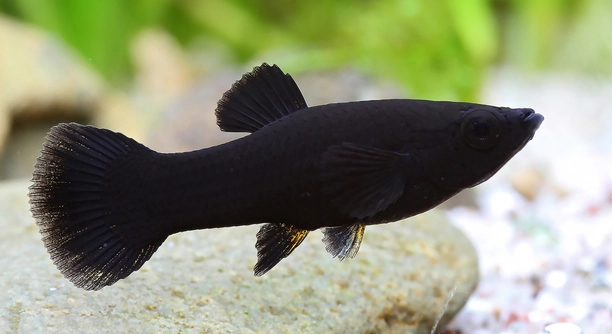
Keeping Black Molly fish healthy requires careful attention to their water environment. Poor water quality can affect their behavior, coloration, and overall wellbeing. Observing changes early can prevent serious health issues and support a thriving aquarium.
Black Molly fish are highly sensitive to water conditions. Common indicators of poor water quality include cloudy water, algae overgrowth, unusual fish behavior, rapid gill movement, faded colors, erratic swimming, and sudden death. Monitoring these signs ensures timely intervention.
Recognizing these warning signs early allows you to take corrective measures before your fish experience serious stress or illness in their tank environment.
Cloudy or Murky Water
When the water in your Black Molly tank appears cloudy or murky, it is often a sign that something is off with the balance of the aquarium. Cloudiness can result from uneaten food, decaying plants, or waste accumulation, which release particles and bacteria into the water. Overfeeding is a common reason for excess debris in the tank. Even small amounts of leftover food can quickly decompose and affect clarity. Another factor is improper filtration. If the filter is too small or not cleaned regularly, particles remain suspended in the water, making it cloudy. High levels of dissolved organic compounds can also reduce water transparency. Maintaining a regular cleaning schedule, feeding only appropriate amounts, and checking the filter efficiency are critical steps. Regular partial water changes can restore clarity and improve oxygen levels. Clear water is essential for observing fish health, maintaining plant growth, and keeping the overall environment stable and safe for your Black Mollies.
Cloudy water often signals overfeeding or ineffective filtration that needs immediate attention.
Keeping water clear requires consistent cleaning, controlling feeding amounts, and ensuring the filter works properly. Over time, this supports healthier, more active Black Mollies, reducing stress and potential disease risks. Monitoring water clarity should become a routine part of aquarium care.
Algae Overgrowth
Excessive algae growth in a Black Molly tank indicates an imbalance in nutrients and light exposure.
Algae blooms often occur when tanks receive too much light or when nitrate and phosphate levels are high. Overfeeding can contribute to this problem, as leftover food decomposes and releases nutrients. High algae presence not only makes the tank look untidy but also competes with plants for oxygen and nutrients. In some cases, algae can cover the aquarium walls, decorations, and even fish, affecting their health. Certain types of algae release toxins that can irritate gills and skin. Controlling algae requires reducing excess light, avoiding overfeeding, and performing partial water changes. Adding live plants can help balance nutrients, and cleaning decorations and surfaces prevents buildup. Monitoring water chemistry regularly is also crucial. Small amounts of algae are normal, but rapid growth signals a need for immediate action to maintain a safe, healthy habitat for Black Mollies. Regular attention ensures the tank remains clean, visually appealing, and supportive of fish wellbeing.
Unusual Fish Behavior
Black Mollies swimming erratically or hiding constantly can indicate water quality problems. Changes in movement or activity often reflect stress caused by ammonia spikes, low oxygen, or other imbalances in the tank environment.
Erratic swimming, such as darting, spinning, or floating near the surface, is a common response to poor water conditions. Stress affects their immune system, making them more susceptible to disease. Observing social behavior is also important; Mollies that suddenly isolate themselves or avoid other tank mates may be reacting to chemical imbalances or toxic substances in the water. Maintaining stable parameters, like temperature, pH, and ammonia levels, helps reduce these behavioral changes. Immediate action, such as partial water changes or adjusting filtration, can restore stability.
Long-term exposure to poor water quality can lead to permanent behavioral changes and stunted growth. Consistent observation, testing, and maintenance are key to keeping Black Mollies active, healthy, and displaying natural behavior within the tank. Regular monitoring allows quick intervention before serious health issues occur.
Faded or Dull Colors
Loss of vibrant coloration is a clear sign of stress or poor water quality in Black Mollies. Faded colors usually reflect improper water conditions, insufficient nutrition, or illness. Maintaining bright colors requires stable, clean water and a balanced diet.
Poor water quality affects pigment cells and overall fish health. Ammonia, nitrite, or nitrate spikes can dull coloration, making Mollies appear pale or washed out. Stress from overcrowding, aggressive tank mates, or improper temperature can also reduce vibrancy. Feeding high-quality, color-enhancing foods and ensuring adequate light exposure helps restore natural pigmentation. Regular water changes and careful monitoring of tank chemistry support long-term color retention.
Persistent dullness can signal chronic stress or ongoing water issues. Correcting water parameters, optimizing feeding, and maintaining a balanced environment help Black Mollies regain their vivid colors. Over time, healthy water conditions promote natural, vibrant hues and improve fish vitality, making the tank visually appealing and supporting overall wellbeing.
Rapid Gill Movement
Rapid gill movement is often a sign that Black Mollies are struggling to get enough oxygen from the water. This can result from poor filtration, low oxygen levels, or high ammonia concentrations in the tank. Immediate attention is required to prevent further stress.
Observing your fish closely, rapid or heavy breathing indicates that water quality is compromised. Proper aeration, regular water changes, and monitoring of ammonia and nitrite levels can help restore normal gill function. Ensuring the tank is not overcrowded also improves oxygen availability and reduces stress on your Mollies.
Sudden Death
Sudden, unexplained deaths in a Black Molly tank usually point to toxic water conditions. Rapid ammonia spikes, nitrite buildup, or disease outbreaks are common triggers that require urgent action.
Regular testing, maintaining clean water, and avoiding overfeeding are critical to prevent these incidents. Small changes in tank care can significantly reduce mortality risk.
Cloudy Eyes
Cloudy eyes in Black Mollies can indicate poor water quality or infection. Immediate water testing and tank cleaning are essential to protect fish health.
FAQ
How often should I test the water in my Black Molly tank?
Testing the water at least once a week is ideal. Regular monitoring ensures ammonia, nitrite, nitrate, and pH levels remain stable. Weekly tests allow you to detect early changes before they harm your fish, keeping the environment safe and healthy.
What is the best way to clean a Black Molly tank?
Partial water changes are the safest method. Remove about 20-30% of the water weekly and replace it with dechlorinated water at the same temperature. Clean the substrate carefully with a siphon to remove debris without disturbing beneficial bacteria that maintain water balance.
How can I prevent cloudy water in my aquarium?
Cloudy water often comes from overfeeding or inadequate filtration. Feed small amounts that the fish can finish in a few minutes. Make sure the filter is rated for the tank size and is cleaned regularly. Proper aeration also helps maintain water clarity.
Why are my Black Mollies’ colors fading?
Faded colors are often a sign of stress, poor water quality, or insufficient nutrition. Ensure ammonia and nitrite levels are zero, maintain proper pH, and provide a balanced diet. Color-enhancing foods and adequate lighting can help restore their natural vibrancy over time.
What should I do if I notice rapid gill movement?
Rapid gill movement indicates low oxygen or high toxins in the water. Increase aeration with an air stone, perform a partial water change, and test ammonia and nitrite levels. Reducing overcrowding and maintaining a healthy filtration system also helps normalize breathing.
Can algae overgrowth harm Black Mollies?
Yes, excessive algae can deplete oxygen and release toxins in the water. Reduce light exposure, control nutrient levels, and clean surfaces regularly. Adding live plants can compete with algae for nutrients, helping maintain a balanced tank environment.
How can I avoid sudden deaths in my tank?
Prevent sudden deaths by monitoring water parameters closely, avoiding overfeeding, and maintaining a proper cleaning schedule. Quarantine new fish and observe their health before adding them to the main tank. Consistent care reduces stress and lowers the risk of fatal incidents.
What causes cloudy eyes in Black Mollies?
Cloudy eyes usually result from poor water quality, bacterial infections, or physical injury. Testing the water, performing partial water changes, and improving overall tank hygiene can prevent and reverse minor cases. Severe infections may require veterinary intervention or specialized treatments.
Is tank overcrowding a problem for Black Mollies?
Yes, overcrowding increases stress, waste accumulation, and oxygen depletion. Ensure adequate space for swimming and provide hiding spots. A properly stocked tank supports fish health, reduces aggression, and lowers the risk of water quality issues.
How do I maintain stable pH levels?
Regularly test the water using reliable kits. Avoid sudden changes by adding water slowly and using buffered water if needed. Substrate choice, decorations, and plant presence can influence pH, so keep these factors consistent for long-term stability.
Can diet affect water quality?
Overfeeding leads to excess waste, which increases ammonia and nitrate levels. Feed only what Black Mollies can eat in a few minutes and remove uneaten food promptly. Balanced, high-quality foods support health and reduce the risk of water quality problems.
How often should I change the filter media?
Filter media should be rinsed in tank water every 2-4 weeks and replaced as recommended by the manufacturer. Avoid replacing all media at once to preserve beneficial bacteria that help break down toxins and maintain a stable environment for your fish.
What signs indicate long-term water quality problems?
Signs include faded colors, erratic swimming, rapid gill movement, cloudy water, algae overgrowth, and frequent illness. Observing your fish daily and keeping consistent water testing helps catch these problems before they become critical.
Can plants help maintain water quality?
Yes, live plants absorb nitrates and provide oxygen, which helps balance the ecosystem. They compete with algae for nutrients and create hiding spaces that reduce stress, contributing to overall healthier, more vibrant Black Mollies.
What temperature is ideal for Black Mollies?
Maintain water temperature between 75-82°F (24-28°C). Stable temperature prevents stress and supports metabolism, immune function, and breeding behavior. Sudden fluctuations can worsen water quality issues and trigger illness.
How do I recover fish from poor water conditions?
Perform partial water changes, increase aeration, check filtration, and adjust diet. Observe behavior closely and test parameters daily until the tank stabilizes. In severe cases, quarantine affected fish to prevent spreading disease or stress.
Is it safe to use chemical water treatments?
Some treatments help neutralize ammonia, nitrites, or parasites. Use them cautiously according to instructions, as overdosing can harm fish and disrupt beneficial bacteria. Always monitor water parameters after treatment.
How can I prevent repeated water quality issues?
Maintain a strict schedule of testing, partial water changes, feeding control, and filter maintenance. Avoid overcrowding and regularly inspect tank conditions. Preventive care keeps Black Mollies healthy and reduces the chance of recurring problems.
Can I keep other fish with Black Mollies?
Yes, but choose species that tolerate similar water conditions and are non-aggressive. Compatible tank mates reduce stress and avoid rapid waste accumulation, supporting better water quality for all inhabitants.
What should I do if I see multiple warning signs?
Take immediate action by testing water, performing partial changes, adjusting filtration, and removing uneaten food. Address all issues simultaneously to prevent worsening stress, illness, or death. Close observation and consistent care are essential for recovery.
How important is routine observation?
Daily observation allows early detection of changes in behavior, color, or activity. Prompt intervention prevents minor problems from escalating into serious health or water quality issues, keeping Black Mollies safe and thriving in their tank environment.
Can temperature and pH swings cause multiple warning signs?
Yes, fluctuations in temperature or pH can stress fish, dull colors, reduce appetite, and trigger erratic swimming. Maintaining stable conditions ensures better health, behavior, and resilience against other environmental changes in the aquarium.
How do I know if the filter is working properly?
Check water flow, cleanliness, and noise. A properly functioning filter maintains clear water, reduces debris buildup, and supports beneficial bacteria. Regular inspections and timely cleaning prevent water quality deterioration that harms Black Mollies.
Are small water changes enough for large tanks?
Large tanks may require proportionally more frequent changes. Even small percentages help maintain stability, but observing water parameters and adjusting the routine ensures the tank remains safe and healthy for Black Mollies.
What role does aeration play in water quality?
Aeration increases oxygen levels, which supports fish respiration and bacterial breakdown of waste. Proper aeration prevents oxygen depletion, reduces stress, and improves the overall stability of the aquarium ecosystem.
How long does it take to correct water quality problems?
Correction time depends on severity. Minor issues can improve within days, while serious imbalances may take a week or more. Consistent testing, cleaning, and maintenance are key to restoring a healthy environment for Black Mollies.
Can water hardness affect my Black Mollies?
Yes, improper hardness can impact health, growth, and reproduction. Regular testing and adjustment of calcium and magnesium levels ensure optimal water conditions, supporting overall vitality and resilience to stress.
Should I quarantine new fish before adding them?
Yes, quarantine helps prevent disease introduction and allows observation for signs of stress or illness. This step protects existing Black Mollies and maintains overall water quality by reducing the risk of contamination.
How do I balance feeding and water quality?
Feed small, measured portions and remove leftovers promptly. Balanced feeding reduces waste, prevents ammonia buildup, and supports both fish health and water stability. Overfeeding is a common cause of recurring water quality problems.
Can decorations impact water quality?
Certain decorations release chemicals or trap debris, affecting water parameters. Choose inert materials and clean regularly to prevent negative impacts on Black Mollies and maintain a safe environment.
How do I maintain long-term water stability?
Combine routine testing, partial water changes, proper filtration, aeration, and controlled feeding. Observing fish and tank conditions ensures early intervention, preventing long-term problems and supporting a thriving aquarium ecosystem.
What is the most common reason for multiple warning signs?
Multiple warning signs usually indicate a combination of poor water quality, overfeeding, or inadequate maintenance. Addressing all environmental factors simultaneously is essential to restore a safe, healthy tank for Black Mollies.
How can I improve water quality naturally?
Adding live plants, maintaining proper stocking levels, performing partial water changes, and feeding carefully help improve water quality without chemicals. This approach supports a balanced ecosystem and reduces stress on Black Mollies.
When should I seek professional help?
Seek help if water testing shows persistent toxins, fish show severe stress, or infections appear. A professional can guide treatment and tank management to prevent loss and restore a safe environment.
Can water changes alone fix all issues?
Water changes help but may not resolve underlying problems like overstocking, improper filtration, or illness. Comprehensive care, including testing, feeding adjustments, and cleaning, is needed to maintain a healthy tank for Black Mollies.
How do I maintain clarity and cleanliness long-term?
Consistent monitoring, partial water changes, filtration upkeep, and feeding control ensure long-term water clarity. Observing fish behavior and addressing small issues promptly prevents major problems and keeps Black Mollies healthy, active, and vibrant.
What is the key to preventing poor water quality?
Routine care, stable parameters, careful feeding, and regular testing are crucial. Staying proactive and attentive ensures a safe environment, reduces stress, and allows Black Mollies to thrive consistently.
How can I tell if my corrective actions are working?
Improved behavior, restored coloration, clearer water, and normal gill movement indicate successful correction. Continuing observation and consistent maintenance confirm stability and long-term health for Black Mollies in the tank.
How important is tank size for water quality?
Larger tanks dilute waste more effectively, providing a more stable environment. Adequate size supports healthy oxygen levels, reduces stress, and lowers the risk of rapid water quality deterioration. Proper stocking ensures balance and sustainable tank conditions.
What routine tasks support water quality the most?
Weekly testing, partial water changes, filter maintenance, substrate cleaning, and controlled feeding are the most effective tasks. These simple habits prevent common problems and create a stable, safe environment for Black Mollies to thrive.
Can improper lighting affect water quality?
Excessive light can fuel algae growth, while insufficient light affects plant health. Both scenarios can disrupt water balance. Managing lighting duration and intensity supports a stable tank ecosystem and reduces stress on Black Mollies.
Is it normal for water quality to fluctuate?
Minor fluctuations are normal, but large swings stress fish. Monitoring parameters and maintaining consistent care minimizes variations and protects the health, color, and behavior of Black Mollies in the aquarium.
How do I monitor long-term water quality trends?
Keep a log of test results, water changes, and feeding habits. Tracking trends helps identify recurring problems, plan preventive care, and maintain a healthy, stable environment for Black Mollies over time.
What is the safest way to adjust water parameters?
Make small, gradual changes to pH, hardness, or temperature. Sudden shifts can stress or harm fish. Consistent monitoring and incremental adjustments maintain stability and reduce the risk of negative effects on Black Mollies.
How can I maintain both water quality and fish health together?
Combine proper filtration, aeration, balanced feeding, partial water changes, live plants, and careful observation. Address issues promptly to prevent cascading problems. Consistency and attention to detail are essential for a thriving Black Molly aquarium.
What role does oxygenation play in preventing warning signs?
Sufficient oxygen supports gill function, reduces stress, and improves waste breakdown. Aeration prevents rapid gill movement, lethargy, and other stress-related warning signs, ensuring healthier, more active Black Mollies.
Can temperature, pH, and hardness interact to cause issues?
Yes, imbalances can amplify stress, reduce immunity, and trigger warning signs. Maintaining stable, compatible conditions across all parameters ensures a safe and healthy environment for Black Mollies.
Are there any natural remedies to support water quality?
Live plants, natural filtration media, and controlled feeding help maintain a balanced ecosystem. They reduce toxins and algae growth without chemicals, supporting overall Black Molly health and preventing common warning signs.
How do I know when the tank is fully stable again?
Signs include consistent water parameters, clear water, normal behavior, vibrant colors, and healthy appetite. Continuous observation ensures any minor setbacks are addressed quickly, maintaining long-term stability.
Can multiple small issues combine to create serious problems?
Yes, minor problems like overfeeding, slight ammonia spikes, and inadequate filtration can compound, causing stress and disease. Addressing all factors together is critical for preventing severe water quality issues in Black Mollies.
What is the most effective long-term strategy for preventing warning signs?
Routine monitoring, careful feeding, regular partial water changes, stable water parameters, proper filtration, and consistent observation together prevent most water quality problems and support healthy, vibrant Black Mollies.
How do I maintain the balance between plants, fish, and water quality?
Ensure proper plant density, avoid overcrowding, and control feeding. Regular water changes and monitoring maintain a stable nutrient balance. This harmony reduces algae growth, supports oxygen levels, and keeps Black Mollies healthy and stress-free.
Can seasonal changes affect water quality?
Temperature fluctuations, sunlight exposure, and room conditions can impact water parameters. Adjust heating, aeration, and lighting as needed to maintain stability and prevent stress or warning signs in Black Mollies.
How important is daily observation versus testing?
Both are essential. Observation allows early detection of behavior or color changes, while testing provides objective data on water chemistry. Together, they help maintain a healthy environment and prevent long-term issues.
What is the safest way to introduce changes to the tank?
Make one adjustment at a time, monitor the impact, and wait before making additional changes. Gradual, controlled modifications prevent stress, allowing Black Mollies to adapt safely to improved conditions.
Can I rely solely on chemicals to fix water issues?
No, chemicals can treat symptoms but not underlying problems like overfeeding, overcrowding, or poor maintenance. Combining treatments with proper tank care ensures long-term water quality and fish health.
How do I know if my corrective actions need adjustment?
If warning signs persist, water tests remain abnormal, or fish behavior doesn’t improve, reassess the approach. Incremental changes and careful monitoring help identify the most effective interventions for a healthy tank.
What are the early signs of water toxicity?
Early indicators include rapid gill movement, erratic swimming, faded colors, hiding, and cloudiness. Immediate testing and partial water changes prevent escalation and protect Black Mollies from severe stress or illness.
Can equipment failure cause multiple warning signs?
Yes, broken filters, heaters, or aerators can destabilize water conditions, leading to behavioral changes, color loss, and health issues. Regular inspections and maintenance prevent such failures and maintain a stable environment.
How can I maintain water quality while away from home?
Use reliable timers for lights and feeders, ensure proper filtration and aeration, and perform a thorough cleaning before leaving. Enlist someone to check water conditions if away for extended periods, keeping Black Mollies safe.
Is water testing more important than cleaning frequency?
Both are critical. Testing identifies chemical imbalances, while cleaning removes waste and debris. A combination of consistent testing, partial water changes, and maintenance ensures stable water quality for Black Mollies.
What common mistakes lead to recurring water problems?
Overfeeding, overcrowding, inconsistent maintenance, ignoring test results, and sudden parameter changes are the main causes. Correcting these habits and maintaining routine care prevents repeated water quality issues.
How does stress affect Black Mollies in poor water?
Stress lowers immunity, reduces appetite, dulls colors, and triggers erratic behavior. Maintaining clean, stable water and appropriate tank conditions minimizes stress, supporting healthy, active Black Mollies.
Can water quality affect breeding in Black Mollies?
Yes, poor water conditions reduce fertility, increase egg and fry mortality, and discourage breeding behavior. Stable parameters, proper diet, and clean water promote successful reproduction.
What tools help monitor water quality efficiently?
Reliable test kits for ammonia, nitrite, nitrate, pH, and hardness, along with thermometers and timers for equipment, help maintain optimal conditions. Keeping records aids in long-term monitoring and early problem detection.
How do I know if a behavior change is serious?
Sudden lethargy, hiding, erratic swimming, or refusal to eat often signal significant water or health issues. Prompt testing and corrective measures prevent escalation and maintain Black Molly wellbeing.
Are there signs of recovery after water quality improvement?
Yes, fish regain vibrant colors, normal behavior, regular swimming, and proper gill movement. Clear water and stable test results indicate successful restoration of a healthy environment.
What is the role of beneficial bacteria in water quality?
Beneficial bacteria break down ammonia and nitrites, stabilizing water chemistry. Maintaining their population through careful cleaning and gradual media replacement supports a safe and balanced aquarium ecosystem for Black Mollies.
Can temperature drops cause warning signs?
Yes, sudden cooling can stress fish, reduce immunity, slow metabolism, and trigger erratic behavior or color loss. Gradual temperature adjustments prevent shock and maintain a stable environment.
How often should substrate be cleaned?
Cleaning substrate once a week with a siphon helps remove debris without disrupting beneficial bacteria. This prevents ammonia buildup and maintains a healthy environment for Black Mollies.
Is it safe to combine multiple treatments?
Combining treatments can be effective but should be done cautiously. Follow manufacturer instructions and monitor water parameters to avoid overdosing or harming beneficial bacteria.
How do I maintain water quality in high-stock tanks?
Frequent partial water changes, strong filtration, careful feeding, and regular monitoring are essential. Overcrowded tanks require extra attention to prevent rapid deterioration of water conditions.
Can tank location affect water quality?
Yes, sunlight, drafts, and temperature fluctuations from the room environment can impact water stability. Place tanks away from direct sunlight and sources of heat or cold for consistent conditions.
How do I manage nitrate buildup?
Perform regular partial water changes, control feeding, and add live plants. Efficient filtration and maintaining proper stocking levels reduce nitrate accumulation and prevent stress or illness in Black Mollies.
What is the role of water conditioners?
Water conditioners neutralize chlorine, chloramines, and heavy metals. They help create a safe environment but do not replace proper maintenance, feeding control, or regular water testing.
Can leftover food cause multiple warning signs?
Yes, uneaten food decomposes, producing ammonia and encouraging algae growth. Feeding controlled amounts and promptly removing leftovers prevents water quality deterioration and associated health issues.
How do I know if the tank is overstocked?
Signs include increased waste, frequent water
Keeping Black Mollies healthy requires consistent attention to their tank environment. Poor water quality is one of the most common problems fish owners face, and it can affect your fish in multiple ways. Observing your Black Mollies daily allows you to notice small changes in behavior, color, or activity. These changes are often the first signs that water conditions are not ideal. Regular testing of water parameters such as ammonia, nitrite, nitrate, pH, and hardness is essential to maintain stability. Small problems, if left unaddressed, can quickly become serious, affecting the overall health and lifespan of your fish. Simple steps like partial water changes, careful feeding, and proper filtration can prevent many issues. Monitoring the tank and keeping track of any irregularities is a proactive way to maintain a safe and comfortable environment for your Black Mollies.
Algae overgrowth, cloudy water, rapid gill movement, and faded colors are all visible warning signs that indicate your tank may need attention. These signs should never be ignored because they often point to underlying problems in water quality. Maintaining a clean tank goes beyond appearance; it directly impacts your fish’s health. Proper filtration and aeration are crucial to keeping water oxygenated and free of harmful substances. Overfeeding is a common mistake that contributes to poor water quality, so measuring food portions and removing uneaten bits is important. Live plants can help absorb excess nutrients and support water stability. Observing your fish’s behavior, combined with regular maintenance, will ensure your Black Mollies remain active and vibrant. A stable, balanced environment reduces stress and prevents illnesses that might otherwise occur in a poorly maintained tank.
Long-term care is the key to keeping Black Mollies thriving. Creating a routine that includes consistent water testing, partial water changes, filter maintenance, and proper feeding ensures the aquarium remains a healthy place for your fish. Even small adjustments, such as improving aeration, reducing light to control algae, or introducing live plants, can make a significant difference over time. Stability in water parameters is critical; sudden fluctuations can stress the fish and make them more susceptible to disease. Observing, testing, and maintaining your tank not only prevents problems but also supports natural behavior and coloration in Black Mollies. By dedicating time and attention to these tasks, you can provide a safe and comfortable environment that allows your fish to thrive for years. Consistent care and awareness are the most effective ways to ensure long-term health and happiness for your Black Mollies.

Hello,
If you enjoy the content that we create, please consider saying a "Thank You!" by leaving a tip.
Every little bit helps us continue crafting quality advice that supports the health, happiness, and well-being of pets around the world, for pets of all shapes, sizes, and species.
We really appreciate the kindness and support that you show us!