
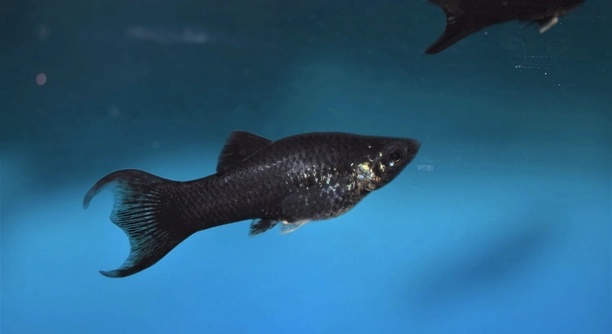
Black Mollies are popular freshwater fish, admired for their sleek black color and peaceful nature. They are often chosen for home aquariums because they adapt well to different environments and add visual interest.
Black Mollies generally prefer moderate lighting with some shaded areas in their tank. Excessive direct light can stress them, while a balance of light and shade supports natural behaviors, health, and optimal activity throughout the day.
Providing proper lighting conditions is essential for your Mollies’ well-being and can enhance their overall activity and coloration in the aquarium.
Understanding Black Molly Behavior in Light
Black Mollies are naturally drawn to areas where light is moderate and comfortable. Too much bright light can make them hide constantly, while too little light may reduce their activity and dull their color. In their natural habitat, Black Mollies often swim near shaded spots along plants or rocks. Providing a mix of open and shaded areas in the tank allows them to move freely and display natural behavior. Observing how your Mollies respond to different lighting will help you find the right balance for their comfort. Some Black Mollies may prefer spending most of their time in shaded areas, while others may explore brighter zones if they feel secure. Adjusting lighting gradually is better than sudden changes. It gives them time to adapt without stress. Accessories like floating plants or partially covered decorations can provide shade while letting light through for a natural effect.
Creating the right light conditions helps prevent stress in your Mollies.
Moderate light and shaded zones together encourage healthy swimming patterns and maintain their black coloration.
Setting Up a Balanced Tank Environment
Shaded areas can be created using plants or décor to give Black Mollies hiding spots.
A well-balanced tank provides both shaded and lit areas for Black Mollies to thrive. Including floating plants and small structures creates natural hiding places, while allowing light to reach the rest of the aquarium. Proper filtration and water circulation support their health along with balanced lighting. Maintaining water temperature between 75–82°F ensures they remain active without added stress. Observing their swimming habits and adjusting décor helps you see which areas they favor. This observation can guide decisions on rearranging plants or adding new objects for better comfort. Overcrowding should be avoided, as it can make it harder for them to find shade. A mix of open swimming space and hiding spots encourages exploration while giving them security. Regular cleaning and water changes keep their environment healthy, preventing issues that could interfere with their response to light and shade.
Monitoring light exposure and tank layout improves behavior, color, and overall health in Black Mollies.
Adjusting Aquarium Lighting
Proper lighting should be gradual to prevent stress in Black Mollies. Sudden bright or dim changes can cause hiding or reduced activity.
Using a timer to control the aquarium light helps maintain a consistent day-night cycle. Gradually increasing or decreasing brightness mimics natural conditions and encourages normal behavior. Black Mollies will adjust better if they experience gentle transitions instead of abrupt changes. This also supports plant growth in the tank, contributing to natural shaded areas. Watching their behavior over time will show if the current light level is suitable or needs adjustment.
LED lights are efficient and allow easy control of brightness. Pairing them with floating plants or partially shaded décor creates a comfortable mix of light and shade. Observing which areas your Mollies frequent will guide further adjustments. Proper lighting enhances their activity, coloration, and reduces stress, while supporting a healthy tank environment. Regularly checking light levels ensures consistency and prevents unexpected stress triggers.
Plant Selection for Shade
Floating and tall plants provide natural shaded areas for Black Mollies. They help reduce direct light exposure.
Adding plants like Java fern or Anubias can create shaded spots and break up open spaces in the aquarium. Floating plants such as water lettuce or Amazon frogbit cast gentle shadows, allowing Black Mollies to rest when needed. Shade is essential for them to regulate activity and avoid stress. Plant density should balance open swimming areas and hiding spots, preventing overcrowding while maintaining shelter. Observing how Mollies interact with these plants helps determine the ideal placement and variety.
Healthy plants also improve water quality by absorbing nitrates and offering oxygenation. Well-chosen plants contribute to natural hiding areas and encourage natural behavior. Combining different plant heights creates a layered environment, allowing Mollies to choose their preferred level of shade. Regular trimming prevents excessive coverage, keeping light reaching other tank areas. Plant health directly influences the tank’s lighting balance, making proper selection and maintenance crucial for Black Mollies’ comfort.
Ideal Light Duration
Black Mollies benefit from about 8–10 hours of light each day. Consistent timing supports their natural activity and reduces stress.
Using a timer ensures the light period is steady. Too long or too short exposure can affect their behavior and overall health.
Observing Behavior Changes
Watch how your Black Mollies respond to changes in light and shade. Shifts in swimming patterns or hiding can indicate stress or comfort levels. Adjusting lighting gradually helps maintain a healthy and active environment. Regular observation ensures they thrive in the aquarium.
Avoiding Overexposure
Direct, intense light can harm Black Mollies. Shade areas and plants are necessary to prevent stress.
FAQ
Do Black Mollies need full sunlight?
Black Mollies do not need full sunlight. Direct sunlight can overheat the water and cause algae growth, both of which stress the fish. Using aquarium lights with moderate intensity is safer and provides consistent lighting without sudden temperature spikes. Floating plants or tall decorations can help diffuse light and offer shaded areas.
Can Black Mollies live in a fully shaded tank?
A completely shaded tank is not ideal either. While they enjoy shade, they also need moderate light to maintain their activity and coloration. Providing a balance of lit and shaded areas encourages natural behavior and keeps their color vibrant. Alternating shaded spots and open areas works best.
How long should the aquarium lights stay on each day?
A light period of 8–10 hours is sufficient for Black Mollies. This timing mimics natural day-night cycles and supports normal activity. Using a timer ensures consistency and reduces stress caused by sudden changes in light duration.
Are LED lights better than fluorescent lights for Black Mollies?
LED lights are more efficient and produce less heat than fluorescent lights. They allow easier control of brightness and color temperature, creating a comfortable environment for Black Mollies. They also support plant growth, helping maintain shaded zones naturally.
What type of plants provide the best shade for Mollies?
Floating plants like water lettuce or Amazon frogbit create gentle shade, while tall plants such as Java fern or Anubias offer vertical coverage. Combining plant heights creates layers of shade, allowing fish to choose their preferred level of light.
Can too much light harm Black Mollies?
Yes, excessive light can stress Black Mollies, causing them to hide constantly or show reduced activity. It may also trigger algae overgrowth, which competes for oxygen and affects water quality. Shaded areas and controlled light exposure prevent these issues.
Do Black Mollies change behavior based on light levels?
Black Mollies adjust their swimming patterns according to light conditions. They may hide in shaded areas during bright periods and explore open spaces in moderate light. Observing these changes helps determine if the lighting is suitable.
Is it necessary to adjust lighting for different seasons?
Seasonal changes may affect natural light exposure if the tank is near a window. Adjusting artificial lighting ensures consistent conditions year-round. Gradual transitions are better than abrupt changes to prevent stress and maintain healthy behavior.
How do I know if my Black Mollies are stressed by light?
Signs of stress include hiding constantly, reduced swimming activity, or loss of color. If these appear after increasing light, create more shaded areas or reduce intensity gradually. Observing behavior daily helps catch stress early.
Can shading decorations replace plants?
Decorations like caves or rocks can provide shelter and shade, but combining them with plants offers a more natural environment. Plants improve water quality, oxygen levels, and create flexible shaded spots for Mollies to move freely.
Do all Black Mollies prefer the same light conditions?
Individual preferences can vary. Some may enjoy brighter spots, while others spend most time in shade. Providing a mix of light and shaded areas allows each fish to find comfort and maintain natural behavior.
How does light affect their coloration?
Moderate light helps maintain the black coloration of Mollies. Too little light can dull their color, while too much may stress them and cause temporary fading. Balanced lighting supports both health and appearance.
Can I leave the tank light on overnight?
Leaving lights on overnight is not recommended. Black Mollies need a period of darkness to rest. Providing a consistent day-night cycle prevents stress and supports healthy sleep patterns, which are essential for their overall well-being.
Should light intensity change based on tank size?
Yes, larger tanks may require more powerful lights to reach the bottom, but care should be taken to avoid overexposure. Adjust intensity and add shaded spots to ensure even distribution and comfortable areas for the fish.
Is natural sunlight better than artificial light?
Natural sunlight can be inconsistent and may overheat the tank or cause algae blooms. Controlled artificial lighting provides stable intensity, duration, and timing, making it a safer option for Black Mollies.
Can light levels affect breeding?
Yes, proper light encourages activity, which can support breeding behavior. Extreme light conditions, either too bright or too dim, may reduce spawning activity. Balanced lighting combined with shaded zones creates a comfortable environment for breeding pairs.
Do Black Mollies need different light levels at different ages?
Younger Mollies are more sensitive to bright light and may prefer shaded areas more often. Adults are slightly more tolerant but still benefit from moderate light with shaded spots. Adjusting the environment as they grow helps reduce stress.
How often should I monitor light conditions?
Daily observation is recommended. Check for algae growth, fish behavior, and plant health. Adjust light intensity, duration, or placement as needed to maintain a stable and comfortable environment for your Black Mollies.
Does water clarity affect how Mollies perceive light?
Yes, murky water reduces light penetration, making shaded areas darker and potentially affecting activity. Clear water allows proper light distribution, maintaining a balance between lit and shaded zones for natural behavior.
Are tinted aquarium lids or covers helpful?
Tinted lids can reduce glare and diffuse light, creating a softer environment. They help prevent stress and excessive light exposure while allowing plants and Mollies to receive adequate illumination.
Can light affect algae growth in the tank?
High-intensity or prolonged light encourages algae growth, which can reduce water quality and oxygen levels. Providing shaded areas and controlling light duration helps prevent excessive algae while keeping Mollies comfortable.
How do I balance light for multiple fish species?
When keeping mixed species, consider the preferences of all fish. Some may prefer shade while others tolerate brighter areas. Layered lighting, plants, and decorations create zones that accommodate varying needs without compromising the tank’s overall health.
Is there a way to test if lighting is optimal?
Observe fish activity, coloration, and plant health. Mollies should swim confidently, display vibrant black color, and utilize both shaded and lit areas. Adjust light gradually if signs of stress or reduced activity appear.
Can I use dimmable lights for better control?
Dimmable lights are ideal for Black Mollies. They allow gradual adjustment of intensity, preventing sudden changes that can cause stress and helping to replicate natural light cycles effectively.
Does light affect their feeding habits?
Moderate lighting encourages normal feeding activity. Excessively bright light may cause hiding, reducing feeding, while too little light can lower appetite. Balanced light exposure supports consistent and healthy feeding behavior.
Are glass thickness or tank placement factors for light exposure?
Yes, thick glass can reduce light penetration, and tanks near windows may receive inconsistent sunlight. Adjust artificial lighting to compensate and provide shaded areas to maintain comfort for Mollies.
How often should I adjust shaded areas?
Adjustments are needed if fish behavior changes, plants grow too dense, or decorations shift. Maintaining a balance of shade and light ensures Mollies can move freely and remain stress-free.
Do Black Mollies prefer the same lighting at night?
At night, lights should be off or very dim. Darkness allows rest and mimics natural conditions, supporting their circadian rhythm and overall health.
Can too little light cause health problems?
Insufficient light may lead to reduced activity, faded coloration, and weakened immune response. Providing moderate lighting with shaded spots prevents these issues while supporting normal behavior.
Does lighting affect water temperature?
Bright or prolonged lighting can increase water temperature, stressing Mollies. Using moderate-intensity lights and monitoring temperature helps maintain a stable and comfortable environment.
Is it okay to use colored lighting?
Soft, natural-colored lighting is preferable. Strong colored lights may alter behavior or stress the fish. Subtle warm tones can be used without disturbing activity or comfort.
How do I combine light and filter flow for comfort?
Light zones should complement filter flow. Strong currents in bright areas can stress Mollies. Creating calm spots under shaded regions allows them to rest comfortably while maintaining water circulation.
Can Black Mollies adapt to new lighting quickly?
Adaptation is gradual. Sudden changes in intensity or duration can cause hiding or reduced activity. Slowly adjusting lights over several days helps Mollies acclimate without stress.
Do lights affect plant growth in a Molly tank?
Yes, plants need sufficient light for photosynthesis. Healthy plants provide natural shade and oxygen, improving tank quality and creating comfortable zones for Mollies. Balancing light supports both fish and plant health.
Can artificial moonlight benefit Black Mollies?
Soft moonlight or dim blue lighting at night can simulate natural conditions without disrupting rest. It allows subtle observation while preserving their circadian rhythm and overall well-being.
Are timers necessary for all tanks?
Timers simplify maintaining consistent light cycles, which is crucial for stress-free behavior, proper feeding, and healthy plant growth. Manual control can work but is less reliable for consistent results.
How do I know if light intensity is too low?
Signs include reduced activity, faded coloration, and increased hiding. If Mollies spend most of the time in open areas without exploring, slightly increasing light intensity may help.
Can rearranging décor affect light balance?
Yes, moving plants or decorations changes shaded zones and light distribution. Adjustments may be needed to maintain a mix of lit and shaded areas for comfort and normal activity.
Does light influence breeding success?
Proper lighting encourages activity, which supports mating behavior. Balanced light with shaded zones creates a comfortable environment, increasing the likelihood of successful spawning.
Should light be adjusted during water changes?
During water changes, light should remain consistent. Sudden changes can stress Mollies. Keeping the same intensity ensures stability and comfort while maintaining normal behavior.
Do Black Mollies prefer uniform or dappled light?
Dappled light is ideal. It mimics natural habitats with sunlight filtering through plants, providing both lit and shaded areas. Uniform lighting may reduce hiding options and stress the fish.
How do I maintain consistent lighting in large tanks?
Use multiple LED fixtures and timers to ensure even coverage. Incorporate plants and decorations to break up light, preventing overly bright zones and creating comfortable shaded areas.
Can light affect tank algae control?
Controlled light reduces excessive algae growth. Shaded zones, moderate intensity, and timed lighting prevent overgrowth, maintaining clean water and a healthy environment for Mollies.
How do Mollies react to flickering lights?
Flickering or unstable lights can stress Black Mollies, causing erratic swimming or hiding. Stable, consistent lighting is important for calm behavior and overall well-being.
Are overhead lights better than side lighting?
Overhead lights provide even coverage and natural shading from plants. Side lighting may create harsh shadows or uneven brightness, which can stress Mollies or affect their behavior.
Can adjusting light prevent aggression in mixed tanks?
Providing shaded zones and varying light intensity can reduce stress-related aggression. Fish have safe areas to retreat, helping maintain calm interactions and balanced social behavior.
Do Black Mollies need light for vitamin D?
Fish do not require sunlight for vitamin D like humans. Their health relies more on proper diet and water conditions than natural sunlight. Light primarily affects behavior and coloration.
Is dim lighting enough for nocturnal activity?
Dim lighting at night supports rest while allowing subtle observation. Mollies are more active during daylight, so night dim light is sufficient without disturbing their sleep cycle.
Can lighting affect water plants differently in the same tank?
Yes, taller or floating plants may shade smaller ones, impacting growth. Adjusting light placement and intensity ensures all plants receive adequate illumination while maintaining shaded areas for Mollies.
How often should I clean lights and fixtures?
Regular cleaning prevents dust or algae buildup, which reduces light penetration. Keeping fixtures clean maintains proper intensity and consistency, ensuring a healthy environment for Mollies and plants.
Can I use colored decorations to influence perceived light?
Yes, darker decorations absorb light, creating shaded spots. Lighter decorations reflect light, brightening areas. Combining both types helps create a balanced environment with varying light levels.
Do Black Mollies respond differently to natural vs. artificial light?
They adapt well to artificial light if it mimics natural intensity and duration. Consistent, moderate lighting with shaded areas is more important than the light source type.
Are light sensors useful in aquariums?
Sensors can automate adjustments based on ambient light, preventing overexposure or too little light. They maintain consistent conditions, especially for tanks near windows with fluctuating natural light.
How do seasonal daylight changes affect Mollies?
Fluctuating natural light can impact activity and color if artificial light is not adjusted. Using timers and consistent lighting ensures stable conditions year-round, reducing stress and maintaining normal behavior.
Is reflective material around the tank helpful?
Reflective surfaces can increase light intensity in shaded areas, but too much reflection may stress Mollies. Use carefully to balance lit and shaded zones without creating glare.
Do Mollies need light for feeding cues?
Yes, moderate lighting encourages normal feeding activity. Sudden dim or bright light may cause hiding or reduced appetite, affecting nutrition and overall health.
Can light intensity affect water temperature stability?
High-intensity lights generate heat, raising water temperature. Monitoring temperature alongside lighting ensures a stable environment, preventing stress or health problems.
Is layered lighting better than a single source?
Layered lighting provides both bright and shaded zones, supporting natural behavior. Combining overhead lights with shaded areas or diffused light creates a comfortable, dynamic environment for Mollies.
How do I adjust lighting for new plants?
New plants may need gentle light to acclimate. Gradually increasing intensity while maintaining shaded zones prevents stress for both plants and Mollies.
Does light affect molly lifespan?
Proper light levels indirectly support lifespan by reducing stress, maintaining healthy behavior, and encouraging natural activity. Extreme lighting conditions can negatively impact health and longevity.
Can light exposure influence molly growth?
Balanced light supports normal activity and feeding behavior, contributing to healthy growth. Overexposure or insufficient light can reduce appetite, activity, and overall development.
How can I simulate natural light conditions?
Use timers, dimmable LEDs, and plants to create gradual transitions and dappled light. This approach mimics natural habitats and reduces stress while supporting normal behavior and coloration.
Do Black Mollies need different light for breeding tanks?
Breeding tanks benefit from moderate light with shaded zones. This encourages activity and reduces stress, increasing the likelihood of successful mating and fry survival.
Is it okay to combine artificial and window light?
Yes, but monitor intensity and duration. Direct sunlight can cause overheating and algae growth. Supplementing with artificial light ensures stable, safe conditions.
Can sudden shadows scare Black Mollies?
Yes, abrupt changes in light or sudden shadows can startle Mollies. Gradual adjustments and stable décor prevent stress reactions and maintain calm behavior.
How does light affect molly schooling behavior?
Moderate light encourages natural schooling patterns. Overly bright or dim conditions may cause hiding or disorganized swimming, affecting social interactions. Balanced lighting promotes comfortable group behavior.
Should light intensity be adjusted for different tank depths?
Yes, deeper tanks may require stronger lighting to reach lower areas. Shaded spots should still be maintained to allow Mollies to retreat from bright zones.
Do Black Mollies react differently to artificial daylight spectrum?
They respond well to full-spectrum or daylight-simulating LEDs. It supports activity, coloration, and plant growth, creating a balanced environment without stress.
Can flickering from old lights affect their health?
Yes, flickering can cause stress and erratic behavior. Stable, consistent lighting is crucial for comfort, normal activity, and overall well-being.
Are dimming schedules better than fixed light periods?
Gradual dimming mimics sunrise and sunset, reducing stress and promoting natural behavior. Fixed periods work but may be less comfortable for sensitive Mollies.
How important is light placement in a community tank?
Placement affects visibility, shaded zones, and fish comfort. Layered lighting and strategically placed plants ensure all species have suitable conditions without causing stress or aggression.
Can Black Mollies adapt to low-light tanks over time?
They may adapt slowly, but activity may decrease, and coloration may dull. Balanced moderate light with shaded areas remains ideal for long-term health.
Does light influence water evaporation rates?
High-intensity lights can increase evaporation, affecting water levels and temperature. Monitoring and adjusting lighting helps maintain stable tank conditions.
Can aquarium background color affect perceived light intensity?
Darker backgrounds absorb light and create deeper shade, while lighter backgrounds reflect more light. Adjusting the background can help balance light exposure for Mollies.
Is gradual light increase better than sudden full brightness?
Yes, gradual increase reduces stress, encourages natural exploration, and helps fish adjust to new lighting conditions without hiding or erratic swimming.
Do Black Mollies need different lighting for salt vs. freshwater setups?
Light preferences remain similar. Moderate intensity with shaded areas is essential in both freshwater and brackish tanks, supporting behavior, coloration, and plant growth.
Can light changes trigger disease?
Indirectly, stress from improper lighting can weaken immune response, making Mollies more susceptible to illness. Consistent, balanced light reduces this risk.
How do I ensure balanced light in tall aquariums?
Use multiple light sources or adjustable LEDs to reach all levels. Combine with floating and tall plants to create shaded areas for vertical comfort.
Does water movement affect how Mollies perceive light?
Yes, areas with strong currents in bright zones may be avoided. Creating calm, shaded regions improves comfort and encourages natural behavior.
Is nighttime observation stressful for Mollies?
Soft, dim lighting allows observation without disturbing rest. Bright lights at night can stress fish and disrupt sleep patterns.
Can lighting changes affect filtration efficiency indirectly?
Indirectly, excessive algae growth from bright light can clog filters. Balanced light maintains water quality and filter performance while keeping Mollies comfortable.
Do Mollies prefer diffused or direct artificial light?
Diffused light is preferred. It reduces glare and provides comfortable zones, allowing them to choose between lit and shaded areas freely.
Are timers with gradual dimming better than simple on/off timers?
Yes, gradual dimming better mimics natural light changes, reducing stress and supporting normal activity and resting behavior.
Can improper light placement cause territorial disputes?
Yes, bright or exposed areas may trigger competition. Shaded zones and layered lighting reduce aggression and provide secure spaces for all fish.
How do I measure light intensity in the aquarium?
A light meter can check intensity at different tank levels. Adjust placement, duration, or type of lighting to maintain moderate, comfortable conditions for Mollies.
Can seasonal artificial light adjustments prevent stress?
Yes, consistent light duration year-round helps prevent seasonal stress caused by fluctuating natural light, ensuring stable activity, behavior, and coloration.
Does light affect molly metabolism?
Moderate light encourages normal activity, which supports metabolism. Too little or too much light can reduce movement and feeding, affecting overall health.
Black Mollies are adaptable fish, but their comfort in the aquarium relies heavily on proper lighting. Providing a balance of moderate light and shaded areas supports their natural behavior and helps maintain their striking black coloration. Too much direct light can stress them, causing hiding, reduced swimming activity, or temporary fading of their color. On the other hand, insufficient lighting may lower activity and reduce appetite. Observing how your Mollies respond to different lighting conditions is essential to ensure they remain healthy and active. Using floating plants, tall decorations, or other forms of shade creates comfortable zones, allowing the fish to move freely between light and dark areas. A well-planned setup benefits not only the Mollies but also the plants, which contribute to water quality and oxygenation.
Consistent lighting is another key factor in supporting Black Mollies. A light schedule of about 8–10 hours a day generally works well for most aquariums. Timers can help maintain this consistency, reducing stress caused by sudden changes or irregular periods of light. Gradual adjustments, whether in intensity or duration, are preferable to abrupt shifts, as they allow the fish to acclimate without disruption. LED lights are particularly useful because they offer controllable brightness, produce minimal heat, and can support plant growth. Layered lighting, where some areas are brighter and others shaded, closely mimics natural habitats. Observing the Mollies’ behavior in response to these conditions helps determine whether adjustments are necessary. Changes can be small, such as slightly repositioning plants or decorations, to create new shaded zones or diffuse overly bright areas.
Proper lighting also contributes indirectly to the overall health of the tank. Healthy plants, maintained with adequate light, provide natural hiding spaces and improve water quality by absorbing nitrates and adding oxygen. The combination of stable lighting, shaded areas, and healthy plant life helps reduce stress and encourages normal feeding, swimming, and social behavior. Monitoring how Mollies interact with the environment over time is important for long-term care. Each fish may have slightly different preferences, and offering choices ensures they can find the comfort zone they need. Consistency, observation, and small adjustments create a balanced environment that supports not only their physical health but also natural behavior, coloration, and well-being in the aquarium.

Hello,
If you enjoy the content that we create, please consider saying a "Thank You!" by leaving a tip.
Every little bit helps us continue crafting quality advice that supports the health, happiness, and well-being of pets around the world, for pets of all shapes, sizes, and species.
We really appreciate the kindness and support that you show us!