
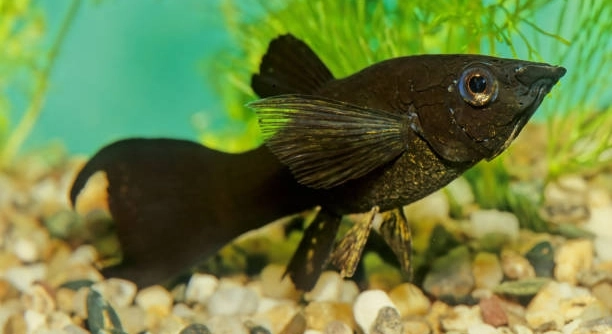
Many fish owners enjoy watching their black molly swim gracefully, yet sometimes these fish spend long periods hiding. Understanding why your black molly retreats can help you create a more comfortable and stress-free aquarium environment.
Black mollies often hide due to stress, poor water conditions, or lack of proper shelter. Ensuring clean water, stable temperatures, and adequate hiding spaces can reduce anxiety and encourage normal swimming and social behaviors in these fish.
Learning how to improve their environment can make a big difference in your black molly’s behavior and overall well-being.
Water Quality and Its Impact
Maintaining clean water is essential for black mollies. Poor water quality can cause them to hide more often, as they are sensitive to chemicals, pH shifts, and temperature changes. Frequent water changes help keep ammonia, nitrites, and nitrates low, which reduces stress on the fish. Mollies thrive in slightly alkaline water, ideally between pH 7.5 and 8.0, with stable temperatures around 75 to 80 degrees Fahrenheit. Using a reliable filter helps maintain consistent water conditions, and monitoring water parameters regularly ensures a healthy environment. Stress from sudden changes in water quality can make black mollies retreat to corners or hide among plants and decorations. Providing hiding spots, like caves or dense plant areas, allows them to feel safe when they sense minor disturbances. Observing their behavior daily helps identify water issues before they become serious. Healthy water encourages more active swimming and social interactions among your mollies.
Clean water makes a noticeable difference in black molly behavior, promoting activity and reducing hiding tendencies.
Ensuring the right water conditions requires routine maintenance. Testing for pH, ammonia, nitrites, and nitrates allows you to act before problems escalate. Temperature consistency is equally important, as fluctuations can stress the fish. Filters and aeration provide stability, while hiding spaces reduce anxiety, creating a balanced habitat where mollies feel secure and confident.
Tank Setup and Hiding Spaces
Providing enough plants and decorations gives black mollies places to retreat. Dense foliage or rock formations reduce stress and create comfortable resting spots.
A well-planned tank setup balances open swimming areas with sheltered zones. Black mollies are naturally curious but cautious fish, and they use hiding spaces to feel safe. Live plants such as Java moss, hornwort, or floating species create both security and oxygenation, while artificial caves or rock structures serve as consistent shelters. Avoid overcrowding the tank, as excessive competition can increase stress and hiding. Arranging decorations to form small nooks allows fish to escape briefly without feeling trapped. Lighting should be gentle, as bright lights may encourage hiding, especially during the day. A secure lid prevents sudden disturbances from outside the tank, which can also trigger hiding behavior. Observing which spots your black mollies prefer helps you adjust the tank layout to suit their comfort. Over time, a carefully structured environment encourages them to explore more, reducing excessive retreating.
Stress and Social Behavior
Black mollies hide when they feel stressed or threatened. Stress can come from aggressive tank mates, overcrowding, or sudden changes in the tank environment. Reducing stress helps them feel more comfortable and encourages normal swimming patterns.
Stress in black mollies often results from interactions with other fish or disruptions in their environment. Aggressive or overly active tank mates can force mollies to retreat frequently. Overcrowded tanks increase competition for food and space, which also raises anxiety. Even small changes, like rearranging decorations or adjusting lighting, may trigger hiding. Maintaining a calm, stable environment with compatible tank mates allows black mollies to feel secure and gradually become more visible. Observing their interactions helps identify stress sources so you can make necessary adjustments.
Social dynamics play a significant role in hiding behavior. Mollies are generally peaceful but prefer consistent groups with enough space. Providing areas where each fish can establish territory reduces conflict. Pairing them with compatible species and avoiding aggressive or highly active fish prevents frequent retreats. Additionally, feeding routines should be predictable, as sudden interruptions or changes can increase anxiety. Over time, consistent care and a well-planned social structure encourage mollies to explore more, reducing excessive hiding while promoting healthier interactions and overall well-being.
Diet and Nutrition
A poor diet can make black mollies lethargic and prone to hiding. Balanced feeding supports energy levels and overall health, which encourages active swimming and less retreating.
Black mollies require a varied diet including high-quality flake food, frozen or live foods, and occasional vegetable matter. Lack of nutrition can weaken their immune system and increase stress, causing them to seek hiding spots more frequently. Feeding small portions multiple times a day helps maintain energy levels. Overfeeding, however, can pollute the tank and create health issues, indirectly promoting hiding. Supplements, such as spirulina or blanched vegetables, provide essential vitamins and fiber. Observing feeding behavior ensures all fish receive adequate nutrition.
Proper diet impacts both activity and behavior. Mollies need a mix of proteins and plant matter to stay healthy and alert. Regularly varying their food prevents boredom and promotes natural foraging instincts. Avoid foods that are too fatty or low-quality, as these can lead to sluggishness. Fresh or frozen options, combined with nutrient-rich flakes, provide the necessary balance. Feeding at consistent times helps them anticipate meals, reducing stress and the tendency to hide. When diet is adequate, black mollies are more likely to explore their environment and interact with tank mates, showing healthier, more natural behavior.
Lighting and Day-Night Cycle
Bright or harsh lighting can make black mollies seek shelter more often. Maintaining a moderate, consistent light schedule helps them feel secure and encourages regular activity throughout the day.
Sudden changes in light intensity or duration can stress black mollies. A timer for lights ensures consistency, giving them a reliable day-night cycle. Dimmer lights or shaded areas allow for comfortable resting spots, reducing hiding behavior.
Disease and Health Issues
Hiding can indicate that a black molly is unwell. Illness or parasites often make them retreat to quiet areas to conserve energy and avoid interaction with other fish.
Regular observation for signs of disease, such as discoloration, clamped fins, or unusual swimming, helps catch issues early. Quarantining new or sick fish prevents the spread of infection. Maintaining water quality and proper nutrition supports their immune system. Prompt attention to health problems encourages recovery, reducing hiding behavior.
Temperature Fluctuations
Inconsistent temperatures can stress black mollies, prompting frequent hiding. Keeping the tank within a stable range supports normal activity and reduces anxiety.
Why is my black molly hiding most of the time?
Black mollies often hide due to stress, poor water conditions, or lack of safe spaces in the tank. Overcrowding, aggressive tank mates, sudden changes, or strong lighting can trigger retreating behavior. Ensuring clean water, consistent temperatures, and enough plants or decorations gives them security and encourages more activity.
Can hiding indicate illness in my black molly?
Yes, excessive hiding can signal health problems. Look for physical signs such as faded color, clamped fins, lethargy, or unusual swimming. Illness and parasites can cause mollies to seek quiet, safe areas. Quarantining sick fish and addressing water quality or dietary needs helps them recover more quickly.
How can I reduce hiding behavior in my tank?
Creating a stable, low-stress environment is key. Keep water clean, maintain consistent temperature, and provide plenty of hiding spots like plants or small caves. Choose compatible tank mates and avoid overcrowding. A predictable feeding schedule also reassures your mollies and encourages them to explore instead of hiding.
Does lighting affect my black molly’s hiding habits?
Yes, bright or inconsistent lighting can make black mollies retreat. They prefer moderate light with shaded areas to feel secure. Using a timer for a steady day-night cycle helps them adjust and reduces anxiety-driven hiding, promoting healthier activity patterns.
Can diet impact hiding behavior?
A poor diet can make black mollies weaker and more prone to hiding. Feeding a balanced mix of high-quality flakes, live or frozen foods, and vegetables supports energy levels and immune function. Avoid overfeeding, as it can pollute the water and indirectly increase stress and retreating.
Will tank decorations influence hiding?
Absolutely. Plants, rocks, and caves give black mollies places to feel safe. Dense foliage or well-arranged structures allow fish to hide when stressed but also explore at their own pace. Adjusting the layout based on observed behavior can encourage more active swimming and reduce prolonged hiding.
How do social dynamics affect hiding?
Aggressive or overly active tank mates can cause black mollies to retreat frequently. They feel more comfortable in a peaceful community with enough space. Monitoring interactions and ensuring compatible species are housed together helps mollies feel secure and encourages natural social behavior.
Is temperature stability important for black mollies?
Yes, fluctuations in temperature can stress mollies, causing them to hide. Maintaining a stable range between 75 and 80°F is ideal. Consistent heat reduces anxiety and supports normal swimming, feeding, and social activity. Sudden drops or spikes in temperature often lead to prolonged hiding.
When should I worry about hiding behavior?
Occasional hiding is normal, but persistent retreating combined with other signs like reduced appetite, color changes, or lethargy should be addressed. Regular observation, proper water maintenance, and dietary care usually resolve hiding caused by stress or minor environmental issues. Persistent behavior may indicate underlying illness.
Can improving water quality alone reduce hiding?
Yes, clean, stable water dramatically affects black molly behavior. Low ammonia, nitrites, and nitrates, along with regular water changes, reduce stress. Combined with proper filtration and monitoring, improving water quality encourages mollies to swim more freely and spend less time hiding.
Are there natural behaviors linked to hiding?
Some hiding is instinctive. Black mollies use shelters to rest or escape perceived threats. Providing natural hiding spots satisfies this instinct while keeping them confident enough to explore. Observation helps distinguish normal hiding from stress or illness-related retreating.
Can I train my black molly to come out more often?
Indirectly, yes. Consistent feeding schedules, stable water conditions, and a calm environment build trust and reduce fear. Over time, mollies learn that the tank is safe and gradually spend more time swimming openly, though some hiding remains natural and healthy.
Does tank size affect hiding?
Smaller tanks can increase stress and hiding due to limited space. Adequate room for swimming, combined with sufficient plants and shelters, helps mollies feel secure. Overcrowding should be avoided to maintain harmony and reduce frequent retreating behavior.
How long does it take for hiding behavior to improve?
Improvement depends on the cause. Stress-related hiding can reduce in days with stable water, proper diet, and safe spaces. Health issues may take longer to resolve once treated. Observation and consistent care are essential to encourage visible, active behavior.
Can hiding cause health problems if ignored?
Persistent hiding may indicate underlying stress or illness. Prolonged inactivity can lead to weakened immune systems, reduced feeding, and slower growth. Addressing environmental, dietary, or health factors early prevents long-term consequences and supports overall well-being.
Is it normal for black mollies to hide at night?
Yes, some hiding is natural during night hours when activity decreases. Black mollies may rest in shelters or shaded areas, which is normal behavior. Nighttime hiding usually does not indicate stress, as long as they are active during the day.
Do all black mollies hide the same way?
No, individual personalities and past experiences influence hiding. Some are naturally cautious and spend more time in shelters, while others are curious and swim openly. Recognizing your fish’s behavior helps tailor tank setup and care to their comfort.
Can adding live plants reduce hiding?
Yes, live plants offer both security and oxygenation. Dense foliage creates natural hiding spots, making black mollies feel safe. Plants also improve water quality slightly and encourage exploration, balancing their instinct to hide with confidence to swim and interact.
Does frequent tank maintenance affect hiding?
Sudden, irregular maintenance can stress black mollies. Gradual water changes and minimal disruption to decorations reduce retreating behavior. Consistency reassures the fish and allows them to feel secure in their environment while staying active and healthy.
How do I know if hiding is normal or a problem?
Short periods of hiding are normal, especially during rest or after minor disturbances. Persistent hiding, paired with poor appetite, unusual swimming, or physical changes, suggests stress or illness. Monitoring behavior and addressing environmental or health issues ensures proper care.
Can hiding be linked to breeding behavior?
Yes, pregnant female black mollies or those preparing to spawn may hide more often. Providing shelters reduces stress and allows them to reproduce naturally. This temporary hiding is part of instinctive behavior and usually resolves once the process is complete.
Will changing tank mates help reduce hiding?
Sometimes, yes. Aggressive or overly active fish can cause retreating. Introducing calm, compatible species and maintaining appropriate numbers reduces stress, encourages exploration, and minimizes prolonged hiding. Proper social balance supports confident and healthy black mollies.
Does water flow influence hiding?
Strong currents can stress black mollies, pushing them toward sheltered areas. Gentle, moderate flow allows comfortable swimming and exploration. Observing how they react to water movement helps determine whether adjustments are needed to reduce hiding.
Can hiding affect feeding habits?
Yes, stressed or hidden mollies may eat less. Ensuring easy access to food in safe areas and feeding at consistent times encourages them to come out and reduces skipped meals, supporting better health and energy levels.
Are black mollies more likely to hide in new tanks?
Yes, new environments can be overwhelming. They may retreat until they become familiar with the space, water conditions, and tank mates. Providing hiding spots and maintaining stable conditions helps them acclimate more quickly and reduces long-term hiding.
How often should I check for causes of hiding?
Daily observation is ideal. Noticing changes in behavior, feeding, or interaction with tank mates helps identify stressors or health issues early. Timely adjustments improve comfort, promote activity, and prevent prolonged hiding.
Can seasonal changes affect hiding?
Yes, fluctuations in room temperature, lighting, or humidity can indirectly impact water conditions and cause stress. Maintaining consistent tank care regardless of season minimizes hiding and supports stable behavior year-round.
Are black mollies more prone to hiding than other fish?
They are moderately cautious compared to very active species. Instinctively, they seek safety when stressed or threatened. Understanding their needs and providing a stable, comfortable environment reduces excessive hiding while respecting their natural tendencies.
Do older black mollies hide more?
Older fish may retreat more often due to reduced energy or mild health issues. Regular observation, proper nutrition, and stable environmental conditions help maintain activity and reduce excessive hiding, supporting longer-term health.
Can sudden noise or movement cause hiding?
Yes, black mollies react to disturbances outside the tank. Loud sounds, vibrations, or tapping can trigger hiding. Minimizing sudden external disruptions and providing shelter ensures a sense of security, reducing stress-driven retreats.
Is it normal for black mollies to hide together?
Sometimes, especially in small groups or during stress. They may cluster in shelters for safety. Group hiding is normal if not accompanied by signs of illness or aggression and usually resolves as comfort increases.
Can water hardness affect hiding behavior?
Yes, black mollies prefer slightly hard, alkaline water. Sudden changes in hardness can stress them, leading to hiding. Monitoring and maintaining appropriate water chemistry reduces anxiety and encourages confident swimming.
Do black mollies ever hide for fun or play?
Occasionally, hiding is exploratory or a natural instinct rather than stress-related. They may retreat to investigate or rest, balancing safety with curiosity. Observing patterns helps distinguish playful hiding from stress or health-related retreating.
How do I know if hiding is reducing after changes?
Monitor daily activity, feeding, and interactions. Increased swimming, exploration, and engagement with tank mates indicate improved comfort. Consistent behavior over days or weeks shows that adjustments to environment, diet, or social setup are effective.
Can frequent water changes reduce hiding?
Yes, regular water changes maintain stable conditions and low toxin levels. Combined with proper feeding and shelter, this reduces stress and encourages black mollies to be more visible and active, minimizing excessive hiding behavior.
Does tank location affect hiding?
Yes, tanks near heavy traffic, vibrations, or bright sunlight can stress fish. Placing the tank in a calm, stable area with moderate light reduces anxiety and hiding, allowing mollies to explore freely.
Can hiding behavior return after improvements?
It can, especially if new stressors arise like aggressive fish, water changes, or environmental disruptions. Ongoing observation and consistent care are key to maintaining reduced hiding and overall well-being.
Is hiding more common in certain times of the day?
Yes, black mollies may hide during bright daylight or quieter feeding periods. This is natural if they are active at other times and shows instinctive behavior rather than stress.
Can adding a mirror reduce hiding?
A mirror may stimulate activity temporarily but does not address underlying stress or environmental issues. It is not a substitute for proper tank setup, water quality, or compatible tank mates, which are more effective in reducing hiding.
Does hiding indicate fear of humans?
Some black mollies are naturally cautious around movement outside the tank. Regular, gentle observation and feeding at predictable times reduce fear and encourage them to explore without stress.
How important is consistency in reducing hiding?
Very important. Consistent water maintenance, feeding, lighting, and tank conditions reassure black mollies. Predictability reduces stress and hiding while promoting healthy activity and interaction with other fish.
Can hiding be part of normal molly behavior?
Yes, occasional hiding is instinctive for rest, safety, or observation. Persistent hiding combined with other signs of stress or illness is what needs attention, but short-term retreats are normal and healthy.
How long should I observe before making changes?
Observe behavior for several days to identify patterns before making adjustments. Quick reactions may not reflect true needs, while consistent monitoring ensures informed decisions to improve comfort and reduce hiding.
Can introducing new tank mates increase hiding?
Yes, new fish can trigger retreating. Gradual introductions, observation, and providing additional shelters help mollies adjust and reduce stress-related hiding.
Does water temperature adjustment need to be gradual?
Yes, sudden temperature changes can cause stress and hiding. Adjusting slowly over hours or using a reliable heater keeps fish comfortable and active.
Can hiding indicate reproductive behavior in males?
Occasionally, males may hide to establish territory or prepare for courtship. Providing space and shelters supports natural behavior while minimizing stress for all fish.
Is hiding more frequent in smaller tanks?
Yes, limited space increases stress and hiding due to competition and lack of retreats. Larger tanks with proper setup encourage confident swimming and reduce frequent retreats.
How does seasonal lighting affect hiding?
Natural daylight fluctuations can influence activity. Using a timer and maintaining consistent tank lighting reduces stress and prevents hiding caused by sudden light changes.
Does hiding decrease with regular interaction?
Gentle, consistent feeding and observation build comfort. While black mollies remain naturally cautious, predictable routines reduce anxiety, encouraging exploration and reducing hiding.
Are some black mollies naturally shy?
Yes, individual personality affects hiding. Some fish prefer shelter, while others are more adventurous. Understanding each fish’s temperament helps tailor tank setup and care.
Can stress from water chemistry changes cause hiding?
Yes, sudden shifts in pH, hardness, or salinity can stress mollies. Maintaining stable, appropriate water conditions encourages activity and minimizes hiding behavior.
Does tank size influence hiding frequency?
Smaller tanks limit space and increase stress, prompting more hiding. Adequate room with shelters allows black mollies to feel safe and reduces constant retreats.
Will hiding behavior return if I change the environment?
It may, especially if new stressors appear. Gradual adjustments and monitoring help mollies adapt, maintaining reduced hiding over time.
Can hiding indicate compatibility issues?
Yes, incompatible or aggressive tank mates increase stress and hiding. Proper selection and spacing prevent prolonged retreating, supporting confident, natural behavior.
Does hiding affect social interactions?
Frequent hiding reduces interaction with other fish, limiting social behavior. Providing safe spaces encourages gradual engagement, promoting healthier community dynamics.
How do I balance hiding spaces and open swimming areas?
Offer both shelters and clear areas. Black mollies need retreats for safety but also open zones for swimming and interaction. Proper balance encourages activity while respecting natural hiding instincts.
Can water current intensity affect hiding?
Strong currents stress mollies, leading to frequent hiding. Moderate, gentle flow allows comfortable swimming and reduces retreating. Adjusting filters or flow direction improves comfort.
Is hiding more common in new tank setups?
Yes, new environments are stressful. Providing shelters, stable conditions, and monitoring behavior helps mollies acclimate and reduces long-term hiding.
Do black mollies hide more when sick?
Yes, illness often prompts retreating. Observing for physical or behavioral signs ensures timely care, supporting recovery and reducing hiding.
Can hiding interfere with feeding?
Yes, stressed or hidden mollies may eat less. Providing food near shelters encourages feeding and supports energy levels, improving overall health.
Does hiding reduce when tank conditions are optimal?
Yes, stable water, proper diet, compatible tank mates, and sufficient hiding spots reduce anxiety and encourage normal swimming, minimizing excessive hiding.
Can environmental enrichment reduce hiding?
Yes, plants, rocks, and caves provide stimulation and security. Enriched environments satisfy instinctual needs and encourage confident exploration while offering safe retreats.
How often should I check for water quality to prevent hiding?
Regularly, at least once a week. Consistent monitoring of pH, ammonia, nitrites, nitrates, and temperature prevents stress-induced hiding and maintains overall health.
Are black mollies more likely to hide in bright rooms?
Bright light can trigger hiding. Shaded areas or moderate lighting reduces stress and encourages normal swimming behavior, making mollies more visible.
Does hiding affect growth?
Prolonged hiding due to stress or poor conditions can reduce feeding and energy, slowing growth. Addressing environmental or dietary issues supports healthy development.
Can hiding be temporary after tank changes?
Yes, temporary hiding is normal after rearranging decorations, adding fish, or changing water. They usually adjust within days if conditions remain stable.
Do black mollies hide more with aggressive feeders?
Yes, competition during feeding can increase hiding. Providing multiple feeding spots and gentle routines encourages participation and reduces stress.
How do I tell if hiding is normal behavior?
Short, occasional retreats are natural. Persistent hiding combined with physical changes, poor appetite, or lethargy indicates stress, illness, or environmental problems requiring attention.
Can hiding signal a need for tank expansion?
Yes, insufficient space can increase retreating. Larger tanks with proper shelter and swimming areas reduce stress and encourage natural activity.
Does tank maintenance timing influence hiding?
Sudden, irregular maintenance can stress mollies. Gradual, consistent care with minimal disruption helps them feel secure and reduces frequent hiding.
Are black mollies more likely to hide in community tanks?
They may hide if other species are aggressive or overly active. Proper selection, sufficient space, and hiding spots maintain balance and encourage confident behavior.
Can hiding increase during spawning periods?
Yes, pregnant females or those preparing to spawn may retreat more often. Providing secure shelters supports natural reproductive behavior while reducing stress.
Does hiding indicate fear of water movement?
Strong currents can trigger hiding. Moderate flow and gentle filtration allow comfortable swimming and reduce retreating behavior.
Can hiding behavior return after improvements?
It may if new stressors appear. Maintaining stable conditions, proper diet, compatible tank mates, and sufficient shelters prevents prolonged hiding.
How do I encourage black mollies to be more visible?
Consistent care, stable water, proper feeding, and secure hiding spots build confidence. Over time, mollies explore more while still having safe retreats available.
Does hiding vary by molly age?
Older mollies may retreat more due to lower energy or mild health issues. Stable conditions and proper nutrition help maintain activity.
Are shy mollies harder to acclimate?
Yes, naturally cautious fish may hide longer. Providing gentle observation, stable care, and ample shelters supports comfort and gradual adaptation.
Can hiding be influenced by water hardness?
Yes, sudden changes in hardness or alkalinity can stress mollies, prompting hiding. Consistent water chemistry supports activity and reduces retreating behavior.
Does feeding frequency affect hiding?
Yes, consistent, small feedings encourage mollies to come out and eat, reducing stress-induced hiding. Irregular feeding can increase retreating behavior.
How does tank decoration arrangement impact hiding?
Strategic placement of plants and caves balances safe retreats with open swimming. Adjusting layout based on observation encourages exploration while respecting instinctive hiding behavior.
Can hiding behavior indicate aggression in the tank?
Yes, aggressive tank mates may force mollies to retreat. Observing interactions and adjusting social dynamics reduces hiding and promotes confident swimming.
Does hiding affect molly interaction with humans?
Cautious fish may retreat initially, but consistent gentle observation and feeding help reduce fear, encouraging them to be more visible over time.
Can environmental stability alone reduce hiding?
Yes, consistent water parameters, temperature, lighting, and minimal disturbances reassure mollies and reduce
Understanding why black mollies hide can make a big difference in how you care for them. These fish are naturally cautious, and hiding is part of their instinct. However, when hiding becomes frequent or prolonged, it usually points to environmental stress, poor water quality, illness, or social challenges in the tank. Paying attention to their behavior allows you to identify problems early and make adjustments to help them feel safer and more comfortable. Every tank is different, and observing how your mollies respond to changes in water, lighting, or tank mates gives you important clues about their needs and preferences.
Providing a stable environment is one of the most effective ways to reduce hiding. Clean water, consistent temperature, and balanced diet all contribute to their overall health and confidence. Black mollies feel more secure when they have enough plants, caves, or other hiding spots to retreat to when they want privacy. At the same time, maintaining open swimming areas encourages exploration and activity. Avoiding overcrowding and choosing compatible tank mates helps reduce stress and allows mollies to interact naturally. Simple changes, like adjusting lighting or adding more plants, can have a noticeable impact on their comfort level. Over time, these small improvements encourage black mollies to spend more time swimming in the open instead of hiding for long periods.
It is also important to understand that some hiding is normal. Even in perfect conditions, black mollies may retreat occasionally to rest, observe, or avoid minor disturbances. The key is balance. Persistent hiding accompanied by signs of poor health, changes in eating habits, or aggression from other fish requires attention. Monitoring behavior regularly, keeping up with water maintenance, providing nutritious food, and designing a tank that meets their natural instincts are all steps that support their well-being. With consistent care, black mollies can thrive, becoming more active, confident, and healthy. By paying attention to their environment and behavior, you ensure they feel safe, reducing excessive hiding while still respecting their natural tendencies.
The overall message is simple: observing your black mollies, understanding their instincts, and maintaining a stable, supportive environment allows them to live a healthier, happier life. Hiding is not always a problem, but recognizing when it signals stress or discomfort is essential. By focusing on water quality, diet, tank setup, and social balance, you can minimize hiding caused by avoidable stress factors. Over time, your mollies will learn to trust their surroundings and spend more time swimming openly, showing natural behavior and confidence. Patience and consistency are key, and even small improvements in care can have a lasting impact on their behavior and health. Creating a safe, stable, and well-planned environment ensures your black mollies are comfortable, active, and thriving.

Hello,
If you enjoy the content that we create, please consider saying a "Thank You!" by leaving a tip.
Every little bit helps us continue crafting quality advice that supports the health, happiness, and well-being of pets around the world, for pets of all shapes, sizes, and species.
We really appreciate the kindness and support that you show us!