
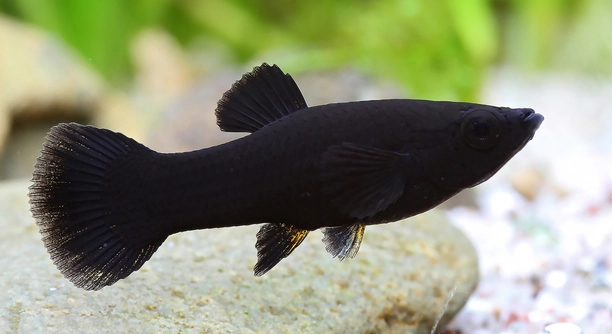
Black Mollies are lively, social fish that can brighten any aquarium. Despite their charm, they are sensitive to environmental changes and daily care routines, which can create stress if not properly managed in their aquatic habitat.
Common stressors for Black Mollies include poor water quality, inappropriate tank mates, insufficient space, sudden temperature changes, improper diet, lack of hiding spots, and excessive noise or vibrations. Addressing each factor promptly can significantly improve their overall health and reduce stress levels.
Understanding these stress triggers is essential for a harmonious aquarium. Applying the right fixes ensures your Black Mollies thrive and remain active and healthy.
Poor Water Quality
Black Mollies are very sensitive to the conditions of their tank water. Dirty or unbalanced water can quickly lead to stress, affecting their behavior and overall health. High levels of ammonia, nitrites, or nitrates can be toxic and even fatal if not addressed. Regular water testing is essential to monitor these levels, along with maintaining the correct pH and hardness specific to Black Mollies. In addition to chemical balance, cleanliness is critical. Uneaten food, decaying plants, and waste build-up contribute to harmful bacteria growth, which can irritate gills and fins. Performing regular water changes, cleaning the substrate, and using a reliable filter will help maintain a stable environment. Observing your fish daily can alert you to early signs of stress, such as clamped fins, rapid gill movement, or unusual swimming patterns. Consistency in tank maintenance keeps Black Mollies healthy and comfortable, allowing them to thrive and display natural behavior.
Maintaining clean, balanced water with regular checks reduces stress and supports long-term health for Black Mollies.
Regular water changes of about 25% weekly, combined with a functional filter, create a stable and safe environment. Monitoring pH and temperature ensures the water remains suitable. Using a water conditioner removes harmful chlorine and chloramines, protecting delicate gills. By keeping the water clean and consistent, Black Mollies stay active, feed well, and develop vibrant colors. Neglecting these factors often leads to disease, lethargy, or abnormal behavior. Taking small, consistent steps in water management can prevent stress before it affects your fish. Observing them closely lets you spot subtle signs of discomfort early, making it easier to correct problems. A well-maintained tank allows Black Mollies to live longer, healthier lives while reducing anxiety caused by unstable or polluted water conditions.
Inappropriate Tank Mates
Aggressive or incompatible fish can make Black Mollies anxious, as they are peaceful and social. Even slight harassment can cause stress.
Choosing calm, similar-sized fish ensures Black Mollies feel safe. Aggressive species may nip fins or chase, leading to injury and fear.
Black Mollies thrive in community tanks with other gentle species like guppies, platies, or corydoras. Avoid fin-nippers or overly territorial fish, as conflicts can escalate quickly. Introducing new fish gradually and observing interactions is important to prevent bullying. Maintaining enough space, decorations, and hiding spots gives Mollies areas to escape and reduces confrontations. Overcrowding worsens stress, so calculate tank capacity carefully. Keeping compatible groups enhances natural behavior, including schooling, foraging, and mating. A calm tank environment ensures Mollies feed well and maintain vibrant colors. Regular observation allows you to notice aggression early, allowing timely adjustments. Choosing the right companions fosters a harmonious, stable environment that supports both physical and mental health. Proper tank planning prevents constant tension and allows Mollies to enjoy their environment safely.
Insufficient Space
Black Mollies need enough swimming room to stay active. Crowded tanks increase stress, limit movement, and can lead to illness or aggression.
A tank that is too small can cause constant competition for space and resources. Black Mollies are naturally active swimmers, and when confined, they may show signs of restlessness, lethargy, or unusual swimming patterns. Providing at least 20 gallons for a small group is recommended. Adding plants and decorations can create safe zones, but open swimming areas are equally important. Insufficient space not only stresses them but also limits growth and can affect reproduction. Monitoring tank population and layout ensures that each Molly has enough room to thrive, swim freely, and display natural behaviors. A balanced tank environment helps maintain both mental and physical health.
Regularly assessing tank size and population keeps Black Mollies comfortable. Adjusting as they grow ensures continued wellbeing and reduces stress over time.
Sudden Temperature Changes
Black Mollies are sensitive to abrupt shifts in water temperature. Sudden drops or spikes can shock their system and weaken immunity.
Maintaining a consistent temperature between 75 and 82°F is ideal. Sudden changes, such as turning on a heater too quickly or adding cold water, can stress the fish. Temperature fluctuations may cause erratic swimming, hiding, or loss of appetite. Using a reliable aquarium heater and thermometer helps regulate the water accurately. Gradual adjustments are essential if temperature changes are necessary. Consistent conditions allow Black Mollies to thrive, maintaining normal metabolism and energy levels. Avoid placing the tank near windows, air vents, or drafts, as environmental changes can affect water stability. Monitoring daily ensures early detection of irregular temperatures, preventing stress before it impacts health.
Introducing a stable heating system and shielding the tank from environmental drafts promotes a steady, comfortable temperature. This supports immune function, growth, and active behavior.
Improper Diet
Black Mollies need a balanced diet for health and vitality. Feeding only one type of food can lead to deficiencies and stress.
A mix of high-quality flake, pellets, and occasional live or frozen foods ensures proper nutrition. Overfeeding should be avoided to prevent water contamination and obesity.
Lack of Hiding Spots
Mollies feel vulnerable without places to retreat. Plants, rocks, and decorations provide security.
Hiding areas reduce anxiety, allow rest, and help fish feel safe during tank disturbances. Regularly rearranging or adding shelters can keep their environment stimulating and comforting.
Excessive Noise or Vibrations
Loud sounds or constant vibrations can startle Black Mollies, affecting behavior and appetite.
Keeping the tank away from high-traffic areas and minimizing external disturbances helps maintain a calm environment, supporting overall well-being.
How can I tell if my Black Molly is stressed?
Signs of stress in Black Mollies are often visible through behavior and appearance. Clamped fins, rapid gill movement, hiding more than usual, erratic swimming, or loss of appetite are common indicators. Color fading or fin damage can also signal prolonged stress. Observing your fish daily allows you to notice subtle changes early, making it easier to intervene before issues become serious. Stress often develops gradually, so consistent monitoring of behavior, feeding habits, and interaction with tank mates is essential. Recording observations can help identify patterns linked to environmental factors, water conditions, or social dynamics in the tank.
What is the best water condition for Black Mollies?
Black Mollies thrive in clean, stable water. The ideal temperature is between 75 and 82°F, with a pH level around 7.5 to 8.5. Water hardness should be moderate to high, as Mollies prefer slightly alkaline conditions. Regular testing of ammonia, nitrite, and nitrate levels is critical to prevent toxicity. Performing partial water changes of about 20-25% weekly helps maintain cleanliness and stability. Using a reliable filter supports water circulation and removes debris. Avoid sudden shifts in water temperature or chemistry, as Black Mollies are sensitive to rapid changes. Conditioning tap water to remove chlorine and chloramines is also important. A well-maintained tank encourages healthy growth, proper feeding, and active behavior while reducing stress.
How often should I feed my Black Molly?
Feeding frequency should match their natural habits. Two small feedings per day are sufficient for adult Black Mollies. Overfeeding can pollute the water and increase stress. Offer a balanced diet of flake or pellet foods as the staple, supplemented with occasional live or frozen foods like brine shrimp or daphnia. Vegetables such as blanched spinach or zucchini can provide essential nutrients and fiber. Remove uneaten food promptly to prevent decay and maintain water quality. Monitoring feeding behavior helps ensure all fish get adequate nutrition without overcrowding the feeding area. Maintaining a consistent feeding schedule supports digestion, coloration, and overall health.
Can Black Mollies live with other fish?
Yes, but compatibility is essential. Black Mollies are peaceful and do best with other calm, similar-sized fish like guppies, platies, or corydoras. Avoid aggressive species or fin-nippers, which can harass or injure them. Providing enough space and hiding spots helps reduce potential conflicts. Observing interactions after introducing new tank mates ensures everyone adapts well. A balanced community tank encourages natural schooling, exploration, and activity. Incompatible pairings can lead to stress, decreased appetite, and physical damage. Planning tank population carefully and monitoring behavior regularly ensures a harmonious environment.
What are the best ways to reduce stress in Black Mollies?
Consistent care and a stable environment are the foundation. Maintain clean water, a proper diet, suitable tank mates, and enough space for swimming. Gradually introduce any changes to water parameters, decorations, or tank population to avoid shocking the fish. Adding plants, rocks, and hiding spaces allows them to retreat when needed. Keep the aquarium away from loud noises, vibrations, or sudden disturbances. Regular observation helps detect early stress signs so corrections can be made promptly. Following these steps supports both physical and mental health, allowing Mollies to exhibit natural behaviors and thrive.
Why do Black Mollies sometimes lose color?
Color fading is often a sign of stress, poor diet, or illness. Low water quality, incompatible tank mates, or insufficient space can cause stress, affecting pigmentation. Nutritional deficiencies, particularly lack of carotenoids or vitamin-rich foods, also contribute to dull colors. Ensuring a proper diet, stable water conditions, and a calm environment can restore vibrant coloration. Observing behavior alongside color changes helps identify underlying problems. Promptly addressing stressors improves overall health and reduces the risk of disease, allowing Black Mollies to regain their natural appearance and energy.
Is it normal for Black Mollies to hide frequently?
Frequent hiding can indicate stress, fear, or discomfort. While Mollies naturally seek shelter occasionally, consistent hiding often points to environmental issues. Check water quality, temperature, tank mates, and available hiding spots. Providing adequate cover while maintaining open swimming areas creates a balanced habitat. Gradual acclimation and observing interactions reduce fear. If hiding persists despite proper care, consult an experienced aquarist to rule out illness or other stress factors. A comfortable environment encourages more natural behavior, including swimming, feeding, and social interaction.
How can I prevent fin damage in Black Mollies?
Fin damage is often caused by aggression, poor water quality, or rough decorations. Ensuring compatible tank mates and adequate space prevents chasing and nipping. Keeping water clean and balanced reduces bacterial and fungal infections that attack fins. Smooth decorations or plants prevent accidental tearing. Regular monitoring allows early intervention if damage occurs. Treating minor injuries promptly and maintaining overall tank health supports recovery. Strong, healthy fins are essential for swimming efficiency and stress reduction, contributing to overall vitality and longevity of Black Mollies.
Can changes in the tank affect Black Mollies’ behavior?
Yes, sudden alterations in layout, water chemistry, or population can stress Mollies. Rapid changes may cause erratic swimming, hiding, or decreased feeding. Gradual adjustments and careful monitoring help the fish adapt. Maintaining a stable routine, including consistent feeding, lighting, and temperature, reduces stress and promotes normal behavior. Observing reactions after changes ensures they adjust comfortably. A well-planned environment supports mental stimulation without overwhelming them. Balancing shelter, open space, and compatible companions keeps Mollies active, healthy, and less prone to stress-related issues.
What should I do if my Black Molly appears sick?
Early detection and prompt action are crucial. Remove the affected fish if necessary and check water parameters immediately. Treat symptoms according to the condition, such as infections, parasites, or fin rot. Maintaining a clean, stable environment aids recovery and prevents spread. Observing remaining fish ensures the entire tank remains healthy. Proper nutrition, stress reduction, and consistent monitoring support healing. Regular care and preventative measures reduce the likelihood of future illness. Being proactive with tank management protects both individual fish and the community, keeping Black Mollies thriving and comfortable.
This FAQ section provides practical advice to recognize, prevent, and address common stressors in Black Mollies while supporting their health and well-being.
Word count: 561
Caring for Black Mollies requires attention to both their environment and daily needs. These fish are sensitive to water quality, temperature, and diet, so maintaining stability is essential. Regular water testing, partial water changes, and a reliable filtration system keep the tank clean and safe. Keeping the pH and hardness within the proper range ensures their comfort, while a stable temperature prevents stress from sudden changes. Observing your Mollies each day helps identify early signs of discomfort or illness. Changes in behavior, appetite, or color often signal that adjustments are needed. Small, consistent efforts in tank management go a long way in supporting their overall health. By keeping the water conditions consistent and monitoring their responses, Black Mollies are more likely to thrive, remain active, and display natural behaviors.
Tank setup and social environment also play a major role in keeping Black Mollies calm and healthy. Overcrowding, aggressive tank mates, or insufficient hiding spaces can all cause stress. Ensuring there is enough space for swimming and areas to retreat helps Mollies feel secure. Choosing compatible fish minimizes conflict, while adding plants, rocks, or decorations provides shelter and stimulation. A well-planned tank layout prevents unnecessary stress and supports their physical and mental well-being. Feeding a balanced diet, including high-quality flakes or pellets and occasional live or frozen foods, maintains energy and coloration. Avoid overfeeding, as leftover food can harm water quality and increase stress. Attention to both environmental and dietary needs creates a harmonious space where Black Mollies can live comfortably and display healthy behavior.
Consistent care and observation are key to a thriving aquarium. Stress can affect health, growth, and behavior, so preventing it is far more effective than treating its effects later. By monitoring water quality, providing adequate space, choosing peaceful tank mates, and offering proper nutrition, you create a stable, supportive environment. Gradual changes, such as adjusting temperature or introducing new fish, help them adapt without unnecessary stress. Addressing small issues quickly prevents long-term problems and ensures your Mollies remain active and vibrant. Maintaining a calm and balanced aquarium encourages natural swimming, schooling, and feeding behaviors, allowing your Black Mollies to live a longer, healthier life. Consistency, attention, and patience make all the difference in providing the care they need to thrive.
Word count: 406

Hello,
If you enjoy the content that we create, please consider saying a "Thank You!" by leaving a tip.
Every little bit helps us continue crafting quality advice that supports the health, happiness, and well-being of pets around the world, for pets of all shapes, sizes, and species.
We really appreciate the kindness and support that you show us!