
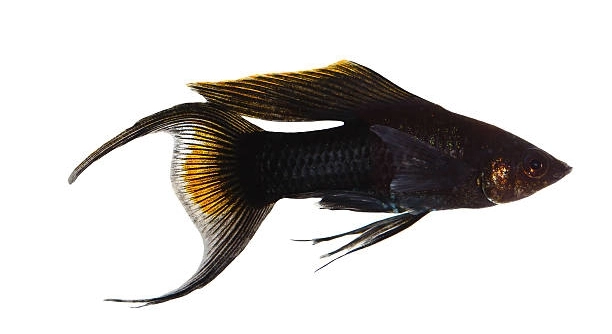
Black Mollies are popular aquarium fish known for their sleek black color and active nature. Many fish owners enjoy keeping them in community tanks. Their adaptability to different water conditions makes them appealing for beginners and experienced hobbyists alike.
Black Mollies are tropical fish and cannot survive in cold water for extended periods. Exposure to temperatures below 65°F (18°C) can lead to stress, weakened immunity, and ultimately fatal health complications, making temperature control essential for their survival.
Maintaining the right water temperature is crucial for keeping Black Mollies healthy. Understanding their needs ensures they thrive in home aquariums and remain vibrant.
Understanding Black Molly Temperature Needs
Black Mollies are tropical fish that thrive in warm water between 75°F and 82°F (24°C–28°C). Sudden drops in temperature can shock their system, leading to stress and illness. These fish are sensitive to cold, and even a short exposure can reduce their activity and appetite. Cold water slows their metabolism, making it harder to digest food and fight off infections. In addition, fluctuating temperatures can disrupt breeding patterns and affect overall health. Tank heaters and reliable thermometers are essential for maintaining a stable environment. Regular monitoring helps prevent problems before they become serious. Black Mollies also prefer slightly alkaline water with moderate hardness. Keeping pH and mineral levels consistent supports their immune system. Choosing a well-insulated tank and avoiding placement near drafty windows or air conditioning vents can help maintain steady warmth. A consistent routine for feeding, cleaning, and water changes contributes to their overall wellbeing and longevity in the aquarium.
Maintaining stable temperatures reduces stress and ensures Black Mollies remain active, healthy, and vibrant.
Stable water temperature creates a supportive environment for growth, reproduction, and daily activity, helping them thrive without frequent illness or stress.
Signs Your Black Molly is Struggling in Cold Water
Lethargy and reduced swimming are early indicators that a Black Molly is too cold.
When temperatures drop, Mollies may hide, eat less, or float near the surface. Over time, their fins may clump, and their color can fade. These changes are often overlooked until they lead to more serious issues like infections. Regular observation helps spot problems early. Ensuring the tank is at the correct temperature and free from sudden fluctuations can prevent these symptoms. Heating equipment should be checked regularly, and water changes should not introduce colder water suddenly. Even a few degrees below the optimal range can have an impact. Providing hiding spots and gentle filtration reduces stress during colder periods. Recognizing early warning signs allows corrective action before health deteriorates, supporting long-term survival. Fishkeeping requires attention to detail, and small adjustments often make a significant difference in their wellbeing. Consistent care and monitoring create a stable environment that supports their natural behavior.
Proper monitoring and care allow Black Mollies to recover quickly, avoiding long-term health issues from cold exposure.
Preventing Cold Stress in Black Mollies
Using a reliable aquarium heater keeps water at a stable temperature. Regular checks prevent sudden drops that can harm your fish.
Placement of the tank away from windows or air conditioners helps maintain consistent warmth. Avoiding cold drafts ensures Mollies remain active. Consistent water changes with pre-warmed water prevent sudden temperature fluctuations. A thermometer is essential for monitoring the tank daily. Adjusting heater settings gradually avoids shocking the fish. Providing plants and decorations gives hiding spots, reducing stress during colder periods. Small tanks cool faster, so consider tank size when planning heating. Insulation on the tank walls can also help maintain stable temperatures.
Feeding appropriately is important. Cold-stressed Mollies digest slower, so smaller, frequent meals are better. Avoid overfeeding during colder times, as uneaten food can pollute the water. Observing behavior after adjustments helps ensure the fish adapt safely and remain healthy.
Ideal Tank Conditions for Black Mollies
Maintaining clean water with balanced pH and hardness supports Black Mollies’ health.
Black Mollies thrive in slightly alkaline water, around pH 7.5 to 8.0, with moderate hardness. Consistent water parameters reduce stress and promote immunity. Filtration is essential to remove waste and prevent toxins. Regular partial water changes maintain water quality without causing temperature shocks. Aeration helps maintain oxygen levels, especially in warmer water. Decorations and plants provide hiding spots, allowing Mollies to feel secure. Lighting should mimic natural daylight but avoid extreme heat. Monitoring temperature, pH, and hardness together ensures a stable environment. Consistency in tank conditions prevents common health issues like fin rot and cloudy eyes, supporting long-term survival and activity levels in your aquarium.
Acclimating New Black Mollies
Introduce new Mollies slowly by floating the sealed bag in the tank for 15–20 minutes. This allows temperature adjustment before release.
Gradually add small amounts of tank water to the bag over 30–45 minutes. This helps them adjust to water chemistry and reduces stress when they enter their new environment.
Effects of Prolonged Cold Exposure
Extended periods in cold water weaken Black Mollies’ immune systems. They become prone to infections and slower healing, which can lead to serious illness or death. Maintaining proper temperature prevents these long-term health issues and keeps fish active and vibrant in the tank.
Choosing the Right Heater
Select a heater appropriate for the tank size. A heater too small may fail to maintain stable temperatures, risking your Mollies’ health.
FAQ
Can Black Mollies survive briefly in cold water?
Black Mollies can tolerate short periods of slightly cooler water, but anything below 65°F (18°C) is stressful. Even brief exposure can slow their metabolism, reduce activity, and make them more susceptible to disease. Keeping the water stable is the safest approach.
What temperature range is safe for Black Mollies?
The ideal temperature range is 75°F to 82°F (24°C–28°C). Temperatures consistently below 70°F (21°C) can cause stress, lethargy, and weakened immunity. Temperatures above 85°F (29°C) can also be harmful, so maintaining consistency is more important than occasional minor fluctuations.
How can I quickly warm a tank that’s too cold?
Use a reliable aquarium heater to gradually increase the temperature. Avoid sudden heating, as rapid changes can shock the fish. Adding a floating heater or insulating the tank can help raise and maintain temperature evenly.
Do Black Mollies need a specific water pH in cold conditions?
Yes, they prefer slightly alkaline water between pH 7.5 and 8.0. Cold water alone can stress them, and fluctuations in pH can worsen their condition. Gradual acclimation and stable parameters are key.
What signs show that a Black Molly is suffering from cold water?
Signs include lethargy, clamped fins, reduced appetite, pale coloration, and hiding. Over time, cold-stressed fish may develop fin rot or other infections. Early detection and correcting the temperature promptly are critical.
Can Black Mollies recover after being exposed to cold water?
Recovery is possible if the exposure is brief and the fish are returned to proper temperature quickly. Provide clean water, gradual acclimation, and small, easily digestible meals to support recovery. Extended exposure may cause irreversible damage.
Are tank size and setup important for temperature stability?
Yes, smaller tanks lose heat faster, so a heater is essential. Placing the tank away from windows, drafts, or air conditioners helps maintain stable temperatures. Decorations, plants, and insulation can also reduce rapid temperature swings.
Is it safe to use a heater overnight?
Yes, using a reliable heater continuously ensures the tank stays within the safe range. Most heaters automatically regulate temperature, preventing overheating or chilling. Checking the heater regularly prevents malfunction-related stress or temperature drops.
Can cold water affect Black Mollies’ breeding?
Cold water slows their metabolism, which reduces activity and appetite, including reproductive behaviors. Maintaining proper temperature and stable water conditions encourages normal breeding and healthy fry development.
Should I remove Black Mollies from a tank if it gets too cold?
Instead of removing them, gradually warm the tank and monitor their behavior. Sudden relocation can add stress. Proper equipment and temperature control are safer and less risky for the fish.
How do I prevent future cold exposure?
Use a quality heater and thermometer, perform gradual water changes with pre-warmed water, insulate the tank, and monitor environmental factors like drafts or sunlight. Consistency in temperature and routine care reduces the risk of cold-related health problems.
Can other tank mates tolerate colder temperatures better than Black Mollies?
Some species are more cold-tolerant, but mixing tropical and cold-water fish is not recommended. Black Mollies require warmth, and keeping them with species that prefer cooler water may compromise their health. Proper species selection ensures a harmonious and safe environment.
Are there quick fixes if a heater fails?
Temporary measures include using warm water in partial water changes or placing the tank near a safe heat source. Avoid sudden temperature spikes. Replacing or repairing the heater promptly is essential to prevent prolonged stress or fatalities.
Do Black Mollies need special care in winter?
Yes, especially if your home temperature drops. Ensure heaters are functioning, water temperature remains stable, and tank placement avoids cold drafts. Feeding should be adjusted to account for slower metabolism during cooler periods.
Can cold stress shorten their lifespan?
Yes, repeated or prolonged exposure to cold water weakens immunity, increases susceptibility to disease, and can shorten a Black Molly’s lifespan. Preventive care with stable temperature is the most effective way to protect their long-term health.
Black Mollies are tropical fish that require careful attention to water temperature in order to thrive. Their natural habitat includes warm, slightly alkaline waters, and even brief exposure to cold water can cause stress or health issues. Maintaining a consistent temperature in your tank is essential, and a reliable heater combined with a thermometer can help achieve this. Sudden drops in temperature can slow their metabolism, reduce appetite, and make them more vulnerable to infections. Observing their behavior daily can help identify early signs of stress, such as lethargy, clamped fins, or hiding. Small adjustments in water temperature or routine care can make a noticeable difference in their overall health. For new fishkeepers, understanding the importance of temperature stability is a key part of responsible fishkeeping and ensures that Black Mollies remain active, healthy, and vibrant in a home aquarium environment.
Creating a stable environment for Black Mollies also involves monitoring water quality. They thrive in slightly alkaline water with moderate hardness, and fluctuations in pH or mineral levels can add stress, especially when combined with cold conditions. Performing gradual water changes with pre-warmed water helps maintain stability without shocking the fish. Tank size, placement, and insulation are also important considerations. Smaller tanks cool faster, and tanks near windows or drafty areas may experience temperature swings that negatively affect the fish. Including plants and decorations can provide hiding spots, which reduce stress during temperature fluctuations. Consistent care, such as feeding appropriate amounts and observing behavior, supports the fish’s immune system and overall well-being. A combination of proper equipment, water management, and attentive observation ensures that Black Mollies can live long, healthy lives in an aquarium setting.
Paying attention to the smallest details can prevent health issues caused by cold stress. Gradual acclimation when introducing new fish, monitoring for signs of cold exposure, and ensuring a stable, warm environment are essential. Even short exposures to cold water can have consequences if not addressed promptly, but careful management and attention to their needs allow Black Mollies to recover and thrive. By maintaining stable temperatures, proper water conditions, and attentive care, fishkeepers can provide a safe and comfortable environment for these tropical fish. Understanding the specific needs of Black Mollies helps prevent unnecessary stress and supports their natural behavior and longevity, allowing them to remain vibrant and active in the home aquarium.

Hello,
If you enjoy the content that we create, please consider saying a "Thank You!" by leaving a tip.
Every little bit helps us continue crafting quality advice that supports the health, happiness, and well-being of pets around the world, for pets of all shapes, sizes, and species.
We really appreciate the kindness and support that you show us!