
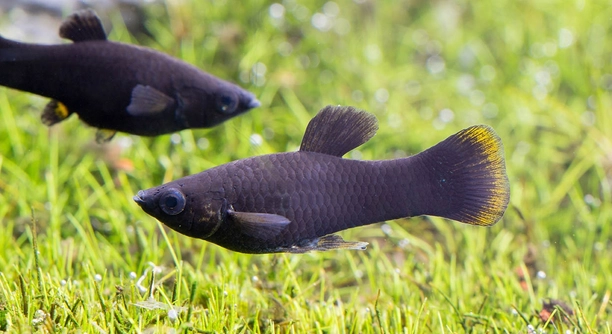
Do you ever find yourself caring for your black molly fish and noticing them suddenly die without warning? Many aquarists face this frustrating issue, leaving them worried and unsure about what went wrong in their tank.
Black molly fish often die suddenly due to poor water quality, temperature fluctuations, overcrowding, inadequate diet, disease, stress, or incompatible tank mates. Each factor disrupts their delicate balance, making sudden death a common outcome if not addressed promptly.
Understanding these causes will help you create a healthier environment for your fish. Proper care and adjustments can prevent sudden losses and improve their overall wellbeing.
Poor Water Quality
Poor water quality is one of the main reasons black molly fish die suddenly. Ammonia, nitrite, and nitrate levels can rise quickly if the tank is not cleaned regularly. Even small changes in pH or hardness can stress fish, making them more vulnerable to disease. Uneaten food, decaying plants, and waste buildup all contribute to deteriorating water. Molly fish are particularly sensitive to chlorine and chloramine, which are often present in tap water. Using a proper water conditioner and performing regular water tests can prevent these problems. It is important to establish a consistent cleaning schedule and monitor chemical levels. Keeping the water stable helps your fish stay healthy and reduces sudden deaths. I have seen tanks where minor neglect led to multiple losses in a few days, reinforcing how critical water quality truly is. Clean, balanced water creates a safe and supportive environment for black mollies to thrive.
Maintaining clean water involves regular partial water changes and monitoring chemical levels closely to avoid stress-related deaths.
A simple approach is to change 20-25% of the tank water weekly, test ammonia, nitrite, nitrate, and pH regularly, and remove leftover food promptly. Using a water conditioner before adding new water removes harmful chemicals. Filtration should match the tank size to ensure proper circulation and cleanliness. Overcrowding increases waste, so avoid adding too many fish at once. Observing fish behavior can indicate water issues; gasping at the surface or lethargy signals stress. By maintaining stable water conditions and acting quickly when parameters fluctuate, you can significantly reduce sudden deaths. Consistent care keeps your black mollies healthy, active, and less prone to disease caused by poor water quality.
Temperature Fluctuations
Sudden changes in water temperature can shock black molly fish and lead to rapid death. Even small shifts affect their immune system and metabolism.
Maintaining a stable temperature between 75-82°F is essential. Use a reliable heater, thermometer, and avoid placing the tank near drafts, windows, or direct sunlight.
Temperature affects oxygen levels and fish activity. If water becomes too cold, molly fish slow down and become weak, while sudden heat spikes increase stress and disease risk. Consistency is key; fluctuations of more than a few degrees over a short period can be fatal. I once had a tank near a sunny window, and a sudden morning sunbeam caused three fish to die within hours. Using a heater with a thermostat and monitoring temperature daily prevents these losses. Avoid placing the tank near AC vents or heaters. During water changes, ensure new water is tempered to match the tank. Stability in temperature protects your fish’s health, supports digestion, and reduces stress, keeping them lively and safe from sudden death.
Overcrowding
Overcrowding increases stress and spreads disease among black molly fish. Too many fish in one tank also depletes oxygen and pollutes water faster. Proper stocking ensures each fish has space to swim and reduces sudden deaths caused by stress or poor water quality.
Keeping a balanced number of fish is crucial. Overcrowding leads to constant competition for food and territory, which can cause aggression and injuries. Waste accumulates more quickly in crowded tanks, raising ammonia and nitrate levels. Molly fish are sensitive to these changes, and high stress weakens their immune system, making them prone to infections. A tank that is too small or packed can result in sudden deaths within days if conditions are not corrected. I once had a 20-gallon tank with ten mollies, and despite regular feeding, stress signs appeared quickly. Reducing the number of fish improved activity, reduced aggression, and lowered the risk of sudden death.
Choosing the right tank size and maintaining proper fish density ensures stable water conditions and calmer, healthier fish.
Overcrowding also affects breeding and growth. Young molly fish may get bullied or starve, and adults may experience stunted growth. Ensuring enough hiding spots, plants, and decorations can help mitigate minor stress but will not replace the need for proper stocking. Proper monitoring of fish behavior and water parameters helps catch overcrowding issues early before they result in sudden deaths. Balancing fish numbers with tank capacity keeps the ecosystem stable and supports the long-term health of your mollies.
Inadequate Diet
A poor diet weakens black molly fish and makes them more prone to sudden death. Feeding only one type of food or low-quality flakes does not provide essential nutrients.
Providing a varied diet including high-quality flakes, frozen foods, and occasional live foods supports immune function and growth.
Mollies need proteins, vitamins, and minerals for energy, reproduction, and overall health. Relying solely on dry food can lead to deficiencies and weaken their resistance to disease. I noticed that after switching to a mix of flake, brine shrimp, and vegetables, my mollies became more active and resilient. Overfeeding can also cause problems by polluting water and stressing fish. Balanced feeding schedules and portion control prevent digestive issues and maintain water quality. A consistent, nutritious diet directly impacts longevity and reduces sudden deaths. Monitoring appetite and adjusting food types ensures your fish receive all necessary nutrients.
Disease
Bacterial, fungal, and parasitic infections can quickly kill black molly fish. Symptoms like spots, clamped fins, or unusual swimming indicate illness. Prompt treatment with appropriate medication can save remaining fish and prevent the spread of infection.
Quarantining new fish before adding them to the main tank helps avoid introducing diseases.
Stress
Stress weakens molly fish, making them prone to sudden death. Causes include poor water, overcrowding, and aggressive tank mates. Stress signals include hiding, erratic swimming, and loss of appetite. Reducing stress through proper tank conditions and compatible companions keeps fish healthy and more resilient.
Incompatible Tank Mates
Aggressive or large fish can injure or kill black mollies. Mixing species carefully ensures safety and reduces sudden deaths caused by bullying or predation.
Poor Oxygen Levels
Low oxygen in the tank can suffocate black mollies quickly. Adding air stones, proper filtration, and plants ensures adequate oxygenation and supports overall health.
Why do my black molly fish die suddenly without warning?
Sudden deaths usually happen because of poor water quality, temperature fluctuations, overcrowding, stress, disease, or inadequate diet. Any small change in these conditions can quickly affect mollies because they are sensitive to their environment. Monitoring water parameters and keeping consistent care helps prevent unexpected losses.
How can I improve water quality for black molly fish?
Regular water changes, removing uneaten food, testing ammonia, nitrite, nitrate, and pH levels, and using a proper filter all contribute to healthier water. Conditioning tap water to remove chlorine and chloramine also prevents chemical stress. Keeping the tank clean and stable reduces sudden deaths and boosts fish resilience.
What is the ideal temperature for black molly fish?
Black mollies thrive in water between 75-82°F. Temperatures outside this range can weaken their immune system or slow metabolism. Using a reliable heater with a thermostat and monitoring daily prevents sudden temperature swings. Avoid placing the tank near windows, AC vents, or heaters.
Can overcrowding cause sudden death?
Yes, overcrowding increases stress, reduces oxygen levels, and raises waste quickly. Overcrowded fish fight for territory and food, weakening their immune system. Proper stocking and giving each fish enough space prevents stress-related deaths and keeps water quality more stable.
What should I feed black molly fish to keep them healthy?
A varied diet is essential. Combine high-quality flakes, frozen or live foods, and vegetables occasionally. Avoid overfeeding, as leftover food pollutes water and stresses fish. Balanced nutrition supports growth, reproduction, and immune function, reducing the risk of sudden death.
How do I prevent disease in black molly fish?
Quarantine new fish before adding them to the tank. Keep water clean, avoid overcrowding, and monitor behavior for early signs of illness like spots, clamped fins, or unusual swimming. Treat infections promptly with recommended medication to prevent spreading and sudden deaths.
Which tank mates are safe for black mollies?
Peaceful species of similar size work best. Avoid aggressive or large fish that may bully, injure, or eat black mollies. Observing interactions and separating aggressive fish keeps stress low and prevents fatal injuries.
How can I increase oxygen levels in my tank?
Use air stones, proper filtration, and aquatic plants to maintain oxygen. Avoid overcrowding, and ensure water surface agitation. High oxygen levels reduce stress, support metabolism, and prevent suffocation, especially in warm or heavily stocked tanks.
Why do black mollies sometimes die after water changes?
Sudden changes in water parameters like temperature, pH, or hardness can shock them. Always match new water to tank conditions and change water gradually. Proper preparation avoids stress-related deaths and keeps fish stable during maintenance.
How often should I check my tank to prevent sudden deaths?
Daily observation of fish behavior, food intake, and water temperature is important. Weekly testing of ammonia, nitrite, nitrate, and pH keeps water stable. Regular checks help identify small problems before they become fatal.
Are black mollies more sensitive than other fish?
Yes, they are sensitive to water quality, temperature, and stress. Even minor issues can lead to sudden deaths if not addressed. Providing a stable environment and proper care ensures they remain active and healthy.
Can stress from handling cause sudden death?
Frequent or rough handling, netting, or tank rearrangement can stress mollies. Stress weakens immunity and makes fish prone to disease. Minimizing handling and disturbances reduces sudden deaths and keeps the tank peaceful.
How do I know if my black molly fish are stressed?
Signs include hiding, erratic swimming, loss of appetite, clamped fins, or color fading. Stress often precedes illness or sudden death. Correcting water quality, stocking, diet, and tank mates helps mollies recover and stay healthy.
What is the most common mistake that leads to sudden death?
Ignoring water parameters, overcrowding, or poor diet are the most frequent causes. Mollies are sensitive and can die quickly if multiple issues combine. Consistent care, proper feeding, and monitoring prevent most sudden losses in home aquariums.
How long can black mollies survive without intervention if something is wrong?
It depends on the issue, but many problems like poor water quality or disease can kill fish within hours to days. Quick action, like water changes, temperature adjustment, or treatment, is essential to save remaining fish and prevent chain deaths.
Black molly fish are beautiful and lively additions to any aquarium, but their care requires attention and consistency. Sudden deaths are upsetting, but they often point to underlying problems that can be prevented with proper care. Water quality, temperature stability, diet, tank space, and compatible tank mates all play crucial roles in keeping these fish healthy. Mollies are sensitive to changes in their environment, so small issues can quickly become serious if not addressed promptly. Maintaining stable conditions and observing fish behavior daily helps spot problems early, reducing the chances of unexpected losses. Many aquarists find that once they establish a routine for cleaning, monitoring, and feeding, their fish become more resilient and active, making the tank more enjoyable overall.
Proper care involves both preparation and ongoing attention. Regular water tests, partial water changes, and ensuring the tank is not overcrowded are all necessary steps for maintaining a healthy environment. Providing a varied and balanced diet keeps fish strong and less prone to disease, while a stable temperature prevents stress-related deaths. It is also important to pay attention to signs of illness or stress, such as clamped fins, lethargy, or unusual swimming patterns. Acting quickly when these signs appear can prevent more serious problems and protect the rest of the fish in the tank. Small, consistent actions have a big impact over time and make it easier to enjoy your black mollies without constant worry about sudden deaths.
Creating a safe and stable home for black molly fish is a manageable task when you focus on the basics. Avoid overcrowding, monitor water parameters, provide a nutritious diet, and choose peaceful tank mates to reduce stress. Even small changes, like adjusting the heater or adding an air stone, can improve water quality and oxygen levels. By paying attention to these details, sudden deaths become less common, and your fish live longer, healthier lives. Taking the time to understand their needs and respond to changes in the tank helps you feel confident in your care. Over time, these practices become routine, and your aquarium can thrive as a balanced and peaceful environment where black mollies remain active and strong.

Hello,
If you enjoy the content that we create, please consider saying a "Thank You!" by leaving a tip.
Every little bit helps us continue crafting quality advice that supports the health, happiness, and well-being of pets around the world, for pets of all shapes, sizes, and species.
We really appreciate the kindness and support that you show us!