
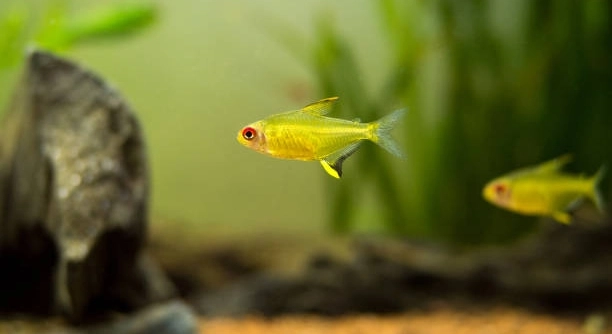
Are your Lemon Tetras darting across the tank at the slightest movement? These small, bright fish can be sensitive to sudden changes in their environment, making them appear easily startled or nervous in their aquatic home.
Lemon Tetras are generally skittish by nature, responding quickly to external disturbances such as rapid movements, loud noises, or sudden changes in lighting. Providing a stable environment and consistent care reduces stress and promotes calmer behavior.
Understanding their natural tendencies can help you create a peaceful tank and foster a comfortable environment for these delicate fish.
Common Causes of Spooking in Lemon Tetras
Lemon Tetras are naturally alert and sensitive to their surroundings. Sudden movements near the tank, loud noises, or even shadows passing over the aquarium can startle them. Changes in water temperature or quality may also trigger stress responses, making them dart or hide. Overcrowding and aggressive tank mates can increase their skittishness, as these fish rely on calm environments to feel secure. Providing consistent lighting, gentle feeding routines, and stable water parameters helps reduce unnecessary stress. Hiding spots, such as plants and decorations, allow them to retreat when they feel uneasy, supporting their sense of safety. Observing their behavior regularly can help identify stress triggers early, ensuring they remain healthy and comfortable. Keeping disturbances minimal, such as avoiding tapping on the glass, contributes significantly to their well-being. These small steps improve their confidence and reduce sudden bursts of movement that might worry an owner.
Creating a consistent environment is essential for calmer Lemon Tetras, as it reduces stress and erratic behavior in the tank.
Careful tank management, including stable water conditions, proper lighting, and appropriate tank mates, ensures these sensitive fish feel secure and behave naturally, making them more enjoyable to observe and care for daily.
Reducing Stress for Skittish Fish
Simple adjustments can make a big difference in calming Lemon Tetras.
Providing plants, gentle water flow, and quiet surroundings helps them feel safe. Avoiding sudden movements and maintaining consistent routines fosters stability.
Observing their behavior allows for better care, as these fish respond quickly to environmental changes. Gradual acclimation to new tankmates or decorations prevents shock. Using soft lighting and hiding spots encourages natural exploration without fear. Feeding them gently in a predictable pattern reassures them and reduces nervous darting. Avoiding overcrowding and aggressive fish further lowers stress levels. With consistent care, Lemon Tetras become more relaxed, showing brighter colors and smoother swimming patterns. These simple steps create a tank environment that supports both their health and comfort. Paying attention to small details, like water quality and noise levels, can significantly improve their daily behavior and overall longevity. Over time, they learn to trust their surroundings and thrive under steady, careful management.
Tank Setup Tips for Calm Lemon Tetras
Proper tank setup helps reduce stress and keeps Lemon Tetras calm. Provide plenty of plants, smooth decorations, and soft lighting to create a secure environment. Avoid overcrowding and aggressive fish that may trigger skittish behavior.
Plants and hiding spots are essential for Lemon Tetras to feel safe. Tall or bushy plants allow them to retreat when startled, while smooth decorations prevent injuries during sudden movements. A gentle water flow is ideal, as strong currents can cause stress. Keep the tank in a quiet area, away from heavy foot traffic or loud appliances, which can spook them. Maintaining stable water temperature and quality is equally important, as sudden changes often lead to nervous darting and hiding.
Regular observation of tank conditions helps maintain a calm environment. Adjust decorations, lighting, or flow as needed to reduce stress. Monitoring interactions with tankmates ensures they coexist peacefully. Gradual introduction of new elements prevents sudden fear, and consistent feeding routines build a sense of predictability. Over time, Lemon Tetras learn to trust their surroundings, swim more confidently, and display their natural colors, enhancing the overall enjoyment of the tank while keeping them healthy and secure.
Handling Lemon Tetras Safely
Handling Lemon Tetras should be minimized to prevent unnecessary stress. Netting or moving them abruptly can cause panic and injury.
If you need to move them, do so gently and slowly. Use a soft net and avoid chasing them around the tank. Transfer them to a temporary container with water from the aquarium to reduce shock. Limit handling to essential situations, such as tank maintenance or health checks. Observing their behavior in the main tank is safer than frequent direct interaction. Reducing sudden movements around the tank also minimizes spooking. A calm approach encourages trust and decreases the chances of stress-related health issues. Maintaining a steady routine and avoiding abrupt disturbances creates a secure environment for these delicate fish.
Proper handling techniques are crucial to keeping Lemon Tetras stress-free. Using a soft net, moving them slowly, and avoiding frequent disturbances protects them from injury. Preparing a temporary container with familiar water reduces shock when transfers are necessary. Minimizing direct contact and monitoring behavior ensures they stay healthy and calm. Consistent routines, quiet surroundings, and careful introduction of any new elements maintain a stress-free environment. Observing them from a distance allows you to notice subtle signs of discomfort without causing panic. Over time, these practices help Lemon Tetras thrive, showing natural behavior and vibrant colors while remaining confident in their tank environment.
Feeding Practices to Reduce Stress
Feeding Lemon Tetras consistently helps them feel secure. Offer small portions at regular times each day to prevent sudden competition and stress. Avoid overfeeding, as leftover food can spoil water quality and make fish more restless.
Using a slow, gentle feeding approach encourages calm behavior. Scatter food lightly so all fish can access it without chasing. Choosing high-quality flakes or micro-pellets supports health and reduces anxiety. Observing their feeding patterns helps identify if any fish are stressed or being bullied. Over time, predictable routines create a sense of safety in the tank, making the fish more relaxed and confident.
Suitable Tank Mates
Choosing compatible tank mates minimizes stress for Lemon Tetras. Small, peaceful fish like other tetras or rasboras work best.
Aggressive or territorial species can scare them and increase darting or hiding behaviors. Ensure tank mates are similar in size and temperament to maintain harmony.
Lighting and Environment Control
Soft, steady lighting reduces sudden shadows that can startle Lemon Tetras. Bright or flickering lights increase stress and hiding behavior.
Adjust lighting gradually during changes in day and night cycles. Providing shaded areas and floating plants gives them retreat spaces. Maintaining a quiet, calm environment further lowers stress levels, allowing them to swim naturally.
FAQ
Why do my Lemon Tetras dart around the tank suddenly?
Lemon Tetras are naturally skittish and respond quickly to changes in their environment. Sudden movements, loud noises, or shadows passing over the tank can startle them. Overcrowding, aggressive tank mates, and inconsistent water conditions also contribute to sudden darting. Providing plants and hiding spots helps them feel secure.
How can I tell if my Lemon Tetras are stressed?
Signs of stress include frequent hiding, rapid swimming, faded colors, loss of appetite, and erratic behavior. They may cling to the tank corners or group tightly when frightened. Observing their normal patterns makes it easier to notice changes. Stable water conditions, calm surroundings, and compatible tank mates reduce stress.
Can lighting affect their behavior?
Yes. Bright or flickering lights can spook Lemon Tetras, while soft, consistent lighting encourages calm swimming. Gradually adjusting light during day-night cycles helps them adapt. Floating plants and shaded areas allow them to retreat when needed, supporting a more relaxed tank environment.
Are certain tank mates better for Lemon Tetras?
Peaceful, similarly sized fish like other small tetras, rasboras, or Corydoras catfish work best. Aggressive or territorial species can trigger stress and hiding behavior. Avoid mixing them with larger or more boisterous fish that chase or bully them. A harmonious community ensures safer, calmer behavior.
Does water quality impact their nervousness?
Absolutely. Sudden changes in temperature, pH, or ammonia levels can make Lemon Tetras skittish. Regular water testing, partial water changes, and maintaining stable parameters help prevent unnecessary stress. Clear, clean water also improves their overall health and behavior.
How can I reduce stress during feeding?
Feed small amounts at consistent times. Scatter food evenly to avoid competition and minimize chasing. High-quality flakes or micro-pellets encourage healthy eating and calm behavior. Avoid overfeeding, as uneaten food can spoil water quality and increase stress.
Is tank size important for Lemon Tetras’ comfort?
Yes, they need enough space to swim freely. A crowded tank increases stress and erratic swimming. Providing at least 20 gallons for a small school allows them to establish territories and reduces competition. Plants, decorations, and hiding spots further improve comfort.
Do sudden decorations or changes spook them?
Yes. Lemon Tetras are sensitive to abrupt environmental changes. Introduce new plants or ornaments gradually and observe their reactions. Slowly acclimating them to changes prevents panic, hiding, and constant darting.
Can noise outside the tank affect them?
Yes, loud or constant noise can make them nervous. Place the tank in a quiet area away from high foot traffic or household appliances. Maintaining a calm environment contributes to their sense of security.
How often should I observe their behavior?
Daily observation is helpful. Monitoring for unusual darting, hiding, or loss of appetite allows early detection of stress. Adjusting feeding, lighting, or tank conditions as needed ensures Lemon Tetras remain calm and healthy.
Do Lemon Tetras ever become completely calm?
With consistent care, they can become more confident but remain naturally alert. A stable environment, gentle handling, proper tank mates, and predictable routines reduce nervousness and encourage natural swimming patterns over time.
Are hiding spots necessary for their well-being?
Yes. Plants, rocks, and decorations give them retreat spaces when startled. Even confident fish benefit from areas to feel secure. Hiding spots reduce stress and help maintain overall health, making the aquarium more balanced and peaceful.
What is the best way to introduce new tank mates?
Introduce them slowly, preferably with a divider or temporary quarantine. Gradual interaction reduces fear and prevents immediate stress. Monitor reactions carefully, separating any aggressive individuals if needed. Over time, this cautious approach encourages peaceful coexistence and calmer behavior.
Can feeding frequency affect their nervousness?
Yes. Irregular feeding can make them anxious and more reactive. Consistent, predictable meals create a routine they learn to trust, reducing erratic darting and promoting calmer swimming patterns.
Is acclimation to new tanks stressful for Lemon Tetras?
It can be. Sudden transfers may spook them, causing hiding and rapid swimming. Gradual acclimation to temperature and water conditions using drip or float methods reduces shock. Slow adjustment helps them adapt comfortably to their new environment.
Do Lemon Tetras react differently to each person?
They may. Sudden movements by anyone near the tank can startle them, but consistent calm behavior around the tank helps them feel safe. Over time, they may become more relaxed with people they see regularly.
How important is water temperature for their calm behavior?
Stable water temperature is critical. Sudden drops or increases can make Lemon Tetras nervous. Maintaining a consistent range around 74–78°F supports their comfort, health, and predictable swimming patterns, reducing unnecessary stress.
Can tank shape affect their spooking tendencies?
Yes, tanks with too much open space or strong currents can increase darting. A well-planted, moderately sized tank with gentle water flow encourages confidence and natural movement. Designing the tank with balance between open swimming areas and hiding spots reduces stress.
Should I move them often for cleaning?
Frequent moves are stressful. Limit handling and use careful methods if transfers are necessary. Clean the tank gradually and keep familiar water during any temporary transfer. Minimizing disruptions helps them stay calm and avoid panic.
How do I know if my Lemon Tetras are happy and calm?
Relaxed swimming, vibrant colors, active feeding, and occasional resting among plants indicate comfort. They dart less often and interact naturally with tankmates. Observing these behaviors shows the tank environment is well-maintained and stress-free.
Can lighting schedules improve their behavior?
Yes. Consistent day-night cycles prevent sudden stress from abrupt lighting changes. Gradually adjusting light intensity and providing shaded areas reduces nervousness, allowing them to swim confidently and maintain normal activity patterns.
Are some Lemon Tetras naturally more skittish than others?
Individual temperament varies. Some may react strongly to minor disturbances, while others adapt quickly. Understanding each fish’s behavior and providing a stable environment accommodates these differences, promoting overall calm in the tank.
Do plants alone help reduce stress?
Plants are very helpful but work best with other measures. They provide hiding spots and visual barriers, but calm surroundings, proper tank mates, consistent feeding, and stable water conditions are also necessary to minimize spooking.
Can I use tank covers or backgrounds to help?
Yes. Solid backgrounds reduce external visual disturbances, and covers prevent shadows or reflections from startling them. Combining these with plants and gentle lighting creates a secure, low-stress environment, promoting relaxed swimming and natural behavior.
How long does it take for Lemon Tetras to settle in a new tank?
It can take several days to weeks, depending on individual temperament, water stability, and environmental factors. Providing hiding spots, consistent routines, and minimal disturbances speeds up acclimation and reduces prolonged stress.
Are feeding habits linked to stress levels?
Yes. Healthy, calm fish eat steadily without darting or hiding. Stress or fear may cause hesitation or refusal to eat. Predictable feeding routines support comfort, minimize nervous behavior, and maintain good health.
Can adding floating plants improve behavior?
Floating plants provide shade and hiding areas, reducing light intensity and external disturbances. Lemon Tetras often feel more secure and swim confidently when they can retreat under plant cover. This simple adjustment helps reduce panic and promotes calm daily behavior.
Is it normal for Lemon Tetras to startle easily at first?
Yes. New fish often react strongly to new surroundings. Gradual acclimation, consistent care, and environmental stability help them adapt, reducing frequent spooking and supporting more relaxed behavior over time.
Do water parameters influence skittish behavior more than tank mates?
Both matter, but unstable water parameters can have immediate, noticeable effects on behavior. Poor quality or sudden changes cause darting and hiding, even if tank mates are compatible. Maintaining consistent water conditions is essential for calm, healthy Lemon Tetras.
Can regular observation improve their comfort?
Yes. Watching their patterns helps identify stress triggers, monitor tankmate interactions, and adjust conditions promptly. Observing daily allows you to maintain a peaceful environment, fostering calmer swimming, better feeding, and healthier overall behavior.
Are Lemon Tetras more sensitive than other small tetras?
They are relatively sensitive, often reacting quickly to environmental changes. Compared to hardier tetras, Lemon Tetras may show stress through darting, hiding, or color fading. Careful tank management and stable surroundings reduce unnecessary nervousness.
What small adjustments make the biggest difference in reducing spooking?
Consistent feeding, gentle lighting, calm surroundings, stable water conditions, proper tank mates, and adequate hiding spots have the most impact. These adjustments collectively reduce stress, helping Lemon Tetras feel secure, swim naturally, and display their vibrant colors.
Do they ever stop being easily spooked completely?
They rarely lose their alert nature entirely. With steady care, they become more confident and less reactive, but their natural skittishness remains. Minimizing stress and providing a stable environment helps them feel secure and display calmer behavior.
How important is tank location for their behavior?
Tank placement is key. Avoid high-traffic areas, loud appliances, or frequent disturbances. A quiet, stable location helps Lemon Tetras feel secure, reducing sudden darting and promoting relaxed swimming patterns.
Can temperature fluctuations make them hide more?
Yes. Sudden changes in temperature increase stress, causing them to hide or dart. Maintaining stable water temperature is essential to comfort and predictable behavior. Gradual adjustments prevent unnecessary panic.
Do Lemon Tetras respond to shadows differently than lights?
Yes. Sudden shadows can spook them as much as bright lights. Floating plants, background covers, and gentle lighting help reduce the impact of shadows, allowing them to swim confidently and calmly.
Are there long-term effects of constant stress on Lemon Tetras?
Chronic stress can weaken their immune system, cause color fading, reduce appetite, and shorten lifespan. Minimizing disturbances, maintaining stable water conditions, and providing hiding spots prevent long-term health issues.
Can I train them to be less skittish?
Indirectly. Consistent routines, gentle handling, and calm interactions help them become more confident over time. They learn that their environment is safe, reducing panic reactions while retaining their natural alertness.
How do I balance visibility and hiding spaces?
Provide a mix of open swimming areas and plants or decorations. This allows Lemon Tetras to explore freely while having retreat spaces. Balanced setups reduce stress and encourage natural behavior without constant hiding.
Are juvenile Lemon Tetras more nervous than adults?
Younger fish often react more strongly to disturbances. As they grow and acclimate to the tank, they usually become more confident, though they remain naturally alert. Gradual care and gentle routines help them settle comfortably.
Does tank size relative to school size affect their behavior?
Yes. A properly sized tank for their school reduces competition and stress. Overcrowding increases darting and hiding, while enough space allows natural swimming and social interaction, promoting calmer behavior.
Can changing water flow affect their comfort?
Strong currents can spook them, while gentle water flow supports relaxed swimming. Adjusting filters and circulation to create a moderate flow reduces stress and prevents erratic movements.
Are there seasonal changes that affect their skittishness?
Seasonal temperature and light fluctuations can increase nervous behavior if the tank environment changes rapidly. Maintaining stable conditions year-round helps them stay calm regardless of outside conditions.
Do tank decorations alone reduce stress?
Decorations help, but they work best combined with consistent care, calm tankmates, gentle feeding, and stable water conditions. This comprehensive approach ensures Lemon Tetras remain relaxed and display natural behavior.
Is group size important for their confidence?
Yes. Lemon Tetras feel safer in small schools of at least six. Larger groups reduce individual stress and provide security through numbers, promoting natural swimming patterns and calm behavior.
Can feeding variety improve their calmness?
Offering varied food like flakes, micro-pellets, and occasional live or frozen foods encourages natural foraging. Predictable feeding times combined with variety support comfort, reduce stress, and enhance overall well-being.
Are some colors more sensitive to stress?
Color intensity may fade under stress. Lemon Tetras often display brighter hues when calm. Consistent care, gentle handling, and a stable environment help maintain vibrant colors and indicate reduced stress.
Can I prevent spooking entirely?
No, but consistent care, calm surroundings, stable water, proper tankmates, adequate hiding spots, and predictable routines minimize frequent panic and promote relaxed, healthy behavior.
Does the type of substrate matter?
Soft, smooth substrates reduce injury risk during sudden movements. Sharp or rough substrates increase stress and potential harm if they dart or collide. Combined with hiding spots, a suitable substrate supports a safe environment.
Do Lemon Tetras interact with plants differently when stressed?
Yes. When stressed, they may cling to plants or hide more frequently. Healthy, calm fish explore freely but still use plants for cover, indicating comfort and security.
How does tank maintenance influence their behavior?
Gradual water changes, careful cleaning, and minimal disturbance prevent panic. Sudden or aggressive maintenance can increase darting and hiding. Consistent, gentle practices maintain a calm and healthy environment.
Are they more nervous during breeding?
Breeding can increase alertness and hiding, especially for females. Providing extra cover and reducing disturbances during this period helps them stay comfortable and reduces stress-related behavior.
Do Lemon Tetras have individual personalities that affect spooking?
Yes. Some are naturally more cautious or bold. Observing each fish’s tendencies helps you adjust care, tank mates, and environment to support calmer behavior overall.
Can water hardness or pH affect stress levels?
Yes. Sudden changes in pH or hardness can cause nervous behavior. Maintaining stable parameters within their preferred range reduces panic and promotes regular, calm swimming.
Is constant monitoring necessary for their comfort?
Regular observation helps catch stress triggers early. Monitoring behavior allows timely adjustments to environment, feeding, and tank mates, ensuring Lemon Tetras remain relaxed, healthy, and confident.
Do reflections in the tank glass startle them?
Yes. Reflections can be mistaken for other fish or threats. Backgrounds, plant cover, and careful lighting reduce reflections, helping them feel secure and swim calmly.
Can daily routines influence their behavior?
Consistent feeding, lighting, and minimal disturbances create predictability, which lowers stress. Daily routines make Lemon Tetras feel safe and confident in their environment.
Does tank shape influence darting tendencies?
Tanks with open areas and few hiding spots increase sudden movements. Balanced layouts with plants and gentle water flow encourage natural exploration and calmer swimming.
Are there signs that stress is affecting health?
Yes. Color fading, reduced appetite, frequent hiding, and erratic swimming indicate stress. Addressing environmental factors and maintaining stable care improves both behavior and overall health.
Do Lemon Tetras get used to regular observation?
Yes. Calm, consistent observation without sudden movements helps them feel safe. Over time, they may swim confidently near the tank front, showing normal, relaxed behavior.
Can overcrowding make them more easily spooked?
Yes. Too many fish increase competition, aggression, and nervous darting. Adequate space for each individual promotes comfort, reduces stress, and encourages natural schooling behavior.
Are sudden water vibrations stressful?
Yes. Vibrations from tapping or movement near the tank can startle them. Keeping the tank in a stable area with minimal disturbances supports calm swimming patterns.
Do seasonal daylight changes inside the house affect them?
Abrupt changes in room light can influence behavior. Maintaining consistent tank lighting schedules and shading options helps them remain calm and reduces frequent spooking.
How do I combine all stress-reducing measures effectively?
Stable water, compatible tank mates, hiding spots, gentle lighting, consistent feeding, minimal handling, and quiet surroundings collectively reduce stress. Observing behavior regularly allows fine-tuning. These combined practices create a secure, relaxed environment for Lemon Tetras to thrive.
Can spooking behavior indicate illness?
Yes. Persistent nervousness, loss of appetite, or lethargy may signal health issues. Ensuring stable water conditions, proper nutrition, and observing for disease signs allows timely intervention and recovery.
Do adult Lemon Tetras adapt better than juveniles?
Generally, adults handle environmental changes with slightly more confidence. Juveniles may hide or dart more often. Gradual acclimation and consistent care support both age groups.
Can sudden temperature drops cause mass spooking?
Yes. All fish may dart or hide if water temperature changes abruptly. Using heaters and monitoring conditions prevents panic and supports calm behavior.
Is it better to rearrange decorations gradually?
Yes. Gradual rearrangement avoids sudden visual changes that startle them. Introducing new plants or ornaments slowly helps them adapt without panic.
Can reflections from outside light stress them?
Yes. Sunlight or bright room lights reflecting on the glass may cause nervous behavior. Solid backgrounds and strategic plant placement reduce reflections and promote calm swimming.
Do Lemon Tetras need a consistent group size?
Yes. Maintaining at least six in a school provides security. Smaller groups may feel exposed and nervous, increasing darting and hiding behaviors.
Can feeding in one spot vs. scattering reduce stress?
Scattering food allows all fish to eat without chasing. Feeding in one spot can create competition, spooking less dominant fish. Scattering promotes calm and reduces aggressive interactions.
Does filter noise influence behavior?
Filters that are too loud or create strong currents may stress them. Choosing quiet, gentle filters supports relaxed swimming and natural behavior.
Are new fish introductions stressful?
Yes. Gradual acclimation, use of dividers, and observation minimize panic. Sudden introductions increase darting and hiding until trust develops.
Can water chemistry mistakes cause skittish behavior?
Sudden pH, hardness, or temperature changes make Lemon Tetras nervous. Stable parameters prevent unnecessary darting, hiding, or other stress responses.
Do changes in tankmates influence behavior immediately?
Yes. Introducing aggressive or fast-moving fish can trigger instant hiding or darting. Gradual introductions and compatible choices reduce immediate stress.
Is gentle observation more effective than frequent handling?
Yes. Watching from outside the tank prevents panic and reduces stress. Handling should be limited to necessary tasks only.
Can seasonal heating or cooling affect comfort?
Yes. Inconsistent household heating or cooling may change water temperature, causing nervous swimming. Maintaining stable water conditions prevents sudden stress.
Do Lemon Tetras ever fully relax in captivity?
They can become more confident, but remain alert by nature. Calm environments, stable routines, and gentle care maximize comfort and reduce frequent spooking.
How do I manage stress during breeding?
Provide extra cover, avoid disturbances, and maintain water stability. Reducing stress supports natural breeding behavior while keeping fish calm.
**Does feeding order
Lemon Tetras are naturally alert and sensitive fish, which makes them prone to spooking when they feel threatened or uncomfortable. Their nervous behavior is not a sign of poor care but a reflection of their instincts in the wild. These fish rely on a stable and predictable environment to feel secure, so anything sudden—whether it’s movement, noise, or light changes—can trigger fast swimming or hiding. Understanding this natural tendency is key to creating a tank environment that minimizes stress and supports healthy behavior. By providing appropriate tank mates, consistent routines, and safe spaces, you can help Lemon Tetras feel more comfortable and confident in their surroundings. Over time, they may show calmer behavior, swim more naturally, and display their bright colors more frequently.
Maintaining water quality, stable temperature, and gentle lighting are essential steps in reducing stress for Lemon Tetras. Small changes can have significant impacts on their behavior, so careful observation and consistent care are necessary. Plants and decorations not only enhance the visual appeal of the tank but also give these fish secure hiding spots, which they use when startled or unsure. Providing enough space for swimming while keeping peaceful companions ensures that the fish can socialize without feeling threatened. Feeding routines also play a role in their comfort; predictable meal times and gentle food distribution reduce competition and nervous activity. A calm environment with minimal disturbances encourages Lemon Tetras to explore, interact, and exhibit natural behavior.
Even with careful care, Lemon Tetras will always retain a degree of skittishness because it is part of their nature. The goal is not to eliminate this behavior entirely but to manage it so the fish can live comfortably and thrive in captivity. Regular monitoring, small environmental adjustments, and thoughtful tank management create a sense of stability that allows them to flourish. Over time, they become more confident and less prone to sudden panic, which improves their overall health and well-being. A well-prepared tank fosters a peaceful environment where Lemon Tetras can display their natural behaviors, enjoy their surroundings, and remain healthy, bright, and active.

Hello,
If you enjoy the content that we create, please consider saying a "Thank You!" by leaving a tip.
Every little bit helps us continue crafting quality advice that supports the health, happiness, and well-being of pets around the world, for pets of all shapes, sizes, and species.
We really appreciate the kindness and support that you show us!