
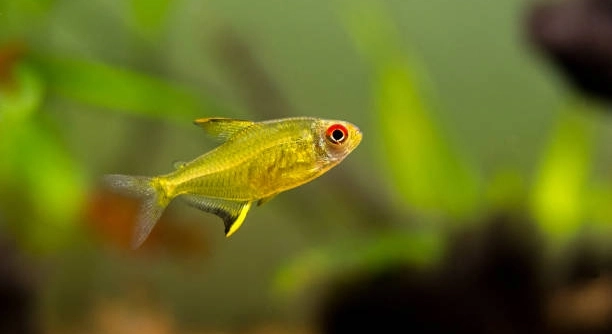
Are your lemon tetras acting shy and disappearing behind plants or decorations more than usual? Many fish owners notice sudden hiding, which can feel worrying. These tiny, bright fish can be sensitive to changes in their environment.
Sudden hiding in lemon tetras is often caused by stress, illness, or changes in water conditions. Factors such as fluctuating temperature, poor water quality, or aggressive tank mates can trigger this behavior, prompting them to seek safety and avoid perceived threats.
Understanding why your tetras are hiding can help you make small adjustments for a calmer, healthier tank. Observing their patterns closely will give insight into the right steps to improve their comfort.
Common Causes of Lemon Tetras Hiding
Lemon tetras are sensitive to their surroundings, and sudden changes can make them retreat. Water temperature shifts, poor water quality, or strong currents can stress them. Even rearranging decorations or introducing new tank mates can trigger hiding. Stress weakens their immune system, making them more prone to disease. Fish may also hide if they feel threatened by more aggressive tank mates. A lack of hiding spots can make them feel unsafe, but too many can cause them to avoid open areas completely. Overfeeding or underfeeding may also change their behavior, as discomfort can make them stay hidden. Observing your tank regularly helps identify patterns, such as hiding during feeding or when lights turn on. By understanding their normal behavior, you can spot unusual hiding quickly. Adjusting water conditions, feeding routines, and tank layout often reduces this stress, encouraging your tetras to explore and swim openly again.
Stress and environmental changes are the main reasons lemon tetras hide suddenly.
Careful observation is key. Check water temperature, chemistry, and tank mates. Adjust slowly to make them feel comfortable and secure, which will encourage them to swim openly and regain normal behavior.
Improving Your Tank Environment
Adding plants, rocks, and hiding spots gives lemon tetras security. They feel safer when they have shelter and can reduce stress naturally. Soft lighting and minimal sudden disturbances help them feel more relaxed. Avoid overcrowding to prevent aggression and stress.
Maintaining stable water parameters is crucial. Test pH, ammonia, nitrite, and nitrate levels regularly to ensure a healthy environment. Clean the tank with partial water changes weekly, avoiding drastic shifts in temperature or chemistry. Providing a balanced diet keeps them healthy and energetic, reducing hiding due to hunger or discomfort. Introduce new tank mates gradually to prevent stress and aggression. Observing their swimming patterns and interactions helps identify issues early. Over time, these adjustments create a comfortable habitat where tetras feel safe, active, and visible. Proper environment management is essential for their long-term well-being and minimizes sudden hiding episodes.
Monitoring Water Quality
Regular water testing is essential for lemon tetras. Ammonia, nitrite, and nitrate levels must remain low to prevent stress and illness. A stable pH and consistent temperature are also key. Sudden changes in water conditions often lead to hiding behavior.
Keeping water clean requires weekly partial water changes and proper filtration. Avoid overfeeding, as leftover food can pollute the tank. Use a reliable test kit to monitor parameters, adjusting as needed. Sudden swings in pH or temperature shock tetras, prompting them to hide. Observing their activity during and after water changes can reveal sensitivity. Clean substrate and decorations help remove waste buildup, reducing stress. A balanced routine ensures the environment stays consistent, making your lemon tetras feel safe, swim openly, and maintain healthy behavior patterns.
Even with good water quality, sudden environmental changes can stress tetras. Introduce changes slowly, like adding decorations or new tank mates, to minimize hiding. Watch for signs of distress and respond quickly to restore calm.
Feeding and Nutrition
A proper diet impacts lemon tetra behavior. Overfeeding or underfeeding can cause discomfort and stress, leading to hiding. Provide a mix of high-quality flakes, pellets, and occasional live or frozen food for balanced nutrition.
Feed small amounts once or twice daily, observing how much they consume in a few minutes. Remove uneaten food promptly to prevent water pollution. Rotating foods ensures they get necessary vitamins and nutrients, supporting growth and vitality. Stress from poor nutrition can weaken immunity, making tetras more prone to illness and hiding. Treats like brine shrimp or daphnia add variety and stimulate natural hunting instincts, encouraging activity. Consistency in feeding times helps tetras feel secure, reducing anxiety-related hiding. Over time, a balanced diet keeps them healthy, active, and more visible in the tank.
Tank Mates and Social Behavior
Lemon tetras are peaceful fish but can be stressed by aggressive tank mates. Choosing compatible species prevents bullying and hiding. Observing interactions helps identify problem fish early.
They thrive in groups of six or more. Small shoals reduce anxiety and encourage natural swimming patterns. Proper social structure keeps them active and visible.
Signs of Illness
Hiding can indicate health issues such as fin rot, parasites, or swim bladder problems. Watch for lethargy, clamped fins, or unusual swimming. Early detection is essential for treatment and recovery.
Lighting and Day-Night Cycle
Proper lighting supports natural behavior. Too bright or inconsistent light can stress lemon tetras, causing them to hide. A regular day-night cycle promotes comfort and activity in the tank.
Why are my lemon tetras hiding more than usual?
Lemon tetras hide when they feel stressed, unsafe, or unwell. Common causes include sudden water changes, aggressive tank mates, poor water quality, or illness. Even small changes in lighting or tank layout can trigger hiding. Monitoring their environment closely helps identify and reduce stress factors.
Can water quality really make them hide?
Yes, water quality is one of the biggest factors affecting their behavior. High ammonia, nitrite, or nitrate levels stress fish and may lead them to hide. Unstable pH or temperature swings can have the same effect. Consistent water testing and partial weekly water changes keep conditions stable.
Does tank size influence hiding?
A tank that is too small can increase stress. Lemon tetras need space to swim freely in groups. Crowding leads to competition, aggression, and hiding. A tank of at least 20 gallons for a small shoal helps them feel secure and promotes natural activity.
Do they hide because of other fish?
Aggressive or territorial tank mates often cause hiding. Even subtle harassment can make lemon tetras seek shelter. Choosing peaceful community fish and providing hiding spots reduces stress. Observing interactions helps you intervene before problems escalate.
How do I know if hiding is due to illness?
Illness often comes with other signs like clamped fins, lethargy, unusual swimming, or discoloration. If hiding is accompanied by these symptoms, it may indicate fin rot, parasites, or swim bladder issues. Early detection allows effective treatment and recovery.
Does lighting affect their behavior?
Yes, lighting influences comfort. Too bright or inconsistent lighting stresses them and encourages hiding. Lemon tetras prefer soft, diffused light with a regular day-night cycle. Adjusting light intensity and timing helps them feel secure and promotes normal swimming patterns.
Will adding plants and decorations help?
Providing hiding spots reduces stress and supports natural behavior. Plants, rocks, and small caves let lemon tetras retreat when they feel threatened. Balance is key—too many hiding spots can make them stay hidden constantly. Observing their use of shelter helps fine-tune the tank layout.
Can diet make a difference in hiding behavior?
Yes, poor nutrition or irregular feeding schedules can stress tetras. Overfeeding leads to water pollution, which indirectly causes hiding. A balanced diet of flakes, pellets, and occasional live or frozen foods keeps them healthy and active. Feeding consistent portions at regular times reduces anxiety and improves visibility.
Is sudden hiding normal sometimes?
Short periods of hiding are normal, especially when adjusting to a new tank or after minor disturbances. However, prolonged or frequent hiding usually signals stress, poor conditions, or health issues. Monitoring behavior patterns helps determine if intervention is needed.
How can I encourage them to come out of hiding?
Create a stable, comfortable environment with proper water quality, hiding spots, gentle lighting, and compatible tank mates. Feed consistently, avoid sudden changes, and observe interactions. Slowly introducing changes, like new decorations, helps them explore safely. Over time, these steps encourage confidence and regular swimming.
Can overcrowding make them hide?
Yes, overcrowding increases stress, competition for food, and territorial disputes. Lemon tetras need groups of six or more but also enough space to swim freely. Maintaining appropriate stocking levels ensures calm behavior and reduces hiding.
How long does it take for them to stop hiding?
It depends on the cause. If hiding is due to stress from environmental changes, they may start exploring within days after adjustments. Illness-related hiding requires treatment and recovery time. Consistent care and observation are key to restoring normal behavior.
Does water temperature affect hiding?
Fluctuating or inappropriate temperatures stress lemon tetras. They prefer a stable range around 72-78°F (22-26°C). Sudden changes can trigger hiding or lethargy. Using a reliable heater and thermometer ensures stability and supports active, confident swimming.
Are all lemon tetras the same in hiding behavior?
Individual fish have slightly different temperaments. Some may hide more naturally, while others are bold. Environmental stress affects all, but observing individual patterns helps identify whether hiding is normal or indicates a problem.
Can I prevent hiding entirely?
Hiding can’t be eliminated completely—it’s a natural safety behavior. However, consistent care, proper water quality, suitable tank mates, balanced diet, and stable lighting minimize excessive hiding and encourage healthy, confident activity.
What should I do if they still hide after adjustments?
If hiding persists despite stable conditions, check for illness, parasites, or ongoing aggression from tank mates. Isolate sick fish if needed and treat accordingly. Continuous observation and patience are essential for ensuring their comfort and recovery.
How often should I check the tank to prevent hiding?
Daily observation of behavior, swimming patterns, and interactions helps detect stress early. Weekly water testing and partial changes maintain a stable environment. Regular care prevents conditions that trigger hiding and promotes long-term health.
Do seasonal changes affect hiding?
Yes, seasonal shifts in room temperature or lighting can stress fish. Adjust heaters and lighting gradually to prevent sudden changes. Maintaining a consistent day-night cycle helps lemon tetras feel secure year-round.
Will adding more lemon tetras help reduce hiding?
Sometimes, yes. A proper-sized shoal provides security and encourages natural group behavior. Avoid adding too many at once, as overcrowding creates stress. Gradual introductions and observation ensure balance in the tank.
Can hiding be a sign of aging?
Older lemon tetras may be less active and hide more often, especially if health declines. Regular monitoring, good nutrition, and optimal water conditions help maintain their comfort and activity as they age.
How do I balance hiding spots and open space?
Provide a few plants or small caves without overcrowding the tank. This gives tetras security while leaving enough open space for swimming. Adjust decorations based on observation, ensuring they explore confidently while feeling safe.
Lemon tetras are naturally cautious fish, and hiding is often a normal part of their behavior. They feel safest when they have places to retreat to, like plants, rocks, or small caves. Even in a well-maintained tank, it is common to see them darting behind decorations or staying close to the bottom for short periods. This behavior is usually temporary, especially if there are no other signs of illness. Observing their habits over time helps distinguish between normal shyness and signs of stress or health issues. By paying attention to when and how they hide, you can better understand their comfort levels and how they interact with the tank environment.
Stress is one of the main reasons lemon tetras hide suddenly. Changes in water quality, temperature, or pH can make them feel unsafe. Aggressive tank mates or overcrowding also create tension, encouraging them to seek shelter. Poor diet or irregular feeding schedules can add to discomfort, leading to more frequent hiding. It is important to provide a stable environment with consistent care. Weekly water checks, partial water changes, and careful feeding routines go a long way in keeping lemon tetras comfortable and healthy. Even small adjustments, like repositioning decorations or adding gentle lighting, can improve their sense of security. Over time, these consistent efforts help them feel confident and reduce excessive hiding.
Monitoring their health is equally important. Hiding combined with lethargy, clamped fins, discoloration, or unusual swimming may indicate illness. Early detection and treatment of conditions like fin rot, parasites, or swim bladder problems are crucial. A balanced diet and a stress-free environment strengthen immunity, making them more resilient. Social structure also matters; keeping them in appropriate shoals reduces anxiety and encourages natural activity. While hiding will always be part of their natural behavior, understanding the reasons behind it and providing proper care ensures that your lemon tetras remain active, healthy, and visible. Consistent observation, proper nutrition, and a stable tank environment are the key factors in promoting comfort and confidence for these small, vibrant fish.

Hello,
If you enjoy the content that we create, please consider saying a "Thank You!" by leaving a tip.
Every little bit helps us continue crafting quality advice that supports the health, happiness, and well-being of pets around the world, for pets of all shapes, sizes, and species.
We really appreciate the kindness and support that you show us!