
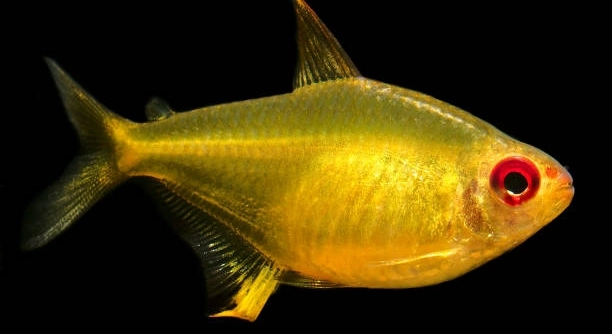
Have you ever noticed your lemon tetras swimming around the tank with sudden bursts of energy? Their small size and bright colors make them charming, but their behavior can sometimes hint at hidden tensions in the aquarium.
Lemon tetras may exhibit mild territorial behavior, particularly when establishing a hierarchy within their group. While generally peaceful, they can chase or nudge other fish during feeding or in confined spaces to assert dominance.
Learning about these behaviors can help maintain a calm and balanced tank environment for your fish. Observing their interactions closely ensures everyone thrives together peacefully.
Understanding Lemon Tetra Behavior
Watching lemon tetras can be surprisingly interesting. I’ve noticed that even though they are small and mostly peaceful, they sometimes swim quickly toward each other and then back off. This behavior is often seen when they are deciding who leads the group or when feeding. They rarely cause serious harm, but their nips and chases can be stressful for shy tank mates. Adding plenty of hiding spots and plants seems to help them feel secure. Open spaces are fine for swimming, but these fish seem to prefer having corners or leaves to retreat to. Over time, I realized that their little bursts of aggression are natural and usually brief. They aren’t fighting constantly; it’s more about signaling and testing boundaries. Observing closely helps prevent misunderstandings in the tank. These small gestures show that even tiny fish have complex interactions and subtle ways of communicating their place in the group.
Providing enough space and visual barriers reduces stress and aggression for lemon tetras in your tank.
Keeping a balanced group of lemon tetras requires attention to their numbers and environment. They do best in groups of six or more, which spreads out any mild aggression. Plants, rocks, and other decorations give them hiding spots and reduce confrontations. I found that feeding in multiple locations also keeps competition lower. Overcrowding can quickly increase tension, so tank size matters. Monitoring behavior during feeding and movement helps spot potential issues early. Adjustments like rearranging plants or adding more swimming space often calm their interactions. Each tetra has a slightly different personality; some are bolder while others are timid. Recognizing these differences lets you manage the group more effectively. With the right setup, lemon tetras stay mostly peaceful and colorful, providing both movement and charm to the aquarium. Their behavior can be subtle but fascinating once you pay attention to the small details of their interactions.
Signs of Territorial Behavior
Territorial displays in lemon tetras are usually brief and involve chasing or mild nipping.
Noticing signs early can prevent stress in your tank. Lemon tetras may flare fins, dart quickly, or push other fish away from certain areas. These behaviors are often seasonal or linked to feeding times. Identifying which fish are most dominant and which are more submissive helps maintain harmony. Adjusting the environment, such as adding plants or rearranging decorations, can reduce tension. Feeding them at different spots ensures each fish gets its share without competition. Some lemon tetras may show stronger tendencies during certain times of day or when new fish are introduced. Understanding these patterns allows for proactive care. Observing carefully and making small adjustments keeps your tank peaceful. Maintaining a balance between space, hiding areas, and group size is key to minimizing territorial disputes. With patience, most lemon tetras coexist without ongoing conflicts, making them enjoyable to keep in a home aquarium.
Managing Tank Space
Lemon tetras need enough room to swim freely. Crowded tanks increase stress and may trigger more aggressive behaviors. Providing open swimming areas alongside plants or decorations helps them feel secure.
Arranging the tank thoughtfully is essential. I often place taller plants at the back and sides while leaving open areas in the center. This setup allows timid tetras to hide while bolder ones establish small territories without constant conflict. Rocks, driftwood, and other decorations create visual barriers that reduce chasing. Over time, I’ve seen that these adjustments calm the group significantly. Even small rearrangements can change how the tetras interact, encouraging more peaceful swimming and feeding patterns. Monitoring their behavior after changes is helpful, allowing quick responses if any fish seem stressed or isolated. With careful planning, the tank becomes a balanced environment where all lemon tetras coexist comfortably.
Space management also includes the number of fish. Keeping six or more lemon tetras spreads out minor aggression. Fewer fish often leads to one or two dominating, increasing stress for others. Choosing compatible tank mates and avoiding overcrowding are key steps. Regularly observing the group helps ensure everyone adapts well to the space and decorations. Over time, the tank becomes a calm and active environment where fish enjoy both open swimming and hidden retreats. Proper space arrangement reduces conflicts naturally and promotes a healthier aquarium ecosystem.
Feeding and Territorial Behavior
Feeding time can intensify territorial displays. Lemon tetras may chase or nudge others while competing for food.
Distributing food in multiple locations reduces aggression. I usually drop small portions near plants and open areas, ensuring all tetras access food without conflict. Overfeeding can also trigger more chasing, as excess food may encourage competition rather than satisfy hunger. Observing their interactions during feeding helps identify which individuals are more dominant and which are submissive. Some tetras learn to eat quickly to avoid being pushed aside, while others wait for calmer moments. Adjusting feeding routines, such as feeding at different spots or slightly different times, balances access.
Understanding each tetra’s behavior during feeding allows for preventive measures. Dominant fish may target specific areas or individuals, so rotating decorations or hiding spots can help. Providing a variety of food types keeps the group occupied and reduces repeated chasing. In my experience, consistent observation and small adjustments maintain a peaceful feeding environment. Combining strategic placement, careful portions, and attention to individual fish personalities creates a routine where all lemon tetras eat safely and stress-free. Observing closely during feeding makes it easier to manage subtle tensions before they escalate.
Tank Decorations and Hiding Spots
Adding plants, rocks, and driftwood gives lemon tetras places to hide and reduces stress. They use these spots to escape mild chases and establish personal space without conflict.
Hiding spots also encourage natural behavior. I often notice tetras darting between plants or resting behind rocks when feeling tense. These areas allow timid fish to avoid dominant ones, preventing constant harassment. Even a few well-placed decorations can change the group dynamics, keeping everyone calmer. Open swimming areas combined with cover create a balanced environment where fish feel secure but still active. Over time, these changes reduce chasing and make the tank more harmonious.
Monitoring Fish Interactions
Regular observation helps identify early signs of stress or aggression. Watching closely allows timely adjustments to the environment.
Adjusting Group Size
Group size affects how lemon tetras behave. Smaller groups tend to have more frequent chasing, while larger groups spread out mild aggression. I’ve found that keeping six or more fish helps balance interactions. Proper numbers reduce dominance displays, keeping the tank calmer.
FAQ
Do lemon tetras fight often?
Lemon tetras are mostly peaceful, but occasional chasing or nipping happens. These behaviors are usually mild and brief, often tied to establishing hierarchy within the group. They rarely cause serious harm, especially when there are enough fish and hiding spots in the tank.
How can I tell if my lemon tetras are stressed?
Signs of stress include hiding constantly, rapid darting, loss of color, or refusal to eat. I’ve noticed that stressed tetras may stay at the tank bottom or cling to plants more than usual. Stress usually decreases when space and decorations are adjusted.
Do I need a large tank for lemon tetras?
Yes, lemon tetras need room to swim freely. I keep at least a 20-gallon tank for a small group. Overcrowding increases stress and triggers more aggressive displays. Open swimming areas combined with hiding spots balance safety and activity.
What tank mates work best with lemon tetras?
Peaceful fish of similar size work best. I avoid large or aggressive fish because they intimidate lemon tetras. Other small tetras, rasboras, or corydoras often do well. Compatibility reduces chasing and maintains a calm tank environment.
How many lemon tetras should be kept together?
A minimum of six is ideal. Smaller groups tend to have one or two fish dominate, causing stress for others. Larger groups spread aggression and create a more balanced social structure, which I’ve found improves their overall behavior.
Do lemon tetras show territorial behavior during feeding?
Yes, feeding can increase minor aggression. I often notice chasing near food. Spreading small portions in multiple areas reduces competition and gives shy fish access without being bullied by bolder ones. Adjusting feeding spots often calms the group.
Can decorations reduce fights?
Absolutely. Plants, rocks, and driftwood create hiding spots and visual barriers. I’ve seen that rearranging decorations helps reduce chasing. Open swimming areas combined with cover let timid fish escape temporarily from dominant ones, preventing constant conflict.
Do lemon tetras establish a pecking order?
Yes, they have a mild hierarchy. Dominant fish may chase or nudge others occasionally, but it’s usually brief. I’ve noticed this behavior decreases once all fish understand their positions in the group. Larger groups help spread out dominance and reduce constant confrontations.
How do I handle a bully lemon tetra?
Adding more hiding spots and rearranging the tank usually helps. Feeding in multiple spots prevents one fish from dominating food. Observing interactions closely allows intervention if aggression becomes persistent. In most cases, subtle changes in environment reduce bullying naturally.
Will lemon tetras fight if the tank is too small?
Yes, overcrowding triggers frequent chasing. I always make sure my tank is large enough for open swimming plus decorations. Even a few extra gallons can reduce conflicts and create a calmer environment for all fish.
Can lemon tetras live peacefully with other tetras?
Yes, with compatible species. Peaceful tetras of similar size often integrate well. I avoid aggressive or much larger fish, as they stress lemon tetras. Proper group size and tank arrangement help maintain harmony between species.
How long does it take for lemon tetras to settle?
Usually a few days to a week. I’ve observed that once they explore hiding spots and establish minor hierarchies, chasing decreases. Regular observation and minor tank adjustments during this period help them settle faster.
Are male lemon tetras more aggressive than females?
Sometimes, but differences are subtle. Males may show more chasing during feeding or territorial displays, especially in smaller groups. Observing interactions carefully helps manage any dominance without isolating fish unnecessarily.
Do lemon tetras fight more at certain times?
Yes, usually during feeding or when new fish are introduced. I’ve noticed activity peaks in the morning and evening. Providing enough space and distributing food reduces tension during these moments, keeping the tank calmer overall.
Can water quality affect aggression?
Yes, poor water conditions increase stress and minor fights. I regularly check temperature, pH, and cleanliness. Stable, clean water helps lemon tetras remain calm and minimizes aggressive behaviors naturally.
Is it necessary to rearrange the tank often?
Occasional changes help break established patterns of chasing. I move decorations every few weeks to encourage exploration and reduce repetitive aggressive behavior. Small changes can make a noticeable difference in group harmony.
Can shy fish adapt in a lemon tetra tank?
Yes, if there are enough hiding spots and food distribution is balanced. I’ve found that timid fish eventually become comfortable once they learn safe areas to retreat and find feeding spots without being chased.
What should I do if aggression escalates?
Check tank size, decorations, and group size first. Temporary isolation of overly aggressive individuals may help. Monitoring interactions closely and making small adjustments usually resolves tension without permanent changes.
How do lemon tetras communicate dominance?
They chase, nudge, or flare fins slightly. These signals are usually brief and not harmful. I’ve noticed that once all fish understand their roles, aggressive gestures become rare, maintaining overall peace in the tank.
Do all lemon tetras behave the same way?
No, individual personalities vary. Some are bold, others shy. I pay attention to each fish, adjusting hiding spots or feeding routines to suit different temperaments, which helps maintain balance in the group.
How often should I monitor their behavior?
Daily observation is ideal. I spend a few minutes watching interactions, especially during feeding or after tank changes. Early detection of stress or minor aggression allows quick interventions to keep the tank peaceful.
Are fights ever dangerous?
Rarely. Most chasing or nipping is mild. Severe aggression is unusual in well-maintained tanks with proper space, decorations, and group size. Early observation and adjustments prevent injuries and ensure the fish remain healthy.
Can breeding increase aggression?
Yes, during spawning, males may chase females or other males more aggressively. I provide extra hiding spots and slightly increase food distribution during this period to reduce stress and keep interactions manageable.
Do lemon tetras calm down as they age?
Yes, they often become less reactive once social hierarchies are established. I’ve noticed that older tetras spend more time swimming peacefully and less time chasing, making the tank more stable over time.
How can I encourage peaceful coexistence?
Provide enough space, plants, and decorations, feed in multiple spots, and keep at least six lemon tetras together. I’ve found that balancing these factors leads to a calm and visually active tank, where minor conflicts are rare and brief.
What are signs of a healthy social group?
Fish swim actively, chase only briefly, and have access to food without constant interference. I watch for balanced interactions, color vibrancy, and relaxed swimming, which indicate that the group is thriving and stress-free.
Can rearranging plants help new fish integrate?
Yes, it breaks up established territories and allows new fish to find safe spots. I often rearrange plants slightly when introducing newcomers, reducing stress and helping everyone adjust peacefully.
Do lemon tetras fight more in small tanks?
Yes, limited space increases chasing and nipping. I always ensure the tank is large enough for both swimming and hiding. Even minor increases in tank size can significantly reduce stress-related aggression.
How do I prevent bullying long-term?
Keep groups of six or more, provide hiding spots, distribute food evenly, and monitor interactions regularly. I’ve learned that these consistent practices prevent dominant fish from repeatedly targeting submissive ones and maintain a harmonious tank environment.
Is mild aggression normal?
Yes, brief chasing or nudging is natural. I consider it a sign of hierarchy formation rather than a problem. Ensuring proper space, hiding spots, and balanced group size keeps it harmless and short-lived.
Do lemon tetras ever stop chasing completely?
Chasing never disappears entirely but decreases once hierarchies are set. I’ve noticed that with proper tank setup and decorations, interactions become mostly peaceful, and chasing is rare and brief.
Can tank temperature affect behavior?
Yes, extreme temperatures stress fish and can increase chasing. I maintain a stable temperature appropriate for lemon tetras to minimize stress and keep interactions calm.
How do I introduce new fish without increasing fights?
Add extra hiding spots and rearrange decorations. I introduce new fish slowly and monitor closely. Distributing food during the first days helps prevent aggressive encounters and allows everyone to settle peacefully.
Do lemon tetras fight at night?
Usually not. They are less active in low light and prefer resting among plants. I leave gentle lighting and hiding spots so all fish feel secure during nighttime.
Can different feeding methods affect aggression?
Yes, floating flakes versus sinking pellets can influence chasing. I use a mix, spreading food across multiple areas to reduce competition. This simple adjustment keeps the group calmer during feeding times.
Are dominant fish always bigger?
Not necessarily. Personality matters as much as size. I’ve seen smaller fish assert dominance if they are bolder, while some larger fish remain passive. Observing each individual helps manage interactions effectively.
Does water flow influence territorial behavior?
Strong currents may increase chasing if fish feel threatened. I keep moderate flow to allow swimming without adding stress, which helps maintain a peaceful environment.
Can stress from other species trigger aggression?
Yes, aggressive or overly active tank mates may provoke chasing. I carefully choose compatible species to reduce tension and ensure lemon tetras can swim and feed calmly.
Is aggression during breeding a problem?
Only temporarily. Males may chase females more, but providing extra hiding spots prevents stress. After spawning, normal behavior usually resumes, and interactions return to typical mild levels.
Do lemon tetras recognize each other?
Yes, they learn social roles within the group. I notice that once hierarchy is established, dominant fish rarely need to chase repeatedly, keeping interactions brief and balanced.
How do I balance a mixed-species tank?
Choose peaceful, similarly sized fish. I make sure hiding spots and open swimming areas are available. Distributing food and monitoring interactions ensures all species coexist without constant chasing.
Can diet affect aggression?
Yes, insufficient or uneven feeding may trigger chasing. I provide varied and evenly distributed food to keep all fish satisfied and reduce competition, which helps maintain a calm tank.
Do lemon tetras need plants for mental stimulation?
Yes, plants give hiding spots and create natural boundaries. I’ve noticed that fish are more active and less aggressive when they can explore and retreat among decorations.
Are all nips serious?
No, most are brief and not harmful. I watch for repeated targeting of a single fish, which may require minor adjustments in space or feeding. Brief nudges are normal communication.
Can frequent water changes reduce aggression?
Yes, clean water lowers stress, which in turn reduces chasing. I perform regular changes and monitor water quality to keep fish healthy and interactions calm.
How long should I observe new fish?
At least the first week closely. I watch feeding, chasing, and hiding behaviors. Early intervention prevents persistent bullying and ensures newcomers adjust without increasing stress for the group.
Do lemon tetras fight over mates?
Yes, during breeding, males may chase females. I provide extra hiding spots and food to reduce stress. Outside breeding, interactions return to mild, brief displays of hierarchy.
Is chasing during feeding normal?
Yes, minor chasing is natural. Spreading food and monitoring interactions prevents repeated aggression and ensures all fish get access to meals without stress.
Can rearranging the tank reduce long-term conflicts?
Yes, even small changes help break patterns of dominance. I adjust plants or decorations occasionally, which encourages exploration and reduces repeated chasing among the group.
Do lemon tetras remember previous interactions?
Yes, they recognize social roles. I’ve observed that once a hierarchy is established, dominant fish rarely need to chase repeatedly, keeping the group calmer over time.
How important is hiding space?
Extremely. I’ve learned that even a few plants or rocks drastically reduce chasing and help timid fish feel secure, maintaining balance in the group and reducing stress-related behavior.
Can aggressive behavior indicate illness?
Occasionally. Sudden spikes in chasing or darting can signal stress or poor health. I monitor water quality and fish appearance to rule out illness as a factor.
Are lemon tetras more aggressive in smaller groups?
Yes, small groups often have one or two dominant fish, leading to more frequent chasing. I keep at least six to spread aggression and create a balanced social environment.
Do tetras need frequent observation?
Yes, daily checks allow me to catch stress or aggression early. Watching feeding and swimming behavior ensures all fish remain healthy and interactions stay calm.
How do I create a calm environment?
Provide enough space, hiding spots, and balanced feeding. I maintain stable water conditions and monitor group size. With these steps, lemon tetras coexist peacefully and display mostly mild behaviors.
Can changes in lighting affect behavior?
Yes, bright or fluctuating light can increase stress. I keep moderate, consistent lighting to encourage natural swimming and reduce chasing.
How do I know if aggression is serious?
Persistent chasing, injury, or refusal to eat indicates a problem. I intervene by adjusting tank layout, adding hiding spots, or temporarily isolating aggressive individuals to restore balance.
Can lemon tetras calm down naturally?
Yes, once social hierarchies are established and space is sufficient, chasing becomes rare. I notice that fish spend more time swimming peacefully and less time in conflict.
Does tank shape matter?
Yes, long tanks allow more open swimming and reduce repeated confrontations. I avoid narrow, tall tanks where fish can’t escape dominant individuals, which helps maintain a calmer environment.
Are aggressive displays seasonal?
They can be slightly more frequent during breeding or when new fish are introduced. I adjust hiding spots and feeding routines during these periods to minimize stress.
Can adding new fish disrupt harmony?
Yes, new introductions can trigger temporary chasing. I rearrange decorations and monitor interactions closely. With time and space, the group usually settles peacefully.
Do lemon tetras chase only certain fish?
Yes, dominant fish may target specific submissive individuals. I balance group size, decorations, and food distribution to ensure no fish is repeatedly stressed, which reduces repeated chasing.
Can frequent rearranging stress them?
Occasionally, but small changes are generally beneficial. I adjust plants gradually to prevent disorientation while still breaking up established territories to reduce persistent aggression.
Do lemon tetras get along better in planted tanks?
Yes, dense planting provides hiding spots and visual breaks. I’ve found that planted tanks result in calmer interactions, less chasing, and a healthier social environment.
Is mild nipping normal during growth?
Yes, juveniles may nip while learning social roles. I monitor closely, and interactions usually decrease once the hierarchy is established. Providing hiding spots prevents ongoing stress.
Does tank maintenance affect aggression?
Yes, clean water and stable conditions reduce stress. I perform regular water changes and filter maintenance to keep fish healthy and interactions peaceful.
Can adding shelters prevent bullying?
Yes, even small structures like rocks or plants give fish escape routes. I’ve seen that providing multiple hiding spots reduces repeated chasing and creates a more balanced environment.
Do lemon tetras fight over territory permanently?
No, most chasing is brief and situational. I’ve observed that once boundaries are established and hiding spots are available, they coexist peacefully with only occasional minor displays.
Can aggression be triggered by noise or vibrations?
Yes, sudden movements or vibrations can startle them, causing brief chasing. I keep the tank in a stable area to minimize disturbances, which helps maintain calm behavior.
How do I reintroduce calm after conflict?
I rearrange decorations, distribute food in multiple locations, and ensure hiding spots are available. Over time, interactions return to mostly peaceful behavior, and the group balances naturally.
Does water temperature stability reduce fights?
Yes, stable water conditions prevent stress-induced aggression. I maintain consistent temperature and monitor closely to ensure all tetras remain calm and healthy.
Do lemon tetras fight more in bare tanks?
Yes, lack of hiding spots increases chasing and stress. I’ve found that even a few plants or decorations dramatically reduce aggressive interactions and provide safe areas for timid fish.
Can I train tetras to be less aggressive?
Not directly, but managing environment, group size, and feeding routines encourages calm behavior. Observing personalities and adjusting tank setup helps reduce repeated chasing naturally.
How long does it take for aggression to normalize?
Typically a few days to a week. I watch interactions closely, adjust decorations and feeding, and ensure enough space. Once hierarchies are clear, chasing decreases significantly.
Do lemon tetras always establish a hierarchy?
Yes, mild social ranking is normal. I notice that once roles are set, dominant fish rarely need to chase repeatedly, keeping group dynamics balanced and calm.
Can adding floating plants help?
Yes, floating plants create shaded areas that reduce stress and provide visual breaks, helping to lower chasing and improve overall tank harmony.
Does tank depth affect behavior?
Moderate depth works best. Too shallow limits hiding spots, while very tall tanks may prevent proper group interaction. I aim for a balance that allows swimming and retreat space.
Is mild aggression a sign of a healthy group?
Yes, brief chasing and nips indicate normal social structure. I consider it natural as long as fish remain healthy and injuries are absent.
Do lemon tetras fight when not feeding?
Occasionally, for hierarchy or space. I’ve noticed chasing is less frequent than during feeding. Providing hiding spots keeps interactions calm outside feeding times.
Can I separate aggressive individuals permanently?
Only if necessary. I try environmental adjustments first. Isolation is a last resort if one fish continuously stresses others despite tank modifications.
Does water pH influence aggression?
Yes, extreme or unstable pH increases stress. I maintain stable, appropriate pH to minimize chasing and keep fish behavior calm.
Do tetras remember dominant fish after a break?
Yes, they often resume previous social hierarchy once reunited. I’ve observed that even after temporary separation, dominant-submissive roles quickly reestablish.
How do I encourage shy fish to eat?
Providing multiple hiding spots and distributing food evenly works best. Shy fish feel safe and gradually learn to feed without interference from bolder tank mates.
Can adding driftwood reduce aggression?
Yes, driftwood provides cover and visual breaks. I place it strategically to create safe retreats, which helps reduce chasing and allows timid fish to feel secure.
Is chasing more frequent with fewer hiding spots?
Yes, limited cover increases stress and repeated chasing. Adding even a few plants or rocks dramatically reduces conflicts and provides areas for retreat.
Do lemon tetras fight for mates often?
Mainly during breeding periods. I provide extra hiding spots and food to reduce stress. Outside breeding, interactions remain mostly peaceful with only mild displays.
Can feeding frequency affect aggression?
Lemon tetras are small, peaceful fish, but they do show some mild territorial behavior. Observing them closely in your tank reveals that chasing, nipping, or short bursts of aggression are usually brief and natural. These actions are often linked to establishing a social hierarchy or protecting a favored space during feeding. In my experience, it’s normal for a few dominant fish to assert themselves occasionally, while others remain more submissive. Over time, these interactions tend to settle once each fish understands its role within the group. The important thing is that aggression stays minor and does not result in injury or long-term stress for any fish.
Creating the right environment plays a significant role in reducing territorial behavior. Lemon tetras do best in groups of at least six, as smaller numbers can increase stress and allow a few individuals to dominate the tank. Adding plants, driftwood, and rocks gives them places to hide or retreat when they feel threatened. Open swimming areas are equally important, providing room for movement and exploration. Even rearranging decorations occasionally can reduce repetitive chasing and help new fish integrate more smoothly. Balanced feeding, distributed across several spots in the tank, also lowers competition and keeps shy fish from being constantly chased. I’ve found that paying attention to these small details makes a noticeable difference in how calm and peaceful the tank becomes.
Monitoring behavior and making adjustments as needed ensures the well-being of all lemon tetras. Watching how each fish interacts during feeding or when swimming allows for early intervention if stress or aggression rises. Maintaining stable water conditions, regular cleaning, and appropriate tank size are all essential for a healthy environment. While occasional chasing is normal, the goal is to minimize repeated aggression and give every fish space to thrive. With careful observation and proper tank management, lemon tetras can live together harmoniously, displaying their vibrant colors and active swimming without unnecessary conflict. Over time, they settle into a balanced group where minor displays of dominance remain brief, and the aquarium becomes a calm, engaging place for both the fish and those caring for them.

Hello,
If you enjoy the content that we create, please consider saying a "Thank You!" by leaving a tip.
Every little bit helps us continue crafting quality advice that supports the health, happiness, and well-being of pets around the world, for pets of all shapes, sizes, and species.
We really appreciate the kindness and support that you show us!