
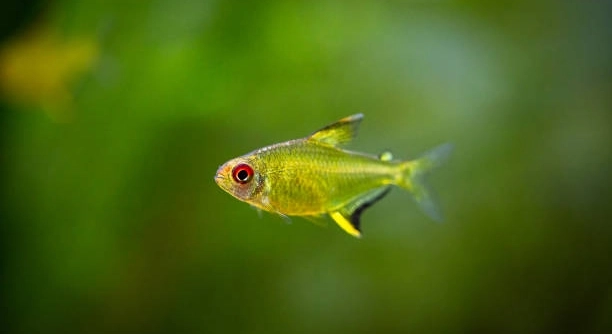
Lemon tetras are small, vibrant fish that brighten any freshwater aquarium. They are peaceful by nature, making them a favorite choice for beginners and experienced aquarists alike, adding color and liveliness to home fish tanks effortlessly.
Lemon tetras are susceptible to certain illnesses, including ich, fin rot, and bacterial infections. These conditions often result from poor water quality, stress, or improper diet. Maintaining a stable environment and monitoring their health regularly helps reduce the risk of disease.
Keeping your aquarium clean and observing your fish closely are essential steps. Recognizing early signs of illness can ensure your lemon tetras remain healthy and active.
Common Illnesses in Lemon Tetras
Lemon tetras can develop a variety of health issues, often related to their environment and care. Ich is a frequent problem, appearing as small white spots on their body and fins. This disease spreads quickly, especially in crowded or poorly maintained tanks. Fin rot is another common concern, caused by bacteria or fungi when water quality is low. Infected fins may appear ragged, frayed, or discolored. Stress weakens their immune system, making them more susceptible to infections. Signs of stress can include rapid gill movement, hiding, or loss of appetite. To prevent illnesses, maintaining stable water temperature, proper pH levels, and routine water changes is essential. Providing a balanced diet and avoiding overfeeding also supports overall health. Quarantining new fish before introducing them to an established tank helps prevent the introduction of disease. Regular observation allows early detection, giving you the best chance to treat conditions effectively before they become severe.
Early detection of illness can make treatment more effective and reduce the risk of spread to other fish in the tank.
Understanding each disease helps you provide better care. Proper tank maintenance, careful observation, and preventive measures keep lemon tetras active, colorful, and healthy. Regular checks allow timely intervention, minimizing health risks and improving their overall well-being.
Preventive Measures for Health
Routine care and attention are key to keeping lemon tetras healthy.
Maintaining water quality is the most effective preventive measure. Consistent monitoring of temperature, pH, and ammonia levels ensures a stable environment. Regular water changes help remove waste, reducing the likelihood of bacterial and fungal infections. Avoid overcrowding the tank, as stress from limited space can weaken immunity. Feeding a varied, balanced diet supports growth and disease resistance. Including live or frozen foods occasionally can enhance nutrition. Quarantining new fish for at least two weeks helps prevent introducing infections to the main tank. Observation is equally important. Watch for unusual behavior, changes in appearance, or appetite loss. Acting quickly when a problem appears can prevent escalation. By combining clean water, proper diet, and vigilant observation, you can significantly lower the risk of illness, ensuring your lemon tetras remain vibrant and active for years. Preventive care reduces stress and promotes a stable, thriving aquarium environment.
Signs of Illness in Lemon Tetras
Lemon tetras show subtle signs when they are unwell. Loss of appetite, faded colors, clamped fins, and unusual swimming patterns often indicate stress or disease. Observing these changes early allows timely action to prevent serious health issues.
Rapid breathing, lethargy, and hiding are common signs of infection or poor water quality. White spots or frayed fins suggest ich or fin rot, while bloating may indicate internal problems. Behavioral changes, such as sudden aggression or isolation, often accompany physical symptoms. Monitoring your fish daily helps detect problems before they escalate, allowing quicker treatment and better outcomes. Consistent observation is essential for healthy lemon tetras.
Changes in appearance can also signal underlying issues. Loss of color or growths on the body often result from bacterial or fungal infections. Stress from poor environment or incompatible tank mates may weaken their immune system. Early recognition of these signs, combined with prompt corrective measures, helps maintain their health and prevents long-term damage, ensuring your lemon tetras stay active and vibrant.
Treatment Options for Common Illnesses
Proper medication and care can treat most lemon tetra illnesses effectively.
Ich can be treated with commercially available medications, along with raising water temperature slightly to speed up the parasite lifecycle. Fin rot responds well to antibacterial treatments and improved water conditions. Bacterial infections often require specific antibiotics, while minor fungal issues can be resolved with antifungal treatments and maintaining clean water. Quarantining affected fish prevents spreading disease. Ensuring stable temperature and reducing stress supports recovery, helping fish regain appetite, color, and activity levels.
Supporting recovery also involves proper nutrition and tank management. Feeding high-quality foods strengthens the immune system, while removing uneaten food prevents further bacterial growth. Partial water changes help maintain clean conditions without shocking the fish. Monitoring water parameters closely during treatment ensures conditions remain optimal. Observing fish behavior and appearance daily allows adjustments to treatment if needed. Patience and consistency are key, as recovery may take several days to weeks depending on the illness severity. Proper care during this period minimizes relapses and supports long-term health for your lemon tetras.
Water Quality and Its Impact
Poor water quality is a leading cause of illness in lemon tetras. High ammonia, nitrite, or nitrate levels can weaken their immune system, making them more vulnerable to infections and stress-related problems.
Regular water testing and partial water changes are essential. Maintaining stable pH and temperature prevents sudden stress, keeping fish healthy.
Diet and Nutrition
A balanced diet is critical for lemon tetras’ overall health. High-quality flake or pellet foods, supplemented with frozen or live options like brine shrimp or daphnia, provide essential nutrients. Overfeeding should be avoided, as leftover food can pollute the tank and increase disease risk.
Stress Factors in Lemon Tetras
Stress significantly affects lemon tetras’ immunity. Overcrowding, aggressive tank mates, and sudden environmental changes can trigger stress responses. Minimizing these factors supports their health and reduces the likelihood of disease outbreaks.
Quarantine Practices
Quarantining new fish before adding them to the main tank prevents the spread of illnesses. Observing them for signs of disease during this period ensures safer integration into the aquarium.
FAQ
What are the most common illnesses lemon tetras face?
Lemon tetras are prone to ich, fin rot, and bacterial infections. Ich appears as tiny white spots on the body and fins, while fin rot causes ragged, frayed edges. Bacterial infections can result in bloating, discoloration, or unusual swimming behavior. Poor water quality and stress often trigger these conditions.
How can I tell if my lemon tetra is stressed?
Signs of stress include clamped fins, faded colors, rapid gill movement, hiding, and loss of appetite. Changes in swimming patterns, such as staying at the bottom or isolating from the group, are also common indicators. Stress weakens their immune system and increases the risk of disease.
What steps prevent illnesses in lemon tetras?
Maintaining clean, stable water with proper temperature and pH is essential. Regular water changes, avoiding overcrowding, and providing a balanced diet support their health. Quarantining new fish before introducing them helps prevent the spread of infections. Observing fish daily ensures early detection of problems.
Can diet affect lemon tetra health?
Yes, a poor diet can weaken immunity. Feeding high-quality flake or pellet foods supplemented with live or frozen options like brine shrimp or daphnia provides essential nutrients. Avoid overfeeding, as uneaten food can pollute the tank, leading to bacterial growth and higher disease risk.
How often should I check water parameters?
Testing water at least once a week is recommended. Monitor ammonia, nitrite, nitrate, and pH levels closely. Sudden fluctuations in temperature or water chemistry can stress lemon tetras, making them more susceptible to illnesses. Consistency is key to maintaining a healthy environment.
What is the best way to treat ich?
Ich can be treated with over-the-counter medications while slightly raising the water temperature to speed up the parasite lifecycle. It’s important to remove infected fish from the main tank if possible or isolate the affected individual to prevent spreading the parasite. Treatment usually lasts about a week.
How do I treat fin rot effectively?
Fin rot responds to antibacterial medications and improved water conditions. Cleaning the tank, performing partial water changes, and monitoring water quality are critical. Removing aggressive tank mates can reduce stress, helping the fins regenerate faster. Early treatment leads to better recovery and prevents permanent fin damage.
Should I quarantine new fish?
Yes, quarantining new fish for at least two weeks is highly recommended. Observe them for signs of illness such as white spots, frayed fins, or unusual behavior. Quarantine prevents introducing disease to the main tank and protects existing fish from potential infections.
How long does recovery take for sick lemon tetras?
Recovery time depends on the illness severity. Minor infections may resolve within a few days with proper care, while more serious bacterial or fungal infections can take several weeks. Consistent treatment, clean water, and proper nutrition are essential for full recovery.
Can environmental changes cause disease?
Yes, sudden changes in temperature, pH, or water hardness can stress lemon tetras. Stress reduces immunity, making them more prone to infections. Gradual adjustments and stable tank conditions are essential to prevent health issues and maintain a peaceful, thriving aquarium environment.
How can I monitor my fish effectively?
Observe fish daily for behavior changes, appetite loss, or physical signs like spots or fin damage. Keeping a log of water parameters and changes in behavior helps identify problems early. Quick action increases the chances of successful treatment and prevents disease spread.
Are there long-term strategies to keep lemon tetras healthy?
Maintaining consistent tank conditions, feeding a balanced diet, and minimizing stress are key. Routine observation, water testing, and quarantining new arrivals help prevent illness. These strategies ensure lemon tetras remain vibrant, active, and resilient against common health problems.
Lemon tetras are beautiful, small fish that bring life and color to any freshwater aquarium. Their bright yellow bodies and peaceful nature make them enjoyable to watch, but they do require careful attention to remain healthy. Illnesses like ich, fin rot, and bacterial infections are common if water conditions are poor or stress levels are high. Maintaining clean water, stable temperatures, and proper pH is essential for preventing these issues. Overcrowding and incompatible tank mates can also lead to stress, which lowers their immunity and makes them more vulnerable to disease. Regular observation allows you to notice small changes in behavior or appearance that can indicate early signs of illness, helping you act quickly to protect your fish. Paying attention to these details is not difficult, but it does make a significant difference in the long-term health of your lemon tetras.
A balanced diet plays a crucial role in supporting their immune system and overall well-being. High-quality flake or pellet food, supplemented with occasional live or frozen foods like brine shrimp or daphnia, provides the nutrients they need to thrive. Avoid overfeeding, as uneaten food can pollute the water, encouraging the growth of harmful bacteria. Quarantining new fish before adding them to your main tank is another important step to prevent the introduction of disease. Small efforts, like keeping water parameters consistent and providing a healthy diet, go a long way in reducing illness risks. Stress management is equally important. Lemon tetras do best in a stable, calm environment where they can swim freely and interact safely with their tank mates. Even small changes in temperature, water chemistry, or tank layout can impact their health, so careful monitoring and gradual adjustments are recommended.
Proper treatment and preventive measures help ensure your lemon tetras remain active and vibrant. If illness does occur, prompt identification and the correct use of medications can lead to a full recovery. Maintaining clean water, proper nutrition, and a stress-free environment supports recovery and prevents future problems. Daily observation and routine care are simple steps that provide peace of mind and protect the long-term health of your fish. Lemon tetras can live for several years when given consistent care, a balanced diet, and a stable environment. By paying attention to water quality, nutrition, and stress levels, you create a safe and healthy habitat where these small, lively fish can thrive. The effort is straightforward but makes a noticeable difference in their appearance, behavior, and longevity, allowing you to enjoy their beauty and activity for many years.

Hello,
If you enjoy the content that we create, please consider saying a "Thank You!" by leaving a tip.
Every little bit helps us continue crafting quality advice that supports the health, happiness, and well-being of pets around the world, for pets of all shapes, sizes, and species.
We really appreciate the kindness and support that you show us!