
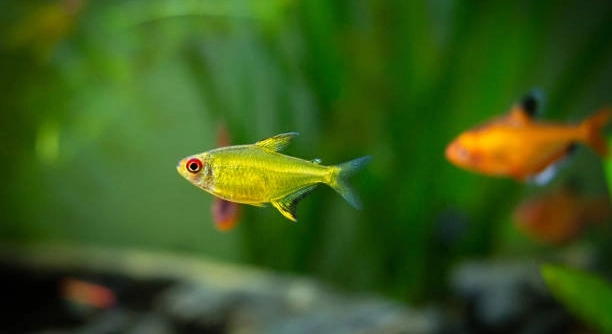
Lemon tetras are small, colorful fish that brighten up home aquariums. Many aquarists notice these fish thrive under soft, dim lighting. Observing their behavior can help owners provide a comfortable and healthy environment for them.
Lemon tetras prefer dim lighting because it closely mimics their natural habitat, reducing stress and promoting normal behavior. Bright light can overwhelm their vision and activity levels, making subdued lighting essential for their well-being and overall health.
Understanding why lighting matters will improve care routines and enhance your aquarium’s harmony. Proper light management ensures lemon tetras remain active, vibrant, and healthy over time.
Natural Habitat of Lemon Tetras
Lemon tetras come from slow-moving rivers and streams in South America, where sunlight is filtered through dense foliage. In these environments, light levels are naturally low, and water has a slightly tinted appearance. Their bright yellow coloring stands out against the shaded background, helping them feel safe while staying visible to other fish. In home aquariums, mimicking this lighting is crucial. Overly bright lights can make them hide constantly, reducing their activity and social behavior. Soft, dim lighting allows them to explore, school, and interact comfortably. Providing floating plants or shaded areas replicates the filtered sunlight they experience in their natural environment. Observing their reactions to different light levels can help determine the ideal setup. Adjusting aquarium lighting gradually ensures they adapt without stress. Tank decorations and plants not only provide hiding spots but also create a more natural aesthetic. Maintaining stable conditions, including temperature and water quality, further supports their comfort and longevity in captivity.
Proper lighting helps lemon tetras remain active, reducing stress and promoting natural behaviors in a home tank setting.
Lighting affects more than just visibility; it influences feeding patterns, breeding readiness, and overall health. When light levels match their natural habitat, lemon tetras show increased schooling behavior, swim confidently, and display more vibrant coloration. Sudden bright lights can trigger stress, causing hiding, rapid breathing, or erratic movement. Dim lighting promotes calm behavior and encourages natural interactions within the group. By observing subtle changes, aquarists can adjust conditions to ensure fish are thriving. Including floating plants and shaded areas enhances the effect of soft lighting, creating pockets of refuge where fish feel secure. Over time, this balance supports healthier, more active lemon tetras. Consistent lighting schedules, avoiding sudden changes, help maintain circadian rhythms, which play a role in feeding, reproduction, and immune response. Incorporating timers or adjustable lights allows for gradual transitions between day and night, mimicking natural conditions. Maintaining low-intensity light benefits not only lemon tetras but also the overall harmony of a community aquarium, ensuring all species coexist comfortably.
Effects of Bright Lighting
Excessively bright lights can stress lemon tetras, causing them to hide or become lethargic.
Stress from bright light affects their immune system, swimming patterns, and social interactions. Lemon tetras may lose color vibrancy and show reduced appetite under harsh lighting conditions.
Bright lighting can disrupt their natural behavior and hinder long-term health. Fish forced to cope with intense light may show aggression or retreat constantly, which impacts schooling dynamics. Over time, this stress can lead to weakened immunity, making them more susceptible to illness. Reproducing their natural shaded environment reduces these risks. Providing gentle lighting and gradual exposure allows them to acclimate comfortably. Observing their movements and color under different light intensities helps identify the best setup. Tank plants, floating foliage, or light-diffusing filters further reduce brightness while maintaining visibility. Even aquarium decorations can create shaded areas, offering additional refuge. Lighting adjustments should consider the needs of all species in the tank, ensuring balanced conditions. Consistency is key; sudden changes can be more harmful than sustained moderate brightness. By carefully managing light, lemon tetras remain active, colorful, and healthy, reflecting the natural patterns they evolved with.
Adjusting Aquarium Lighting
Dim lighting can be achieved by using low-intensity bulbs or placing covers over aquarium lights. Floating plants also help diffuse light, creating natural shaded areas for lemon tetras. Gradual adjustments prevent stress and maintain natural behaviors.
Using a combination of low-intensity lighting and natural shading techniques provides a stable environment for lemon tetras. LED lights with adjustable brightness are ideal, allowing precise control over light levels. Positioning plants and decorations strategically creates shadowed zones where fish can retreat if needed. Avoid sudden changes in lighting, as abrupt shifts can trigger stress responses, including hiding, rapid swimming, or color fading. Monitoring fish behavior during adjustments ensures that they are adapting well to the new setup. Maintaining a balance between light and shadow replicates the filtered sunlight of their native rivers, keeping lemon tetras comfortable, active, and healthy.
It is important to maintain a consistent light schedule, usually around 10 to 12 hours a day. Timers can automate lighting, ensuring stability and preventing overexposure. Combining dim lighting with gradual transitions between day and night strengthens circadian rhythms. Lemon tetras respond positively to this consistency, displaying normal swimming patterns, feeding behavior, and social interactions. Incorporating floating plants or broad-leaved decorations enhances shaded areas while improving aesthetics. Observing their color vibrancy and activity provides feedback on the lighting setup’s effectiveness. Well-managed lighting improves overall tank harmony, reduces stress, and supports long-term health, ensuring lemon tetras thrive in a home aquarium.
Benefits of Dim Lighting
Dim lighting reduces stress and encourages natural behaviors such as schooling and exploration among lemon tetras.
Low light levels help maintain stable activity patterns and support physical health. Fish remain vibrant, show normal feeding behavior, and interact comfortably with tank mates.
Dim lighting promotes overall well-being and longevity. When light is gentle, lemon tetras feel secure and exhibit behaviors consistent with their natural habitat. Bright lighting can disrupt swimming patterns, making fish hide or become aggressive. Providing shaded areas and gradual light exposure allows them to explore without fear. Stable lighting supports healthy coloration, appetite, and breeding behaviors. Maintaining a controlled light environment improves tank dynamics, as all fish can adjust without undue stress. Over time, this careful management enhances the aquarium’s visual appeal and ensures that lemon tetras remain active, colorful, and healthy.
Light and Breeding
Dim lighting encourages lemon tetras to breed by creating a safe and comfortable environment. Soft light reduces stress, helping them display natural mating behaviors and increasing the likelihood of successful spawning.
Bright light can inhibit breeding by causing fish to hide or avoid interaction. Consistent, gentle lighting fosters confidence and regular activity, which are essential for reproduction.
Creating Shade Zones
Adding floating plants, driftwood, or broad-leaved decorations helps create shaded areas. These spots provide refuge, reduce stress, and allow lemon tetras to feel secure while swimming and exploring. Properly arranged decor mimics their natural habitat and supports normal behaviors.
Monitoring Fish Behavior
Observing activity under different light levels is key. Lemon tetras should swim actively, school together, and show bright coloration, indicating comfort and well-being.
FAQ
Why do lemon tetras hide under bright light?
Lemon tetras are naturally adapted to shaded waters in South America. Bright, direct lighting can feel overwhelming, causing them to retreat to plants or decorations. This hiding is a stress response, helping them feel safer while minimizing exposure to intense light.
How can I create ideal lighting for lemon tetras?
Use low-intensity LED lights or bulbs with adjustable brightness. Floating plants, driftwood, and broad-leaved decorations diffuse light naturally. Gradually adjusting light levels over several days prevents stress and helps fish acclimate comfortably. Maintaining a consistent light schedule of about 10 to 12 hours per day is important.
Can lemon tetras live in a brightly lit aquarium?
They can survive, but constant bright lighting may increase stress. Fish may hide, show reduced activity, or display faded colors. Over time, prolonged exposure can affect health, appetite, and social behavior. Soft lighting that mimics natural conditions is much better for long-term well-being.
Do lemon tetras need total darkness at night?
Complete darkness is not necessary, but dim lighting or turning off the aquarium lights at night helps establish a natural day-night cycle. This supports circadian rhythms, reduces stress, and allows fish to rest properly, maintaining energy and health for the next day.
How does lighting affect breeding in lemon tetras?
Dim, stable lighting encourages natural mating behaviors. Soft light reduces stress and promotes comfort, which can increase the likelihood of successful spawning. Bright light or sudden changes in lighting can discourage interaction and reduce reproductive activity. Creating shaded areas with plants enhances the effect.
Can plants help with lighting for lemon tetras?
Yes. Floating or broad-leaved plants provide natural shade and diffuse light in the aquarium. These shaded spots make fish feel secure, reduce stress, and encourage active swimming and social behavior. Plants also improve water quality and contribute to a more natural-looking habitat.
What is the best type of light for a lemon tetra tank?
LED lights with adjustable intensity are ideal. They are energy-efficient, long-lasting, and allow precise control over brightness. Avoid overly bright fluorescent or halogen lights. Combining gentle light with floating plants or shaded decor creates a safe environment that mimics their natural habitat.
How do I know if the lighting is right?
Monitor fish behavior closely. Active schooling, vibrant coloration, normal feeding, and exploration indicate comfortable lighting. If fish are hiding, swimming erratically, or showing faded colors, light may be too intense. Adjust gradually, observing improvements in behavior and activity over time.
Can sudden changes in lighting harm lemon tetras?
Yes. Abrupt changes can trigger stress responses, including hiding, rapid swimming, or reduced appetite. Gradual transitions, using timers or slowly adjusting brightness, help fish acclimate without harm. Maintaining stability in the light cycle is crucial for their health and comfort.
Do other fish in the tank affect lighting needs?
Yes. Some species tolerate or prefer brighter lighting. When keeping lemon tetras with other fish, consider the needs of all species. Adding shaded zones, plants, or diffusing light helps create a balanced environment suitable for the entire community.
How long should the lights be on each day?
A schedule of 10 to 12 hours of light per day works best. This provides a consistent day-night cycle, supports natural behavior, and prevents stress. Using a timer ensures stability, avoiding sudden exposure or extended darkness that could disrupt activity and feeding patterns.
Does lighting affect water temperature?
Yes, some lights, especially older incandescent or halogen types, can slightly raise water temperature. LED lights produce minimal heat, making them safer for dim-light setups. Monitoring temperature ensures it remains within the optimal range for lemon tetras, around 72–78°F (22–26°C).
Can dim lighting improve overall tank harmony?
Yes. Soft lighting reduces stress for lemon tetras and helps maintain calm behavior across other tank inhabitants. Fish are less likely to hide or display aggression. Shaded areas encourage natural interactions and activity, improving overall balance and health in the aquarium.
Should I adjust lighting for feeding times?
No major changes are needed. Feeding under normal dim lighting works best, as fish are already comfortable and active. Sudden bright lights during feeding can cause stress or hesitation, while consistent soft lighting promotes regular eating habits and normal behavior.
Is it necessary to mimic natural sunlight cycles?
Mimicking natural cycles is beneficial. Gradual transitions from dim light to slightly brighter periods and back help regulate circadian rhythms. This supports healthy sleep, feeding, activity, and breeding behaviors. Timers or adjustable lights make these transitions easy to implement consistently.
How often should I check fish behavior related to lighting?
Daily observation is ideal. Watch for signs of stress, hiding, color fading, or abnormal swimming. Adjust lighting gradually if needed, and ensure shaded areas are available. Consistent monitoring helps maintain a comfortable, healthy environment for lemon tetras.
Can lighting impact color vibrancy?
Yes. Proper dim lighting enhances natural coloration, making yellows brighter and maintaining overall health. Bright, harsh light can cause fading or stress-related discoloration. Shaded areas and soft lighting help lemon tetras display their full, natural vibrancy consistently.
Do lemon tetras need different lighting in community tanks?
Adjustments may be necessary. Soft lighting benefits lemon tetras, but other species may have different preferences. Creating shaded zones and using adjustable lights allows all fish to coexist comfortably, ensuring each species can find appropriate light levels without stress.
What is the best way to introduce new lighting?
Introduce new lights gradually. Start at low intensity and increase slowly over several days. Monitor fish for stress or hiding behavior. Adding floating plants or decorations helps soften the transition and provides familiar shaded areas, ensuring lemon tetras adapt smoothly.
How important is light intensity compared to light duration?
Both matter, but intensity has a more immediate effect on stress levels. Dim, comfortable light ensures fish remain active and healthy, while duration supports circadian rhythms. Combining gentle intensity with a consistent daily schedule optimizes well-being, activity, and natural behaviors for lemon tetras.
Can too little light cause problems?
Excessive darkness can reduce activity, feeding, and social interaction. Fish may become lethargic, affecting health over time. The goal is soft, dim lighting rather than complete darkness, providing comfort while supporting normal behavior, coloration, and overall vitality.
Is it okay to use colored aquarium lights?
Colored lights can work if intensity remains low and consistent. Avoid overly bright or harsh colors that can stress fish. Natural or slightly warm tones are preferred, enhancing comfort and highlighting lemon tetra coloration without causing anxiety.
How do I balance lighting for plants and lemon tetras?
Choose low-light plants compatible with soft lighting. Floating plants, mosses, and broad-leaved species thrive under dim light, providing shade for fish. This creates a natural, balanced environment where plants grow and lemon tetras feel safe, reducing stress and supporting healthy behavior.
Can dim lighting affect algae growth?
Yes. Lower light levels reduce excessive algae growth compared to high-intensity setups. Plants and decorations still grow adequately, and fish have shaded areas. This balance minimizes maintenance while maintaining a natural, comfortable environment for lemon tetras.
Are there any signs that lighting is too low?
Fish may become less active, swim sluggishly, or show muted colors. Lack of normal schooling and reduced feeding behavior indicate lighting may be insufficient. Gradual increases in brightness or repositioning plants can correct these issues while maintaining comfort.
How often should I replace aquarium lights?
LEDs last several years, but bulbs lose intensity over time. Replace or upgrade lights when brightness noticeably decreases, ensuring dim lighting remains consistent and effective. Proper maintenance keeps lemon tetras comfortable and supports plant growth and overall tank health.
Does tank size affect lighting needs?
Yes. Larger tanks may require multiple lights or diffusing methods to maintain consistent dim conditions. Proper placement of lights, plants, and decorations ensures all areas have appropriate shaded zones, supporting lemon tetra well-being throughout the aquarium.
Can dim lighting reduce aggression in community tanks?
Yes. Soft light lowers stress, which often decreases aggressive behavior. Fish feel secure, hide when needed, and interact naturally. Shaded areas and gradual light transitions help maintain harmony and reduce tension among different species in the tank.
Is it necessary to adjust lighting seasonally?
Not strictly necessary indoors. Using timers to maintain consistent light duration and intensity is more important than simulating seasonal variations. Stability in lighting helps lemon tetras remain active, colorful, and healthy throughout the year.
How can I tell if my lighting setup is perfect?
Observe fish behavior and appearance over several weeks. Active swimming, regular feeding, schooling, bright coloration, and normal social interactions indicate ideal lighting. Adjust gradually if any signs of stress, hiding, or fading appear, ensuring a stable, comfortable environment for lemon tetras.
What other factors work with lighting to improve comfort?
Water quality, temperature, decorations, and plants all interact with lighting. Maintaining proper pH, temperature, and clean water enhances the effect of dim lighting. Providing shaded areas and hiding spots further supports natural behavior and overall health for lemon tetras.
Final Thoughts
Lemon tetras are small, vibrant fish that bring life to any aquarium. Their preference for dim lighting is rooted in their natural habitat, where filtered sunlight passes through dense foliage and shaded waters. Replicating these conditions in a home tank is essential for their comfort and health. Soft, subdued lighting allows them to swim freely, interact with their group, and display their bright yellow coloration without feeling threatened. When lighting is too intense, lemon tetras may hide constantly, become stressed, or show changes in behavior and coloration. By paying close attention to lighting levels and adjusting gradually, aquarists can create a safe and comfortable environment that encourages natural behavior. Providing shaded areas with floating plants, driftwood, or broad-leaved decorations further enhances their sense of security.
Dim lighting not only affects comfort but also supports the overall well-being of lemon tetras. Proper light levels help maintain normal activity patterns, feeding behavior, and social interactions. Stress from bright light can lead to health issues, including reduced immunity, faded colors, and abnormal behavior. Maintaining consistent light schedules, ideally around 10 to 12 hours per day, supports their circadian rhythms, ensuring they remain active during the day and rest properly at night. Timers or adjustable LED lights are practical tools to manage light intensity and duration, providing stability without sudden changes. Observing the fish regularly helps identify whether adjustments are needed. By combining gentle lighting with shaded zones, aquarists can simulate the filtered sunlight of rivers and streams, making the tank feel more natural and reducing stress significantly. This careful approach to lighting encourages lemon tetras to school actively, explore the tank, and engage in normal social behaviors.
In addition to supporting health and behavior, dim lighting plays a role in reproduction. Lemon tetras are more likely to display mating behavior when they feel secure in a soft-lit environment. Bright or sudden lighting changes can inhibit breeding, while gradual, consistent lighting encourages comfort and natural interaction between males and females. Soft lighting combined with shaded areas creates small refuges for fish, enhancing their confidence and reducing fear. Overall, lighting is a crucial element of aquarium care that affects multiple aspects of lemon tetra life. From promoting natural behavior and social interaction to supporting health, coloration, and reproduction, dim lighting is an essential part of providing an optimal habitat. Paying attention to light intensity, duration, and gradual adjustments ensures that lemon tetras thrive, making them more active, colorful, and healthy over the long term.

Hello,
If you enjoy the content that we create, please consider saying a "Thank You!" by leaving a tip.
Every little bit helps us continue crafting quality advice that supports the health, happiness, and well-being of pets around the world, for pets of all shapes, sizes, and species.
We really appreciate the kindness and support that you show us!