
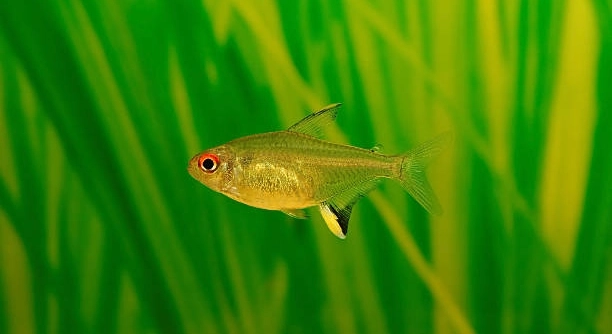
Lemon tetras are small, lively fish that brighten up any aquarium with their shimmering yellow bodies. They are usually active swimmers, moving gracefully through the water in groups. Sometimes, however, they behave unexpectedly, catching attention.
Lemon tetras sometimes float sideways due to swim bladder issues, stress, or water quality problems. These factors disrupt their balance and buoyancy, causing unusual swimming patterns that can indicate health concerns requiring careful observation and intervention.
Observing these changes in behavior can help ensure your fish stay healthy. Small adjustments in care and environment can make a significant difference.
Common Causes of Sideways Floating
Lemon tetras may float sideways for several reasons, mostly related to health or tank conditions. The most frequent issue is swim bladder disorder, which affects the fish’s ability to control buoyancy. Poor diet, sudden temperature changes, or overfeeding can trigger this condition. Stress from overcrowding or aggressive tankmates can also cause unusual swimming patterns. Water quality plays a significant role; high levels of ammonia, nitrites, or nitrates can weaken a fish, making them float unevenly. Even minor fluctuations in pH or hardness can have an impact, especially for sensitive species like lemon tetras. Observing your fish carefully can help identify which factor is affecting them. Ensuring consistent water temperature, proper feeding routines, and a balanced diet often prevents these problems from arising. Regular monitoring and maintenance of the tank environment are essential to support healthy swimming behavior. Quick action at the first sign of imbalance can prevent long-term health issues and reduce stress.
Swim bladder issues are the main reason for sideways floating in lemon tetras, though diet and water conditions contribute significantly.
Maintaining optimal conditions is key. Providing a varied diet rich in nutrients, controlling feeding amounts, and monitoring water parameters can help prevent swim bladder problems. Introducing a few live or frozen foods, like daphnia or brine shrimp, improves digestion and supports buoyancy. Consistent tank temperature and avoiding sudden changes reduce stress that might worsen swimming issues. Overcrowding can also be a problem, so keep the number of fish suitable for your tank size. Regular partial water changes remove toxins and maintain stability. If a fish continues to float sideways, separating it into a quarantine tank can help provide targeted care. Observing behavior over several days allows you to assess whether changes in diet, water, or tank setup are helping. Small adjustments often make a noticeable difference, improving both swimming behavior and overall health. Attention to detail ensures your lemon tetras remain active and balanced.
Treatment and Prevention
Addressing sideways floating starts with improving water quality. Regular checks and consistent cleaning prevent harmful chemical buildup, reducing stress and health issues for the fish.
Treating swim bladder problems requires careful observation and adjustments. Feeding peas, after removing skins, can sometimes relieve constipation that affects buoyancy. Adjusting diet to include easily digestible foods and avoiding overfeeding are important steps. Maintaining a stable temperature between 74-80°F helps reduce stress. Isolating affected fish in a smaller tank can make monitoring easier and prevent other fish from disturbing them. In some cases, mild salt treatment or specialized swim bladder remedies may help, but dosage must be precise to avoid additional harm. Prevention is equally important: regular water testing, consistent feeding schedules, and avoiding sudden changes in tank conditions reduce the likelihood of recurrence. Observing behavior daily ensures early detection of issues, and proper tank maintenance keeps lemon tetras swimming normally. Combined care measures support long-term health, creating a calm, balanced environment for all tank inhabitants.
Diet and Feeding Adjustments
Overfeeding can cause digestive problems that lead to sideways floating. Feeding smaller portions more frequently helps digestion and prevents swim bladder issues. A varied diet including high-quality flakes, frozen foods, and occasional live treats supports overall health and buoyancy.
Ensuring your lemon tetras have a balanced diet is essential. Flakes alone may not provide all necessary nutrients, so supplementing with frozen or live foods like brine shrimp, daphnia, or bloodworms improves digestion and helps prevent constipation. Avoid overfeeding, as uneaten food can pollute the tank and affect water quality. Feeding small portions two to three times daily allows fish to eat comfortably without straining their digestive systems. Adjusting diet gradually can reduce stress and improve swimming patterns. Proper feeding routines make a noticeable difference in preventing sideways floating.
Digestive issues often affect buoyancy. Offering peeled, cooked peas once or twice a week can relieve constipation. Observe how each fish responds to dietary changes. Consistency in feeding schedule and food quality keeps their digestive system functioning properly. Avoid sudden diet shifts, which may cause stress or further imbalance. Including fiber-rich foods helps maintain regular digestion and supports swim bladder health. Monitoring eating habits ensures all fish get enough food without overloading the tank. Combining careful feeding with stable water conditions prevents recurring swimming problems. Healthy digestion directly contributes to proper orientation and active swimming.
Environmental Adjustments
Tank size and layout can influence swimming behavior. Crowded or poorly arranged tanks may cause stress and affect buoyancy. Proper spacing and hiding spots help fish feel secure and swim naturally.
Maintaining stable water parameters is critical for lemon tetras. Sudden changes in temperature, pH, or hardness can disrupt buoyancy and cause sideways floating. Regular water testing and partial water changes maintain chemical balance, reducing stress and supporting swim bladder function. Adding plants or decorations creates a comfortable environment, giving fish areas to rest and navigate safely. Avoid overstocking the tank, as too many fish increase competition and stress, contributing to unusual swimming. Adequate filtration ensures water remains clean and oxygenated. Observing fish behavior after adjustments helps confirm improvements in swimming and overall health.
Stress Factors
Sudden changes in tank conditions can stress lemon tetras, causing them to float sideways. Loud noises, aggressive tankmates, or rapid water changes increase stress levels, affecting buoyancy and overall behavior.
Providing hiding spots and keeping a stable environment helps reduce stress. Consistent routines and minimal disturbances allow fish to swim naturally and maintain balance.
Quarantine and Isolation
Separating affected fish into a quarantine tank can help manage swim bladder issues and prevent further stress. It allows close monitoring and targeted care without interference from other fish. Quarantine also prevents potential disease spread, keeping the main tank safer.
Monitoring Behavior
Regular observation of swimming patterns can detect problems early. Sudden sideways floating indicates potential health or environmental issues that need prompt attention.
Water Filtration and Quality
Effective filtration keeps water clean and oxygenated, directly supporting fish health. Poor water quality is a major factor in swim bladder and buoyancy problems.
FAQ
Why do lemon tetras float sideways after feeding?
This often happens because of digestive problems or swim bladder stress. Overfeeding or giving large meals can cause constipation, making it hard for fish to maintain balance. Feeding smaller portions, offering easily digestible foods, and occasionally giving peeled, cooked peas can help regulate digestion and buoyancy.
Can poor water quality cause sideways floating?
Yes, water conditions play a major role in lemon tetra health. High levels of ammonia, nitrites, or nitrates, as well as sudden changes in pH or temperature, can stress fish and disrupt swim bladder function. Regular water testing and partial water changes are essential for preventing these issues.
Do tank size and layout affect swimming behavior?
Absolutely. Crowded tanks or a lack of hiding spots increase stress, which can lead to sideways floating. A properly sized tank with enough swimming space and safe areas for resting reduces stress and supports natural movement patterns.
How does stress contribute to sideways floating?
Stress from aggressive tankmates, rapid water changes, or loud noises can interfere with swimming. Stress affects the nervous system and buoyancy control. Maintaining a stable environment, gentle handling, and quiet surroundings help fish stay balanced and reduce erratic swimming behavior.
Is swim bladder disorder always the cause?
Not always. Swim bladder disorder is common, but dietary issues, constipation, stress, and environmental factors can all contribute. It’s important to observe other symptoms such as lethargy, bloating, or unusual swimming patterns to determine the cause and respond appropriately.
How can I prevent my lemon tetras from floating sideways?
Prevention involves consistent care. Feed a varied, high-quality diet in small portions, maintain stable water parameters, and avoid overcrowding. Providing hiding spots, monitoring behavior regularly, and addressing any early signs of stress or illness helps prevent swim bladder issues and keeps fish swimming naturally.
What should I do if a fish continues to float sideways?
Separate the affected fish into a quarantine tank to reduce stress and allow targeted care. Monitor water conditions, provide easy-to-digest foods, and consider minor dietary adjustments. If the problem persists, consulting a veterinarian experienced with fish may be necessary to rule out serious health concerns.
Can temperature changes affect swimming?
Yes, lemon tetras are sensitive to sudden shifts in water temperature. Rapid drops or rises can disrupt metabolism and buoyancy. Maintaining a consistent temperature between 74-80°F and using a reliable heater or thermometer ensures stability and reduces the risk of sideways floating.
Are there natural remedies to improve buoyancy?
Some simple remedies can help. Feeding peeled, cooked peas can relieve constipation, while small amounts of live or frozen foods improve digestion. Adjusting diet gradually and avoiding overfeeding helps maintain healthy swim bladder function. Consistent care and monitoring are essential for lasting results.
How long does it take for a fish to recover?
Recovery time varies depending on the cause and severity. Minor dietary or environmental adjustments can show improvement within a few days. Swim bladder disorders or stress-related issues may take longer, sometimes several weeks. Close observation and consistent care speed up recovery and prevent recurring problems.
Can sideways floating indicate serious illness?
Yes, in some cases it can signal bacterial or parasitic infections, internal organ problems, or severe constipation. Monitoring additional symptoms like discoloration, lethargy, or unusual behavior helps determine whether medical attention is necessary. Early intervention improves the chances of recovery.
Does isolation stress a fish more?
Properly managed isolation in a small, quiet quarantine tank reduces stress compared to staying in a crowded or aggressive main tank. Provide gentle water flow, stable conditions, and minimal disturbance to help the fish regain balance and recover efficiently.
Is it normal for lemon tetras to occasionally float sideways?
Occasional brief episodes may happen due to minor stress or temporary digestive issues. However, frequent or prolonged sideways floating signals an underlying problem. Observing patterns, diet, and tank conditions is important to ensure the fish remain healthy and active.
How do I know if buoyancy issues are resolved?
A fish that swims upright, maintains balance, and moves actively shows signs of recovery. Regular monitoring for a few days after dietary or environmental adjustments helps confirm that buoyancy problems have been addressed. Consistency in care supports long-term swimming health.
Can overcrowding trigger swim bladder problems?
Yes, too many fish in a tank can increase competition, stress, and poor water quality. Overcrowding can indirectly affect buoyancy by stressing fish and raising the risk of disease. Maintaining an appropriate number of fish for your tank size is essential.
Do all lemon tetras respond the same way to treatment?
No, individual fish may respond differently depending on age, health, and stress levels. Some may recover quickly with dietary adjustments, while others may need more time or targeted care. Observing each fish individually ensures the best results.
How often should I test water for my lemon tetras?
Testing at least once a week for ammonia, nitrites, nitrates, and pH is recommended. Regular testing allows you to detect imbalances early, preventing stress or swim bladder issues before they affect swimming behavior.
What role does tank decoration play in swimming behavior?
Plants, rocks, and hiding spots provide comfort and reduce stress. Fish feel secure and swim more naturally, which supports proper buoyancy. Avoid overcrowding decorations, which can restrict swimming space and increase the risk of sideways floating.
Can constipation alone cause sideways floating?
Yes, constipation is a common trigger. Blockages affect the swim bladder, leading to difficulty maintaining balance. Diet adjustments, like feeding peas or easily digestible foods, often resolve the problem without additional intervention.
Is medication necessary for every case of sideways floating?
Not always. Many cases resolve with diet, environmental adjustments, and stress reduction. Medication may be needed only if infection or severe swim bladder disorder is suspected. Monitoring symptoms carefully determines whether treatment is required.
How do I track improvements effectively?
Keep a journal of feeding habits, water parameters, and swimming behavior. Noting changes helps identify what works and ensures consistent care. Regular observation allows early detection of recurring issues, keeping lemon tetras healthy and balanced.
Can frequent water changes upset the fish?
Yes, sudden large water changes can stress fish and disrupt swim bladder function. Partial changes with similar temperature and chemistry are safer and maintain water quality without causing additional imbalance.
Are younger fish more prone to sideways floating?
Juvenile lemon tetras may be more sensitive to stress, diet, and water conditions. Careful monitoring, consistent feeding, and stable tank conditions help younger fish develop healthy swimming habits and avoid buoyancy issues.
Does tank temperature affect digestion?
Yes, lower temperatures can slow metabolism and digestion, potentially leading to constipation and swim bladder problems. Maintaining a consistent, appropriate temperature ensures proper digestion and helps prevent sideways floating.
How do I prevent future swim bladder issues?
A balanced diet, proper feeding routine, stable water conditions, and a stress-free environment are key. Observing fish regularly and addressing minor issues promptly reduces the risk of recurring buoyancy problems. Consistency in care is the most effective prevention method.
What are the signs that dietary changes are working?
Fish swimming upright, eating normally, and showing improved activity indicate positive response. Regular observation and gradual adjustments ensure that digestion and swim bladder health continue improving.
Can stress from tankmates affect feeding?
Yes, aggressive or fast-moving tankmates may prevent lemon tetras from eating properly, leading to digestive issues and buoyancy problems. Providing calm, compatible tankmates helps maintain regular feeding and proper swimming behavior.
How long should quarantine last for affected fish?
A quarantine period of one to two weeks is usually sufficient to monitor and address swim bladder or health issues. Longer isolation may be needed for persistent problems, with careful observation and consistent care.
Does water hardness impact swimming?
Extreme hardness or softness can affect metabolism and buoyancy. Lemon tetras thrive in moderately soft to slightly hard water. Regular testing and adjustments maintain optimal conditions, supporting proper swimming and overall health.
Are there specific foods to avoid?
Avoid over-reliance on low-quality flakes or foods that expand in water, as they can cause digestive issues. Balanced feeding with high-quality flakes, frozen, or live foods prevents constipation and supports swim bladder function.
Can aging fish develop buoyancy problems?
Yes, older fish may become more prone to digestive or swim bladder issues. Maintaining proper diet, water quality, and stress reduction helps aging lemon tetras stay active and balanced.
Do side-floating episodes affect growth?
Temporary issues usually do not impact growth. However, chronic digestive or swim bladder problems may affect feeding efficiency and long-term health. Early intervention ensures normal growth and development.
Is it normal for fish to recover partially?
Partial recovery can occur if underlying causes are only partly addressed. Continuing diet, environment, and stress management ensures full improvement over time. Observation is key to confirm progress.
Can tank lighting affect swimming?
Bright or constantly changing lighting can stress fish, causing erratic swimming. Consistent, moderate lighting with periods of darkness reduces stress and helps maintain proper swimming behavior.
What is the most important factor in recovery?
Consistency in care, including diet, water quality, temperature, and stress management, is the most important factor. Small, consistent changes lead to noticeable improvement in buoyancy and overall fish health.
How do I know if sideways floating is permanent?
Permanent issues are rare but may occur with severe swim bladder deformities or chronic illness. Continuous observation, veterinary consultation, and long-term care determine the prognosis and appropriate interventions.
Does tank location matter?
Yes, placing the tank in a quiet area with stable temperature reduces stress. Avoid direct sunlight or drafts, which can cause fluctuations and negatively affect swimming behavior.
Can water movement help or hurt?
Moderate water flow supports oxygenation and natural swimming. Too strong a current can tire fish and worsen buoyancy problems. Adjusting flow to a gentle, steady level is ideal for lemon tetras.
Are there signs that intervention is needed immediately?
Severe lethargy, persistent sideways floating, bloating, or rapid breathing signal urgent attention. Prompt action, including quarantine, dietary adjustments, and water checks, improves the chances of recovery.
How often should I observe my fish?
Daily observation is best. Noticing subtle changes in behavior, swimming, and feeding allows early intervention and keeps lemon tetras healthy and active.
Do floating problems affect social behavior?
Yes, affected fish may be less active or avoid schooling. Supporting health through diet, environment, and stress management restores natural social behavior over time.
Can seasonal changes influence buoyancy?
Seasonal temperature fluctuations may stress fish if not properly managed. Consistent heating and monitoring during temperature changes prevent swimming and buoyancy issues.
Is it necessary to adjust lighting during illness?
Reducing lighting slightly can help stressed fish feel secure. Stable lighting routines prevent additional stress and support normal swimming behavior.
Are there any behavioral signs before sideways floating occurs?
Slower swimming, hesitation, reduced appetite, or mild imbalance can appear before sideways floating. Early recognition allows preventive care to avoid full-blown buoyancy problems.
Does adding new fish affect existing ones?
Introducing new fish can cause stress for established lemon tetras. Proper acclimation, gradual introduction, and observing interactions help prevent stress-related buoyancy problems.
How do I maintain long-term buoyancy health?
Regular feeding routines, balanced diet, stable water parameters, stress reduction, and careful monitoring are essential. Consistent care and observation keep lemon tetras swimming upright and active throughout their life.
Can tankmates help or worsen swim bladder issues?
Calm, compatible tankmates reduce stress and support healthy swimming. Aggressive or overly active fish may increase stress, worsen buoyancy problems, and interfere with recovery.
Is it okay if only one fish floats sideways?
Yes, individual sensitivity can cause isolated cases. Monitor that fish closely, adjust diet and environment, and watch for any signs of disease spreading to others.
Do bubbles in the tank affect swimming?
Excess bubbles or strong aeration may briefly confuse fish but generally do not cause long-term sideways floating. Adjust aeration if it seems to stress the fish.
Are frozen foods better than flakes?
Frozen foods like brine shrimp or daphnia are easier to digest and reduce constipation risk, supporting swim bladder function. Flakes are convenient but should be supplemented for optimal health.
Does tank cleaning frequency matter?
Yes, regular cleaning removes debris and toxins that stress fish. Clean, stable water reduces the risk of buoyancy issues and supports overall health.
How do I recognize improvement in swimming?
Active movement, upright posture, proper buoyancy, and regular schooling indicate improvement. Tracking behavior after interventions confirms whether diet, environment, or care adjustments are effective.
Can sideways floating return after recovery?
It can, if underlying causes like diet, water quality, or stress recur. Consistent monitoring and proactive care prevent relapse and maintain long-term swimming health.
How important is observation during recovery?
Observation is critical. Monitoring swimming, feeding, and interaction ensures timely intervention if problems persist or reappear. It helps adjust care and confirms successful recovery.
Do all lemon tetras show the same symptoms?
Symptoms vary by individual. Some may float sideways immediately, while others show subtle signs first. Careful observation of each fish is necessary to address problems effectively.
Are tank heaters necessary for buoyancy control?
Yes, consistent temperature stabilizes metabolism and digestion, supporting proper swim bladder function. Heaters prevent fluctuations that could trigger sideways floating.
Can dietary fiber prevent swim bladder issues?
Yes, fiber-rich foods like peas improve digestion and prevent constipation, supporting buoyancy. Regular inclusion in the diet helps maintain healthy swimming.
What is the first step when noticing sideways floating?
Check water quality, isolate affected fish if necessary, and adjust diet or environment. Early action improves recovery chances and prevents further complications.
How long should I monitor after recovery?
Continue daily observation for at least a few weeks. Ensuring consistent swimming and proper health reduces the likelihood of recurring buoyancy issues.
Can stress alone cause recurring floating?
Yes, persistent stress from tankmates, noise, or environmental changes can repeatedly trigger swim bladder problems. Reducing stress is essential for long-term buoyancy health.
Are all lemon tetras equally sensitive?
No, individual tolerance varies. Some fish are more prone to stress, digestive issues, or swim bladder problems. Personalized care helps each fish maintain healthy swimming.
Do water conditioners affect swimming?
Proper use of conditioners is safe and can reduce toxins, supporting buoyancy. Avoid overdosing, which may stress fish or alter water chemistry.
How can I maintain consistent care routines?
Feed regularly, test water weekly, clean the tank consistently, and observe fish daily. Routine care prevents stress, disease, and buoyancy issues.
Is quarantine always necessary for sideways floating?
Not always, but it is helpful for targeted care and monitoring. Isolation reduces stress from tankmates and prevents potential disease spread.
Can swim bladder issues be inherited?
Genetic factors may contribute, but environmental and dietary factors are usually more significant. Ensuring proper care minimizes the risk of inherited or developmental issues.
How do I balance water flow in the tank?
Moderate, gentle flow supports swimming without tiring fish. Strong currents can worsen buoyancy problems, so adjust the filter output carefully.
What are signs that water quality is affecting swimming?
Cloudy water, unusual odors, or chemical imbalance often coincide with erratic swimming. Testing water and performing partial changes improves buoyancy and fish health.
Does fish age affect recovery speed?
Younger fish often recover faster due to higher resilience. Older fish may take longer to regain balance and may need more careful monitoring and dietary support.
Are side-floating episodes painful for fish?
Fish do not feel pain as humans do, but buoyancy issues indicate stress or illness. Addressing the cause reduces discomfort and supports normal behavior.
Can floating be seasonal?
Temperature changes or seasonal stress can trigger occasional episodes. Maintaining stable conditions year-round prevents buoyancy problems.
How do I ensure long-term swimming health?
Consistent care, stable water parameters, balanced diet, stress reduction, and regular observation maintain proper buoyancy and overall well-being in lemon tetras.
Is it normal for recovered fish to be cautious?
Yes, after illness or stress, fish may swim cautiously. Continued care and a stable environment help them regain confidence and natural swimming behavior.
Does tank color affect swimming?
Bright or reflective tanks may stress fish temporarily. Neutral or natural backgrounds reduce stress and support calm, balanced swimming behavior.
Are there behavioral differences between males and females?
Minor differences exist, but both sexes are equally prone to swim bladder issues. Observation and care apply to all lemon tetras.
Can plants prevent floating issues?
Live or artificial plants provide hiding spots and reduce stress, indirectly supporting buoyancy. Overcrowding plants should be avoided to ensure sufficient swimming space.
How often should diet be varied?
Regularly include flakes, frozen, and occasional live foods. Variety supports digestion, reduces constipation, and helps maintain proper swim bladder function.
Can probiotics help?
Probiotics may improve gut health and digestion, indirectly supporting swim bladder function. They can be added to diet occasionally for preventive care.
Does water hardness need constant monitoring?
Yes, maintaining moderate hardness ensures metabolism and buoyancy remain stable. Frequent checks help prevent conditions that could trigger sideways floating.
How do I know if quarantine is successful?
A fish swimming upright, eating normally, and showing reduced stress indicates successful quarantine. Continuous monitoring confirms that buoyancy and health issues are resolved.
Are there signs of relapse to watch for?
Reduced activity, hesitation while swimming, or mild sideways floating signal a possible relapse. Early intervention prevents worsening of buoyancy problems.
Can feeding frequency affect buoyancy?
Yes, smaller, consistent meals improve digestion and reduce constipation, supporting proper swim bladder function. Irregular or excessive feeding increases the risk of sideways floating.
Is it necessary to check water temperature daily?
Daily checks help catch fluctuations early, preventing stress and buoyancy issues. Stable temperature supports digestion, metabolism, and swim bladder health.
Do decorations influence recovery?
Proper decorations reduce stress and provide safe swimming areas. Avoid overcrowding to maintain sufficient space for movement and recovery.
Can lemon tetras recover fully from chronic floating?
Many recover with consistent care, diet adjustment, and environmental improvements. Severe or genetic issues may limit full recovery, but early intervention improves outcomes.
Is overfeeding more harmful than underfeeding?
Yes, overfeeding often leads to digestive issues and swim bladder problems. Underfeeding slows growth but rarely causes buoyancy problems if nutrition is adequate.
Can water additives help buoyancy?
Certain mild additives improve water quality or support digestion. Always use recommended doses and monitor fish closely for responses.
How important is observation during dietary changes?
Critical. Monitoring swimming, appetite, and behavior ensures diet adjustments effectively address buoyancy issues
Lemon tetras are delicate, beautiful fish that bring life and color to any aquarium. Their small size and bright yellow bodies make them a popular choice for many hobbyists. Watching them swim in coordinated schools is satisfying, but noticing a fish floating sideways can be concerning. Sideways floating is usually a sign that something in the fish’s environment, diet, or health is not balanced. While it may look alarming, it is often manageable if addressed quickly. Understanding the potential causes, from swim bladder issues to stress, is key to providing the proper care for lemon tetras. Paying attention to subtle changes in swimming behavior or appetite can help prevent small problems from becoming larger health concerns.
Consistent care plays an important role in maintaining healthy swimming patterns. Water quality is one of the most critical factors for lemon tetras. Poor water conditions, such as high ammonia or sudden pH shifts, can quickly cause stress and affect buoyancy. Regular testing, partial water changes, and a properly functioning filter keep water safe and stable. Tank size and arrangement also matter, as overcrowding or a lack of hiding spaces can increase stress. Providing a calm environment with moderate lighting, gentle water flow, and adequate swimming space supports natural behavior and reduces the likelihood of sideways floating. These adjustments are simple to make but have a significant impact on the fish’s overall health and swimming stability.
Diet is another area that directly affects buoyancy and general well-being. Overfeeding or feeding foods that are difficult to digest can lead to constipation, which impacts swim bladder function. Feeding smaller, more frequent portions and including a variety of high-quality flakes, frozen foods, and occasional live foods ensures proper nutrition. Occasionally offering peeled, cooked peas can help relieve digestive issues and improve buoyancy. Observing each fish’s response to dietary adjustments is essential to know whether the changes are effective. Combining careful feeding practices with stable water conditions and minimal stress creates an environment where lemon tetras can thrive. Maintaining these routines consistently, along with daily observation, helps ensure that your fish remain active, balanced, and healthy over the long term.

Hello,
If you enjoy the content that we create, please consider saying a "Thank You!" by leaving a tip.
Every little bit helps us continue crafting quality advice that supports the health, happiness, and well-being of pets around the world, for pets of all shapes, sizes, and species.
We really appreciate the kindness and support that you show us!