
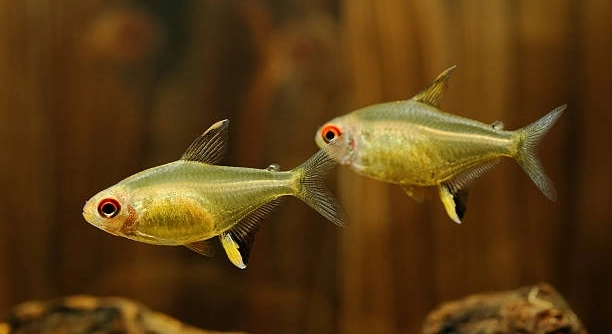
Are your Lemon Tetras acting unusually restless or hiding more than usual in the aquarium? Observing their behavior closely can help you catch early signs of health issues before they become severe. Monitoring water quality is essential.
Ammonia poisoning in Lemon Tetras occurs when ammonia levels in the tank rise beyond safe limits. Symptoms include lethargy, loss of appetite, rapid gill movement, red or inflamed gills, clamped fins, erratic swimming, and general stress, all indicating toxic exposure.
Recognizing these symptoms early can prevent serious health problems and improve the well-being of your Lemon Tetras in their aquatic environment.
Recognizing Lethargy and Loss of Appetite
Lemon Tetras showing lethargy often float near the bottom or remain in one spot for long periods. Loss of appetite is another key sign; they may ignore food or nibble only slightly. Both behaviors indicate that the fish’s system is stressed, likely due to poor water conditions. Observing these patterns over several hours or days helps identify a problem early. Adjusting tank maintenance routines and testing water quality frequently can reduce the risk of ammonia poisoning. Feeding smaller portions and monitoring whether the fish eat consistently also provides clues about their health.
Lethargy combined with a poor appetite signals that ammonia levels may be too high, requiring immediate action to protect the fish and maintain a safe aquatic environment.
Consistent monitoring is essential. Checking water parameters daily and performing partial water changes can prevent ammonia from building up. A healthy tank encourages activity and proper feeding behavior. Early detection allows timely intervention, keeping Lemon Tetras active and ensuring they receive proper nutrition, which supports their immune system and overall well-being.
Rapid Gill Movement and Red Gills
Rapid gill movement is a clear sign that Lemon Tetras are struggling to get enough oxygen, often due to ammonia buildup.
High ammonia irritates gill tissues, causing redness and inflammation. Fish may breathe faster to compensate, and prolonged exposure can damage gill structures, reducing oxygen intake. Maintaining proper filtration and regularly cleaning the tank helps prevent these symptoms.
Observing gill color changes is also critical. Healthy gills are usually a pale pink, while inflamed gills appear bright red. Early water testing, immediate partial water changes, and avoiding overfeeding reduce ammonia stress. In severe cases, introducing ammonia-neutralizing treatments may be necessary. Keeping a consistent cleaning schedule and monitoring fish behavior ensures the tank environment remains safe and supports healthy respiration. Recognizing these signs promptly allows you to address water quality problems before lasting damage occurs, protecting the Tetras’ health effectively.
Clamped Fins
Clamped fins occur when Lemon Tetras hold their fins close to their body instead of spreading them naturally. This behavior often indicates stress or discomfort caused by elevated ammonia levels. Observing fin posture daily helps detect health issues early and take corrective action.
Clamped fins reduce swimming efficiency and can make it harder for fish to maintain balance in the water. It is often accompanied by other stress signals, such as hiding or staying near the bottom of the tank. Ensuring clean water and stable conditions helps fish relax and regain normal fin posture over time. Partial water changes and checking the filtration system are effective ways to reduce stress.
This condition can worsen if ammonia exposure continues. Fish may become less active, lose appetite, or show signs of secondary infections. Maintaining proper tank hygiene, avoiding overcrowding, and monitoring water parameters daily are key steps. Observing these details consistently helps prevent long-term damage and supports recovery.
Erratic Swimming
Erratic swimming includes sudden bursts, darting, or spinning in the tank. These behaviors often signal irritation or discomfort from poor water quality and ammonia toxicity.
When ammonia levels rise, Lemon Tetras experience stress that disrupts their normal swimming patterns. Fish may collide with decorations or swim in irregular loops. This behavior can also indicate gill irritation, making it difficult to regulate oxygen intake. Consistent water testing, partial water changes, and limiting overfeeding help reduce ammonia levels and calm the fish.
Over time, erratic swimming can lead to injuries or increased susceptibility to disease. Providing hiding spots and maintaining a stable environment allows fish to regain confidence and swim normally. Observation of daily activity, along with proper tank care, ensures that behavioral changes are caught early, reducing stress and supporting overall health.
Gasping at the Surface
Gasping at the surface is a common sign that Lemon Tetras are struggling with low oxygen levels caused by ammonia exposure. Fish may linger near the top, taking quick breaths, signaling urgent attention is needed to improve water quality.
Immediate partial water changes and checking the filter can help reduce ammonia and restore oxygen levels. Observing the fish closely ensures timely intervention, preventing further stress or injury.
Loss of Color
Ammonia stress can cause Lemon Tetras to lose their vibrant coloration. Faded or dull colors often indicate poor health and environmental imbalance.
Maintaining clean water, stable temperature, and proper nutrition supports color recovery. Sudden color changes should not be ignored, as they often accompany other stress indicators.
Increased Irritability
High ammonia levels can make Lemon Tetras more irritable and aggressive. They may chase tank mates or act unusually defensive.
Monitoring tank conditions and separating affected fish if needed can reduce stress. Consistent water testing and careful observation are key to managing behavioral changes effectively.
FAQ
What causes ammonia poisoning in Lemon Tetras?
Ammonia poisoning occurs when ammonia accumulates in the tank, often from uneaten food, overstocking, or inadequate filtration. Ammonia is toxic to fish and irritates gills, skin, and internal organs. Even small amounts can stress Lemon Tetras, affecting their behavior, appetite, and overall health. Regular testing and water changes prevent dangerous buildup.
How can I detect ammonia in my aquarium?
Ammonia is usually detected through testing kits that measure water levels accurately. Symptoms like gasping at the surface, clamped fins, lethargy, loss of color, or erratic swimming often indicate high ammonia. Observing fish behavior in combination with testing provides the most reliable warning system.
How often should I test water for ammonia?
Testing water once or twice a week is recommended, especially for new tanks or after adding new fish. Frequent monitoring allows early detection of ammonia spikes, preventing severe poisoning. Using a consistent testing schedule helps maintain stable, safe water conditions.
What are immediate steps to reduce ammonia levels?
Perform partial water changes of 25–50 percent immediately to lower ammonia concentration. Remove uneaten food, clean substrate gently, and check the filter for clogs. Adding ammonia-neutralizing products can help temporarily, but long-term prevention relies on consistent maintenance.
Can ammonia poisoning be reversed?
If detected early, ammonia poisoning can be managed. Partial water changes, improved filtration, and reducing stressors allow Lemon Tetras to recover. However, prolonged exposure can cause permanent gill damage or death, making prompt action essential.
What tank conditions prevent ammonia buildup?
Maintaining proper filtration, avoiding overfeeding, and keeping the tank lightly stocked are key preventive measures. Routine cleaning of substrate and decorations removes decaying matter, reducing ammonia production. Stable temperature and pH also support healthy biological filtration, keeping ammonia levels low naturally.
Are all fish equally sensitive to ammonia?
Lemon Tetras are particularly sensitive due to their small size and delicate gills. While many fish tolerate low ammonia for short periods, consistent exposure is dangerous. Understanding species-specific tolerance helps tailor tank care for optimal health.
What signs indicate chronic ammonia exposure?
Chronic exposure may present as faded coloration, stunted growth, persistent lethargy, or increased susceptibility to disease. Behavioral changes such as hiding, clamped fins, or erratic swimming are also common. Chronic stress weakens immunity, making fish more vulnerable to secondary infections.
Is it safe to use chemicals to treat ammonia?
Ammonia-neutralizing chemicals can be used temporarily, but they are not a substitute for proper tank maintenance. Over-reliance may mask underlying problems, delaying effective treatment. Consistent water changes, proper filtration, and careful feeding are more reliable solutions.
How can I help my Lemon Tetras recover fully?
Provide clean, stable water with regular partial changes and proper filtration. Minimize stress by avoiding sudden changes in temperature or environment. Feed small, nutritious portions and monitor for lingering symptoms. Patience is essential, as full recovery can take several days to weeks depending on the severity of exposure.
Can I prevent ammonia poisoning in a new tank?
Yes, cycling a new tank before adding fish is crucial. Establishing beneficial bacteria helps process ammonia naturally. Gradually adding fish and monitoring water parameters ensures a stable environment, preventing early poisoning and giving Lemon Tetras a healthy start.
What long-term effects should I watch for after ammonia exposure?
Even after immediate recovery, fish may show lingering weakness, slower swimming, or pale coloration. Keeping water consistently clean, avoiding overcrowding, and maintaining stable conditions minimizes long-term risks and supports ongoing health and vitality.
How does diet influence ammonia levels?
Overfeeding is a major source of ammonia. Uneaten food decomposes and releases ammonia into the water. Feeding only what fish consume in a few minutes and removing excess prevents accumulation and reduces stress on filtration systems.
How quickly does ammonia affect Lemon Tetras?
Ammonia can cause noticeable stress within hours if levels spike significantly. Symptoms may include gasping, clamped fins, and erratic swimming. Early detection and intervention are crucial, as prolonged exposure can lead to irreversible damage or death.
Are there signs that indicate the tank is safe?
Active swimming, vibrant coloration, regular feeding, and normal gill movement indicate a healthy tank. Ammonia test readings of zero or near-zero confirm water safety. Consistent observation and routine maintenance ensure ongoing protection against poisoning.
How do I maintain safe ammonia levels long-term?
Regular water testing, partial water changes, controlled feeding, proper filtration, and avoiding overcrowding create a stable environment. Monitoring fish behavior and adjusting maintenance routines according to tank conditions helps prevent spikes and keeps Lemon Tetras healthy consistently.
Can ammonia poisoning affect other tank inhabitants?
Yes, all fish in the same tank are at risk. Sensitive species may show symptoms sooner, but prolonged high ammonia affects everyone. Regular maintenance, monitoring, and prompt intervention protect all aquatic life in the aquarium.
Is there a difference between ammonia and nitrite poisoning?
Ammonia directly irritates gills and tissues, while nitrite binds to blood and reduces oxygen transport. Both are toxic, but ammonia poisoning is often faster-acting and more immediately harmful. Maintaining a properly cycled tank helps prevent both risks effectively.
What tools help prevent ammonia problems?
Reliable test kits, quality filters, timers for feeding, and consistent maintenance schedules are essential. Observation of fish behavior complements tools, allowing early detection and prevention before symptoms escalate. Proper equipment ensures stable conditions and minimizes health risks.
How often should filters be cleaned to prevent ammonia buildup?
Filters should be rinsed monthly in tank water to avoid killing beneficial bacteria. Over-cleaning or using tap water can reduce bacteria efficiency, causing ammonia spikes. Regular maintenance balances cleanliness with preserving the biological filtration that keeps ammonia levels safe.
Can live plants help control ammonia?
Yes, live plants absorb ammonia and other nitrogen compounds as nutrients. Adding hardy species like Java moss or Anubias supports water quality naturally. Plants also provide hiding spots, reduce stress, and contribute to overall ecosystem stability in the tank.
How do I balance multiple preventive measures?
Combine regular testing, partial water changes, proper feeding, live plants, and routine filter maintenance. Monitoring fish behavior daily ensures early warning signs are noticed. Consistent application of these practices creates a stable environment and significantly reduces the risk of ammonia poisoning.
Are there any symptoms that are easy to overlook?
Subtle signs like mild lethargy, slight color fading, or reduced feeding may be easy to miss. These early indicators are critical for intervention before severe ammonia poisoning develops. Observing the fish consistently helps catch problems when they are still manageable.
What is the best way to educate myself about ammonia safety?
Reading guides, following tank-specific care routines, and tracking water parameters provide practical knowledge. Joining aquarium communities or consulting experts helps share experiences and advice, reinforcing safe practices and early detection strategies.
Can overstocking increase the risk of ammonia poisoning?
Yes, overcrowded tanks produce more waste than the filtration system can handle. Limiting the number of fish to what the tank can sustain ensures ammonia levels remain low and reduces stress on Lemon Tetras.
How do I know when it’s safe to reintroduce fish after ammonia exposure?
Ensure water tests show zero ammonia consistently, and the tank has stabilized with normal temperature, pH, and oxygen levels. Fish should display healthy behavior, appetite, and coloration before adding new or recovering fish.
Does temperature affect ammonia toxicity?
Yes, higher temperatures can increase ammonia toxicity by stressing fish and accelerating chemical reactions. Maintaining stable, appropriate temperatures reduces risk and supports recovery from mild exposure.
Ammonia poisoning is a serious issue for Lemon Tetras, and recognizing the early signs is essential for maintaining a healthy aquarium. Fish are sensitive to water quality, and even small increases in ammonia can cause noticeable stress. Symptoms like gasping at the surface, clamped fins, erratic swimming, loss of color, and lethargy are clear indicators that water conditions are unsafe. Observing your fish daily allows you to spot these warning signs before they escalate. Paying attention to their behavior, appetite, and activity levels is just as important as testing the water itself. Consistent monitoring helps ensure that problems are caught early, giving you time to act and prevent long-term damage.
Maintaining proper tank conditions is the most effective way to prevent ammonia poisoning. Regular water testing, partial water changes, and proper filtration are all critical steps to keep ammonia levels within a safe range. Avoiding overfeeding and keeping the tank appropriately stocked also reduces the risk of ammonia buildup. Live plants can help absorb some ammonia naturally, and careful attention to cleaning the substrate ensures that leftover food and waste do not accumulate. A stable environment with consistent temperature, pH, and oxygen levels supports the overall health of Lemon Tetras. Healthy fish are more resilient to stress and disease, and providing optimal water conditions allows them to display natural behavior and vibrant coloration.
Recovery from ammonia poisoning is possible if action is taken promptly. Early intervention with water changes, improved filtration, and reducing stressors gives Lemon Tetras a chance to regain strength and normal behavior. Even after symptoms improve, continued observation is important to ensure they do not relapse. Maintaining long-term preventive measures, such as a routine cleaning schedule and monitoring feeding habits, helps avoid future incidents. By prioritizing water quality and carefully observing your fish, you can create an environment where Lemon Tetras thrive safely. Paying attention to small details, such as subtle changes in fin posture or activity levels, ensures you respond quickly to potential problems and support the long-term well-being of your aquarium.

Hello,
If you enjoy the content that we create, please consider saying a "Thank You!" by leaving a tip.
Every little bit helps us continue crafting quality advice that supports the health, happiness, and well-being of pets around the world, for pets of all shapes, sizes, and species.
We really appreciate the kindness and support that you show us!