
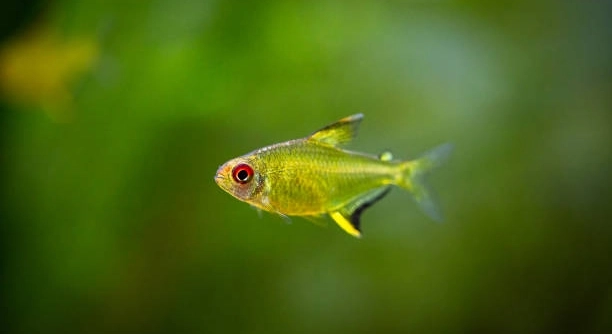
Lemon tetras are small, lively fish that brighten any aquarium with their vibrant color. Many fish keepers notice their yellow hues sometimes fade, which can make the tank look dull and less lively over time.
Improving the color of lemon tetras primarily involves providing a balanced diet, maintaining optimal water conditions, controlling lighting, minimizing stress, and ensuring proper tank mates. These combined factors enhance pigmentation and overall health, producing brighter, more vivid coloration in these fish.
Understanding these simple adjustments can make a noticeable difference in your tetras’ appearance. The following tips will help you create a healthier, more colorful environment for them.
Feed a Varied and High-Quality Diet
Lemon tetras show their best color when they receive a nutritious and varied diet. Offering foods rich in carotenoids, like spirulina flakes, brine shrimp, and daphnia, enhances their yellow pigmentation naturally. Avoid overfeeding, as excess food can cloud the water and stress the fish. It’s also helpful to rotate different foods daily to prevent nutritional gaps. Homemade or frozen options can supplement dry flakes and pellets, providing fresh protein and vitamins. I noticed a clear difference in my own tank after introducing small portions of live foods twice a week. Consistency matters; sudden changes in diet can temporarily stress the tetras and dull their color. Balanced nutrition supports both health and vibrancy, making them more active and visible in the aquarium. Over time, proper feeding habits create a long-lasting improvement in the yellow hues, keeping your tank looking lively and colorful.
A varied diet with the right nutrients directly strengthens pigment expression and overall vitality in lemon tetras.
Proper feeding is essential for keeping lemon tetras lively. Combining dry, frozen, and live foods encourages both health and bright coloration.
Maintain Stable Water Conditions
Stable water parameters are critical for vibrant lemon tetras. Fluctuating temperature, pH, or hardness can stress the fish and cause color fading. A temperature range between 22–28°C and slightly acidic to neutral pH supports their natural environment. Regular water changes and using a reliable filter help remove waste and keep ammonia, nitrite, and nitrate levels safe. Monitoring these parameters with test kits prevents problems before they affect the fish. I found that consistent water changes twice a week made the colors pop much faster than occasional corrections. Tank decorations like plants or driftwood can also buffer minor fluctuations, providing a more stable habitat. When the water environment remains consistent, lemon tetras display their full yellow brilliance and stay healthy. Even small improvements, like adjusting lighting schedules or avoiding overstocking, enhance stability. The fish thrive and their coloration improves steadily when conditions remain predictable and clean, making the aquarium a brighter, calmer space overall.
Provide Proper Lighting
Lemon tetras benefit from consistent, moderate lighting. Too little light dulls their color, while too much can stress them. A regular 8–10 hour light cycle enhances yellow pigmentation and encourages normal activity. I adjusted my tank’s lighting gradually, and the change in color was noticeable within a few weeks.
Controlled lighting strengthens the fish’s natural hues by simulating their typical daylight cycle. Using full-spectrum aquarium lights helps bring out vibrant colors, while plants and decorations can reduce harsh exposure. Avoid placing the tank in direct sunlight, which may overheat water and encourage algae growth. Gradually adjusting light intensity allows tetras to acclimate and maintain healthy color. Proper lighting supports metabolism and feeding behavior, indirectly contributing to overall vibrancy. I noticed my tetras swimming more confidently and displaying brighter yellow tones when the lighting was consistent.
Lighting consistency also interacts with diet and water quality. Bright, stable light emphasizes pigments already supported by nutrition. Combining light control with clean water and quality food helps maintain optimal coloration. My experience shows small changes, like shifting light timing or adding floating plants, can improve yellow brightness noticeably over time.
Reduce Stress in the Aquarium
Stress directly impacts coloration, weakening the yellow hues of lemon tetras. Avoid sudden water changes, overcrowding, or aggressive tank mates. Keeping a calm environment allows tetras to display their natural brightness. Observing their behavior often signals when adjustments are needed.
Minimizing stress involves careful tank management. Sudden temperature shifts, incompatible fish, or excessive handling can trigger color fading. Providing hiding spots with plants or small decorations helps fish feel secure and reduces tension. I made sure my tetras had plenty of cover, and their colors became more vivid within weeks. Gradual acclimation during water changes and avoiding loud noises or vibrations also support a calm habitat. Peaceful tank mates are important because chasing or nipping diminishes both color and health. Maintaining proper stocking levels prevents overcrowding and allows tetras to swim freely. Stable conditions combined with low-stress surroundings promote brighter, more consistent yellow coloration.
Stress reduction complements diet, lighting, and water stability. A calm environment allows lemon tetras to invest energy in coloration rather than survival. My own tank improved dramatically after I rearranged decorations for hiding spots and separated more aggressive species. Over time, calmer conditions created healthier, more colorful fish, showing that reducing stress has long-term benefits for their appearance.
Choose Compatible Tank Mates
Lemon tetras show their best color when they are not stressed by aggressive fish. Peaceful species that occupy different areas of the tank prevent chasing and bullying. I kept mine with small rasboras and snails, which created a calm environment.
A calm tank allows tetras to swim freely and display their natural yellow tones. Overcrowding or incompatible fish can cause stress, leading to dull coloration. I noticed immediate improvement after separating more aggressive tank mates, which reduced hiding and constant fleeing. Choosing peaceful companions supports both health and brightness.
Maintain Proper Tank Size
A larger tank gives lemon tetras space to swim and reduces stress. Crowded conditions cause aggression and stress-related color fading, while a roomy tank encourages natural schooling behavior and vibrant display. I upgraded my tank from 10 to 20 gallons, and the difference was clear in their yellow hues.
Use Natural Decorations
Plants and driftwood not only enhance the aquarium visually but also provide shelter. Hiding spots reduce stress and encourage natural behavior, which helps tetras maintain their bright yellow color. Adding live plants improved my tank’s overall look and the tetras’ confidence.
FAQ
How often should I feed my lemon tetras?
Feeding frequency matters for both health and color. Lemon tetras do best with small portions two to three times daily. Overfeeding can cloud the water and stress the fish, while underfeeding can dull pigmentation. I noticed brighter yellow tones when I adjusted feeding to smaller, consistent amounts. Variety in their diet also matters, combining flakes, frozen foods, and occasional live foods to enhance their natural hues. Maintaining a balanced diet ensures both vitality and coloration, and keeping a routine prevents unnecessary stress from irregular feeding schedules.
Can water temperature affect coloration?
Yes, temperature has a direct impact on pigmentation. Lemon tetras thrive between 22–28°C. Temperatures below or above this range can weaken their color and affect activity levels. I monitored my tank with a thermometer, keeping fluctuations minimal, and the yellow tones improved steadily. Stable water also supports digestion and metabolism, which indirectly strengthens color. Sudden changes, even for a few hours, can stress the fish, causing fading. Combining stable temperature with proper nutrition and low-stress tank mates maximizes natural vibrancy.
Do certain foods improve yellow coloration?
Foods high in carotenoids are the most effective for enhancing yellow hues. Brine shrimp, daphnia, and spirulina flakes work well. I noticed a visible difference after feeding frozen brine shrimp twice a week. Color-boosting foods support pigment cells, while plain flake-only diets often leave fish looking pale. Rotating foods prevents nutritional gaps and keeps tetras healthy. Supplements can be added occasionally, but natural sources remain the most effective. Feeding these foods consistently is key to maintaining long-lasting, bright yellow coloration.
How important is tank size for their color?
Tank size directly affects stress levels and behavior. Lemon tetras are active swimmers that need space to school comfortably. In smaller tanks, they can become stressed, leading to faded colors and reduced vitality. I upgraded from a 10-gallon to a 20-gallon tank, and their yellow coloration became noticeably brighter within weeks. More swimming room also reduces competition for food and hiding spots, further supporting natural pigmentation. A properly sized tank combined with consistent water quality ensures they maintain vibrant yellow tones.
Can lighting affect their brightness?
Yes, lighting plays a crucial role. Moderate, consistent light for 8–10 hours daily enhances yellow pigmentation. I adjusted my tank lighting gradually, and the tetras’ colors became richer. Direct sunlight should be avoided, as it can overheat the water and cause algae growth. Full-spectrum aquarium lights highlight natural hues and support plant growth, which in turn reduces stress. Consistent light cycles encourage normal activity and feeding behavior, both of which contribute to better coloration. Floating plants or shaded areas also help balance intensity for calmer fish.
How do tank mates influence color?
Aggressive or nippy tank mates cause stress, which dulls coloration. I kept my tetras with peaceful fish like small rasboras and snails, and their yellow became more vivid. Hiding spots reduce conflict, letting tetras swim confidently and display natural pigment. Overcrowding also lowers brightness, so proper stocking is essential. Choosing compatible species and observing interactions regularly ensures a calm, vibrant tank environment. Stress-free fish maintain energy to support pigmentation, leading to brighter, healthier lemon tetras over time.
Are water changes necessary for maintaining color?
Regular water changes are essential. I perform partial water changes twice weekly to maintain clarity and remove toxins. Clean water supports both health and coloration by preventing stress from poor water quality. Ammonia, nitrite, and nitrate levels should be monitored to avoid subtle problems that affect pigment expression. Consistent water maintenance combined with diet, lighting, and stress reduction produces noticeable improvements in yellow tones. Skipping changes can lead to dull, faded fish and sluggish behavior, even if other care aspects are correct.
Can plants and decorations boost coloration?
Yes, natural decorations provide shelter and reduce stress. I added live plants and driftwood, which gave the tetras hiding spots and calmer swimming areas. Stress reduction allows energy to go toward pigmentation rather than survival. Plants also improve water quality by absorbing nitrates, indirectly enhancing color. Floating plants can moderate lighting intensity, preventing stress while promoting natural activity. A well-decorated tank encourages confidence, resulting in brighter yellow coloration that is more consistent across all fish.
How long does it take to see color improvements?
Changes can be gradual. With proper diet, lighting, water quality, and stress management, I noticed visible differences in two to three weeks. Full color enhancement may take a few months, depending on individual fish and their starting condition. Patience and consistency in care are essential for lasting results. Sudden changes rarely improve color and can create stress instead. Tracking progress weekly helps adjust care without overwhelming the fish, ensuring steady improvement in yellow hues.
Is stress the main reason for faded color?
Stress is a major factor, though not the only one. I observed that even healthy tetras with good diet and lighting faded when tank mates were aggressive or water conditions fluctuated. Providing hiding spots, calm companions, and stable water dramatically improved brightness. Stress reduction allows pigment cells to function optimally, leading to more vivid yellow coloration. Managing all environmental factors together ensures that tetras maintain both health and color naturally, without the need for artificial boosters or chemicals.
Lemon tetras are small fish with surprisingly bright personalities and colors. Keeping their yellow hues vibrant requires more than just feeding them and turning on a light. Their color responds to several factors in the aquarium environment, including diet, water quality, lighting, stress levels, and tank companions. Each of these elements plays a role in whether the fish display their natural brilliance or appear pale and muted. From my experience, the most noticeable improvements come when multiple aspects of care are addressed together rather than focusing on just one. A balanced diet rich in carotenoids, combined with consistent water conditions, provides a solid foundation for strong pigmentation. High-quality food encourages natural color expression, while stable water minimizes stress and keeps metabolism steady. It is easy to overlook small water fluctuations or minor nutritional gaps, but these can gradually dull the tetras’ yellow tones over time.
Lighting and the overall aquarium setup also influence their appearance. Lemon tetras benefit from moderate, consistent lighting that mimics their natural environment. Too much light can be overwhelming and cause stress, while too little prevents full color expression. Adding natural decorations such as plants and driftwood helps in multiple ways: they provide hiding spaces, buffer minor water fluctuations, and create a more natural, calming environment. Calm fish display their colors more fully, and the tank looks more lively overall. Tank size and companions matter as well. Crowded or aggressive fish increase stress and reduce color, whereas peaceful, compatible species allow lemon tetras to swim freely and show their brightest yellow hues. Over time, even small adjustments—like rearranging plants, adding hiding spots, or adjusting lighting schedules—can make a noticeable difference in how vivid the tetras appear.
Patience and consistency are key. Changes in color don’t happen overnight, but regular attention to diet, water conditions, lighting, stress management, and tank compatibility produces lasting results. I observed that maintaining a calm and balanced environment consistently allowed my lemon tetras to gradually regain brightness, with the effect becoming more obvious week by week. Sudden changes or attempts to force color with supplements alone rarely work and can create stress, undermining overall health. By focusing on a holistic approach to care, it is possible to support both the wellbeing and coloration of lemon tetras. In the end, a carefully maintained aquarium produces healthier, more active fish that display their natural yellow color vividly, making the tank a more enjoyable and visually appealing space.

Hello,
If you enjoy the content that we create, please consider saying a "Thank You!" by leaving a tip.
Every little bit helps us continue crafting quality advice that supports the health, happiness, and well-being of pets around the world, for pets of all shapes, sizes, and species.
We really appreciate the kindness and support that you show us!