
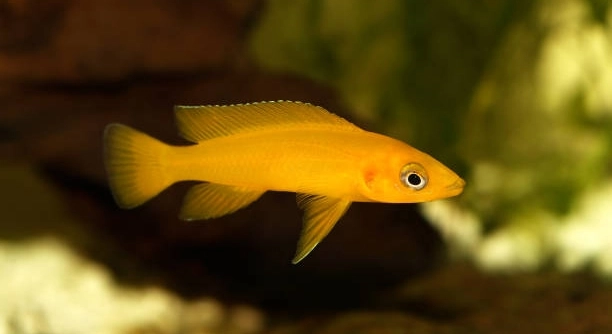
Overfeeding lemon tetras is a common mistake among fish owners who want their pets to grow healthy and lively. Giving too much food can quickly lead to problems in their small, delicate aquarium environment.
Overfeeding lemon tetras can cause digestive issues, poor water quality, stunted growth, weakened immunity, obesity, increased aggression, and a higher risk of disease. These consequences collectively threaten the health and lifespan of these delicate freshwater fish.
Knowing the risks of overfeeding can help you manage your aquarium more effectively. Small changes in feeding habits make a big difference for the well-being of your lemon tetras.
Digestive Issues
When lemon tetras are overfed, their small digestive systems can struggle to process excess food. Uneaten food sinks to the bottom of the tank and begins to decompose, producing harmful bacteria. This can lead to bloating, constipation, and other digestive problems. Over time, fish may show signs of discomfort, such as floating near the surface or hiding more often. Feeding the right amount ensures that their intestines work properly and reduces the risk of blockages. Observing your tetras’ behavior after meals can help you adjust portion sizes. Small, frequent feedings are better than one large feeding, allowing the fish to digest food efficiently. It also prevents leftover food from polluting the water. Fish with healthier digestion are more active, display better coloration, and are less prone to disease. Adjusting your feeding routine can prevent these issues and support the overall health of your lemon tetras. Consistency and moderation are key to avoiding long-term health problems in the aquarium.
Digestive problems often appear gradually, making it important to monitor your fish’s habits daily.
Watching your lemon tetras eat carefully allows you to notice early signs of bloating or sluggish behavior. Adjusting food types, such as incorporating flake, freeze-dried, or live food, helps maintain proper digestion. Removing uneaten food promptly keeps the tank cleaner and prevents bacteria buildup. Overfeeding may also disturb the balance of gut bacteria, making fish more prone to infections. Maintaining a feeding schedule and offering controlled portions ensures that each tetra receives enough nutrients without stressing their digestive system. Over time, small, consistent portions promote regular digestion, more energy, and healthier growth.
Poor Water Quality
Excess food breaks down in the tank, leading to higher ammonia and nitrite levels. This stresses your lemon tetras.
High levels of decomposing food increase toxins in the water, which can cause cloudy water, algae growth, and dangerous spikes in ammonia and nitrite. These chemicals irritate gills, making breathing harder and weakening the fish’s immune system. Poor water quality can lead to frequent illness and increase susceptibility to infections. Filtration can help, but it cannot fully compensate for overfeeding. Regular water changes are necessary to maintain a safe environment. Monitoring water parameters ensures your tetras remain in a healthy habitat. Preventing leftover food from accumulating is the most effective way to keep water clean and stable. Keeping a consistent cleaning routine supports the overall health of the tank and promotes natural behavior. Limiting food portions and removing uneaten food promptly helps avoid water contamination, keeps ammonia and nitrite levels in check, and creates a stable environment that encourages your lemon tetras to thrive.
Stunted Growth
Overfeeding lemon tetras may seem like it would help them grow faster, but it often has the opposite effect. Excess food can interfere with proper nutrient absorption, leading to slower growth and weaker development.
Too much food in the tank causes digestive strain, which prevents fish from properly utilizing essential vitamins and minerals. Overfed tetras may appear plumper but lack real growth in size and strength. Nutrient imbalance also affects organ development and energy levels. Providing small, balanced portions ensures that each fish receives the nutrients it needs without overloading the system. Stunted growth can make fish more vulnerable to disease and reduce their overall lifespan. Regularly monitoring feeding amounts and adjusting based on fish size and activity helps maintain healthy development and prevents the hidden consequences of overfeeding.
Consistent overfeeding can also lead to uneven growth among tetras in the same tank. Some fish may eat more aggressively, while others fall behind, creating disparities in size and vitality.
Weakened Immunity
Overfeeding puts stress on lemon tetras, which directly affects their immune system. Excess food can lead to internal imbalances that make fish less resistant to infections and disease.
When fish digest too much food, their metabolism is constantly working overtime. This stress reduces their ability to fight off pathogens effectively. Poor water quality from leftover food also exposes tetras to harmful bacteria and parasites, further weakening immunity. Fish with compromised immune systems may develop frequent infections, slower healing, or chronic health issues. Feeding moderate amounts and maintaining a clean tank are crucial for supporting natural immune defenses. Proper nutrition, paired with controlled feeding schedules, strengthens resistance to common freshwater diseases and promotes overall vitality. Over time, a balanced feeding routine helps lemon tetras remain energetic, vibrant, and more capable of recovering from minor health challenges.
Obesity
Overfeeding lemon tetras can quickly lead to excess weight. Obese fish may struggle to swim properly, appear bloated, and show reduced activity.
Obesity also stresses internal organs, making tetras more prone to disease. Maintaining controlled feeding helps prevent unnecessary weight gain and keeps fish healthy.
Increased Aggression
Excess food can trigger competition among lemon tetras. Overfed fish may become more territorial or nippy toward tank mates. This behavior can disrupt the peaceful balance in a community tank.
Higher Risk of Disease
When lemon tetras are overfed, leftover food decays in the tank, encouraging bacterial growth. This environment increases the likelihood of infections such as fin rot and internal parasites. Poor nutrition from overeating also weakens natural defenses, making fish more susceptible to illnesses. A consistent feeding routine and prompt removal of uneaten food are essential to reduce disease risk. Balanced portions strengthen immunity, support digestive health, and maintain water quality. Over time, careful feeding practices help tetras stay vibrant, active, and less vulnerable to frequent health issues caused by poor tank conditions or nutritional overload.
Water Contamination
Uneaten food rapidly decays, releasing toxins like ammonia into the water. This creates a hazardous environment for lemon tetras and other tank inhabitants.
How often should I feed my lemon tetras?
Lemon tetras do best with small, controlled portions. Feeding them once or twice a day is usually sufficient. Overfeeding can cause digestive issues, obesity, and poor water quality. The goal is to provide just enough food for them to finish in a few minutes. Observing their eating habits helps you adjust portions as needed. Smaller, frequent feedings are better than one large meal because it reduces stress on their digestive system and minimizes leftover food. Controlled feeding also encourages natural activity, keeps them healthier, and maintains a cleaner tank environment.
What types of food are best for lemon tetras?
A varied diet is important for lemon tetras. Flakes or pellets formulated for small tropical fish provide essential nutrients. Adding live or frozen foods like daphnia, brine shrimp, or bloodworms can improve color and vitality. Vegetables such as blanched spinach or zucchini can also be offered occasionally. Avoid overfeeding high-protein foods in excess, as this can lead to bloating and digestive problems. Mixing food types ensures that tetras receive vitamins, minerals, and proteins needed for growth and immune health. Proper food selection contributes to longer lifespan, vibrant color, and more active behavior in the aquarium.
How do I know if I am overfeeding my fish?
Overfeeding signs include uneaten food sinking to the tank bottom, cloudy water, and bloated or lethargic fish. Fish may also appear restless or compete aggressively during feeding. Monitoring how much your tetras eat in a few minutes is a practical approach. Adjust portions based on consumption. If leftover food remains after feeding, reduce the amount next time. Observing their body shape and behavior over time helps you spot chronic overfeeding. Clear water, active fish, and minimal leftover food indicate a healthy feeding routine. Consistency in portion control is key to avoiding digestive issues, water contamination, and other related problems.
Can overfeeding affect water quality?
Yes, overfeeding is one of the main causes of poor water quality in aquariums. Uneaten food decomposes, producing ammonia and nitrite, which are toxic to fish. High nutrient levels can also trigger algae blooms, reduce oxygen, and stress the fish. Frequent water testing and partial water changes are important, but the most effective prevention is controlling feeding amounts. Removing leftover food immediately reduces the buildup of toxins. Proper feeding ensures stable water conditions, which keeps lemon tetras healthier and lowers the risk of disease. Maintaining a balanced environment supports both the fish and the overall aquarium ecosystem.
What can I do if my tetras are already overfed?
If your tetras have been overfed, start by reducing portion sizes immediately. Remove any leftover food to prevent further water contamination. Conduct partial water changes to lower ammonia and nitrite levels. Monitor fish for signs of bloating, sluggishness, or digestive issues. Adjust feeding schedules to smaller, controlled amounts, and avoid high-protein foods until fish return to normal health. Providing high-quality, easily digestible food helps their digestive system recover. Observing fish behavior and water quality closely over the next few days is crucial. Consistency in feeding and tank maintenance will help restore their health gradually and prevent future overfeeding problems.
Is it necessary to fast my lemon tetras occasionally?
Occasional fasting can be beneficial for lemon tetras. Skipping a feeding once a week allows their digestive system to process remaining food completely and prevents bloating. Fasting does not harm healthy fish and can improve digestion and nutrient absorption. This practice also helps prevent excess waste from contaminating the tank. Combining fasting with controlled daily feeding supports long-term health and stability in the aquarium. It reduces stress, improves immune function, and ensures that fish do not become overweight. Fasting is a simple but effective step to maintain both fish health and water quality over time.
How can I prevent overfeeding in the future?
Preventing overfeeding starts with measuring portions. Use a small spoon or your fingers to provide only what the fish can finish in two to three minutes. Maintain a consistent feeding schedule and vary the diet to include flakes, frozen, or live foods. Monitor fish behavior and body condition regularly. Avoid free-feeding or leaving food in the tank for extended periods. Educating yourself about proper nutrition and aquarium maintenance helps prevent the common issues associated with overfeeding. Consistency, moderation, and observation are essential for keeping lemon tetras healthy, active, and thriving in a clean, balanced environment.
Can overfeeding cause long-term health problems?
Yes, chronic overfeeding can lead to obesity, stunted growth, weakened immunity, and higher susceptibility to diseases. Continuous digestive stress and poor water quality can reduce lifespan and affect behavior. Early intervention and proper feeding habits prevent these long-term consequences. Monitoring portions and water parameters regularly ensures fish remain healthy. Gradually adjusting feeding routines helps restore normal growth and vitality. Maintaining a balanced diet and stable tank environment supports overall well-being, reduces stress, and minimizes the risk of recurring health issues. Long-term care and feeding control are essential for lemon tetras to live a full, healthy life in captivity.
What is the best way to feed multiple tetras in a community tank?
Feed small, evenly distributed portions so all fish can access food without competition. Observe how each fish eats and adjust quantities to prevent overeating by more aggressive individuals. Remove uneaten food promptly. Balanced feeding reduces stress and maintains water quality in a community tank.
Overfeeding lemon tetras is a surprisingly common issue, but it is also one of the easiest to manage with proper awareness and habits. Many fish owners want to see their tetras grow quickly and appear lively, so it is natural to offer extra food. However, too much food can lead to a range of problems, from digestive issues to stunted growth, obesity, and weakened immunity. Observing your fish during feeding and providing only what they can consume in a few minutes helps prevent these problems. Using small, measured portions ensures that each fish receives enough nutrients without overloading the system. Over time, consistent feeding practices make a significant difference in the overall health and vitality of your tetras, as well as the cleanliness and stability of the tank environment.
Maintaining a healthy diet is not just about the amount of food but also about variety and quality. Lemon tetras benefit from a mix of flakes, pellets, and occasional live or frozen foods like daphnia, brine shrimp, or bloodworms. Including plant-based foods such as blanched spinach or zucchini every now and then adds fiber and helps digestion. A balanced diet supports proper growth, bright coloration, and strong immunity, reducing the likelihood of disease. Coupled with controlled feeding amounts, a well-rounded diet ensures that your tetras stay energetic and healthy. It also reduces the risk of leftover food decomposing in the tank, which can cause water contamination and stress the fish. Paying attention to both diet and feeding habits creates a stable, clean, and safe environment where your lemon tetras can thrive.
Proper feeding practices also have a long-term impact on your aquarium ecosystem. Overfeeding not only affects the fish but can also disrupt water quality and increase maintenance needs. Excess food decomposes quickly, raising ammonia and nitrite levels, which are harmful to tetras and other tank inhabitants. Maintaining regular water changes, monitoring water parameters, and promptly removing uneaten food are essential practices that complement controlled feeding. Occasionally allowing a day of fasting can also support digestion and help prevent bloating or constipation. By focusing on moderation, consistency, and observation, you can reduce the risks associated with overfeeding and ensure that your lemon tetras enjoy a balanced, healthy life. These steps not only protect the fish but also create a cleaner, more stable aquarium that is easier to maintain and more enjoyable to watch over time.

Hello,
If you enjoy the content that we create, please consider saying a "Thank You!" by leaving a tip.
Every little bit helps us continue crafting quality advice that supports the health, happiness, and well-being of pets around the world, for pets of all shapes, sizes, and species.
We really appreciate the kindness and support that you show us!