
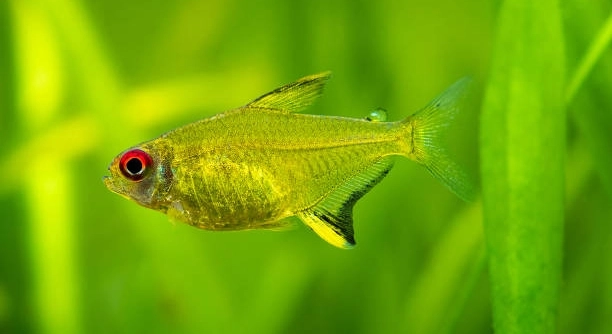
Lemon tetras are small, vibrant fish that bring life to any freshwater aquarium. Their active swimming patterns and bright coloration make them a favorite among hobbyists looking for peaceful, visually appealing companions. Observing their behavior can be quite rewarding.
Lemon tetras can respond positively to routine-based training, particularly when food incentives are consistently used. Regular, predictable interactions help them recognize patterns, allowing them to anticipate feeding times and engage in simple behaviors. Training success depends on patience and repetition.
Understanding how routine affects their behavior can enhance your experience as an aquarium owner. Observing their learning process adds a subtle, rewarding dynamic to daily care.
Understanding Lemon Tetra Behavior
Lemon tetras are naturally social fish that thrive in small schools. Their behavior is influenced by water conditions, tank size, and companions. I have noticed that they respond to consistent feeding schedules, which seems to create a sense of security. They explore their environment actively, often inspecting plants, decorations, and surfaces. Recognizing their patterns helps in establishing routines. For instance, they tend to gather near the feeding area when they anticipate food, signaling they can learn simple cues. Their small size and quick movements mean training must be patient and consistent. Sudden changes in water temperature or lighting can make them skittish, so a calm environment is essential. While they may not perform complex tricks, repeated exposure to specific routines encourages predictable behavior. By observing their subtle responses, owners can strengthen the bond with these delicate, lively fish and improve overall tank harmony.
Routine feeding creates predictability, which can increase their willingness to interact with owners and recognize cues in the tank environment.
In my experience, small rewards like tiny flakes or frozen food pieces work best for teaching lemon tetras. Repeating simple tasks daily, such as approaching a finger or swimming to a specific area for feeding, reinforces their learning. Over time, they can learn to associate movements or signals with mealtime. Maintaining consistent timing and using the same feeding method each day enhances their understanding. It’s important not to overwhelm them; short, consistent sessions are more effective than long, sporadic attempts. Observing their reactions closely allows adjustments to the routine, ensuring it aligns with their natural behavior. Gradual changes in routine help prevent stress while encouraging adaptability. As the tetras start responding reliably, it becomes rewarding to see the small but clear signs of learning. This approach strengthens their sense of familiarity with the tank and fosters a calmer, more interactive environment for both the fish and the caretaker.
Implementing a Training Routine
Start by establishing a fixed feeding schedule and using the same feeding area daily.
Consistent timing is the foundation of successful routine training. I typically feed my lemon tetras twice a day at the same hours, which allows them to anticipate meals. Introducing simple cues, like tapping near the tank or placing a hand in a specific spot, helps them connect the signal with food. Small, manageable rewards are key; overfeeding can harm their health, so tiny portions are sufficient to reinforce behaviors. Each session should be brief, about five to ten minutes, focusing on one action at a time. Gradual repetition strengthens recognition, making them more responsive without causing stress. Over days, the fish learn to approach the designated area or respond to subtle gestures, demonstrating that routine can shape their behavior effectively. A calm environment, stable water conditions, and patient repetition enhance the learning process, ensuring the tetras remain healthy and engaged while developing predictable, trainable patterns. Consistency and observation are the most important factors in achieving reliable results.
Tools and Techniques for Training
Small, precise cues work best when training lemon tetras. Repetition is key. Using food as a reward helps them associate signals with actions. Patience and observation improve the effectiveness of each session, and short, consistent training periods yield better results than long, irregular attempts.
I have found that using tweezers or feeding sticks makes it easier to guide tetras to a specific location. Offering tiny flakes or frozen food pieces immediately after they respond reinforces learning. Gradually, they start associating the cue with the reward, showing predictable behavior. Avoid rushing; these fish learn slowly and need calm, uninterrupted sessions. Recording their responses over a week can help identify patterns and improve the routine. Environmental consistency, such as stable lighting and temperature, is also crucial. By paying attention to subtle changes in movement or positioning, training sessions can become more effective, leading to reliable responses over time.
Consistency in technique prevents confusion and stress. I always keep the same cues and feeding location. Changing methods too often disrupts learning. Observing their reactions helps fine-tune the approach, making each session more efficient and rewarding for both the tetras and myself. Gradual, steady practice creates reliable behaviors without overwhelming the fish. Patience and commitment are essential.
Common Challenges and Solutions
Lemon tetras can become stressed if training is inconsistent or the tank environment changes suddenly. Stress may cause hiding, erratic swimming, or refusal to eat. Managing these factors is essential to maintain their health and willingness to engage with routine.
Sometimes, tetras ignore cues if they are distracted or the tank is overcrowded. Separating them into smaller groups temporarily or reducing decorations that block visibility can improve focus. Overfeeding or using large rewards can also reduce motivation, so tiny, precise portions work best. Observing each fish individually helps identify which ones need more attention, and adjusting session length prevents fatigue. Gradual changes in the routine, combined with consistent cues, allow the fish to learn without stress. Over time, these adjustments lead to predictable, responsive behavior, demonstrating that patience and careful observation are key in overcoming common training challenges.
Benefits of Routine Training
Routine training helps lemon tetras develop predictable behaviors. They learn to associate cues with feeding and movement. Consistent interaction reduces stress and encourages active participation in the tank, making daily care easier and more enjoyable.
Regular routines strengthen observation skills. Watching how tetras respond provides insights into their preferences and health. Predictable schedules also improve overall tank harmony.
Timing and Frequency
Short, consistent sessions work best for lemon tetras. I usually train them twice a day for five to ten minutes. Overly long sessions can cause stress, while irregular timing slows learning. Maintaining a predictable schedule helps the fish anticipate cues and rewards effectively, reinforcing desired behaviors.
Monitoring Progress
Keeping track of responses allows adjustments in training. Observing which cues work and noting reactions helps refine routines for better results. Small, steady improvements show the effectiveness of consistent practice.
FAQ
Can lemon tetras really learn simple routines?
Yes, lemon tetras can learn simple routines, especially when consistent cues and feeding schedules are used. I noticed that repeated exposure to the same signals helps them recognize patterns. While they don’t perform complex tricks, they can reliably respond to food incentives or swim to a specific area when prompted. Patience and short sessions are crucial. Sudden changes in water conditions or tank layout can disrupt learning, so maintaining a stable environment ensures they remain responsive.
How long does it take for lemon tetras to respond to training?
Response time varies depending on the individual fish and consistency of the routine. In my experience, small groups often show noticeable responses within one to two weeks of daily short sessions. Some tetras may take longer, especially if they are naturally shy or stressed. Consistency is key; using the same cues, timing, and rewards helps them understand expectations. Training sessions should be brief—five to ten minutes—so the fish remain attentive without becoming overwhelmed or fatigued.
What rewards work best for lemon tetras?
Tiny food portions, such as small flakes, micro pellets, or frozen food, work best. I have found that large rewards can reduce motivation and lead to overeating. The goal is to reinforce behavior without overfeeding. Using tweezers or a feeding stick allows precise delivery and helps the fish associate the reward with the cue. Immediate rewards are essential, as tetras link the action with the outcome quickly when reinforcement is consistent. Gradually, they start performing the behavior reliably even with minimal prompting.
Can environmental factors affect training success?
Absolutely. Lemon tetras are sensitive to water quality, temperature, lighting, and tank setup. Inconsistent conditions can make them skittish and less likely to respond. I always maintain stable parameters and a calm environment. Overcrowding or sudden movements around the tank can distract them. Clear visibility of the cue and feeding area improves learning. Maintaining plants or decorations in predictable locations ensures the fish feel secure while following training cues. Small, stable adjustments over time prevent stress and support consistent behavior development.
Is it necessary to train all fish in the tank?
Not necessarily. Training can be done with individual fish or small groups. I usually focus on a few tetras at a time, as it is easier to observe their responses and adjust cues. Over time, other fish often follow the same patterns by observing trained companions. Trying to train the entire school at once can cause confusion or stress. Focused sessions with attention to each fish’s reactions allow for steady progress. Some individuals may require extra patience, while others quickly learn to respond consistently.
What if a fish stops responding to cues?
A fish may stop responding due to stress, illness, or environmental changes. I first check water quality, tank temperature, and feeding routines. Reducing distractions and shortening session length often helps. Sometimes, switching the type of food or slightly adjusting the cue can renew their attention. Consistency, patience, and observation are key. Avoid forcing behavior, as stress can reverse progress. Gradual reinforcement and monitoring each fish’s comfort level ensures they continue to engage positively over time.
Can training affect their health?
Proper training should not negatively impact health. I ensure sessions are short, food rewards are small, and water conditions are optimal. Overfeeding or prolonged, stressful sessions can harm them. Observing their behavior, swimming patterns, and appetite gives early warning signs of stress or illness. Training becomes part of daily care rather than an added burden, promoting activity and engagement in a healthy way. Predictable routines can even reduce anxiety and improve overall well-being.
Are all lemon tetras equally trainable?
Individual differences matter. Some tetras are naturally more responsive, while others are shy or cautious. I noticed that younger, active fish often learn faster, while older or timid ones require more patience. Observing each fish’s personality allows tailoring of cues and rewards. Consistent repetition and calm, positive sessions maximize learning potential for every fish in the tank.
Final Thoughts
Lemon tetras are small, lively fish that respond well to consistent care and routine. Observing their behavior closely reveals patterns that can be reinforced through simple training methods. Establishing a predictable schedule for feeding and interaction helps them feel secure and encourages engagement. In my experience, small, repeated actions are more effective than sporadic, lengthy attempts. Even brief sessions, if done consistently, allow the fish to learn basic responses such as swimming to a specific area for food or reacting to subtle cues. This type of training not only improves their behavior but also makes daily tank maintenance smoother and more predictable. Predictable routines reduce stress and promote a healthier, more active environment for the tetras.
Using food as a reward is a reliable way to reinforce behavior. Tiny flakes, micro pellets, or small frozen food pieces delivered immediately after the desired action create a clear connection between behavior and outcome. I have found that overfeeding or inconsistent rewards can confuse the fish and slow their progress. Tools like tweezers or feeding sticks can help provide precise reinforcement while keeping interactions calm. Maintaining stable water conditions, appropriate temperature, and a clean tank environment is essential during training, as any sudden change can stress the fish and interrupt learning. Gradual introduction of new cues ensures the fish remain comfortable while learning. By focusing on patience, consistency, and observation, even small tetras can demonstrate reliable responses over time.
Training lemon tetras is not about complex tricks but about improving predictability and interaction. Each fish may respond differently, requiring adjustments based on personality and temperament. Some are naturally curious and adapt quickly, while others are cautious and need repeated exposure. Short, consistent sessions and careful observation allow gradual progress without causing stress. Over time, routines help the fish associate feeding and interaction with positive outcomes, creating a calm and engaging tank environment. Implementing structured routines can enhance the caretaker’s experience, allowing for a better understanding of each fish’s behavior and preferences. Attention to detail, patience, and a gentle approach ensure the tetras remain healthy, active, and responsive, making routine training a rewarding aspect of aquarium care.

Hello,
If you enjoy the content that we create, please consider saying a "Thank You!" by leaving a tip.
Every little bit helps us continue crafting quality advice that supports the health, happiness, and well-being of pets around the world, for pets of all shapes, sizes, and species.
We really appreciate the kindness and support that you show us!