
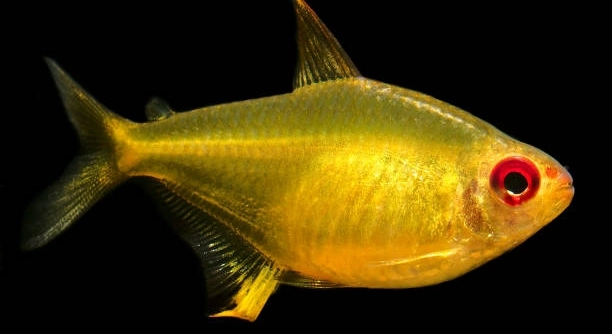
Lemon tetras are small, colorful fish that brighten up any freshwater aquarium. Observing their behavior can sometimes feel puzzling, as they display unusual patterns that may seem strange to new fish keepers in a home setting.
Many behaviors exhibited by lemon tetras, such as hiding frequently, swimming in tight groups, or occasionally nipping fins, are normal and indicate natural instincts. These actions reflect their social structure, stress response, and communication methods within a safe aquatic environment.
Understanding these habits will help you care for your fish more effectively and create a comfortable, healthy aquarium environment for them.
Hiding in Plants
Lemon tetras often retreat into dense plants or decorations in the aquarium. This is a natural behavior that helps them feel secure. They are small, prey-like fish, and hiding reduces stress. Even in a peaceful tank, they may suddenly dart into plants when they sense movement or shadows. Observing them while they hide can give insight into their social interactions. Often, dominant fish may chase others briefly, prompting a hiding response. Providing tall plants, caves, or floating greenery creates an environment where they feel safe. Over time, shy tetras may start exploring more openly, but the hiding instinct never fully disappears. Hiding also allows them to rest and avoid overexertion. Juveniles may hide more frequently as they adapt to a new aquarium. Recognizing this habit as normal helps prevent unnecessary concern. Adjusting tank layout can balance hiding spots and open swimming areas for comfortable coexistence.
This behavior is completely normal and shows that your tetras feel secure in their environment.
Encouraging a mix of hiding spots and open swimming spaces supports their natural instincts. It reduces stress and promotes healthier, more active fish.
Swimming in Tight Schools
Lemon tetras prefer staying in close groups rather than swimming alone. This schooling behavior makes them feel protected and reduces anxiety in the aquarium.
Swimming in tight schools is essential for their safety and social structure. When a few fish break formation, it is often a sign of temporary curiosity or mild stress.
Maintaining a small group of at least six tetras helps them feel confident. Tight schooling also allows them to coordinate movements and respond to changes in the tank together. When introducing new fish, observe how they integrate with the existing group. Avoid keeping lemon tetras in isolation, as this can increase stress and lead to illness. Feeding time may briefly break the school, but they quickly regroup afterward. Proper tank size ensures that schooling remains comfortable without overcrowding. A well-planted tank encourages natural movement, giving them both hiding spots and open areas to swim in formation. Over time, the synchronized swimming becomes a fascinating display of their instincts. Watching their coordination provides insight into how they communicate through subtle cues.
Nipping at Fins
Lemon tetras occasionally nip at each other’s fins, especially during feeding or when establishing hierarchy. This is a normal social behavior and usually does not cause harm if the tank is well-maintained and not overcrowded.
Fin nipping is often a way for lemon tetras to assert dominance or communicate boundaries within their group. In a healthy aquarium, this behavior remains minor and rarely results in injury. Providing enough space, hiding spots, and evenly distributed food can reduce excessive nipping. Observing your tetras regularly helps you distinguish between playful or social nipping and aggressive behavior that may indicate stress or illness.
Occasional fin nipping can also be part of their playful interaction. Young or newly introduced fish may test each other’s limits as they settle into the group. Over time, nipping usually becomes less frequent as their social hierarchy stabilizes. A balanced diet, consistent feeding schedule, and peaceful tankmates support calmer interactions and reduce the need for constant fin nipping.
Flashing Colors
Lemon tetras sometimes display brighter colors suddenly, especially during excitement or when feeding. This is a natural response and reflects their mood.
Color flashing is a sign of health and alertness. When tetras feel safe and stimulated, their scales appear more vivid. It can occur when they see food, interact with other fish, or explore their environment. Healthy water conditions enhance this behavior, while poor conditions may dull their colors. Monitoring water quality, providing proper nutrition, and minimizing stressors help maintain their natural vibrancy.
Bright color displays also play a role in communication. Fish may use flashing to signal dominance, readiness to mate, or simply excitement. In a group, synchronized flashes can indicate coordination and social bonding. Observing the patterns helps you understand individual personalities and interactions within the school. Maintaining stable water temperature and lighting supports consistent coloration. Over time, these flashes become a beautiful, dynamic feature of your aquarium, making their environment visually engaging.
Resting Near the Bottom
Lemon tetras sometimes stay near the bottom of the tank for short periods. This is normal and often happens when they are resting, feeling safe, or digesting food after eating.
Resting low in the tank can also help them avoid bright light or sudden movement. This behavior does not indicate illness unless accompanied by lethargy or loss of appetite.
Darting Quickly
Occasional sudden darting across the tank is normal for lemon tetras. It reflects excitement, alertness, or an instinctive reaction to changes in their surroundings.
Rubbing Against Objects
Lemon tetras may rub their bodies gently against plants or decorations. This behavior is natural and helps them maintain their slime coat.
Hovering in Place
Lemon tetras sometimes hover mid-water without swimming actively. This is typical behavior, often indicating they are observing their environment or resting briefly.
FAQ
Why do my lemon tetras hide so much?
Hiding is a normal behavior for lemon tetras. They are small, prey-type fish, and dense plants or decorations make them feel safe. Even in calm tanks, they may dart into hiding when sensing sudden movements, shadows, or minor disturbances. Providing plenty of plants and open swimming spaces helps balance their need for security and activity. Young or new fish may hide more often until they adapt, but adults continue to use hiding spots for rest and safety. Recognizing hiding as a natural instinct reduces unnecessary concern.
Is fin nipping harmful?
Occasional fin nipping is normal social behavior. Lemon tetras use it to communicate boundaries or establish hierarchy within the school. Minor nipping does not usually cause injury if the tank is spacious, well-maintained, and not overcrowded. Excessive nipping may indicate stress, so monitoring water quality, feeding evenly, and maintaining calm tankmates helps minimize aggressive interactions. Newly introduced or juvenile fish may nip more frequently until social structure is established. Over time, nipping decreases as their hierarchy stabilizes. Providing hiding spots and a balanced diet supports calmer interactions.
Why do they flash bright colors suddenly?
Color flashing is a healthy, natural behavior. Lemon tetras intensify their colors during excitement, feeding, or social interaction. Vibrant flashes indicate alertness, mood, and good health. Poor water conditions, stress, or illness can dull their colors. Maintaining proper water quality, temperature, and nutrition ensures consistent vibrancy. Flashes also help in communication, signaling dominance, mating readiness, or general excitement. Watching color patterns in the school can provide insight into individual personalities and group dynamics. Stable lighting and a clean tank enhance their natural displays.
Why do they sometimes hover in mid-water?
Hovering is a normal resting or observational behavior. Lemon tetras may pause in mid-water while surveying their environment or taking a brief rest. This does not indicate illness unless accompanied by lethargy, lack of appetite, or unusual gill movement. Hovering also occurs during feeding anticipation or minor stress, allowing fish to react quickly if needed. Providing open swimming areas alongside plants encourages healthy hovering behavior without causing anxiety. Observing these moments helps you understand their social interactions and natural instincts within the tank.
Why do they dart quickly across the tank?
Sudden darting is natural and reflects alertness or excitement. Lemon tetras react instinctively to minor changes, sudden movements, or when exploring. This behavior helps them practice evasion in the wild and is a sign of healthy activity. Frequent darting without cause may indicate stress, water quality issues, or overcrowding. Proper tank size, well-maintained water, and calm tankmates reduce unnecessary bursts. Watching their movements gives insight into their comfort and interaction with their surroundings. Darting is often brief, followed by regrouping or hovering near plants.
Why do they rub against objects?
Rubbing against plants or decorations is normal. Lemon tetras use this behavior to maintain their protective slime coat and explore surfaces. Gentle rubbing does not indicate illness, but excessive scraping may suggest parasites or water issues. Regular tank cleaning, stable water parameters, and careful observation ensure rubbing remains a harmless, instinctive behavior. This also allows them to stretch and maneuver around objects, providing physical stimulation.
Can they rest near the bottom without concern?
Yes, resting near the bottom is typical. Lemon tetras may stay low to digest food, avoid bright light, or relax. Occasional bottom resting is normal and part of their daily routine. Monitor for lethargy or loss of appetite, which could indicate illness. Otherwise, this habit is simply part of how they feel safe and manage energy.
How many lemon tetras should be kept together?
A minimum of six is recommended to maintain natural schooling behavior. Small groups can become stressed or lonely, disrupting normal patterns like darting, hiding, and color flashing. Larger schools provide security, social interaction, and coordinated swimming, which reduces anxiety. Providing adequate space and hiding spots ensures the group thrives without overcrowding.
Do they need hiding places even in peaceful tanks?
Yes, even in calm environments, hiding spots are important. They provide security, reduce stress, and allow fish to rest. Plants, caves, and floating greenery help balance activity and comfort, supporting healthy behavior and social interactions within the school.
How can I tell if a behavior is normal or a sign of stress?
Normal behaviors include hiding, darting briefly, hovering, fin nipping, rubbing, and color flashing. Signs of stress or illness include lethargy, loss of appetite, frayed fins, rapid breathing, or staying at the surface constantly. Observing patterns over time helps distinguish instinctive behavior from concerning changes. Proper tank maintenance, a balanced diet, and adequate schooling reduce stress-related behaviors.
Final Thoughts
Lemon tetras are small, lively fish that bring color and activity to any freshwater tank. Their unusual behaviors can seem puzzling at first, but most are completely natural and healthy. From hiding among plants to darting suddenly across the tank, each action has a purpose. These behaviors help them feel safe, communicate with each other, and maintain balance within their social group. Understanding these habits is key to keeping them comfortable and ensuring a healthy aquarium environment. Observing their patterns over time allows you to distinguish between normal actions and potential signs of stress, making it easier to provide proper care.
Many of the behaviors that seem odd initially are part of their instincts. Fin nipping, for example, is a way for lemon tetras to establish boundaries and hierarchy within the school. Hovering in mid-water, resting near the bottom, or rubbing against objects are other examples of instinctive behavior that support their well-being. These actions also indicate that they feel secure and confident in their environment. A tank with appropriate space, plenty of hiding spots, and consistent water quality encourages these behaviors in a healthy way. Monitoring them closely helps ensure that minor behaviors do not turn into issues caused by overcrowding, poor nutrition, or stressful tank conditions.
Caring for lemon tetras becomes more rewarding when you recognize the meaning behind their habits. Their bright flashes of color, synchronized swimming, and occasional hiding are signs of a thriving group. Maintaining a balanced diet, proper tank conditions, and a supportive social environment allows them to express natural behaviors fully. By observing and respecting these instincts, you create a tank where the fish can thrive physically and mentally. Over time, you will notice patterns in their behavior that are consistent and predictable, which is reassuring for any aquarist. A thoughtful approach to their care ensures long-term health, reduced stress, and a vibrant, lively aquarium.

Hello,
If you enjoy the content that we create, please consider saying a "Thank You!" by leaving a tip.
Every little bit helps us continue crafting quality advice that supports the health, happiness, and well-being of pets around the world, for pets of all shapes, sizes, and species.
We really appreciate the kindness and support that you show us!