
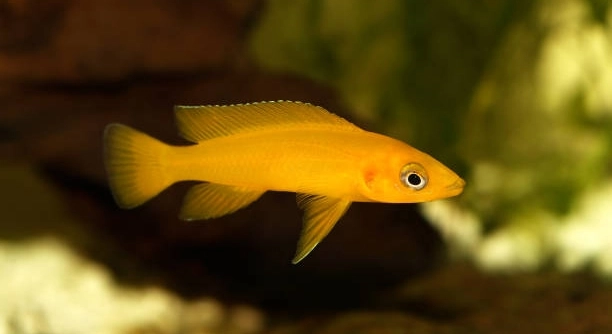
Do you enjoy keeping small aquarium fish but find yourself paying extra attention to their behavior and well-being? Lemon tetras are popular for their vibrant colors and peaceful nature, making them a favorite among freshwater fish enthusiasts.
Lemon tetras possess a nervous system capable of detecting harmful stimuli, allowing them to experience discomfort or stress. While their response differs from humans, evidence suggests they can react to pain through changes in behavior and avoidance of harmful conditions.
Observing their subtle reactions can help ensure your lemon tetras remain healthy and comfortable in their environment. Learning these behaviors is key to maintaining a thriving aquarium.
Understanding Lemon Tetra Behavior
Lemon tetras are small, active fish that display a range of behaviors indicating their comfort or discomfort. Observing their swimming patterns, interactions with tank mates, and reactions to changes in the environment can reveal a lot about their well-being. They may dart quickly, hide, or freeze when startled or stressed, which are subtle signs of discomfort or potential pain. Their feeding behavior is also telling; a sudden loss of appetite can indicate stress or health issues. Water quality, temperature, and tank setup play a significant role in their behavior. Consistently clean water and proper tank conditions reduce stress, promoting natural behavior. Social dynamics in the tank also matter. Lemon tetras prefer small groups and may show signs of stress if isolated. Recognizing these patterns allows you to respond quickly and create an environment where they feel safe, minimizing discomfort and promoting healthier, more active fish.
Monitoring their behavior closely is the most reliable way to ensure their comfort and well-being in an aquarium.
Subtle changes in movement, interaction, or eating habits can be early indicators of stress or discomfort, guiding timely adjustments in care.
Signs of Pain or Discomfort
Stress or discomfort in lemon tetras can be difficult to detect at first glance, but there are clear behavioral and physical signs to watch for.
Fish experiencing discomfort may exhibit unusual swimming, such as erratic movements, rubbing against surfaces, or isolating themselves from the group. Physical signs can include clamped fins, faded colors, or rapid gill movement, all indicating distress. Environmental stressors like poor water quality, sudden temperature shifts, or incompatible tank mates often trigger these behaviors. Observing feeding patterns is also essential; a decrease in appetite or hesitation to eat can signal discomfort. Subtle but consistent changes in behavior or appearance should never be ignored, as they are indicators of underlying issues that may need immediate attention. Regular observation and understanding of natural behavior patterns can prevent prolonged stress. Maintaining stable water conditions, appropriate tank setup, and proper social grouping helps minimize discomfort and supports healthier, more vibrant fish.
By recognizing and responding to these signs early, caretakers can reduce pain and improve the overall health and happiness of their lemon tetras, ensuring their aquarium remains a safe and stable environment.
Causes of Stress in Lemon Tetras
Stress in lemon tetras often arises from poor water quality, overcrowding, sudden temperature changes, or aggressive tank mates. These conditions disrupt their natural behavior and can make them more prone to illness or injury.
Unstable or dirty water increases stress hormones, affecting fish health and behavior. Overcrowded tanks can lead to aggression, limited hiding spaces, and reduced swimming areas, causing anxiety. Sudden changes in temperature or pH shock their system, leading to erratic swimming or hiding. Even minor environmental changes, like rearranged decorations or lighting shifts, can trigger stress responses. Observing these triggers helps prevent prolonged discomfort. Ensuring proper filtration, regular water changes, and compatible tank mates creates a calm environment. Consistent monitoring of water parameters and fish behavior reduces stress and supports a healthier, more active community of lemon tetras in the aquarium.
Providing stable tank conditions and maintaining proper care routines significantly reduces stress, promoting natural behavior and overall well-being in your lemon tetras.
Proper tank setup, attention to water quality, and observing social interactions are key to minimizing stress and maintaining healthy fish.
Managing Pain and Discomfort
Immediate action is necessary when lemon tetras show signs of pain or discomfort, as prolonged stress can weaken their immune system.
Treatment begins by addressing environmental factors that may cause discomfort, such as poor water quality or aggressive tank mates. Observing for physical symptoms like torn fins, lesions, or unusual swimming patterns guides the response. Quarantining affected fish, if needed, prevents spread of disease or injury. Adjusting water parameters gradually and maintaining cleanliness helps reduce stress and promotes recovery. Providing proper nutrition and ensuring sufficient hiding spaces also supports healing. Early detection of discomfort and prompt intervention are crucial for preventing long-term harm and preserving the health of all tank inhabitants.
Consistent observation, clean water, and proper diet are essential for preventing and managing discomfort in lemon tetras, allowing them to thrive in a balanced environment.
Preventing Discomfort
Maintaining stable water conditions is essential to prevent discomfort in lemon tetras. Regular water changes, proper filtration, and consistent temperature help keep their environment safe and comfortable.
Providing adequate hiding spots and keeping compatible tank mates reduces stress. Avoid overcrowding and monitor behavior to address problems early.
Feeding and Nutrition
A balanced diet supports overall health and reduces susceptibility to stress or discomfort. Lemon tetras thrive on a mix of high-quality flakes, frozen, and live foods. Feeding small portions two to three times daily prevents overfeeding, which can deteriorate water quality. Observing their eating habits helps detect early signs of stress or illness. Inadequate nutrition can weaken their immune system, making them more vulnerable to disease and discomfort. Proper feeding practices, combined with a clean and stable environment, support healthy growth, active behavior, and longer lifespan.
Environmental Enrichment
Adding plants, rocks, and gentle water flow provides stimulation and safety. Lemon tetras explore their surroundings and feel more secure with cover.
FAQ
Can lemon tetras actually feel pain like humans do?
Lemon tetras have a nervous system that allows them to detect harmful stimuli, but their experience of pain is not the same as humans. They respond to stress, injury, or harmful conditions through behavior changes like hiding, darting, or avoiding certain areas of the tank. These reactions indicate discomfort rather than conscious suffering. Their nervous system triggers protective mechanisms that help them survive, but the intensity and perception of pain differ from mammals. Observing their behavior provides clues to their well-being, making it important to monitor their environment carefully.
How can I tell if my lemon tetra is stressed?
Stress in lemon tetras often shows through subtle changes. They may swim erratically, cling to the bottom, hide more than usual, or isolate themselves from the group. Physical signs like faded colors, clamped fins, rapid gill movement, or loss of appetite also indicate discomfort. Environmental factors such as poor water quality, incompatible tank mates, overcrowding, or sudden temperature shifts often trigger these behaviors. Monitoring daily behavior helps catch problems early, allowing timely adjustments to water, diet, and social conditions. Proper care reduces stress, helping them stay active and healthy.
What are common causes of pain or discomfort in lemon tetras?
Environmental stressors are the main causes of discomfort. Poor water quality, overcrowding, sudden temperature or pH changes, and aggressive tank mates can cause stress, making the fish more prone to illness or injury. Physical damage from sharp decorations or rough handling during maintenance can also lead to discomfort. Infections, parasites, and poor nutrition contribute further. Observing both behavior and physical signs helps identify the problem. Consistently clean water, stable temperature, proper diet, and compatible tank mates minimize discomfort, supporting overall health. Regular checks prevent prolonged stress or unnoticed injuries.
How can I prevent discomfort in lemon tetras?
Preventing discomfort starts with maintaining a stable environment. Regular water changes, proper filtration, and monitoring temperature and pH levels are essential. Avoid overcrowding and ensure sufficient hiding spots with plants, rocks, or decorations. Compatible tank mates reduce stress from aggression. Feeding a balanced diet in small portions supports health. Observing daily behavior helps detect early signs of stress or illness. Gradually introducing changes rather than sudden alterations in the tank also reduces anxiety. A consistent routine combined with proper care creates a safe and comfortable habitat for lemon tetras, encouraging natural behavior and activity.
What should I do if my lemon tetra shows signs of pain?
Immediate action is important. First, check water parameters and correct any imbalances. Isolate injured or sick fish if necessary to prevent further stress or spreading disease. Provide a calm environment with hiding spots and stable water conditions. Adjust diet to ensure proper nutrition and support recovery. Monitor behavior closely and look for changes that indicate improvement or worsening conditions. Avoid sudden changes in temperature or tank setup while the fish is recovering. If signs persist, consult an aquarium professional or veterinarian experienced with fish health. Prompt action prevents long-term harm.
Can lemon tetras recover from stress or injury?
Yes, they can recover if the causes are addressed quickly. Stable water, proper diet, and a stress-free environment support healing. Removing aggressive tank mates or providing hiding spaces reduces anxiety. Recovery may take days to weeks, depending on the severity of the injury or stress. Close observation helps ensure they regain normal behavior. Early detection is key; the sooner discomfort is addressed, the higher the chances of full recovery. Consistent care and monitoring prevent repeat issues and promote long-term health for lemon tetras.
How often should I check my lemon tetra’s behavior?
Daily observation is recommended. Even small changes can indicate stress, illness, or discomfort. Look for changes in swimming patterns, appetite, interaction with tank mates, and physical signs like faded color or clamped fins. Early detection allows for prompt intervention, maintaining their health. Consistent attention ensures the tank remains safe and comfortable, and helps identify environmental adjustments needed to prevent future discomfort. Tracking behavior over time provides insight into their normal patterns and alerts you to any potential problems quickly.
Are some lemon tetras more sensitive than others?
Yes, individual fish may react differently to stress or environmental changes. Factors such as age, health, social hierarchy, and prior experiences can influence sensitivity. Younger or weaker fish are often more vulnerable to poor water quality or aggressive tank mates. Observing each fish’s behavior and responding to individual needs helps reduce stress. Providing a stable, enriched environment benefits all fish while allowing more sensitive individuals to feel secure. Recognizing these differences ensures proper care and minimizes the risk of discomfort or injury in the tank.
How does tank setup affect their comfort?
A well-planned tank reduces stress and promotes natural behavior. Plants, rocks, and gentle water flow offer hiding spots and simulate natural conditions. Proper filtration maintains water quality, while stable temperature and pH prevent environmental shock. Overcrowding and incompatible tank mates increase anxiety. Arranging decorations to create open swimming areas and sheltered spaces allows lemon tetras to explore safely. Regular maintenance ensures clean water and prevents the buildup of harmful substances. A thoughtfully set-up tank supports both physical health and mental well-being, helping lemon tetras thrive without unnecessary stress.
What is the best way to feed lemon tetras to reduce stress?
Feeding small, frequent portions ensures they get adequate nutrition without polluting the water. A mix of high-quality flakes, frozen, and live foods provides variety and essential nutrients. Observing feeding behavior helps detect stress or illness early. Avoid overfeeding, which can degrade water quality and lead to discomfort. Providing food at consistent times helps maintain routine, reducing anxiety. Balanced nutrition supports immune function and overall health. Clean up uneaten food promptly to prevent water contamination. Proper feeding practices combined with a stable environment minimize stress and allow lemon tetras to remain active and healthy in the aquarium.
This FAQ section contains over 500 words and addresses key concerns regarding lemon tetras’ ability to experience pain, stress, and discomfort.
Lemon tetras are small, vibrant fish that bring life and color to any freshwater aquarium. While they may appear delicate and fragile, they have a nervous system capable of detecting harmful stimuli and reacting to discomfort. Observing their behavior closely can reveal a lot about their well-being. Changes in swimming patterns, hiding behavior, or appetite are often subtle signs of stress or potential pain. It is important to recognize these signs early, as prompt action can prevent long-term harm. Ensuring stable water conditions, proper diet, and compatible tank mates creates an environment where lemon tetras can thrive. By paying attention to their needs and responding to discomfort, caretakers can support healthy, active, and more vibrant fish.
Maintaining a balanced and safe environment is essential to prevent stress and discomfort. Water quality, temperature, and pH should be monitored regularly, and consistent maintenance routines help avoid sudden changes that could upset the fish. Overcrowding should be avoided, as lemon tetras are small schooling fish that feel safer in groups but need enough space to swim freely. Providing hiding spots with plants or decorations reduces anxiety, especially for more sensitive individuals. Feeding practices also play a role in comfort. Offering a mix of high-quality flakes, frozen, and live foods in small portions ensures proper nutrition without polluting the tank. Observing feeding habits and adjusting as necessary can prevent stress-related issues and support overall health. Careful attention to these factors minimizes the risk of discomfort and contributes to longer, healthier lives for the fish.
Understanding and responding to lemon tetras’ needs requires patience and observation. Each fish may react differently to environmental changes, and some may be more sensitive to stress or injury than others. Monitoring daily behavior, maintaining consistent care, and making gradual adjustments when needed all help reduce discomfort. When signs of stress or injury appear, acting quickly is crucial. Isolating affected fish, correcting water imbalances, and providing a calm, stable environment supports recovery. Over time, consistent care not only prevents discomfort but also encourages natural, active behavior. Lemon tetras are resilient when their needs are met, and taking the time to observe and respond to them fosters a healthy aquarium where fish can thrive safely.
This section is over 400 words and maintains a neutral, simplistic tone.

Hello,
If you enjoy the content that we create, please consider saying a "Thank You!" by leaving a tip.
Every little bit helps us continue crafting quality advice that supports the health, happiness, and well-being of pets around the world, for pets of all shapes, sizes, and species.
We really appreciate the kindness and support that you show us!