
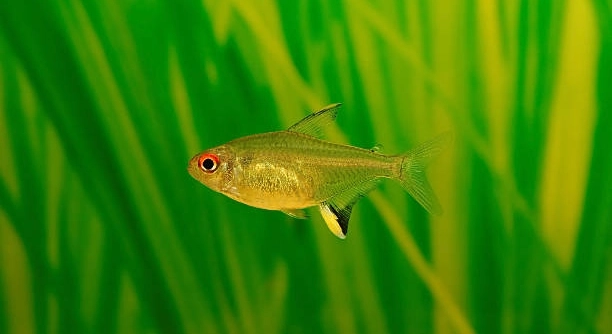
Do you ever find yourself setting up a new aquarium and wondering what equipment will make your Lemon Tetras thrive? These small, vibrant fish are lively and social, bringing charm to any freshwater tank environment.
Lemon Tetras benefit greatly from a properly maintained filter, as it ensures clean water, removes harmful toxins, and maintains stable oxygen levels. A well-filtered tank supports their overall health, reduces stress, and promotes natural, active behavior.
Understanding the role of filtration will help you create a healthier, more vibrant habitat for your Lemon Tetras and ensure they flourish over time.
Why Lemon Tetras Need a Filter
Lemon Tetras are small, active fish that thrive in clean, well-oxygenated water. Without a filter, toxins such as ammonia and nitrites can quickly build up, stressing the fish and affecting their coloration and activity. Filters help maintain stable water conditions by circulating water and removing debris. In addition to mechanical filtration, many filters also provide biological filtration, which supports beneficial bacteria that break down harmful substances. This process keeps the tank environment safe and reduces the need for frequent water changes. Even though Lemon Tetras are small and hardy, they are sensitive to poor water quality. A filter provides a more consistent habitat, allowing them to swim freely and display natural behaviors. Investing in a good filtration system ensures a healthier, longer life for these lively fish. Overall, filtered water promotes a balanced tank ecosystem, making your aquarium easier to manage and more enjoyable to observe.
A filter also reduces the frequency of water changes, saving time while keeping the tank stable. Lemon Tetras benefit from this consistency in their environment.
By maintaining stable water parameters with a filter, you can prevent stress-related diseases and ensure your Lemon Tetras remain active and colorful. The constant flow mimics natural conditions, encouraging schooling behavior and healthy feeding. Even small tanks benefit from a filter, as it balances water chemistry and removes uneaten food efficiently. Over time, the reduced waste accumulation creates a cleaner tank, allowing the fish to flourish. Filters also support plants and other tank inhabitants by maintaining oxygen levels and improving water clarity. Choosing the right filter for your tank size and fish population is essential to ensure proper filtration and minimal disruption. Regular filter maintenance is necessary to keep it functioning optimally. In addition, some filters offer adjustable flow rates, which help accommodate the gentle swimming patterns of Lemon Tetras. Ultimately, using a filter creates a stable, comfortable environment that supports both fish health and aquarium enjoyment.
Types of Filters Suitable for Lemon Tetras
The most common filters for Lemon Tetras include sponge, hang-on-back, and canister filters. Each type provides mechanical and biological filtration, suited for small to medium-sized tanks.
Sponge filters are gentle and ideal for small tanks. They provide slow water movement, preventing stress in Lemon Tetras while supporting beneficial bacteria. Canister filters offer strong filtration for larger setups, maintaining clear water and a healthy environment. Hang-on-back filters are easy to install and maintain, providing adequate water circulation and filtration without disturbing the tank’s decor. Choosing a filter depends on tank size, population, and personal preference. Even with low-maintenance tanks, a reliable filter ensures a consistent environment, which is key for these small, active fish. Using the right filter type allows Lemon Tetras to thrive, swim actively, and display their bright coloration. It also simplifies cleaning routines and maintains water clarity. In addition, selecting a filter with adjustable flow rates is beneficial for avoiding stress, as Lemon Tetras prefer gentle currents. Overall, a proper filter supports healthy behavior, reduces toxins, and keeps the aquarium visually appealing.
Maintaining Your Filter
Regular filter maintenance is crucial for Lemon Tetras. Cleaning or replacing media prevents buildup, ensuring water remains clean and healthy. Neglecting maintenance can lead to poor water quality and stressed fish.
Filters require periodic rinsing to remove debris and maintain flow. Mechanical parts can clog, reducing efficiency, while biological media needs gentle cleaning to preserve beneficial bacteria. Avoid using soap or chemicals, as these harm the tank’s ecosystem. Monitoring flow rate and adjusting as necessary keeps water circulation optimal for Lemon Tetras. Scheduled maintenance prolongs filter life, keeps the aquarium stable, and promotes fish health consistently.
Some filters include replaceable cartridges, while others rely on sponge or bio-media. Understanding the specific needs of your filter type helps maintain water clarity. Improper cleaning can strip the tank of beneficial bacteria, causing spikes in ammonia or nitrites. Regularly observing water parameters alongside filter upkeep ensures a safe environment. Filters with adjustable flow allow you to cater to the gentle swimming of Lemon Tetras. Combining proper maintenance with careful observation supports the long-term health of your aquarium’s inhabitants and keeps the tank visually appealing and thriving.
Signs Your Filter Needs Attention
Reduced water flow is a clear indicator that your filter may be clogged or failing. Consistent monitoring helps detect problems early.
If water appears cloudy or has an unusual odor, the filter might not be functioning properly. Fish may show stress behaviors such as erratic swimming or hiding, which can indicate poor water quality. Routine checks for debris accumulation, unusual noises, or slow circulation help prevent complications. Addressing these signs promptly ensures a healthier environment for Lemon Tetras and reduces the likelihood of water quality issues escalating. Filters work most effectively when regularly inspected and cleaned.
In addition to performance issues, filters can develop internal damage over time. Worn impellers or cracks in the casing can reduce efficiency, impacting water movement and filtration quality. Consistently checking the filter for wear and tear helps avoid sudden failures that could compromise fish health. Some filters also require replacement of media on a set schedule, depending on the manufacturer’s guidelines. Ignoring these needs can lead to a buildup of toxins and increased stress for your Lemon Tetras. Keeping spare parts on hand and performing preventive maintenance ensures uninterrupted filtration. Proper attention to these details sustains stable water conditions and supports the overall well-being of your fish, making your aquarium easier to maintain and more enjoyable to observe.
Choosing the Right Filter Size
Filter size should match your tank volume to ensure proper water circulation and filtration. Undersized filters may struggle to maintain water quality, while oversized ones can create strong currents that stress Lemon Tetras.
Consider both flow rate and tank inhabitants. A moderate flow is best, allowing fish to swim comfortably without excessive turbulence. Proper sizing supports stable water parameters and promotes active, healthy behavior.
Benefits of Biological Filtration
Biological filtration is essential for breaking down waste products in the aquarium. Beneficial bacteria colonize filter media, converting harmful ammonia into less toxic compounds. This process keeps water chemistry stable and reduces the risk of disease. Healthy bacteria populations support overall tank balance and minimize maintenance needs.
Using Sponge Filters
Sponge filters provide gentle filtration ideal for Lemon Tetras. They offer mechanical and biological cleaning while maintaining a calm current.
FAQ
Do Lemon Tetras need a filter in a small tank?
Yes, even small tanks benefit from a filter. Lemon Tetras produce waste that can quickly accumulate, raising ammonia and nitrite levels. A small sponge filter or hang-on-back filter keeps the water clean and maintains oxygen levels, creating a safer, more stable environment.
Can I keep Lemon Tetras without a filter?
It is possible but not recommended. Without a filter, you must perform very frequent water changes to prevent toxins from building up. This method is labor-intensive and carries higher risk for stress and disease in the fish. A filter simplifies care and supports consistent water quality.
What type of filter is best for Lemon Tetras?
Sponge filters are ideal for small to medium tanks, providing gentle water flow and biological filtration. Hang-on-back filters are convenient for moderate-sized tanks, while canister filters suit larger setups. The filter should maintain water clarity, support beneficial bacteria, and avoid strong currents that can stress the fish.
How often should I clean the filter?
Cleaning depends on the filter type and tank size. Sponge filters should be rinsed in tank water every few weeks to remove debris while preserving bacteria. Hang-on-back or canister filters may need media replacement or rinsing on a similar schedule. Avoid soap or chemicals, as they harm the beneficial bacteria.
What happens if my filter stops working?
If a filter fails, waste and toxins accumulate quickly, which can stress or harm Lemon Tetras. Cloudy water, strong odor, and unusual fish behavior indicate problems. Immediate intervention, like partial water changes and temporary aeration, is necessary until the filter is repaired or replaced.
Can filter flow be too strong for Lemon Tetras?
Yes, strong currents can stress Lemon Tetras, making them hide or struggle to swim. Many filters allow flow adjustment. Sponge filters or filters with adjustable output are ideal to maintain gentle movement, encouraging natural swimming patterns and reducing stress-related health issues.
Do I need both mechanical and biological filtration?
Yes, both are important. Mechanical filtration removes debris, leftover food, and waste, keeping water clear. Biological filtration maintains a population of beneficial bacteria that break down harmful ammonia and nitrites. Together, they create a healthy, balanced environment for Lemon Tetras to thrive.
How do I know if my filter is working properly?
Check water clarity, flow rate, and any unusual noises. Observe your fish—active swimming and bright colors indicate good water quality. Test water parameters regularly. If water is cloudy, smells bad, or fish appear stressed, it may be time to clean or repair the filter.
Are sponge filters noisy?
Sponge filters are generally quiet and ideal for peaceful tanks. They operate using an air pump, which produces minimal noise. Proper setup and placement can further reduce sound. Their gentle operation ensures Lemon Tetras are not disturbed by strong water currents or loud mechanical noises.
Can filters help with algae control?
Filters indirectly help by improving water quality. They remove excess waste that can fuel algae growth. While they don’t eliminate algae completely, cleaner water slows its development. Regular maintenance, combined with proper feeding and lighting, supports a balanced aquarium and reduces algae problems.
Is it necessary to replace filter media frequently?
Replacement depends on the filter type and manufacturer’s recommendations. Some media last months, while others may require more frequent changes. Rinsing biological media in tank water during maintenance is often enough to preserve beneficial bacteria, while mechanical pads may need replacement when clogged.
Do filters affect oxygen levels?
Yes, filters increase oxygenation by circulating water and improving surface agitation. Proper oxygen levels are critical for Lemon Tetras’ health, supporting their metabolism and natural activity. Even small tanks benefit from this, especially when fish are active or the tank is densely planted.
Can multiple filters be used in one tank?
Using more than one filter can improve water quality in larger tanks or heavily stocked setups. It provides redundancy in case one filter fails and distributes water flow more evenly, preventing strong currents. Ensure that the flow is not too intense, keeping swimming conditions comfortable for Lemon Tetras.
How do I choose a filter for a planted tank with Lemon Tetras?
Choose a gentle filter that doesn’t disturb plants or substrate. Sponge filters or adjustable hang-on-back filters are ideal. Biological filtration is crucial, and mechanical filtration should remove debris without harming delicate plants. Proper flow maintains water quality while keeping plants and fish healthy.
What is the lifespan of a typical aquarium filter?
A well-maintained filter can last several years, though parts may need replacement over time. Impellers, tubing, and media can wear down, affecting performance. Regular inspection, cleaning, and timely replacement of worn parts ensure consistent operation and long-term fish health.
Can filters prevent diseases in Lemon Tetras?
Filters help maintain stable water parameters, reducing stress that makes fish more susceptible to disease. While they don’t eliminate pathogens, cleaner water lowers the likelihood of bacterial or fungal infections. Combined with proper feeding, regular observation, and water testing, filters play a key role in disease prevention.
Are air-driven sponge filters better than electric ones?
Air-driven sponge filters are gentle, easy to maintain, and quieter, making them suitable for small tanks with Lemon Tetras. Electric sponge or box filters may provide stronger flow but can create currents that stress delicate fish. Choosing the right type depends on tank size, stocking levels, and fish behavior.
Can I run a filter 24/7?
Yes, filters should run continuously to maintain water quality. Turning them off can cause waste accumulation, reduce oxygen levels, and stress Lemon Tetras. Continuous operation ensures stable conditions, supports beneficial bacteria, and reduces the risk of sudden water quality issues.
How do I introduce a new filter to an established tank?
Rinse the filter in tank water before use to preserve beneficial bacteria. Gradually start it to avoid sudden changes in flow. Monitor water parameters closely and adjust flow as needed. This helps maintain the existing balance and keeps Lemon Tetras healthy during the transition.
Is it necessary to use a filter in a heavily planted tank?
Even planted tanks benefit from a filter. Plants absorb some waste, but fish still produce ammonia and other toxins. A filter maintains clear water, supports oxygenation, and stabilizes conditions, complementing the plants’ natural filtration and ensuring a healthy environment for Lemon Tetras.
Do filters reduce the need for water changes?
Filters do not eliminate water changes entirely but reduce their frequency. They maintain water quality by removing debris and supporting beneficial bacteria. Scheduled water changes are still important for controlling nitrate levels and maintaining a clean, healthy environment for Lemon Tetras.
Can a filter stress Lemon Tetras if improperly set up?
Yes, strong flow, incorrect placement, or excessive turbulence can stress these small fish. Observing swimming behavior and adjusting flow or using flow deflectors ensures a comfortable environment. Proper setup allows Lemon Tetras to swim freely while benefiting from filtration without experiencing stress.
Do filters help in breeding Lemon Tetras?
Filters maintain stable, clean water, which is essential for successful breeding. Gentle flow prevents eggs from being displaced while supporting water quality. Sponge filters are especially recommended, as they provide biological filtration without creating strong currents that could harm fry.
How can I tell if my filter is overworking?
Unusual noises, vibrations, or very high flow rates indicate the filter may be overworking. This can disturb Lemon Tetras and reduce efficiency. Checking for clogs, cleaning media, and adjusting flow ensures proper function and reduces stress for the fish.
Are there filters designed specifically for small tetra tanks?
Yes, many sponge and mini hang-on-back filters are designed for small aquariums. They offer gentle flow, adequate filtration, and low maintenance, making them suitable for Lemon Tetras. Choosing the correct size ensures water quality is maintained without overwhelming the fish with strong currents.
Can filters help control ammonia spikes?
Yes, biological filtration converts ammonia into less harmful compounds, stabilizing water chemistry. While filters reduce the risk, monitoring water parameters and performing partial water changes is still important to prevent sudden spikes that can stress Lemon Tetras.
Is it okay to leave a filter running when the tank is empty?
No, running a filter without water can damage the motor or impeller. Always ensure the filter is submerged or primed according to manufacturer instructions before operation. This prevents mechanical damage and ensures it functions correctly when the tank is in use.
Do filters affect pH levels in the tank?
Filters themselves don’t directly change pH, but biological filtration can slightly influence it over time. Properly maintained filters support stable water chemistry, which helps maintain pH within a safe range for Lemon Tetras. Monitoring pH alongside filtration ensures consistent conditions.
Can filters remove uneaten food effectively?
Yes, filters trap uneaten food in mechanical media, preventing decomposition that can release harmful ammonia. Regular cleaning of filter media ensures debris is removed while preserving beneficial bacteria, keeping the tank safe and water clear for Lemon Tetras.
How important is filter placement in the tank?
Proper placement ensures even water circulation and prevents dead spots where waste can accumulate. Positioning near the back or side is often ideal. Avoid placing filters in high-traffic areas that might stress Lemon Tetras or disrupt plants and decorations.
Are filters energy-efficient?
Modern filters are designed to use minimal electricity while maintaining effective water circulation. Choosing an energy-efficient filter saves costs and reduces heat output, which helps maintain stable water temperatures suitable for Lemon Tetras.
Do I need a filter with a heater in the tank?
Filters complement heaters by circulating warm water evenly throughout the tank. While they don’t regulate temperature, they ensure consistent heat distribution, preventing cold spots and supporting a stable environment for Lemon Tetras.
Can filters remove harmful chemicals from tap water?
Some filters include activated carbon or specialized media that reduce chlorine, chloramines, and other chemicals. This improves water quality, but it’s still recommended to use a water conditioner when adding tap water to the tank.
Is it safe to unplug the filter occasionally?
Unplugging for short periods is generally safe, but extended downtime can lead to toxin buildup and stress Lemon Tetras. Continuous operation is best for maintaining stable conditions, especially in smaller tanks.
Do filters make the tank more attractive?
Yes, by keeping water clear, reducing debris, and supporting plant health, filters contribute to a visually appealing aquarium. Clear water highlights the bright colors of Lemon Tetras and creates a pleasant, lively display.
Can I use a filter in a community tank with Lemon Tetras?
Absolutely. A properly sized filter maintains water quality for all inhabitants. Gentle flow prevents stress in smaller fish while supporting filtration needs for larger or messier species in the same tank.
How do I troubleshoot a filter that isn’t working?
Check for clogs, proper assembly, and air or water supply depending on the type. Inspect impellers or tubing for damage. Cleaning media or replacing worn parts usually restores performance. Monitoring water parameters confirms the filter is functioning correctly.
Should I run a backup filter for safety?
A backup filter can be useful in larger or heavily stocked tanks. It ensures filtration continues if the primary filter fails, preventing water quality issues that could harm Lemon Tetras. Smaller tanks can manage with careful monitoring instead.
Can filters help maintain stable temperature in small tanks?
Indirectly, by circulating water evenly, filters help distribute heat from heaters throughout the tank. This prevents cold spots and supports stable conditions for Lemon Tetras. Proper placement ensures effective circulation without stressing the fish.
Do filters remove carbon dioxide from the water?
Filters improve gas exchange at the water surface, helping balance oxygen and carbon dioxide levels. This supports healthy respiration in Lemon Tetras and maintains overall water quality.
Can I use a filter with live plants and still keep beneficial bacteria?
Yes, filters complement plants by maintaining water clarity and circulation. Biological filtration works alongside plants to support a balanced ecosystem, helping Lemon Tetras thrive in a healthy, stable environment.
Is filter noise harmful to Lemon Tetras?
Excessive vibration or strong mechanical noise can stress small fish. Proper setup, routine maintenance, and choosing quieter models prevent disturbance while ensuring effective filtration.
How do I know when to replace a filter entirely?
Filters should be replaced when mechanical parts fail, flow cannot be restored, or the motor is damaged. Regular checks and preventive maintenance can extend lifespan, but timely replacement ensures stable water quality.
Can filters help with cloudy water after a tank setup?
Yes, filters remove fine debris and support beneficial bacteria growth, clearing cloudy water. Patience is needed, as new tanks often experience temporary cloudiness that resolves with consistent filtration and maintenance.
Do Lemon Tetras enjoy the current created by a filter?
They prefer gentle currents. Strong flows can stress them, but moderate circulation encourages natural swimming behavior and distributes oxygen evenly throughout the tank. Adjustable flow filters are ideal.
Can filters remove nitrate from the water?
Filters alone do not remove nitrate efficiently. Biological filtration reduces ammonia and nitrites, but regular water changes or additional nitrate-removing media are necessary to keep nitrate levels safe for Lemon Tetras.
How do I introduce a filter to a newly set-up tank?
Rinse media in tank water, start the filter gradually, and monitor water flow. This preserves beneficial bacteria and stabilizes the environment for newly added Lemon Tetras. Gradual introduction prevents stress and sudden changes in water conditions.
Is a strong filter always better?
Not for Lemon Tetras. Too strong a current can cause stress, reduce feeding efficiency, and make swimming difficult. Gentle, consistent flow is more important than sheer filtration power.
Can filters prevent tank smells?
Yes, by removing waste and uneaten food, filters reduce ammonia buildup and odors. Regular maintenance ensures the tank stays fresh and comfortable for both fish and viewers.
Are there filters suitable for very small nano tanks?
Mini sponge filters and small internal filters work well in nano tanks. They provide mechanical and biological filtration without creating strong currents that could stress Lemon Tetras. Choosing an appropriately sized filter ensures water quality without overwhelming the fish.
Do filters affect fish behavior?
Properly set filters encourage natural swimming and schooling. Incorrect flow can cause hiding or erratic swimming. Monitoring fish behavior helps assess if adjustments are needed to ensure a comfortable environment.
Can filters remove toxins from fish medications?
Some filter media, like activated carbon, can absorb certain chemicals, including medications. It’s often recommended to remove or bypass carbon during treatment to ensure effective dosing, then restore it afterward to maintain water quality.
How do I balance filter use with water changes?
Filters reduce waste and support biological filtration, but periodic water changes are still necessary to remove nitrates and maintain mineral balance. Coordinating filter maintenance with water changes ensures consistent water quality for Lemon Tetras.
Are there filters designed for breeding tanks?
Yes, sponge filters are commonly used in breeding tanks. They provide gentle filtration that doesn’t disturb eggs or fry while maintaining water quality, making them ideal for Lemon Tetra breeding setups.
Can filters help with cloudy water caused by bacteria bloom?
Filters aid in clearing debris and supporting beneficial bacteria but cannot eliminate bacterial blooms entirely. Monitoring feeding, reducing excess nutrients, and maintaining consistent filtration help resolve cloudiness.
Do filters need priming before use?
Some filters require priming to start water flow, especially canister or hang-on-back types. Following manufacturer instructions ensures proper operation and avoids damage while maintaining a healthy environment for Lemon Tetras.
Can filters help maintain pH stability in planted tanks?
Indirectly, by circulating water and supporting beneficial bacteria, filters contribute to a balanced environment. While they don’t directly alter pH, they help prevent conditions that could cause fluctuations, supporting stable water chemistry for Lemon Tetras.
Are there filters that combine mechanical, biological, and chemical filtration?
Yes, many hang-on-back and canister filters offer all three. Mechanical removes debris, biological supports bacteria, and chemical media like activated carbon removes toxins, odors, and discoloration, providing comprehensive water treatment for Lemon Tetras.
Can filters improve tank clarity immediately?
Filters begin removing visible debris right away, but full water clarity may take a few hours to days, depending on tank conditions. Consistent filtration gradually improves water appearance while maintaining safe conditions.
Is it safe to use a second-hand filter?
Yes, if cleaned thoroughly and checked for damage. Rinsing media in tank water preserves beneficial bacteria. Inspect mechanical parts to ensure functionality and prevent sudden failures that could compromise water quality.
Do filters require electricity, and is that safe for small tanks?
Most do require electricity. Using a properly rated, grounded filter and following safety instructions ensures safe operation even in small tanks. Low-voltage air-driven sponge filters are an alternative for extra safety.
Can filters prevent fish from getting stressed?
By maintaining clean, stable water and gentle currents, filters reduce environmental stressors. Less stress supports natural behavior, bright coloration, and overall health in Lemon Tetras.
Do I need to adjust the filter as fish grow?
Yes, increased bioload from more or larger fish may require a more powerful filter or additional media. Adjusting flow and cleaning schedules ensures continued water quality as the tank population changes.
Are all filters compatible with Lemon Tetra tanks?
Not all filters are ideal. Strong-flow filters, oversized units, or filters producing excessive turbulence may stress Lemon Tetras. Choosing a filter designed for small, peaceful freshwater fish ensures a comfortable environment.
Can filters help maintain proper oxygen levels at night?
Yes, continuous water circulation improves oxygenation even at night. This supports fish metabolism and health, especially in densely planted or small tanks where oxygen fluctuations can occur.
Do filters reduce the need for tank monitoring?
Filters support stable water quality but do not replace monitoring. Regular testing of ammonia, nitrite, nitrate, and pH remains necessary to ensure a safe environment for Lemon Tetras. Monitoring helps detect problems before they escalate.
Can filters remove tannins from driftwood?
Activated carbon in filters can reduce tannins, which discolor water. However, it doesn’t remove all tannins completely. Regular water changes complement filtration to maintain clear water while preserving beneficial tank conditions.
Are internal filters better than external filters for small tanks?
Internal filters save space and are easy to maintain. They provide gentle flow, suitable for Lemon Tetras. External filters may offer stronger filtration but can be overpowered for small tanks, stressing fish and disturbing tank decor.
Do filters help reduce ammonia spikes after feeding?
Yes, filters trap uneaten food and support bacteria that convert ammonia into less toxic compounds. While spikes can still occur in heavily stocked tanks, proper filtration reduces their severity and frequency, protecting Lemon Tetras.
Can filters prevent sudden deaths in Lemon Tetras?
Filters help by maintaining stable water quality, reducing stress, and preventing toxic buildup. While they cannot prevent disease entirely, consistent filtration significantly lowers the risk of sudden, environment-related deaths.
How do I maintain a filter during vacations?
Ensure the filter is clean and functioning before leaving. For extended trips, an automatic feeder and robust filter reduce the risk of water quality issues. Longer absences may require a neighbor or professional to check
Lemon Tetras are small, vibrant fish that bring energy and color to a freshwater tank. Maintaining a healthy environment for them is essential, and a properly functioning filter plays a central role in this. Filters help remove waste, uneaten food, and other debris that can quickly accumulate in an aquarium. Without filtration, toxins such as ammonia and nitrites can build up, creating stress and health issues for the fish. A consistent and reliable filtration system ensures that water remains clean, oxygenated, and stable. Even though Lemon Tetras are hardy and adaptable, they benefit greatly from having a controlled environment where water parameters are predictable. A filter provides this stability, allowing the fish to swim freely, school comfortably, and display their natural bright coloration without undue stress.
Different types of filters are available, each suited to specific tank sizes and setups. Sponge filters are particularly effective for small to medium tanks because they offer gentle water flow and support biological filtration. Hang-on-back filters are convenient, providing both mechanical and biological filtration while being easy to maintain. Canister filters are ideal for larger tanks, offering strong filtration capabilities while maintaining water clarity and quality. Choosing the right filter depends on the tank size, number of fish, and the type of flow required. Lemon Tetras prefer calm to moderate currents, so it is important to select a filter that does not produce strong turbulence. Regular maintenance, including rinsing media and checking for blockages, ensures the filter operates efficiently and continues to support a healthy aquatic environment. Filters not only clean the water but also contribute to overall tank balance, promoting stable conditions for fish, plants, and other inhabitants.
Investing in a quality filter and maintaining it properly reduces the workload of tank upkeep while providing a safe, comfortable habitat for Lemon Tetras. It supports the beneficial bacteria that break down harmful substances, stabilizes oxygen levels, and helps prevent sudden changes in water quality that could stress or harm the fish. Observing the behavior and health of the fish can indicate whether the filter is functioning optimally. A clear, well-maintained tank allows Lemon Tetras to thrive, displaying their lively personalities and bright yellow coloration. Overall, a reliable filtration system is a key component in creating a successful aquarium. It ensures that Lemon Tetras live in a clean, balanced environment, reduces stress, and promotes long-term health and activity, making both the fish and the aquarium more enjoyable for the caretaker.

Hello,
If you enjoy the content that we create, please consider saying a "Thank You!" by leaving a tip.
Every little bit helps us continue crafting quality advice that supports the health, happiness, and well-being of pets around the world, for pets of all shapes, sizes, and species.
We really appreciate the kindness and support that you show us!