
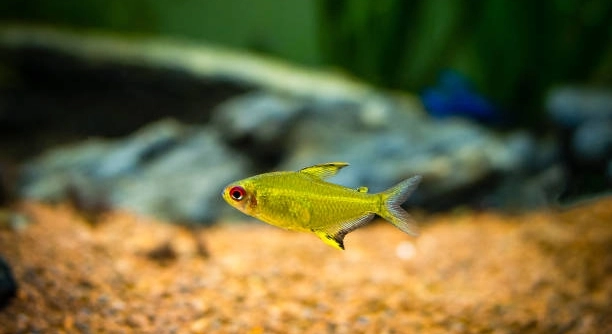
Breeding lemon tetras can be an exciting challenge for aquarists who enjoy raising vibrant, healthy fish. Observing their behaviors and preparing the right environment often feels rewarding, yet success is not always guaranteed. Patience and attention to detail are key.
Lemon tetra breeding often fails due to unsuitable water conditions, lack of proper nutrition, or insufficient environmental cues for spawning. Inconsistent temperature, improper pH, and unbalanced diet can prevent eggs from being fertilized or fry from surviving.
Knowing the main obstacles allows you to adjust care routines and improve your chances of successful breeding for healthier, more vibrant lemon tetras in your tank.
Common Water Conditions That Affect Breeding
Maintaining the right water parameters is essential for lemon tetra breeding. These fish thrive in soft, slightly acidic water with stable temperatures around 24–27°C. Sudden changes in pH, hardness, or temperature can stress the adults and prevent spawning. Chlorine or other chemicals in tap water may also harm eggs and fry. Consistent water changes and testing are necessary to provide a safe environment. A breeding tank should have gentle filtration and plenty of hiding spaces using plants or spawning mops. Avoid overcrowding, as high fish density can reduce egg fertilization and increase aggression. Even small fluctuations in water chemistry can stop breeding behavior. Observing fish carefully and adjusting water conditions before introducing a breeding pair improves the likelihood of success. Maintaining calm, stable conditions encourages natural spawning behaviors and improves egg survival rates, making the breeding process smoother and less stressful for the fish.
Proper water balance ensures eggs and fry are more likely to survive and grow in a healthy environment.
Attention to water quality must include monitoring ammonia, nitrite, and nitrate levels. Using dechlorinated water and keeping temperature fluctuations minimal is crucial. Providing a dedicated, smaller breeding tank allows for better control over water conditions, reduces stress, and limits exposure to adult aggression. Regular testing and careful adjustments help prevent failed spawning attempts.
Nutrition and Spawning Success
Feeding high-quality live or frozen foods enhances breeding readiness in lemon tetras. Small insects, daphnia, and brine shrimp supply necessary proteins and nutrients that stimulate spawning behavior.
Consistent, nutrient-rich meals help adult tetras build energy reserves for egg production and increase overall health, which directly impacts fertility. Careful portioning avoids overfeeding, which can deteriorate water quality.
Ensuring variety in diet supports both males and females in reaching optimal condition for breeding. Preparing the fish gradually by feeding high-protein foods for one to two weeks before introducing them to the breeding tank encourages successful mating. Regular observation of appetite and behavior can indicate readiness, while poor nutrition often leads to delayed or unsuccessful spawning. Combining proper diet with stable environmental conditions creates a foundation for healthier eggs and fry, making the breeding process less frustrating. Over time, this approach promotes stronger, more vibrant offspring and reduces common issues such as egg fungus or premature egg loss.
Spawning Environment and Setup
A quiet, well-planted tank with gentle lighting encourages lemon tetras to spawn. Floating plants or spawning mops provide safe places for eggs, while soft water prevents stress. Avoid strong currents and overcrowding to maximize egg fertilization and fry survival.
Proper tank arrangement plays a major role in successful breeding. Plants should be dense enough for hiding but allow swimming space. Substrate choice matters less than providing gentle water flow. Maintaining stable temperature and pH in the breeding tank creates an ideal environment. Observing fish interactions helps determine if conditions are suitable for spawning. Removing adult fish after eggs are laid prevents predation. This setup increases the chance of healthy fry developing.
Temperature stability, plant coverage, and minimal disturbances are key. Frequent water checks and gentle care reduce stress, improving spawning success. Timing and observation ensure eggs are protected immediately. Consistency in environment is essential for nurturing the young effectively.
Common Breeding Mistakes
Overcrowding and sudden changes in tank conditions are common reasons for failed breeding attempts. Maintaining calm, stable conditions is crucial for success.
Inexperienced breeders often overlook the importance of water chemistry and nutrition. Eggs may fail to hatch if adults are stressed or if water is too hard or alkaline. Insufficient hiding spaces lead to adults eating eggs, reducing fry survival. Feeding high-protein live foods and maintaining stable temperature helps adults remain healthy and ready to spawn. Regular monitoring of water quality ensures ammonia, nitrite, and nitrate levels stay safe. Consistent care, including gentle handling and proper tank setup, prevents common mistakes that hinder reproduction. Observation allows timely adjustments to protect eggs and support fry development.
Preventing stress, maintaining proper diet, and ensuring appropriate water conditions greatly improves success rates. Patience and attention to detail reduce errors that compromise breeding outcomes. Careful monitoring and planning allow for healthier, more numerous fry.
Timing and Fish Readiness
Adult lemon tetras must be in peak health before spawning. Males and females need at least 6–8 months of growth, and regular feeding helps build energy reserves. Stress or illness can delay or prevent breeding entirely.
Spawning typically occurs in the morning when the tank is calm. Observing fish behavior, such as chasing or courtship displays, indicates readiness. Keeping a consistent light cycle supports natural breeding rhythms and encourages successful egg-laying.
Egg Care and Protection
Once eggs are laid, removing adults is crucial to prevent predation. Using a fine mesh or dense plants protects the eggs. Maintaining clean, stable water supports development. Fungus treatments may be necessary for vulnerable eggs, but chemical exposure must be minimal to avoid harming fry.
Fry Development
Fry are sensitive to water quality and temperature changes. Small, frequent feedings of infusoria or newly hatched brine shrimp promote healthy growth. Gradually increasing food size as they grow helps strengthen them.
Monitoring and Adjustments
Regular observation of the tank and fry ensures problems are caught early. Minor adjustments in temperature or feeding routines can prevent losses.
FAQ
Why aren’t my lemon tetras spawning even though the water looks fine?
Even if the water seems suitable, subtle fluctuations in temperature, pH, or hardness can stress the fish and prevent spawning. Stress from sudden changes, loud noises, or overcrowding can stop courtship behaviors. Consistent water parameters and a calm environment are critical.
How do I know if my fish are ready to breed?
Mature males develop brighter colors and display chasing behavior, while females appear rounder with eggs visible through their abdomen. Active swimming, frequent hovering near plants, and mutual interaction are signs of readiness. Health and diet also play a major role in triggering breeding behavior.
What should the breeding tank look like?
A small, quiet tank with gentle filtration and soft water is ideal. Dense plants or spawning mops give eggs safe places to attach. Avoid strong currents and keep lighting soft. Overcrowding or disturbances reduce fertilization chances and increase stress.
When should I remove adults after spawning?
Remove adults immediately after eggs are laid. Lemon tetras often eat their own eggs if left in the breeding tank. Using a fine mesh or dense plant coverage helps protect eggs temporarily until removal. This ensures higher survival rates for fry.
What do I feed adult tetras before breeding?
High-protein foods like live or frozen daphnia, brine shrimp, and small insects build energy reserves. Feeding small, frequent meals over one to two weeks before spawning improves egg quality and increases the likelihood of successful fertilization. Variety in diet supports overall health.
How do I care for the eggs?
Eggs require clean, soft, slightly acidic water and minimal disturbance. Maintaining temperature stability is crucial. Some breeders use antifungal treatments, but these must be mild to avoid harming developing fry. Gentle aeration and monitoring water chemistry prevent issues like fungus or poor hatching.
What should I feed the fry?
Newly hatched fry need tiny foods like infusoria or microworms for the first few days. As they grow, gradually introduce newly hatched brine shrimp and finely crushed flakes. Frequent, small feedings encourage steady growth and prevent water quality issues caused by leftover food.
How long until the fry are free-swimming?
Fry usually become free-swimming within 3–5 days, depending on temperature and water conditions. At this stage, they require small, frequent feedings and protection from adults. Careful monitoring and water changes help them develop into healthy juveniles.
Why are my eggs not hatching?
Unfertilized eggs, fungus, or poor water conditions often prevent hatching. Temperature fluctuations, high hardness, or ammonia buildup can stop development. Removing dead eggs and maintaining stable, clean water increases the likelihood of successful hatching.
Can I breed lemon tetras in a community tank?
Community tanks are not ideal for breeding. Adults or other fish often eat eggs or fry, and water conditions may be inconsistent. A separate, controlled breeding tank gives the best chance for successful spawning and healthy fry development.
How often can lemon tetras breed?
Under optimal conditions, lemon tetras may spawn every few weeks. Overcrowding, poor diet, or unstable water slows reproduction. Monitoring readiness and providing proper nutrition allows regular, successful breeding cycles without compromising the health of adults or fry.
What mistakes should I avoid for successful breeding?
Avoid sudden water changes, overcrowding, poor diet, and leaving adults with eggs. Neglecting temperature, pH, or cleanliness reduces egg survival. Careful observation, consistent feeding, and a calm, well-prepared breeding tank prevent common failures and improve fry survival rates.
How can I tell if the fry are healthy?
Healthy fry are active, transparent at first, and grow steadily with consistent feeding. Lethargy, abnormal swimming, or slow growth may indicate poor water conditions or insufficient nutrition. Maintaining proper care ensures strong development and higher survival rates.
Is it necessary to use live food for breeding success?
While not strictly required, live food improves fertility and egg quality. It stimulates natural hunting and courtship behavior, giving adults energy for spawning. Frozen alternatives can work if high quality and appropriately sized for both adults and fry.
How do I prevent fungus on eggs?
Maintaining clean, stable water reduces fungal growth. Removing dead eggs promptly and using mild antifungal treatments helps protect healthy eggs. Avoid chemicals that could harm fry, and ensure gentle aeration to support healthy development.
Can I breed lemon tetras year-round?
With controlled water parameters, temperature, and diet, breeding can occur year-round. Seasonal variations in home conditions may affect timing, so maintaining a stable breeding tank allows for consistent spawning cycles.
What’s the ideal temperature range for breeding?
A stable 24–27°C is ideal. Temperatures below or above this range can stress adults and reduce fertility. Using a reliable heater and monitoring with a thermometer ensures optimal conditions for spawning and egg survival.
How long do eggs take to hatch?
Eggs usually hatch within 24–36 hours under optimal conditions. Warmer temperatures speed development slightly, while colder water slows it. Consistent care during this period is critical to prevent fungus and ensure healthy fry emerge.
Are there any signs of unsuccessful spawning?
Unfertilized eggs often appear cloudy or fail to develop. Adults may ignore or eat eggs, or eggs may fall off plants. Observing behavior and egg appearance helps identify problems early and adjust care for future attempts.
Can I keep fry with adults after hatching?
It’s not recommended. Adults frequently eat fry, so transferring young to a separate nursery tank ensures safety and improves survival rates. Providing gentle aeration and suitable small food helps fry grow without stress.
How do I acclimate fry to regular tank conditions?
Gradually increase water volume and slowly introduce older fry to slightly harder water as they grow. Frequent small water changes help them adjust without stress. Patience ensures healthier juveniles capable of thriving in community tanks later.
What should I do if my fry are not growing well?
Check water quality, feeding schedule, and food size. Poor growth often indicates insufficient nutrition or unstable water. Adjust feeding frequency, introduce appropriately sized food, and monitor ammonia, nitrite, and nitrate levels to support steady development.
How soon can I sell or move fry?
Once fry reach a few weeks old and are free-swimming with steady growth, they can be moved to a larger tank. Ensure they are strong and healthy before relocation to reduce stress and mortality.
How do I identify male and female fry?
Sexing is difficult in very young fry. As they mature, males develop brighter yellow coloration and a slimmer profile, while females appear rounder and paler. Observing physical traits over several weeks provides more accurate identification.
Can breeding lemon tetras improve color and health?
Yes, controlled breeding with healthy, well-fed adults produces stronger offspring with vibrant coloration. Proper diet, water stability, and careful selection of breeding pairs influence the overall vitality of fry and adult fish.
What is the most important factor for successful breeding?
Consistent water parameters, nutritious diet, stress-free environment, and careful monitoring are essential. Combining these factors significantly increases the chances of healthy eggs, high fry survival, and successful repeated breeding cycles.
How do I prevent overcrowding in the breeding tank?
Limit the number of adults and prepare separate tanks for fry. Dense planting provides hiding space without causing stress, while monitoring fish numbers ensures optimal conditions for spawning and fry survival.
Can stress from handling affect breeding?
Yes, frequent or rough handling can stop spawning behavior. Minimizing disturbances, maintaining calm water, and using gentle care routines reduces stress and supports healthy reproduction.
What is the best lighting setup for breeding?
Soft, consistent lighting encourages natural behavior. Avoid direct or overly bright lights, which can stress adults and fry. A standard 10–12 hour light cycle supports spawning rhythms without disrupting water conditions.
How do I track successful breeding?
Observe courtship behavior, egg-laying, and fry hatching. Monitoring water parameters, feeding habits, and fish health helps identify problems early. Keeping records ensures better outcomes and allows improvements in future breeding attempts.
Are there any signs of weak fry?
Weak fry often swim erratically, grow slowly, or fail to feed. Immediate assessment of water quality, feeding regimen, and tank conditions can help correct issues and improve survival chances.
What precautions should I take when moving fry?
Use gentle netting and acclimate them slowly to new water. Avoid sudden temperature or pH changes, and provide hiding spaces in the new tank to reduce stress and improve survival rates.
Can I reuse water from the breeding tank for fry?
Some filtered, clean water can be reused to reduce shock, but check for ammonia or nitrite. Maintaining proper water quality is more important than conserving water, and partial water changes often yield better results.
How long should I wait before trying to breed again?
Allow adults to recover for at least two weeks with a nutritious diet and stable water. Overworking fish reduces health, fertility, and the success of subsequent spawning attempts.
What common mistakes reduce fry survival?
Leaving adults in the breeding tank, poor water quality, insufficient feeding, and sudden environmental changes are common causes. Consistent care, observation, and gentle handling prevent most losses and support healthy fry development.
Is selective breeding necessary for better results?
Selecting the healthiest, most vibrant adults improves offspring quality. Avoid breeding stressed or weak fish, as this reduces fry survival, growth, and color development. Careful pair selection enhances long-term breeding success.
How do I maintain water stability long-term?
Regular testing, gradual water changes, and avoiding overcrowding maintain consistent temperature, pH, and hardness. Using a heater, gentle filter, and dechlorinated water reduces fluctuations, which supports both breeding adults and growing fry.
What should I do if eggs are fungus-prone despite good care?
Remove infected eggs immediately and maintain gentle water flow. Mild antifungal treatments can help, but ensure chemical exposure is minimal. Consistent water quality and temperature reduce recurrence in future spawning attempts.
How often should I feed fry in the first week?
Feed very small amounts 4–6 times per day. Tiny portions prevent leftover food from polluting water and ensure constant access to nutrition for developing fry. Gradually adjust as they grow.
What temperature fluctuations are harmful?
Changes over 2–3°C can stress adults or fry. Sudden shifts may reduce fertilization or cause egg and fry loss. Maintaining consistent temperature with a reliable heater is essential for breeding success.
Can overcrowding fry affect growth?
Yes, overcrowding increases stress, competition for food, and poor water quality. Separating fry into multiple tanks or providing ample space allows healthier growth and reduces mortality.
How do I prevent adults from eating eggs?
Remove adults immediately after spawning or provide dense plants or mesh to protect eggs temporarily. Adults instinctively eat eggs, so separation is the most reliable method to improve survival rates.
Is tap water safe for breeding?
Tap water requires dechlorination and testing for hardness and pH. Chlorine and heavy metals can kill eggs or fry. Treating water ensures safe, consistent conditions for spawning and development.
How do I encourage repeated spawning?
Maintain high-quality diet, stable water conditions, and low stress. Healthy adults in optimal conditions can spawn multiple times, but allowing recovery time between cycles prevents fatigue and improves overall success.
What’s the best way to prevent ammonia spikes?
Partial water changes, gentle filtration, and careful feeding reduce ammonia buildup. Overfeeding and overcrowding are common causes of spikes that harm eggs and fry, so monitoring water quality is essential.
How do I transition fry to adult food?
Gradually introduce finely crushed flakes or micro pellets as fry grow. Continue feeding live or frozen foods to maintain growth and health until they are large enough to eat standard adult foods.
What is the role of hiding spaces for fry?
Dense plants or small structures provide safety from stress and leftover adults. Hiding spaces improve survival, reduce competition, and encourage healthy development during early growth stages.
How do I avoid overfeeding fry?
Feed small amounts frequently, remove uneaten food promptly, and monitor water quality. Overfeeding leads to poor water conditions, slow growth, and higher mortality.
Can breeding lemon tetras improve tank population?
Yes, successful breeding increases numbers without purchasing new fish. Proper care, nutrition, and water management ensure offspring are healthy, vibrant, and able to thrive in the home aquarium.
How do I identify unfertilized eggs?
Unfertilized eggs are cloudy, opaque, or fail to develop. Removing them promptly prevents fungal spread and increases survival of fertilized eggs. Observation during early development is key.
What’s the best approach to prevent fry disease?
Maintain clean, stable water, provide nutritious food, and avoid overcrowding. Early intervention and careful observation help prevent disease outbreaks, ensuring healthy fry development.
How do I handle weak or deformed fry?
Remove affected fry to prevent stress and disease spread. Focus on maintaining optimal water quality, nutrition, and gentle care for healthy fry, while monitoring growth and behavior regularly.
Can I mix fry from different spawns?
Mixing fry is possible if sizes and age are similar, but overcrowding and competition can affect growth. Separate tanks or careful monitoring reduces risk of stress and uneven development.
What adjustments improve breeding success over time?
Regular water testing, balanced nutrition, gradual environmental changes, and careful monitoring of adults and fry improve outcomes. Learning from each spawning attempt allows more consistent and healthier results in future cycles.
How do I know when fry are ready for community tanks?
Fry should be strong, free-swimming, and actively feeding on regular foods. Gradually acclimate them to harder water and larger tanks to prevent stress and ensure survival.
What is the recommended tank size for breeding?
A small, 10–15 gallon tank works well for a pair or small group. Smaller tanks are easier to control, provide stable water, and make egg and fry protection more manageable.
How do I prevent overcompetition among fry?
Feed small amounts frequently, provide hiding spaces, and avoid overcrowding. Separating fry into multiple tanks or increasing space reduces competition and supports even growth and survival.
How important is observation during breeding?
Careful, regular observation is critical. Noticing behavior, egg development, and water changes allows timely interventions, preventing failures and ensuring a healthier, more successful breeding process.
Can stress from tank mates affect spawning?
Yes, even small disturbances from other fish can prevent breeding. A separate, quiet breeding tank minimizes stress and allows natural spawning behaviors to occur without interference.
What is the ideal pH for lemon tetra breeding?
A slightly acidic pH of 5.5–6.5 is optimal. Consistent pH supports egg development, fry survival, and adult health, while fluctuations can cause stress and failed spawning attempts.
How do I manage temperature during seasonal changes?
Use a reliable heater and monitor water daily. Avoid sudden shifts by keeping the tank away from windows or drafts. Consistent temperature encourages spawning and protects eggs and fry.
Is filtration necessary in a breeding tank?
Gentle filtration prevents debris buildup without creating strong currents. Overpowering filters can damage eggs or fry, while stagnant water increases risk of poor water quality and fungal infections.
How long should adults recover before a new breeding attempt?
Allow at least two weeks of recovery with proper nutrition and stable water. This ensures adults regain energy and reduces stress, improving the likelihood of successful subsequent spawning.
What common mistakes reduce egg survival?
Leaving adults with eggs, poor water conditions, insufficient hiding spaces, and inconsistent feeding often lead to egg loss. Correcting these factors ensures better fertilization and fry survival.
Can lighting affect spawning behavior?
Yes, consistent light cycles encourage natural courtship and egg-laying. Avoid abrupt changes in lighting, which can stress adults and reduce spawning success.
How do I prevent egg fungus naturally?
Maintain clean water, remove dead eggs, and ensure gentle aeration. Stable temperature and soft, slightly acidic water reduce fungal growth without chemicals.
Are there signs of adult stress affecting breeding?
Lethargy, hiding, color fading, or irregular swimming indicate stress. Addressing water, diet, and tank environment promptly improves spawning readiness.
What’s the most reliable way to protect fry?
Remove adults after spawning, provide hiding spaces, and maintain stable water conditions. Careful feeding and observation reduce losses and support healthy growth.
How do I know if breeding attempts are improving?
Increased egg survival, healthy fry, consistent spawning behavior, and fewer losses indicate progress. Keeping records helps track improvements over time.
Can water hardness impact breeding success?
Yes, soft water is preferred. High hardness reduces egg viability and may stress adults. Using softened or treated water improves fertilization and fry survival.
How do I manage feeding schedules for multiple fry batches?
Feed small portions frequently, monitor consumption, and adjust as fry grow. Staggered feeding ensures each batch receives proper nutrition without degrading water quality.
What is the ideal water change schedule during breeding?
Small, frequent water changes maintain stability without shocking eggs or fry. Removing debris and monitoring water chemistry prevents issues that can reduce survival.
How do I handle sudden tank disturbances?
Minimize noise, vibration, or light changes. Protect eggs and fry by temporarily covering or isolating the breeding tank until calm conditions return.
Can temperature drops stop spawning mid-cycle?
Yes, sudden drops can halt spawning, cause egg loss, or stress adults. Maintaining stable warmth throughout the breeding period is essential for success.
How do I ensure high fry survival rates?
Provide stable water, proper nutrition, hiding spaces, and minimal stress. Observing growth and behavior allows timely adjustments to maintain optimal conditions and improve survival.
How do I manage multiple breeding pairs?
Use separate tanks for each pair to prevent aggression and ensure eggs and fry are not eaten. Controlled conditions improve overall success and allow easier observation.
What signs indicate eggs are about to hatch?
Eyes become visible inside the eggs, and they may slightly swell or change color. Maintaining stable conditions during this period ensures healthy fry emerge.
How do I transition fry from live to frozen food?
Introduce tiny portions gradually while still offering live food. Monitor acceptance and adjust quantities to maintain growth and avoid water quality problems.
Are there indicators of weak breeding pairs?
Pairs that rarely court, produce few eggs, or show lethargy often lack health, diet, or environmental readiness. Improving care can enhance future breeding attempts.
How long can fertilized eggs survive without hatching?
Excessive delays often indicate unsuitable water or unfertilized eggs. Eggs typically hatch within 24–36 hours; delays signal environmental issues requiring adjustment.
What role does tank size play in breeding success?
Smaller, controlled tanks reduce stress, stabilize water, and improve observation. Adequate space prevents overcrowding for both adults and
Breeding lemon tetras can be a rewarding experience when approached with care and patience. Understanding the specific needs of the species is crucial for success. These fish require soft, slightly acidic water with stable temperatures to feel comfortable and exhibit natural spawning behaviors. Even small fluctuations in water quality can stress them and prevent breeding. Preparing a dedicated breeding tank with gentle filtration and plenty of hiding spaces helps create a safe environment for eggs and fry. Observing the fish carefully and making adjustments when needed ensures that adults remain healthy and ready to reproduce. A calm, consistent environment encourages natural courtship behaviors, increases the likelihood of fertilized eggs, and supports the growth of strong, healthy fry. Maintaining the right tank conditions is not complicated, but it does require attention and consistency to avoid common pitfalls that lead to failed breeding attempts.
Nutrition is another key factor in successful lemon tetra breeding. Providing a high-protein diet with live or frozen foods, such as daphnia, brine shrimp, or small insects, helps adults build the energy reserves necessary for egg production and fertilization. Consistent feeding with varied, nutrient-rich meals improves the overall health of the fish and increases the chances of producing viable eggs. Overfeeding, however, should be avoided as it can degrade water quality and lead to stress. Gradually preparing fish for breeding with high-quality foods in the weeks leading up to spawning allows them to reach optimal condition. Once eggs are laid, removing adults from the breeding tank protects them from predation. Ensuring proper care of both adults and eggs establishes a strong foundation for raising healthy fry that will grow into vibrant adult fish. Careful observation of fish behavior and regular attention to water parameters further supports a successful breeding process.
Patience and consistency are essential throughout the breeding process. Lemon tetra fry are sensitive to water conditions, temperature changes, and food quality, so maintaining stability and providing small, frequent feedings is critical. Dense plants or spawning mops give fry protection and help reduce stress, allowing them to develop properly. Even small mistakes, such as sudden water changes or overcrowding, can have a significant impact on egg survival and fry growth. By focusing on stable conditions, balanced nutrition, and careful observation, breeders can overcome common challenges and improve success rates over time. Each breeding attempt offers an opportunity to learn more about the species’ needs and adjust care routines accordingly. With attention to detail and steady care, lemon tetra breeding can result in strong, healthy fish, making the effort both satisfying and worthwhile.

Hello,
If you enjoy the content that we create, please consider saying a "Thank You!" by leaving a tip.
Every little bit helps us continue crafting quality advice that supports the health, happiness, and well-being of pets around the world, for pets of all shapes, sizes, and species.
We really appreciate the kindness and support that you show us!