
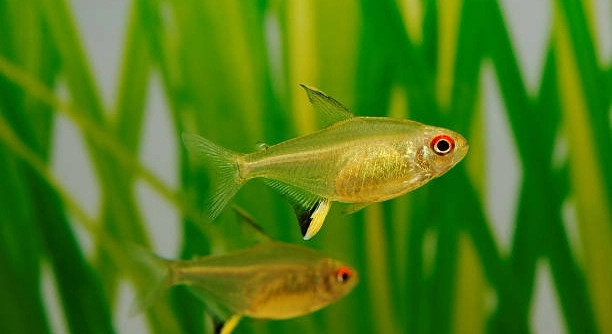
Have you ever noticed your lemon tetras swimming oddly right after a water change? They may dart around quickly, hide in corners, or seem restless for a while. This behavior can surprise even experienced aquarium owners.
Lemon tetras often act strange after a water change due to sudden shifts in water parameters. Changes in temperature, pH, or chemical composition can stress the fish, triggering temporary erratic swimming or hiding behaviors until they adjust.
Observing these changes closely can help you maintain a calm and healthy aquarium environment for your tetras.
Common Causes of Strange Behavior After Water Changes
When I first noticed my lemon tetras acting oddly after a water change, I was unsure what was happening. The most common reason is a sudden shift in water conditions. Even small changes in temperature, pH, or hardness can stress the fish. Chlorine or chloramine in tap water can also irritate them if the water isn’t properly treated. Additionally, moving decorations or disturbing the substrate during cleaning can make them feel insecure. Tetras are small and sensitive, so even minor disruptions can trigger darting or hiding. Overfeeding before or after a water change can also impact their behavior, as uneaten food may alter water quality. Observing how they react after each water change can help you identify patterns. By keeping water stable and making changes slowly, lemon tetras adjust more quickly, reducing stress and abnormal swimming behavior in the tank.
Temperature fluctuations and sudden chemical changes are the main reasons for erratic behavior after water changes. Maintaining stability minimizes stress.
Noticing changes in behavior early allows you to correct water parameters quickly. Consistent water testing and gradual adjustments help keep tetras calm and healthy over time. Watching their reactions carefully can prevent long-term health issues and improve overall tank harmony.
How to Minimize Stress During Water Changes
Using slow, measured water changes is key to keeping tetras comfortable. Adding water gradually rather than all at once allows them to acclimate.
When changing water, I always make sure the new water closely matches the tank’s temperature and pH. Sudden differences can shock lemon tetras, causing erratic swimming or hiding. Using a dechlorinator is essential to neutralize harmful chemicals in tap water. Partial water changes are better than replacing all water at once. Moving decorations or stirring the substrate minimally helps reduce stress. Feeding smaller amounts around water change time also keeps water quality stable. Observing fish during and after water changes helps identify sensitive spots in their environment. Over time, these careful steps make lemon tetras less reactive, maintaining calmer, more predictable behavior. Consistent routines, careful measurement, and patient observation are the best ways to ensure they stay healthy, stress-free, and active.
Adjusting Water Parameters Slowly
Sudden changes in water chemistry can shock lemon tetras. Adjusting pH, hardness, and temperature gradually helps them adapt without stress. Consistent monitoring reduces erratic swimming and hiding behaviors, keeping the tank calm.
I remember when I first tried adjusting my tank too quickly. The tetras became frantic, darting from side to side and hiding among plants. After learning to change water parameters in small increments, they settled much faster. Slowly adding new water and monitoring temperature with a reliable thermometer made a big difference. Even small changes in pH can cause noticeable stress, so I test the water before and after each change. This method keeps their behavior normal and prevents long-term health problems.
Using gentle adjustments also helps maintain beneficial bacteria in the tank. Sudden changes can disrupt the balance, affecting water quality and fish health. Gradual acclimation allows tetras to swim normally and reduces aggressive interactions. Over time, they become more resilient and display regular feeding and social behaviors. Regular testing and slow changes are essential to prevent repeated stress and maintain a stable, healthy aquarium environment.
Observing Behavior Post-Water Change
Noticing minor behavior changes early helps prevent bigger problems. Lemon tetras show stress through swimming patterns, hiding, and color changes.
I often watch my tetras closely after each water change. When they dart or cluster near decorations, it’s a sign they are adjusting. Sometimes one fish may seem more anxious than others, which can indicate sensitivity to temperature or pH shifts. Observing their activity, how they interact, and where they spend time in the tank gives insight into how well they are coping. Small changes in behavior can signal water quality issues, stress, or discomfort that need addressing before they escalate. This approach has made it easier to maintain a calm, healthy tank.
Tracking behavior over days helps identify patterns. Noticing which water change methods cause the least stress allows for better routines. Monitoring feeding habits, color vibrancy, and swimming activity gives a clear picture of their well-being. Combining careful observation with gradual water adjustments ensures the tetras remain healthy. Over time, it becomes easier to predict how they will react, making each water change smoother and less stressful for the entire tank.
Importance of Consistent Routine
Keeping a regular water change schedule helps lemon tetras feel secure. Predictable routines reduce stress and prevent sudden behavioral changes. Consistency in timing, amount, and method is key to their well-being.
Even minor deviations from the usual routine can make tetras uneasy. I noticed that when I delayed a scheduled water change, my fish became more skittish and less active. Following the same procedure each time helps them adjust and stay calm. Consistency also makes it easier to spot abnormal behavior, as any sudden changes stand out clearly against their normal routine.
Water Testing Essentials
Regular testing of temperature, pH, and ammonia levels ensures a stable environment. Frequent monitoring helps catch issues before they stress fish.
Feeding Considerations
Feeding immediately after a water change can stress lemon tetras. Waiting allows the fish to adjust to the new conditions.
Tank Environment Factors
Plants, decorations, and hiding spots reduce stress. A well-structured tank gives lemon tetras comfort and helps normalize behavior.
Why do my lemon tetras swim frantically after a water change?
When I first noticed this behavior, I was worried it meant something was wrong. Lemon tetras are sensitive to sudden changes in water conditions. Even small shifts in temperature, pH, or hardness can make them swim erratically. It’s a stress response that usually settles within a few hours if the water conditions are otherwise good.
How long does it take for lemon tetras to calm down?
From my experience, it usually takes anywhere from a few minutes to a couple of hours for them to adjust. If the water change was large or the new water parameters differ significantly, it may take longer. Observing their activity and location in the tank helps gauge when they feel comfortable again.
Is it harmful if they act strange after a water change?
Temporary stress itself isn’t harmful if the water is clean and stable. I’ve seen my tetras recover quickly once conditions stabilized. Prolonged stress, however, can affect appetite, immune response, and overall health. Consistently monitoring water parameters and maintaining proper routines prevents long-term issues.
Should I change water less often to prevent stress?
Reducing water changes isn’t always the solution. In my tank, smaller, more frequent changes work better than large, infrequent ones. Partial water changes help maintain stable water chemistry without shocking the fish, keeping them calm and healthy.
Can water temperature differences cause erratic behavior?
Yes, temperature differences are one of the main triggers. I always make sure the new water matches the tank temperature closely. Even a few degrees difference can make lemon tetras dart or hide. Using a thermometer to monitor and adjust helps reduce stress during water changes.
Does pH affect their behavior after a water change?
Absolutely. Lemon tetras prefer slightly acidic to neutral water. If the new water has a different pH, they may act restless or hide. I test pH before and after water changes to ensure it stays consistent, which keeps their behavior normal.
Can chlorine or chemicals in tap water affect them?
Yes, untreated tap water can contain chlorine or chloramine that irritates fish. I always use a water conditioner to neutralize harmful chemicals before adding water. This simple step prevents stress and ensures my tetras remain active and healthy.
Should I feed them right after a water change?
I usually wait a short while before feeding. Lemon tetras may be stressed immediately after a water change, and feeding too soon can increase water pollution and stress. Waiting allows them to adjust, making feeding more effective and reducing erratic behavior.
Do decorations and plants help reduce stress?
Definitely. My tetras often hide among plants or decorations right after water changes. Providing plenty of hiding spots and structured areas helps them feel safe and accelerates recovery from temporary stress. It also reduces aggressive interactions and keeps the tank environment stable.
Is it normal for only some tetras to act strange?
Yes, individual sensitivity varies. I’ve noticed some fish are more reactive to water changes than others. Observing the most sensitive fish helps identify potential issues with water parameters. Adjusting water gradually ensures the whole group adapts smoothly.
Can frequent water changes make them more stressed?
Overdoing it can cause stress. I’ve learned that frequent, small changes are better than large, sudden ones. This approach balances clean water with stability, minimizing behavioral problems and supporting their overall health.
How can I know if the behavior indicates a serious problem?
If erratic swimming persists for more than a day, or is accompanied by loss of appetite, fading color, or lethargy, it may indicate illness or poor water quality. I test water and observe closely to decide if intervention is needed. Prompt action prevents more serious issues.
Do older or younger tetras react differently?
Younger tetras tend to be more skittish, while older, more experienced fish usually adjust faster. I watch juveniles closely during water changes to ensure they are not overly stressed, while older tetras often adapt with minimal fuss.
Are partial water changes safer than full water changes?
Yes, partial water changes reduce sudden shifts in water parameters. I usually replace 20–30% of the water at a time. This keeps the tank clean without shocking the fish, helping maintain calm behavior and overall tank stability.
How can I make water changes less stressful over time?
Consistency is key. I follow the same routine, match water parameters carefully, and avoid disturbing decorations. Gradual acclimation, proper feeding, and regular monitoring help my lemon tetras stay calm during every water change. Over time, this routine reduces stress and abnormal behavior significantly.
What signs show they have fully adjusted?
Calm swimming, normal feeding, and interaction with other tetras indicate they’ve adjusted. In my tank, once they explore the open water again and return to regular routines, I know the stress response has passed. Regular observation ensures their health remains optimal.
Can tank size affect their reaction to water changes?
Smaller tanks tend to show more noticeable stress. In my experience, larger tanks buffer changes better. Partial water changes in smaller tanks should be done even more gradually to prevent sudden parameter shifts that can trigger erratic behavior.
Is it normal for them to hide after a water change?
Yes, hiding is a natural response to sudden changes. I always make sure there are enough plants and hiding spots so my tetras can feel safe. Once they adjust, they resume normal swimming patterns and explore the tank confidently.
Can using a drip method for water changes help?
Yes, the drip method gradually introduces new water. I’ve found it very effective for sensitive fish. By slowly equalizing water parameters, tetras remain calm and show minimal signs of stress, even in smaller tanks or during larger water changes.
Does water hardness play a role in their behavior?
Hardness can affect stress levels. Lemon tetras prefer softer water. Sudden changes in hardness can make them restless or hide. I check general and carbonate hardness regularly, adjusting slowly when necessary to keep their behavior normal.
Are there any long-term effects from frequent stress during water changes?
Repeated stress can weaken immune systems, reduce appetite, and affect growth. I’ve noticed that minimizing abrupt changes and maintaining consistent routines helps prevent long-term issues, ensuring my tetras stay healthy, active, and display natural behaviors over time.
How important is observation during water changes?
Observation is essential. I watch every water change to see how fish react. This helps identify potential problems early, ensures new water is safe, and allows me to intervene if stress signs persist. Careful observation keeps the tank environment safe and predictable.
Can acclimating new water before adding it reduce stress?
Yes, pre-conditioning water to match tank temperature, pH, and hardness reduces shock. I usually let new water sit and adjust for a while before pouring it in. This makes transitions smoother and minimizes erratic swimming or hiding behaviors.
Do they recover faster with plants and covers?
Definitely. My tetras seek shelter among plants and decorations immediately after water changes. Having plenty of cover gives them confidence, reduces stress, and allows them to return to normal swimming behavior more quickly.
Is it normal for behavior to vary between water changes?
Yes, factors like water temperature, pH, and time of day can influence reactions. I’ve noticed that minor variations sometimes make them more active or skittish. Tracking conditions helps predict behavior and adjust water change practices accordingly.
What’s the best way to handle sensitive individuals?
Gentle water changes, extra hiding spots, and careful observation help the most sensitive tetras. I sometimes isolate very stressed fish temporarily if needed, allowing them to acclimate in a safe space before rejoining the group. This reduces overall stress in the tank.
Can frequent testing reduce stress?
Yes, consistent testing ensures water remains stable. I check temperature, pH, and chemicals regularly. Knowing the tank conditions are safe allows me to perform water changes confidently, minimizing stress and preventing abnormal behavior from occurring repeatedly.
How do I know if a water change routine is effective?
If tetras return to normal swimming and feeding quickly after each change, the routine is working. I track responses over weeks, adjusting parameters, timing, and method as needed. A steady routine keeps them calm and supports long-term health.
Is gradual change always better than sudden change?
In my experience, yes. Gradual changes allow the tetras to adjust mentally and physically. Even small shifts introduced slowly are far less stressful than sudden, large changes. This approach minimizes erratic swimming, hiding, and other stress-related behaviors.
How can I prevent stress in future water changes?
Consistent schedules, gradual adjustments, proper water treatment, and observation are the keys. I follow the same method each time, ensuring temperature, pH, and hardness match. Providing plants and hiding spots supports calm behavior, and monitoring reactions ensures quick corrective action if needed.
Final Thoughts
Watching lemon tetras act strange after a water change can be worrying, especially if you are new to keeping fish. From my experience, this behavior is usually a normal response to changes in their environment. Lemon tetras are small and sensitive creatures, and even minor shifts in water parameters like temperature, pH, and hardness can cause them to swim erratically, hide, or cluster in corners. It is important to remember that temporary stress is not harmful if handled carefully. Making water changes gradually and ensuring the new water closely matches the tank conditions allows them to adjust comfortably. Over time, you will notice that your fish become more familiar with the routine and recover more quickly after each change. Consistency in water maintenance is one of the best ways to reduce stress in the long run.
Another key point is observation. Paying attention to how your tetras react after a water change gives insight into their well-being. I’ve found that small differences in behavior, like swimming patterns, hiding frequency, or appetite, are good indicators of stress levels. Watching them helps identify potential issues early, whether it is a mismatch in water temperature or a sudden change in pH. Taking notes or remembering patterns from previous water changes can help you fine-tune your approach. Providing plenty of hiding spots, decorations, and plants makes a big difference as well. Lemon tetras feel safer in a structured environment, which reduces panic and allows them to resume normal swimming more quickly. Observation combined with careful water management is the most effective way to keep your fish healthy and calm.
Finally, patience and routine are essential. I’ve learned that sudden changes, even with good intentions, often cause unnecessary stress for my tetras. Partial water changes, consistent schedules, and pre-conditioning water are all simple steps that make a big difference. Feeding at appropriate times, avoiding overfeeding, and maintaining stable water quality are equally important. Over time, these practices create an environment where your tetras feel secure and their behavior returns to normal quickly after water changes. By understanding their sensitivity and planning your care carefully, you can ensure your lemon tetras remain healthy, active, and happy in your aquarium. Regular attention, gentle handling, and a steady routine turn what initially seems like erratic behavior into a predictable and manageable part of maintaining a thriving tank.

Hello,
If you enjoy the content that we create, please consider saying a "Thank You!" by leaving a tip.
Every little bit helps us continue crafting quality advice that supports the health, happiness, and well-being of pets around the world, for pets of all shapes, sizes, and species.
We really appreciate the kindness and support that you show us!