
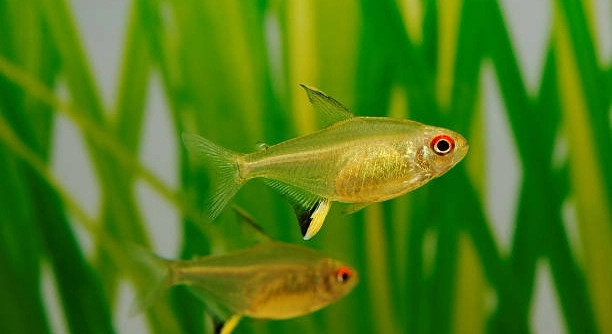
Lemon tetras are small, bright fish that bring life to any freshwater aquarium. Their cheerful yellow color and lively movements make them a favorite for beginners and experienced fish keepers alike. They easily adapt to community tanks.
Lemon tetras display seven main personality traits: they are active swimmers, social, curious, peaceful, sensitive to water conditions, playful, and resilient. These traits influence their behavior in community tanks and determine their overall health and interaction with other species.
Learning about these traits helps owners create a balanced environment. Recognizing their behaviors ensures a happier, healthier life for your lemon tetras.
Active Swimmers
Lemon tetras are always on the move. They rarely stay in one spot, swimming in tight groups that twist and turn together. Watching them, I often notice how they explore every corner of the tank without hesitation. Their constant motion makes them lively additions, keeping the aquarium dynamic. Even when the tank is quiet, they seem to have endless energy. This behavior shows their health and comfort in their environment. They use swimming not just to navigate but also to communicate subtle signals to each other. In larger tanks, they tend to spread out slightly but always return to the group. Their activity level is a good indicator of tank conditions. A sluggish tetra might be stressed or unwell. Observing these patterns daily helps me ensure the water quality, temperature, and tank companions are all suitable. Active swimming is a natural part of their personality and makes caring for them rewarding.
Their energy is consistent and engaging, making them enjoyable to observe throughout the day.
Lemon tetras’ activity also encourages other peaceful species to move more. Their presence stimulates interaction and can reduce boredom in smaller community tanks. Proper feeding and water management help maintain this lively behavior, creating a balanced and healthy tank ecosystem.
Social Nature
Lemon tetras prefer company and thrive in groups of six or more.
Their social behavior is evident in how they interact with each other. They swim together, sometimes forming small circles or following one another in synchronized patterns. This cohesion reduces stress and increases confidence among the group. I notice that a lone lemon tetra often hides or appears nervous, while those in a proper-sized school display bold, curious behavior. Their social structure is subtle but important—they establish gentle hierarchies without aggression. Social interaction also encourages healthy feeding habits, as more active fish often eat readily while shy individuals learn from them. Observing their small gestures, like nudges or quick turns, shows a level of communication that can be fascinating to watch. Group dynamics also affect their compatibility with other species, making it essential to consider numbers when planning a tank. Understanding and supporting their social needs ensures that lemon tetras are happier and healthier, and it makes the aquarium feel alive with movement.
Curious Nature
Lemon tetras are naturally inquisitive, often inspecting new plants, decorations, or tankmates. Their curiosity keeps them active and engaged, making daily observation enjoyable. They rarely ignore changes in their environment, responding quickly to new stimuli.
Their curiosity is noticeable when I add anything new to the tank. They swim close to inspect it from every angle, sometimes circling multiple times. Even small changes, like a slightly different light or plant placement, catch their attention. This behavior is not just playful—it helps them adapt to different conditions and recognize potential threats. Curious lemon tetras tend to explore more of the tank, keeping themselves fit and mentally stimulated. Watching them investigate reinforces their intelligence and gives insight into their comfort level. Curiosity also affects feeding, as they are often the first to approach new foods, encouraging hesitant tankmates to follow. Their alertness is a key part of their personality, showing they are active, aware, and healthy.
Curiosity also strengthens their social bonds, as lemon tetras often explore together. Group exploration reduces stress and enhances their confidence.
Peaceful Temperament
Lemon tetras are calm fish that rarely display aggression. Their peaceful nature makes them ideal for community tanks with similarly sized species.
Despite their small size, lemon tetras maintain a gentle presence. They avoid confrontation, preferring to swim away if another fish approaches aggressively. I notice that even during feeding, they rarely compete harshly for food, letting more timid species eat first. Their calm behavior reduces stress for everyone in the tank, contributing to overall harmony. Peacefulness extends to their interactions with tank decorations and plants—they do not uproot or damage the environment, which is helpful for planted tanks. Over time, their temperament helps establish a steady rhythm in the aquarium, where all species can coexist without constant tension. Even when new fish are introduced, lemon tetras adjust quickly, maintaining a balanced atmosphere. Observing their tranquil nature reassures me that the tank is a safe and healthy habitat.
Their peaceful temperament makes them compatible with a wide variety of species. Careful planning ensures that this calmness remains consistent, supporting long-term community stability.
Sensitivity to Water Conditions
Lemon tetras are highly responsive to changes in water quality. Even small fluctuations in temperature, pH, or ammonia levels can affect their behavior and health.
I’ve noticed that when the water is slightly off, they become less active and hide more. Maintaining stable conditions ensures they remain lively and comfortable, showing their true personality.
Playful Behavior
Lemon tetras often interact with each other through quick bursts of swimming and gentle chasing. Their playfulness is part of how they stay active and engaged in the tank environment. Playful interactions are most common in groups, encouraging coordinated movements and group cohesion.
Resilience
Lemon tetras are surprisingly hardy when their basic needs are met. Proper diet, clean water, and social grouping allow them to adapt to minor changes without long-term stress.
FAQ
How many lemon tetras should I keep together?
Lemon tetras are social fish that thrive in groups. I’ve found that keeping at least six together works best. Smaller numbers make them shy and less active, while larger groups encourage natural swimming patterns and social interaction, keeping the tank lively and balanced.
What water conditions are ideal for lemon tetras?
They prefer slightly acidic to neutral water, around pH 6.5 to 7.5, and temperatures between 72°F and 78°F. Stable conditions are essential. I always monitor ammonia and nitrate levels carefully because even small fluctuations can stress them, affecting both behavior and health.
Are lemon tetras aggressive toward other fish?
No, they are peaceful. I’ve kept them with small, non-aggressive species like guppies and rasboras without any issues. Their calm nature makes them ideal for community tanks. They avoid fights and usually swim away if a more dominant fish approaches.
What do lemon tetras eat?
They are omnivores and eat a mix of flake foods, small pellets, and frozen or live foods like brine shrimp or daphnia. I often notice that adding a variety to their diet keeps them energetic and encourages natural foraging behavior, which is satisfying to watch.
How can I tell if my lemon tetras are healthy?
Healthy fish are active, swim in groups, and have bright yellow coloration. I observe their fins and scales closely; any clamped fins, faded color, or lethargy can indicate stress or illness. Maintaining clean water and proper diet helps prevent most common problems.
Can lemon tetras live in planted tanks?
Yes, they do very well in planted aquariums. I’ve noticed they enjoy swimming through plants and hiding among them. Plants provide security and mimic their natural habitat, which keeps them less stressed and encourages natural behaviors like exploring and schooling.
Do lemon tetras need special lighting?
They do well under standard aquarium lighting. I personally use moderate lighting to show off their yellow color without causing stress. Too bright light can make them hide more, while dim lighting may dull their vibrant coloration.
How long do lemon tetras live?
With proper care, they usually live three to five years. I’ve seen some reach the higher end when their tank conditions are stable, diet is varied, and they are kept in a social group. Monitoring water quality regularly helps ensure longevity.
Can lemon tetras breed in a home aquarium?
Yes, they can. I’ve found that slightly acidic water and a separate breeding tank improve success. They scatter eggs among plants, and removing the adults afterward prevents them from eating the eggs. Fry need very small foods like infusoria or finely crushed flake foods initially.
Do lemon tetras get along with larger fish?
Generally, they prefer small, peaceful species. I’ve kept them with medium-sized tetras without problems, but larger aggressive fish may stress or harm them. Their safety depends on choosing compatible tankmates and maintaining plenty of hiding spaces.
How often should I feed lemon tetras?
Feeding them small amounts two to three times a day works well. I avoid overfeeding because leftover food can spoil water quality. Observing them during feeding helps gauge if everyone is eating and prevents waste buildup.
Are lemon tetras sensitive to sudden changes?
Yes, they react quickly to sudden temperature or pH changes. I always acclimate new water or tankmates slowly. Rapid changes can cause stress, lethargy, or illness, so patience and careful monitoring are important to keep them healthy.
What tank size is suitable for lemon tetras?
A minimum of 20 gallons works for a small school. I prefer slightly larger tanks because they give the tetras more space to swim actively and maintain social dynamics. More space reduces stress and allows for plants and decorations that encourage natural behavior.
Do lemon tetras need aeration?
Moderate aeration helps, but they do fine with a standard filter that circulates water well. I often add gentle bubbler activity to create small currents, which encourages swimming and ensures oxygen levels remain stable throughout the tank.
Can lemon tetras jump out of the tank?
Yes, they can. I’ve always used a secure lid or cover to prevent escapes. While they are not notorious jumpers, sudden disturbances or bright lights can make them leap, so covering the tank is a simple safety measure.
How do lemon tetras react to new tankmates?
They are generally curious but cautious. I introduce new fish slowly and observe interactions. Lemon tetras may swim around new arrivals, sometimes hiding at first, but they usually adapt quickly if the new fish are peaceful and similar in size.
Is it necessary to provide hiding spots?
Yes, hiding places reduce stress. I use plants, rocks, or small decorations to create secure areas. Lemon tetras often rest or regroup there, especially when they feel threatened, making them more comfortable and confident in the tank.
Do lemon tetras require special filtration?
Standard filtration works fine. I use a filter that provides gentle water flow. Strong currents can stress them, while stagnant water can reduce oxygen levels. Maintaining clean, well-circulated water keeps the tetras active and healthy.
Can lemon tetras tolerate cooler water?
They prefer warmer temperatures but can tolerate slightly cooler conditions for short periods. I keep the tank within their ideal range, as prolonged cooler water can reduce activity, dull color, and increase susceptibility to illness.
How can I tell if my lemon tetras are stressed?
Signs include hiding, clamped fins, fading color, or erratic swimming. I always check water quality, tankmates, and feeding habits when I notice stress. Correcting the cause quickly ensures they return to normal behavior and remain healthy.
Do lemon tetras interact with humans?
They do, in a subtle way. I notice them swimming closer during feeding or following my hand near the tank. While not interactive like some other species, their curiosity makes them enjoyable to watch and shows trust in their environment.
Are lemon tetras compatible with shrimp or snails?
Yes, they usually ignore small invertebrates. I’ve kept them with peaceful shrimp and snails without issues. Their non-aggressive nature allows for a mixed tank, but I always monitor interactions when introducing new species to ensure safety.
Do lemon tetras need regular water changes?
Yes, frequent partial water changes maintain stable water conditions. I change about 20-25% weekly. Consistent water quality prevents stress and disease, which is especially important given their sensitivity to water parameters.
What are common health issues in lemon tetras?
They can develop fin rot, ich, or stress-related illnesses if conditions are poor. I prevent problems with clean water, balanced diet, and compatible tankmates. Early observation of behavior and appearance allows for timely treatment and recovery.
How do I encourage natural schooling behavior?
Keeping them in groups of six or more and providing open swimming areas helps. I’ve seen them form tight schools during feeding or when exploring, which reflects their natural instincts and supports social well-being.
Can lemon tetras live in a small tank?
Technically yes, but space affects behavior. I prefer tanks over 20 gallons because it allows for active swimming, social interaction, and decoration without overcrowding. Small tanks can stress them and reduce lifespan.
Do lemon tetras need live plants?
Not required, but beneficial. I use live plants to mimic their natural habitat. Plants provide hiding spots, reduce stress, and improve water quality, which enhances overall health and natural behavior.
How quickly do lemon tetras adapt to new tanks?
They adapt within a few days if water conditions are stable. I notice initial cautious swimming and hiding, but once comfortable, they become active, explore the tank, and reestablish normal social behavior.
Are lemon tetras easy for beginners?
Yes, with proper care. They require stable water, social groups, and basic feeding routines. I’ve found them forgiving compared to more sensitive species, making them a good choice for anyone learning to maintain a community freshwater tank.
What is the best substrate for lemon tetras?
Fine gravel or sand works well. I use light-colored substrates to highlight their yellow color. Smooth substrates prevent injury and support plant growth, contributing to a comfortable and safe tank environment.
Do lemon tetras require supplemental vitamins?
Not usually, if fed a balanced diet. I sometimes add occasional frozen or live foods to diversify nutrition, which promotes color, energy, and overall health. Supplements may help if diet lacks variety.
How do lemon tetras behave at night?
They rest near plants or decorations, reducing activity but staying alert. I notice they maintain a sense of group cohesion, even while less active. Proper lighting cycles help regulate their natural day-night rhythm.
Can lemon tetras tolerate slightly salty water?
They prefer freshwater, but mild brackish conditions for short periods are usually tolerated. I avoid adding salt unless necessary for treatment because prolonged exposure can stress them.
Do lemon tetras have personality differences individually?
Yes, I’ve observed some are bolder while others remain shy. Individual differences influence swimming patterns, feeding, and interactions. Understanding these traits helps manage the tank and ensures all fish thrive.
How often should I clean the tank?
Regular cleaning is essential. I perform partial water changes weekly, clean decorations lightly, and monitor substrate for debris. Proper maintenance ensures healthy water parameters and reduces stress for lemon tetras.
Can lemon tetras recognize their owners?
Indirectly, yes. They respond to feeding routines and hand movements near the tank. While not interactive in the traditional sense, I notice consistent behavior that reflects familiarity and comfort in their environment.
Do lemon tetras need a heater?
Yes, maintaining 72°F to 78°F is ideal. I use a reliable heater to prevent temperature swings, which can cause stress or illness. Stable warmth supports active swimming, healthy feeding, and natural behavior patterns.
Are lemon tetras prone to jumping?
Occasionally, especially if startled. I use a secure lid to prevent escapes. Most of the time, they remain in the tank, but sudden changes in environment or light can trigger jumping.
What is the best way to acclimate new lemon tetras?
Float the bag in the tank to equalize temperature, then slowly add tank water over 30-60 minutes. I follow this routine to minimize stress and ensure smooth adaptation to the new environment.
Do lemon tetras require specific decorations?
Not strictly, but plants, rocks, and small hiding spots improve comfort. I’ve noticed they explore and rest among decorations, which supports natural behavior and reduces stress.
Can lemon tetras live with bettas?
Caution is needed. Betta aggression varies, and I’ve seen lemon tetras stressed when kept with aggressive males. Tanks should be monitored closely, and plenty of space and hiding spots are essential.
Do lemon tetras show signs of aging?
Yes, older fish may become less active, swim slower, and show faded coloration. I monitor these signs to ensure they remain comfortable and adjust care routines as needed.
How do lemon tetras respond to feeding schedules?
They quickly learn routines and show anticipation. I notice they gather near the feeding area before food is added, reflecting their adaptability and memory. Consistent schedules help maintain health and social cohesion.
Can lemon tetras coexist with corydoras catfish?
Yes, they are compatible. I’ve kept them together without issue. Corydoras occupy the bottom while lemon tetras swim mid to top levels, reducing competition and supporting a balanced tank environment.
Do lemon tetras require special tank cycling?
They benefit from a fully cycled tank to ensure stable water conditions. I always establish biological filtration before introducing them, as uncycled water can stress or harm them.
Are lemon tetras prone to disease?
They are hardy, but poor water quality, overcrowding, or stress can cause illness. I prevent problems through regular monitoring, proper feeding, and maintaining social groups. Early detection allows for timely treatment and recovery.
How can I identify males and females?
Males are usually slimmer with brighter coloration, while females appear rounder, especially when carrying eggs. I’ve observed these subtle differences over time, which helps when planning breeding or monitoring group dynamics.
Do lemon tetras interact with other tetras?
Yes, they often swim with similar species like ember tetras. I notice coordinated movements and schooling behaviors that enhance social cohesion. Choosing compatible tetras supports harmony and reduces stress.
Can lemon tetras tolerate changes in light cycles?
They adapt gradually, but sudden changes can cause hiding or stress. I maintain consistent lighting periods to mimic natural day-night cycles, which promotes active behavior and healthy rhythms.
Are lemon tetras good for small community tanks?
Yes, with careful planning. I recommend at least a 20-gallon tank, peaceful tankmates, and stable water conditions. Their small size and calm temperament make them well-suited for smaller setups without aggressive species.
Do lemon tetras require water testing kits?
Yes, regular testing ensures pH, ammonia, nitrite, and nitrate levels are safe. I test weekly to prevent problems, as even minor deviations affect their health and behavior.
Can lemon tetras live in a bare-bottom tank?
Yes, but they benefit from plants or decorations for hiding. I’ve kept them in bare tanks temporarily, but adding cover improves comfort, reduces stress, and encourages natural behavior.
How fast do lemon tetras grow?
They grow quickly in the first few months, reaching full size around 1.5 inches. I feed small, frequent meals to support steady growth and maintain bright coloration.
Do lemon tetras prefer soft or hard water?
They thrive in soft to moderately hard water. I maintain general hardness between 3-10 dGH. Extreme hardness or softness can stress them, affecting behavior and health.
Are lemon tetras suitable for aquascaping tanks?
Yes, they complement aquascaped setups. I enjoy how they swim among plants and decorations, enhancing the visual appeal while remaining active and visible in the mid-level water column.
Do lemon tetras require quarantine for new arrivals?
Yes, quarantining for 2-3 weeks prevents introducing diseases. I isolate new fish in a separate tank, monitor health, and only integrate them once I’m confident they are healthy.
How do lemon tetras react to strong currents?
They prefer gentle flow. I’ve noticed that strong currents make them struggle and hide more, reducing activity. Proper filter placement ensures comfortable swimming conditions while maintaining water quality.
Can lemon tetras tolerate cold nights?
Short drops in temperature are usually tolerated, but prolonged cold stresses them. I keep the heater consistent to maintain their ideal range and ensure normal behavior.
Do lemon tetras require nighttime darkness?
Yes, dim or dark conditions at night help them rest. I notice calmer behavior and reduced stress when lights follow a consistent day-night schedule.
Are lemon tetras suitable for novice aquarists?
Yes, with attention to water quality, social grouping, and feeding. I find them forgiving compared to delicate species, offering a good balance of beauty, behavior, and ease of care.
Can lemon tetras coexist with gouramis?
Generally yes, if gouramis are peaceful. I avoid aggressive or territorial gouramis to prevent stress. Proper tank space and decorations support compatibility.
Do lemon tetras require supplemental CO2?
No, CO2 is not necessary unless you have heavily planted tanks. I use standard aquarium conditions with low-maintenance plants, which keeps the tetras comfortable.
How do lemon tetras behave during feeding time?
They become active and alert, often swimming together toward the food. I notice coordination in the group, where more timid fish are encouraged to join once confident.
Are lemon tetras sensitive to medications?
Yes, overdosing can harm them. I carefully follow dosage instructions and monitor behavior during treatment. Sensitivity varies, so I always err on the side of caution.
Do lemon tetras interact with other tank levels?
Mostly mid-level swimmers, they occasionally explore top or bottom areas. I notice vertical movement during feeding or exploration, which adds dynamic activity to the tank.
Can lemon tetras live with angelfish?
Caution is advised. I’ve seen small tetras stressed by large angelfish. Compatibility depends on tank size, angelfish temperament, and plenty of hiding spaces for tetras.
Do lemon tetras show mating behaviors outside breeding season?
Yes, occasional chasing or pairing may occur, but actual spawning is seasonal. I’ve observed minor displays that indicate health and social bonding rather than full reproduction.
How do lemon tetras respond to noise or vibrations?
They may hide or swim erratically if exposed to sudden disturbances. I keep the tank in a quiet area to minimize stress and allow natural behavior to continue uninterrupted.
Are lemon tetras compatible with African dwarf frogs?
Yes, they coexist well. I monitor interactions during initial introduction, but generally they share space without conflict. Each species occupies slightly different areas, reducing competition.
Do lemon tetras require specific minerals in water?
Standard aquarium water with balanced hardness is sufficient. I avoid adding extra minerals unless testing shows deficiency. Proper filtration and regular water changes maintain mineral balance naturally.
Can lemon tetras tolerate temporary high temperatures?
Short periods are usually fine, but prolonged heat stresses them. I monitor the tank closely during warmer months and use cooling methods if needed.
Do lemon tetras need frequent observation?
Yes, regular monitoring helps detect stress, illness, or social issues early. I check water quality, behavior, and group interactions daily to ensure their well-being and maintain a harmonious tank environment.
Are lemon tetras sensitive to chemical cleaners?
Yes, residues from cleaners or soaps can be toxic. I always rinse decorations thoroughly and never use chemicals near the tank. Safe cleaning practices prevent health problems and maintain water quality.
Do lemon tetras enjoy tank enrichment?
Yes, plants, rocks, and small open swimming areas keep them active. I’ve noticed enriched environments reduce hiding behavior and increase playful interactions.
Can lemon tetras tolerate occasional fasting?
Yes, skipping a single feeding occasionally does not harm them. I avoid frequent fasting and ensure consistent nutrition to maintain health, coloration, and activity levels.
Do lemon tetras respond to human presence visually or vocally?
Primarily visually. They notice movement near the tank and sometimes approach, showing curiosity. They do not respond to sounds in the same way but can sense vibrations in the water.
Are lemon tetras suitable for planted breeding tanks?
Yes, dense plants encourage egg scattering and protection for fry. I use fine-leaved plants to provide suitable hiding places and improve survival rates.
Can lemon tetras live in slightly alkaline water?
They tolerate mild alkalinity but prefer neutral to slightly acidic conditions. I maintain pH around 6.5–7.5 to keep them active, colorful, and healthy.
**Do
Lemon tetras are small, colorful fish that bring life and movement to any freshwater aquarium. Their bright yellow color and lively swimming make them enjoyable to watch. They are social and prefer to be in groups, which makes their behavior more interesting and engaging. Keeping a proper number of lemon tetras allows them to display natural schooling behavior, moving together in coordinated patterns that are fascinating to observe. They are peaceful, curious, and playful, which makes them ideal for community tanks with other small, non-aggressive species. Their personality traits are easy to notice, from the way they explore their environment to how they interact with one another, and these traits help owners understand what makes lemon tetras unique.
Caring for lemon tetras requires attention to water conditions, diet, and social grouping. They are sensitive to changes in temperature, pH, and ammonia levels, so maintaining stable water parameters is important. Regular water testing and partial water changes help prevent stress and illness. Feeding them a varied diet, including flake foods, small pellets, and occasional live or frozen treats, keeps them healthy and energetic. Lemon tetras also benefit from planted tanks or decorations that provide hiding spots, which reduces stress and encourages natural behavior. Observing their reactions to changes in the tank can give insight into their health and comfort, and small adjustments can have a significant positive impact on their well-being.
Overall, lemon tetras are hardy, adaptable, and visually appealing fish that fit well in community aquariums. Their playful and social nature makes caring for them rewarding, and their small size allows them to thrive in modestly sized tanks while still displaying their full range of behaviors. By providing stable water conditions, a balanced diet, and a supportive environment, owners can enjoy their natural personality traits and ensure they live long, healthy lives. Watching lemon tetras interact with one another and their surroundings provides a quiet and consistent source of enjoyment, making them a great choice for anyone looking to add active, peaceful, and colorful fish to their aquarium.

Hello,
If you enjoy the content that we create, please consider saying a "Thank You!" by leaving a tip.
Every little bit helps us continue crafting quality advice that supports the health, happiness, and well-being of pets around the world, for pets of all shapes, sizes, and species.
We really appreciate the kindness and support that you show us!