
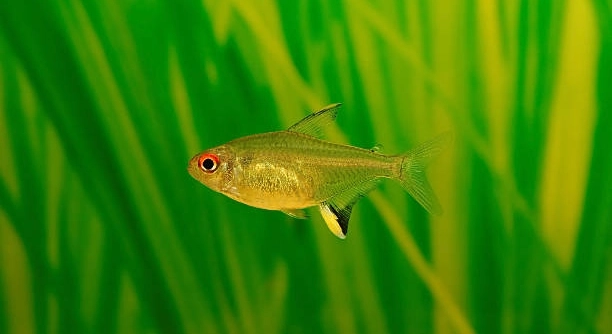
Lemon tetras are small, vibrant fish that add life to any aquarium. Their playful movements and social nature make them fascinating to watch. Keeping them engaged ensures they remain healthy, active, and display their natural behaviors consistently.
Providing varied environments, interactive toys, and consistent feeding routines are essential for lemon tetra stimulation. Structured care, including plants, hiding spots, and mild current flow, promotes mental activity and supports their social interactions, ultimately enhancing overall wellbeing.
Ensuring your lemon tetras are entertained improves their vitality and strengthens the dynamic of your aquarium community over time.
Create a Lively Environment
Lemon tetras thrive in aquariums that mimic their natural habitat. Adding live plants, small rocks, and driftwood offers hiding places and exploration areas. Varied textures and heights keep them curious and active. Floating plants can provide shaded zones, while open swimming areas encourage exercise. Changing decorations occasionally can prevent boredom and stimulate natural behaviors. Soft substrate is ideal, as lemon tetras may explore the bottom. Proper lighting not only highlights their bright colors but also supports plant growth, which indirectly benefits the fish. Moderate water movement adds variety to their swimming patterns and encourages social interaction. Observing their reactions helps identify which additions they enjoy most. Temperature and pH stability are crucial for consistent activity levels. Providing a mix of shelter and open space ensures that every tetra feels secure while having room to play. Regular maintenance of these elements keeps the environment engaging over time.
Creating a dynamic habitat boosts their activity and mental stimulation, making them healthier and visibly more vibrant.
Small changes in the tank setup can keep lemon tetras engaged. Rotating plants, adjusting hiding spots, and providing varied swimming areas help maintain their natural curiosity and energy, leading to a lively, balanced aquarium.
Interactive Feeding Techniques
Feeding time can become a source of entertainment for lemon tetras. Instead of placing food in one spot, scattering flakes or micro pellets encourages swimming and foraging. Live or frozen foods like daphnia or brine shrimp promote natural hunting instincts and variety in diet. Using feeding rings or small floating devices can guide the tetras to specific areas, turning mealtime into a controlled activity. Changing feeding routines slightly, such as alternating morning and evening sessions, adds mild unpredictability that stimulates interest. Observing how the tetras respond allows you to refine techniques and ensure all fish are actively engaged. Avoid overfeeding, as leftover food can affect water quality and reduce their motivation to explore. Combining regular feeding with environmental enrichment strengthens natural behaviors and overall health. Careful attention to portion control, timing, and presentation transforms feeding into a productive form of entertainment while maintaining their well-being.
Rotating feeding methods and using live foods helps maintain interest and encourages natural foraging behaviors. This approach supports both their nutrition and activity levels.
Consistently varying feeding techniques prevents boredom and promotes mental engagement. Scattering food across the tank, introducing small live treats, and occasionally changing feeding times help lemon tetras remain active. Combining these practices with a structured routine balances stimulation with healthy nutrition, keeping them alert, energetic, and social. Over time, tetras learn to explore for food, reinforcing natural instincts and adding a dynamic element to the aquarium. Monitoring behavior during feeding also provides insight into their health and social dynamics, allowing adjustments to maintain harmony. Interactive feeding strengthens both physical and mental well-being, making the tank environment more interesting for them while encouraging observation and care from the keeper. This simple yet effective approach ensures lemon tetras enjoy a consistent, engaging routine that benefits overall vitality and group cohesion.
Add Hiding Spots
Providing hiding spots reduces stress and encourages exploration. Small caves, dense plant clusters, or driftwood give lemon tetras areas to retreat, which supports natural behaviors and keeps them active within the tank environment.
Hiding spots create security while promoting curiosity. Lemon tetras instinctively seek cover when resting or feeling cautious. Arranging decorations at different levels allows them to explore vertically and horizontally, making the tank feel more dynamic. These areas also support social interactions, as fish can move freely without feeling threatened. By observing their use of hiding spots, adjustments can be made to balance open swimming areas with shelter. Over time, a well-structured environment encourages more consistent activity and healthier behavior patterns. Regularly rotating or slightly adjusting hiding areas maintains interest and prevents monotony, ensuring each tetra remains engaged with their surroundings and continues to demonstrate natural instincts.
Strategically placed hiding spots also encourage group dynamics. Lemon tetras may swim together or separately depending on their comfort, using caves or plants to regulate interactions. These spaces create variety in movement, offering both shelter and opportunity. When balanced with open swimming areas, hiding spots contribute to mental stimulation and overall well-being. Careful placement ensures fish do not become isolated, maintaining a healthy social structure. By integrating multiple hiding areas, the tank environment becomes more enriching, supporting natural behaviors while keeping tetras active. Over time, this encourages confident, energetic fish that interact dynamically with their surroundings, enhancing both health and tank enjoyment.
Introduce Gentle Current
A gentle water current encourages exercise and simulates natural conditions. It stimulates swimming and helps lemon tetras remain active without causing stress.
Water movement affects swimming patterns and social behavior. Mild currents can be created with filter outlets or adjustable pumps. Tetras enjoy flowing areas where they can swim freely, often forming small schools that navigate together. This natural activity supports physical fitness and prevents lethargy. By observing how fish respond to currents, adjustments can ensure optimal strength and comfort. Too strong a current can cause stress, while too little reduces stimulation. Properly introduced, gentle currents enhance interaction with the environment, maintain energy levels, and contribute to overall tank health.
Currents also improve oxygenation and water quality. By circulating water evenly, movement ensures all areas of the tank receive fresh oxygen, benefiting plants and fish alike. The gentle flow encourages lemon tetras to explore different zones, strengthening swimming muscles and reinforcing natural schooling behavior. Combined with strategically placed hiding spots and varied tank structures, a current adds dynamic movement to daily routines. Adjusting flow speed periodically keeps the environment stimulating, preventing boredom. Over time, tetras become more confident and active, responding naturally to changes. This simple technique improves both mental and physical health while maintaining a lively aquarium atmosphere.
Use Floating Plants
Floating plants create shaded areas and add depth to the tank. Lemon tetras feel more secure with spots to hide near the surface, which encourages natural movement and reduces stress.
These plants also break up open swimming space, making exploration more engaging. Their presence enhances tank aesthetics while providing gentle cover, stimulating curiosity and interaction with the environment.
Rotate Decorations
Changing decorations periodically keeps the aquarium interesting. New arrangements of plants, rocks, or driftwood encourage exploration and prevent boredom. Lemon tetras react positively to novelty, investigating new structures and using them for hiding or swimming challenges. Rotation stimulates mental engagement and promotes active behaviors, supporting overall health.
Mirror Reflections
Occasional mirror exposure can spark activity. Lemon tetras may investigate their reflection, swimming energetically and displaying social behaviors without stress, adding variety to their routine.
FAQ
How often should I change the tank layout for my lemon tetras?
Changing the tank layout every few weeks is sufficient to keep lemon tetras engaged. Small adjustments like moving plants, rocks, or adding new hiding spots stimulate exploration without causing stress. Sudden, drastic changes can confuse them, so gradual rotations are best. Observing their response helps identify which changes they enjoy most.
Can lemon tetras interact with other fish during play?
Yes, lemon tetras are generally peaceful and enjoy interacting with other small, non-aggressive species. Introducing tank mates that share similar water preferences encourages natural schooling and social behaviors. Avoid larger or aggressive fish, as these can stress tetras and limit their willingness to explore. Maintaining harmony ensures consistent activity and reduces hiding tendencies.
What types of toys or enrichment items are safe?
Small floating rings, gentle water currents, or soft plant mats provide safe stimulation. Avoid sharp or rough materials that can injure delicate fins. Items should not obstruct swimming space excessively. Natural decorations like driftwood or plants serve dual purposes: visual interest and hiding opportunities. Observing interactions ensures they are engaging without stress.
Is it beneficial to vary feeding techniques?
Yes, scattering food, using feeding rings, or introducing small live treats encourages natural foraging instincts. Varying feeding times and methods maintains curiosity and activity, preventing boredom. Portion control is essential to avoid leftover food affecting water quality. Consistent variation stimulates mental engagement while supporting a healthy diet.
How do hiding spots impact social behavior?
Hiding spots reduce stress and allow tetras to regulate interactions. Fish use shelters when resting or feeling cautious, which encourages confident exploration elsewhere. Strategically placed hiding spots support natural schooling and reduce aggressive tendencies. Observing use helps maintain balance between open swimming areas and covered spaces.
Can mirror exposure be used regularly?
Occasional brief mirror exposure can increase activity without causing aggression. Tetras may swim energetically and display social behaviors when seeing their reflection. Prolonged exposure should be avoided, as it can stress some individuals. Controlled, short periods provide stimulation and variation in their routine.
Does water flow affect activity levels?
Yes, gentle currents encourage swimming and simulate natural conditions. Mild flow improves physical fitness and oxygenation. Too strong a current can cause stress, while no movement reduces stimulation. Adjusting flow gradually ensures tetras remain active and comfortable, promoting healthier swimming patterns and social interaction.
How do plants contribute to engagement?
Live and floating plants provide shelter, exploration opportunities, and mental stimulation. They create shaded areas and break up open swimming space, promoting curiosity. Plants also enhance water quality by supporting natural filtration and oxygen levels. Arranging them at different heights adds variety and encourages dynamic movement.
Should I introduce new elements gradually?
Yes, gradual introduction of decorations, toys, or live foods prevents stress and promotes positive interaction. Sudden changes can confuse tetras, reducing activity. Observing reactions to new elements allows fine-tuning to maintain interest. A balanced approach ensures consistent engagement and overall well-being over time.
How do I know if my lemon tetras are entertained?
Active swimming, schooling, exploring hiding spots, and engaging with new items indicate interest and stimulation. Lethargy, hiding excessively, or ignoring enrichment signals may suggest boredom or stress. Adjusting the environment, feeding methods, and rotation of decorations can restore activity and engagement. Regular observation is key to maintaining a lively, healthy tank.
This FAQ covers essential aspects of maintaining mental and physical stimulation for lemon tetras. Implementing these strategies supports natural behaviors, improves health, and encourages dynamic, active participation within the aquarium environment.
Final Thoughts
Lemon tetras are small but active fish that thrive when their environment is stimulating and varied. Providing a mix of hiding spots, plants, and open swimming areas allows them to move freely and display natural behaviors. Observing their activity helps determine which areas or features they prefer, allowing gradual adjustments to the tank setup. Simple changes, like rotating decorations or adding a gentle current, can make a noticeable difference in their engagement. Consistency in water quality, temperature, and lighting is equally important, as stable conditions encourage regular activity. When the environment balances security and exploration, lemon tetras tend to be healthier, more vibrant, and visibly more active, creating a more dynamic and enjoyable aquarium experience. Over time, these small adjustments contribute significantly to their mental stimulation and overall well-being.
Feeding routines also play a key role in keeping lemon tetras entertained. Scattering food, introducing small live or frozen treats, and occasionally using feeding rings encourages natural foraging behaviors. Varying the timing and methods of feeding prevents boredom and motivates them to move throughout the tank. Portion control is important to avoid leftover food affecting water quality, but thoughtful feeding strategies offer both physical and mental engagement. Interactive feeding can also help strengthen social behavior, as fish swim together or explore independently depending on their personalities. Combining feeding enrichment with environmental adjustments supports a more complete approach to their care, allowing them to remain active and interested in their surroundings. This consistency in engagement promotes long-term health and encourages natural, confident behaviors that make them easier to observe and enjoy.
Maintaining lemon tetras’ entertainment and activity requires attention to detail and small, consistent efforts. Incorporating plants, hiding spots, gentle currents, mirror reflections, and varied feeding keeps their environment stimulating and engaging. Watching their responses provides insight into their preferences and helps tailor adjustments over time. Even minor changes, like rotating decorations or introducing new enrichment items, can prevent stagnation and ensure mental and physical activity. Ensuring a balance between open space for swimming and secure areas for retreat reduces stress and supports social dynamics within the tank. By creating a structured yet flexible environment, lemon tetras can remain active, curious, and healthy. The overall goal is to provide a tank that encourages exploration, interaction, and natural behaviors without overwhelming them. A well-maintained and thoughtfully arranged aquarium not only benefits the tetras but also enhances the experience of observing their energy and liveliness every day. With attention to detail and simple strategies, lemon tetras can thrive, remain engaged, and display the full range of their natural behaviors in a safe, enjoyable habitat.

Hello,
If you enjoy the content that we create, please consider saying a "Thank You!" by leaving a tip.
Every little bit helps us continue crafting quality advice that supports the health, happiness, and well-being of pets around the world, for pets of all shapes, sizes, and species.
We really appreciate the kindness and support that you show us!