
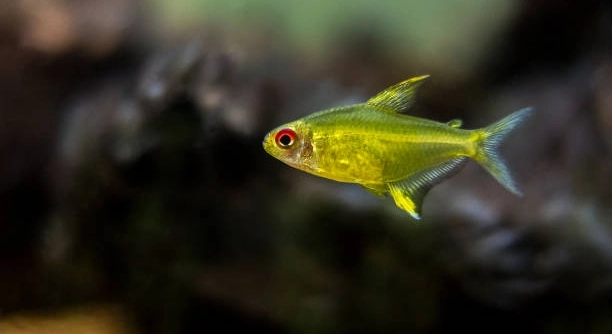
Have you ever watched a school of Lemon Tetra moving together and wondered how they manage coordination in the water while staying connected as a group with gentle signals that guide their peaceful interactions daily.
Lemon Tetra communicate in groups through subtle body movements, fin flicks, color shifts, spacing adjustments, synchronized swimming patterns, short bursts of motion and social positioning cues that help maintain order, strengthen cohesion and support stable group behavior in shared environments.
Their coordinated communication reveals patterns that shape group stability, offering insight into the methods these small fish rely on together.
Body Signals That Guide Group Movements
Lemon Tetra rely on steady visual cues to stay connected as they swim together. Their small bodies create signals that help maintain calm structure within the group. Subtle fin motions help direct spacing, allowing each fish to react without hesitation. Color tone changes support awareness, helping nearby fish read mood and intention with ease. These shifts are gentle but effective, keeping their movements coordinated in shared water. When one fish adjusts its direction, others respond through instinctive alignment shaped by these visual signals. This creates fluid movement that feels natural and steady. Their communication is quiet but steady, shaped by simple patterns that provide stability. Watching them interact shows how much they depend on these signals to avoid conflict and create smooth rhythm in their space.
These small cues create patterns that keep the group organized and help each fish remain aware of its place.
Their communication style reveals clear purpose, showing how gentle movements can shape steady group behavior and maintain structure in small aquatic spaces.
Social Patterns in Group Interaction
Lemon Tetra rely on coordinated movements that blend body language with structured spacing to help maintain order in their environment.
Their social patterns are shaped by simple but effective systems that guide how they respond to one another. When swimming in groups, they depend on consistent spacing, which helps them avoid unnecessary contact and maintain control in their shared area. Synchronized motion reinforces stability by keeping every fish aligned with the shared direction of the group. Quick motions can indicate alertness, signaling others to adjust their behavior or remain aware of changes in the environment. Subtle fin flicks support communication by offering hints of mood or intention, especially when the group is shifting positions. Color tone shifts provide additional context, allowing nearby fish to understand when energy levels rise or settle. Together, these signals support structure that feels natural, relying on basic interaction to create steady coordination that benefits the entire group.
Coordinated Movements and Quick Signals
Lemon Tetra use clear body motions to maintain structure in their groups. Short bursts of movement help them react quickly, while steady alignment keeps them from losing rhythm. Their signals stay consistent, giving the group a stable pattern to follow without unnecessary confusion.
Their fast adjustments help maintain balance, especially when swimming through tight spaces. Each fish watches the movement of the others, responding with small shifts that keep them synchronized. Quick signals show alertness, guiding the group when energy levels change. These reactions help them avoid conflict while staying organized in shared water. Their coordination depends on simple cues that strengthen their ability to move as one.
Their rhythm shows how easily they combine instinct with awareness. Every motion supports their structure, helping them stay close without crowding each other. Their communication relies on gentle patterns shaped by motion, light changes and steady alignment, creating a calm but responsive group dynamic.
Subtle Color Changes and Mood Signals
Lemon Tetra use color shifts to indicate mood or intention, helping their group understand when energy is rising or settling. These subtle changes support awareness, allowing other fish to respond calmly. Their tones become slightly brighter when alert, helping maintain structure in shared swimming spaces.
These color changes work alongside their movements, offering small hints about their comfort or caution levels. When their tones look brighter, the group becomes more responsive and maintains closer spacing. When their color softens, the group relaxes, allowing movement to slow naturally. Each shift supports quiet communication, helping prevent confusion. Their subtle signals keep everyone aware, shaping the calm flow of the group while maintaining the simple structure they depend on.
Spatial Awareness and Group Positioning
Lemon Tetra maintain steady spacing to avoid unnecessary tension in their group. Each fish watches the position of the others, adjusting just enough to keep a smooth flow. Their spacing habits support calm structure, allowing them to move together with gentle coordination.
Their positioning patterns rely on quiet adjustments that prevent crowding. When one fish moves slightly, others follow with small shifts that keep the group balanced. This steady awareness helps them avoid collisions and maintain simple order in their shared swimming space.
Short Bursts That Signal Alertness
Lemon Tetra use quick motion changes when reacting to sudden shifts in their environment. These bursts of movement help warn nearby fish, creating a ripple of awareness. Their fast reactions guide the group toward safer positions while keeping everyone synchronized through steady visual cues.
Vibrational Cues Beneath the Water
Their subtle vibrations support communication by offering quiet signals that travel through the water. These cues help maintain awareness during low visibility.
How do Lemon Tetra communicate without sound?
Lemon Tetra rely heavily on visual and vibrational cues rather than sound. Their body movements, fin flicks, and subtle color changes convey messages to nearby fish. Even small changes in posture or swimming speed can signal alertness, comfort, or the need to adjust spacing. These signals are consistent and instinctive, allowing the group to maintain cohesion without noise. Vibrations created by rapid fin movement or short bursts of swimming travel through water and provide another layer of communication. By combining visual cues with vibrations, Lemon Tetra can coordinate group behavior effectively, even in areas with low light or murky water.
Why do their colors change in groups?
Color changes in Lemon Tetra are subtle but meaningful. Brighter tones often indicate alertness or heightened activity, while muted shades suggest calm or relaxed behavior. These color signals help other fish understand intentions, enabling smooth group interactions. The shifts are usually noticeable only in close proximity but play an essential role in maintaining order. Color cues work alongside body movements, helping the group respond quickly to changes in swimming patterns or environmental conditions. Consistent observation of these tones ensures that fish maintain cohesion and avoid unnecessary stress. Their small size makes these signals efficient for quick group communication.
How do Lemon Tetra use fin movements to communicate?
Fin movements are a primary method for group signaling. Small flicks can indicate a change in direction or alertness, guiding nearby fish to adjust accordingly. Extended or angled fins can also signal dominance or readiness to react to environmental changes. These motions are subtle but highly effective, helping maintain spacing and coordination. Rapid bursts of fin activity create vibrations in the water, reinforcing the message to other fish. This combination of visual and tactile signaling allows Lemon Tetra to communicate efficiently without disturbing the overall flow of the group. Observing fin movements can reveal patterns in group behavior and social structure.
Do they have leaders within the group?
Groups of Lemon Tetra do not rely on a single leader, but certain fish often take the initiative in movement. These individuals may react first to environmental changes, and their quick adjustments influence the rest of the school. Leadership in this context is situational rather than fixed, with different fish taking the lead at various times. Other members follow through instinctive responses to visual and vibrational cues. This flexible approach ensures that the group can adapt quickly and safely to threats or changes in their surroundings. Leadership is subtle and constantly shifts, keeping the group balanced and synchronized.
How does group size affect communication?
The size of the group directly impacts the efficiency of communication. In smaller groups, signals are easily perceived and responded to, making coordination smooth. Larger groups require more consistent signaling to maintain spacing and order. Visual cues, fin movements, and color shifts need to be noticed quickly, or confusion may arise. Vibrational communication becomes more important in bigger groups, as it reaches multiple individuals simultaneously. Group size also affects movement patterns, with larger schools forming tighter formations to remain cohesive. Understanding the dynamics of group size helps explain why Lemon Tetra behavior can differ between small and large groups.
Can environmental changes impact their signals?
Environmental factors such as water clarity, lighting, and space influence how effectively Lemon Tetra communicate. In dim light, color changes may be less visible, increasing reliance on fin movements and vibrations. Crowded conditions may require faster adjustments to spacing signals to prevent stress. Temperature and water flow can also affect their swimming patterns and alertness, indirectly influencing communication efficiency. Clear water with ample space allows signals to be transmitted more reliably, supporting natural group cohesion. Observing their behavior under different conditions highlights how adaptable their communication system is and how it balances multiple sensory inputs.
Why is understanding their communication important for aquariums?
Recognizing how Lemon Tetra interact helps ensure their well-being in captivity. Proper tank size, lighting, and group composition support natural signaling, reducing stress and promoting healthy behavior. Observing fin movements, color changes, and group spacing can indicate when fish are comfortable or experiencing tension. Replicating natural conditions allows their communication patterns to function efficiently, maintaining stability within the school. This understanding can also guide feeding routines and introduce new fish with minimal disruption. Supporting their communication needs enhances not only their health but also the overall harmony and visual appeal of the aquarium.
How quickly do they respond to changes in the group?
Lemon Tetra respond almost instantly to subtle changes in the behavior of others. Even minor shifts in direction, speed, or fin position trigger immediate adjustments throughout the group. This rapid response helps maintain cohesion, preventing collisions or confusion. The combination of visual observation and vibrational feedback allows each fish to react efficiently, reinforcing the group’s rhythm. Quick responses are especially noticeable during feeding, exploration, or when reacting to perceived threats. Their ability to adapt ensures the group remains synchronized, demonstrating the effectiveness of their communication methods and the importance of continuous awareness within the school.
Do they communicate differently in the presence of other species?
When mixed with other fish species, Lemon Tetra may adjust their signaling slightly. They maintain visual and vibrational cues but tend to increase alertness and spacing to accommodate unfamiliar individuals. Color changes and fin movements become more pronounced as a precautionary measure. Despite these adjustments, their core communication patterns remain consistent, ensuring cohesion within the school. Observing their behavior in multi-species tanks reveals how flexible their signaling is while maintaining a balance between group coordination and cautious interaction with others. This adaptability highlights the effectiveness of their nonverbal communication strategies in various environments.
Are young Lemon Tetra able to communicate effectively?
Juvenile Lemon Tetra gradually develop communication skills as they grow. Early on, their movements and signals are less precise, but they quickly learn by observing and imitating older fish. Color changes, fin flicks, and spacing adjustments become more reliable over time. Group cohesion improves as young fish refine their responses, integrating seamlessly into the school. This learning process ensures that they can survive in groups and maintain natural behaviors. Understanding their developmental stages emphasizes the importance of supporting young fish in stable groups to foster proper social and communicative skills.
Lemon Tetra are small fish with surprisingly complex social behaviors. Observing their interactions reveals how they rely on subtle signals to maintain harmony within their group. Each movement, color shift, and spacing adjustment serves a purpose, helping the school remain coordinated and calm. These communication methods are instinctive, yet highly effective, showing that even small fish can develop sophisticated ways to interact. Their visual and vibrational cues allow them to respond quickly to changes in the environment or the behavior of other fish. This keeps the group balanced and reduces unnecessary stress, creating a smoother dynamic that benefits every member of the school.
Understanding Lemon Tetra communication is useful for both casual aquarium keepers and researchers. Recognizing how fin flicks, quick bursts, and color changes function as signals can help in maintaining a healthy tank environment. Proper tank size, lighting, and water conditions are essential to support natural behavior, ensuring the group can communicate without disruption. Observing these cues also allows for better management of feeding times, introducing new fish, and monitoring the overall well-being of the school. By paying attention to their social interactions, caretakers can create conditions that respect their natural instincts while promoting cohesion, stability, and calm behavior within the group.
Their communication patterns highlight the importance of subtlety and consistency in social behavior. Each action, no matter how small, contributes to the overall structure of the group. Vibrational cues, positioning, and visual signals work together to maintain balance, demonstrating how even tiny creatures rely on careful coordination. Watching Lemon Tetra interact can teach valuable lessons about patience, observation, and understanding natural rhythms. Their ability to adapt to changing conditions and maintain cohesion shows a balance between instinct and environmental awareness. Supporting these natural behaviors ensures that the fish remain healthy, responsive, and connected, emphasizing that simple signals can create a strong, stable social system in any small aquatic community.

Hello,
If you enjoy the content that we create, please consider saying a "Thank You!" by leaving a tip.
Every little bit helps us continue crafting quality advice that supports the health, happiness, and well-being of pets around the world, for pets of all shapes, sizes, and species.
We really appreciate the kindness and support that you show us!