
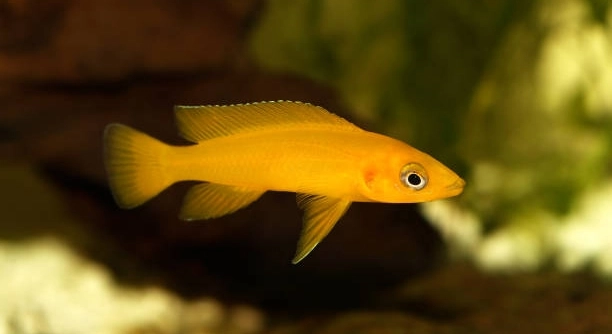
Have you ever watched your lemon tetras glide around the tank as they respond to the movements of other fish, creating a calm scene that highlights their gentle nature and sparks interest in their behavior.
Lemon tetras can exhibit learning influenced by observing other fish, particularly within shoaling groups. Their social structure allows them to respond to cues, adapt to group behaviors, and refine responses through repeated exposure, supporting a form of socially mediated learning.
As you explore their behavior further, you will notice subtle patterns that reveal how shared environments shape their daily interactions.
How Lemon Tetras Observe Their Tank Mates
Lemon tetras rely on steady visual cues to understand what is happening around them, and their calm movements often reflect how much they notice in a shared tank. I like how they adjust their pace when another fish changes direction, creating a soft rhythm in the water that feels almost intentional. Their small size does not limit their awareness, and they often follow repeated patterns from tank mates that help them respond with a bit more confidence. When they observe feeding routines or new decorations, they react in a way that shows recognition of familiar signals. This kind of behavior supports the idea that they can gather information from others without any dramatic displays. Their learning stays subtle, yet it gives them the ability to adapt to small changes that appear during daily care. Over time, these tiny adjustments reveal how observant they can be in steady surroundings each day.
Their learning remains dependent on steady exposure to shared behaviors, creating a setting where they can refine simple responses. By watching repeated actions from other fish, they slowly build patterns that help them adjust to feeding, movement changes, and small environmental shifts with gentle consistency that support their ongoing development.
Watching lemon tetras interact with others highlights how their environment shapes simple learning abilities that remain steady across daily routines. I often notice how they pick up small details from the fish they prefer to follow, creating a gentle sense of order in the tank. Their reactions become clearer when feeding schedules become predictable, allowing them to rely on consistency rather than confusion. They respond to familiar patterns with ease, showing how observation helps them adjust without stress. Over time, these quiet behaviors form a natural rhythm that reflects their awareness of shared spaces and stable interactions in their care.
Factors That Shape Their Learning Abilities
Lemon tetras rely on stable conditions that allow them to notice changes in movement, feeding routines, and social patterns within the tank. These steady influences guide their responses and help shape simple learning behaviors that remain clear through daily interactions, creating predictable and calm adjustments that support their development overall.
Lemon tetras benefit from environments that remain stable, allowing them to observe repeated actions from their tank mates and develop steady responses over time. Their learning is not dramatic, but it is shaped by consistency, calm surroundings, and predictable routines. I notice how they often mirror slow movements when other fish glide through open spaces, creating a shared pace that supports simple coordination. When feeding patterns remain unchanged, they respond with greater clarity, moving smoothly toward familiar areas of the tank. Their awareness strengthens when visual cues stay consistent, giving them the chance to connect specific movements with expected outcomes. Decorations, lighting, and water flow all influence how they interpret signals within the tank, guiding their behavior in subtle ways. They do not show complex problem solving, yet their steady adjustments reveal an ability to gather information from group behavior. Over time, these accumulated impressions help them refine how they react to daily activity around them. The more stable the environment, the easier it becomes for lemon tetras to build predictable responses that mirror the behaviors they observe. This pattern of gentle learning supports their comfort and helps maintain a peaceful setting that encourages healthy interaction within their shared habitat.
How Social Behavior Influences Their Reactions
Lemon tetras respond to steady group movements, and their behavior becomes clearer when they follow fish that maintain a calm pace. I notice how they stay close to familiar patterns, creating smooth adjustments that help them remain comfortable in shared spaces within the tank.
Lemon tetras depend on predictable signals from nearby fish, and their reactions form around these repeated interactions. When the group moves in a gentle rhythm, they mirror the pace without hesitation. Their awareness becomes stronger when feeding routines do not fluctuate, allowing them to associate movements with expected outcomes. I often see them settle into a calm pattern that reflects their comfort with familiar companions. Their simple form of learning shows up through these quiet moments, where they rely on observation rather than complex decision making. Over time, they develop a steady rhythm that matches the collective movements of their group.
Their behaviors become more consistent when the environment stays stable and prevents sudden changes that might disrupt their sense of order. Lemon tetras show smoother reactions when other fish display predictable habits, especially during feeding or when exploring open areas. I notice how they align themselves with calm tank mates, forming small groups that reinforce steady routines. Their simple awareness grows naturally when they remain close to fish that behave reliably. This shared sense of direction supports learning by allowing them to rely on repeated visual cues. With enough consistency, lemon tetras maintain balanced interactions that show how social behavior shapes their ability to adjust.
Environmental Stability and Its Impact on Learning
Stable environments help lemon tetras build predictable responses that rely on repeated cues from lighting, water movement, and feeding routines. When these factors remain consistent, their reactions become easier to follow, creating a calmer atmosphere that supports simple learning and steady daily interactions.
Lemon tetras respond strongly to consistent surroundings, and their ability to adjust depends on how predictable their environment remains. I notice that calm lighting, steady temperatures, and soft water flow help them interpret signals from their tank mates with more clarity. These conditions reduce confusion and support smoother group movements during feeding or exploration. Decorations that stay in the same place also give them visual reference points that guide their reactions. Their learning remains subtle, but it becomes more noticeable when they gather information from repeated experiences. Over time, these steady influences allow them to form clear expectations, making their behavior easier to understand and more aligned with the overall balance of their habitat.
Visual Cues and Group Awareness
Lemon tetras depend on steady visual signals, and their reactions improve when movements around them follow a calm pattern. I often notice how they adjust their pace based on what nearby fish are doing, creating gentle coordination in shared spaces.
Their awareness strengthens when lighting remains soft and predictable, helping them recognize repeated actions with more clarity. They rely on these signals to maintain order within the group, allowing them to build simple patterns that shape their daily responses in a stable tank environment.
Feeding Patterns and Learned Responses
Feeding routines influence how lemon tetras react to movement and placement around the tank, and I often see their behavior become more predictable when meals stay consistent each day. They begin to associate pacing, direction changes, and gathering points with the timing of feeding, creating clear patterns in their movements. Their small adjustments show how they learn through repetition rather than complex problem solving, forming routines that make care easier and their reactions more stable over time. When these feeding cues remain steady, their responses appear smoother and more coordinated.
Influence of Tank Mates on Behavior
Calm tank mates encourage steady reactions from lemon tetras, and I see how they align their movements with fish that display predictable habits. This consistency supports simple learning and helps maintain a peaceful rhythm throughout their shared space.
FAQ
Can lemon tetras learn by watching other fish?
Lemon tetras show simple learning abilities when they observe repeated actions from nearby fish. I notice how they respond more smoothly when other fish follow predictable routines. Their learning is not complex, but they can form steady patterns over time by watching movements, feeding behavior, and group direction changes. These repeated cues help them adapt to their surroundings, creating a calm rhythm in the tank. Their awareness grows through observation, allowing them to pick up subtle details in daily interactions. This type of learning stays gentle, but it is noticeable when the environment remains stable.
Do lemon tetras copy the movements of their tank mates?
They often mirror slow and predictable movements, especially when they feel secure in their group. I see them align their pace with fish that glide calmly through open areas. This coordination becomes clearer during feeding or when exploring. Their responses reflect a simple form of imitation influenced by shared movement patterns. When tank mates behave consistently, lemon tetras follow with confidence, forming smooth interactions that support steady learning. Over time, these behaviors help them remain comfortable in their community.
How important is consistency for their learning?
Consistency plays a major role in helping lemon tetras understand repeated signals. Stable lighting, feeding schedules, and calm tank mates allow them to react with fewer disruptions. When these patterns stay predictable, they form expectations that guide their responses. I notice their behavior becomes easier to understand when routines do not shift suddenly. They rely on repetition instead of complex reasoning, so consistent surroundings help them learn in a gentle and steady way.
Do lemon tetras learn feeding cues from other fish?
Yes, and this becomes very noticeable in tanks with multiple species. Lemon tetras often move toward areas where other fish gather before feeding. They follow these shared signals and adjust their timing based on what they see. Over time, they link movement patterns to feeding events. This simple association helps them behave more confidently during meal times. Their reactions improve when feeding routines stay regular, allowing them to rely on stable cues each day.
Can tank decorations influence their learning?
Decorations influence their awareness by providing reference points they use to interpret movement and space. When decorations stay in the same place, I see lemon tetras react with more confidence. These objects help them understand direction, group flow, and familiar pathways. Sudden changes can confuse them, but consistency supports their ability to form simple patterns. Decorations also guide how they follow other fish, giving structure to their movements.
Do lemon tetras learn better in larger groups?
They tend to learn more effectively when kept in groups, since their awareness depends on visual cues from nearby fish. Larger groups create more predictable patterns, giving them more opportunities to observe and adjust. I notice stronger coordination when they stay close to calm tank mates. The group environment helps them feel secure, making learning easier and less stressful. Their behaviors become smoother when they have stable companions to follow.
Can lemon tetras adapt to new fish in the tank?
They adapt gradually, and their learning improves when new tank mates behave predictably. I see them watch the movements of unfamiliar fish before aligning their actions. This slow adjustment reflects their simple learning style. With time, they become comfortable and integrate new cues into their routines. Stability and patience help them adapt smoothly.
Do they learn from stressful situations?
Stress can disrupt their ability to learn. When the tank feels chaotic, their reactions become less predictable. Calm environments allow them to gather information without confusion. I find that steady water flow, gentle lighting, and calm companions encourage clearer learning. Stress reduction supports the small but meaningful learning abilities they rely on each day.
Final Thoughts
Lemon tetras show their learning abilities through steady actions that build slowly over time, shaped by the behaviors they observe in their shared surroundings. Their reactions stay simple, yet they reveal how much influence the environment and other fish have on their daily patterns. I have seen how consistent lighting, calm water movement, and stable routines help them understand what to expect each day. These gentle cues allow them to form patterns without stress, giving their behavior a natural flow that becomes easier to recognize over time. Their learning is not sudden or dramatic, but it develops through repeated exposure to familiar movements and predictable changes around them. When their surroundings stay balanced, they settle into a comfortable rhythm that reflects their awareness of steady signals.
Their behavior shows how important it is to maintain a calm and orderly tank that encourages confidence and subtle learning. Each time they swim with their group, they follow movements that feel familiar, and this helps them build simple associations that improve their ability to respond. Feeding routines, especially, become a major part of their learning process, since they begin to understand when and where food will appear by watching how other fish behave. Decorations, plants, and open spaces guide their movements, giving them reference points that support stability. When these elements remain unchanged, their responses become smoother and less hesitant. They rely heavily on visual cues, so steady surroundings give them a clear picture of what happens around them. This helps reduce uncertainty and encourages calm, predictable behavior that strengthens their learning.
As they interact with tank mates and adjust to repeated experiences, their learning abilities take shape through patterns that build slowly but steadily. I often notice how they become more confident when other fish behave in predictable ways, giving them a clear example to follow. Their learning thrives in environments that remain peaceful, steady, and supportive of gentle observation. These small but meaningful adjustments show how much they can absorb from the daily activity around them. Their awareness does not rely on complex reasoning, but on recognition of repeated cues that help shape their movements and reactions. With consistent care, they continue to grow more comfortable in their surroundings, strengthening the simple learning behaviors that define them. Their gentle nature and quiet awareness make them a calming presence, and their steady responses remind us how much a stable environment can influence even the smallest members of an aquarium.

Hello,
If you enjoy the content that we create, please consider saying a "Thank You!" by leaving a tip.
Every little bit helps us continue crafting quality advice that supports the health, happiness, and well-being of pets around the world, for pets of all shapes, sizes, and species.
We really appreciate the kindness and support that you show us!