
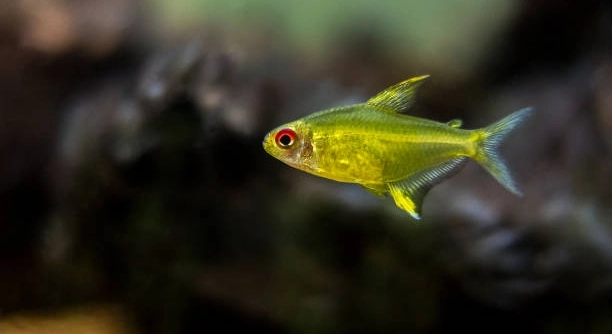
Lemon tetras are small, vibrant fish that bring life to any aquarium. Creating a calm environment for them is important for their well-being and helps prevent stress or aggressive behaviors within the community.
Maintaining a peaceful lemon tetra community relies on proper tank size, water quality, and careful selection of tank mates. Consistent feeding schedules, adequate hiding spots, and monitoring for signs of stress are essential to ensure harmony and healthy interactions.
Following these tips will help your lemon tetras thrive, keeping your aquarium balanced, colorful, and enjoyable to watch for years to come.
Choose the Right Tank Size
Lemon tetras are small, but they thrive in groups of six or more, so a properly sized tank is crucial. A minimum of 20 gallons is recommended to give them enough space to swim freely without feeling crowded. Providing ample swimming space reduces stress and aggressive behavior. When the tank is too small, territorial disputes can arise, and fish may show signs of nervousness or hide excessively. Plants and decorations help create natural boundaries, giving the tetras room to explore while maintaining a sense of security. Avoid overloading the tank with too many species, as it can upset the delicate balance and increase competition for resources. Keeping the water parameters stable, including temperature, pH, and hardness, is easier in a larger tank. This stability supports both the health of the tetras and the overall harmony of the community, making daily care more manageable and effective.
A 20-gallon tank or larger helps lemon tetras maintain social interactions without overcrowding, which is key for stress-free and healthy behavior.
Adding floating plants and gentle currents creates areas for hiding and exploration. This allows tetras to feel safe while swimming actively.
Maintain Consistent Water Conditions
Lemon tetras are sensitive to sudden changes in water quality, so keeping parameters stable is essential. Regular testing of ammonia, nitrites, nitrates, and pH ensures the environment remains safe and comfortable. Performing partial water changes of 20-25% weekly helps prevent the buildup of harmful toxins that can stress fish. Consistent temperature, around 75-80°F, reduces vulnerability to illness and encourages natural behaviors. Filtration should be sufficient to keep water clear but gentle enough to avoid strong currents that can tire or stress tetras. Using a heater with reliable control and a thermometer ensures the tank does not experience sudden fluctuations. Maintaining cleanliness, such as removing uneaten food and debris, also contributes to a healthier community. Stressed tetras are more prone to disease, aggression, and hiding. By monitoring and adjusting water parameters consistently, you create a stable, supportive environment that allows all fish to thrive together, reducing tension and promoting peaceful interactions.
Clean, stable water supports fish health and keeps the community calm, reducing disease and behavioral problems significantly.
Select Compatible Tank Mates
Lemon tetras do best with peaceful, small fish that share similar water requirements. Avoid aggressive or much larger species that could bully or eat them. Properly chosen companions reduce stress and create a balanced community in the tank.
Choosing the right tank mates involves research and observation. Species such as small rasboras, corydoras, or other tetras often coexist well with lemon tetras. Aggressive species like larger cichlids or fin-nipping barbs should be avoided, as they can disrupt the social structure. Introducing fish gradually and monitoring interactions helps prevent fights and ensures harmony. Observing behaviors over time allows you to adjust tank mates if conflicts arise, keeping the community peaceful and thriving.
Even within compatible groups, individual temperaments can vary. Providing enough hiding spots and open swimming areas reduces competition and stress. Monitoring feeding times to ensure all fish get proper nutrition also prevents aggressive behavior. By combining careful selection, gradual introduction, and thoughtful tank layout, lemon tetras can live peacefully with companions while displaying natural schooling behavior and vibrant activity.
Provide Hiding Places
Hiding spots help lemon tetras feel secure and reduce stress, which is key to maintaining peace. Plants, rocks, and decorations create safe areas where fish can retreat when needed.
Dense planting with live or artificial plants gives fish options for hiding, resting, or establishing territory. Leaf litter, caves, and driftwood add variety, breaking lines of sight and reducing aggression. These spaces are especially important in a community tank where multiple species interact, giving timid fish room to feel safe. When tetras feel secure, they are less likely to chase or nip at each other, and their natural schooling behavior becomes more consistent and relaxed. Proper placement of hiding areas throughout the tank ensures all fish have access, preventing dominance by more confident individuals and encouraging balanced social interactions.
Providing multiple layers of hiding areas, from tall plants to small caves, keeps stress levels low. This also promotes natural behaviors like exploring, schooling, and resting. By carefully arranging decorations, you ensure all tetras have refuge points while maintaining open swimming space. The combination of safe spots and swimming room encourages calm interactions, reduces conflict, and allows the community to flourish in a visually appealing and functional environment.
Feed a Balanced Diet
Providing a varied diet keeps lemon tetras healthy and reduces competition during feeding. Include high-quality flakes, micro pellets, and occasional live or frozen foods to meet their nutritional needs.
Overfeeding can lead to water quality problems and stress in the tank. Feed small portions once or twice daily, ensuring all fish get access to food without leftover waste accumulating.
Maintain a Stable School
Lemon tetras feel safest in groups of six or more. Smaller numbers increase stress and can lead to aggressive behavior.
Keeping the school intact supports natural schooling behavior, reduces hiding, and encourages active, calm interactions among the fish. Consistent group dynamics help maintain a peaceful community.
Monitor Health Regularly
Observing your fish daily helps identify signs of illness, stress, or injury early. Prompt attention prevents problems from spreading or escalating.
Regular checks allow you to adjust water parameters, feeding, or tank conditions, keeping the community stable and healthy.
FAQ
How many lemon tetras should be kept together?
Lemon tetras are schooling fish and feel safest in groups of at least six. Smaller groups can lead to stress, hiding, and aggressive behavior. Larger groups of eight to twelve are even better, as they help fish display natural schooling behavior and reduce conflicts.
What tank size is best for lemon tetras?
A minimum of 20 gallons is recommended for a small group. This provides enough swimming space and reduces territorial disputes. For larger schools or mixed-species tanks, 30 gallons or more ensures stable water conditions and enough room for all inhabitants to thrive.
What water conditions do lemon tetras need?
They prefer temperatures between 75-80°F, pH levels of 6.0-7.5, and soft to moderately hard water. Stable conditions are critical, as sudden changes can cause stress, weaken the immune system, and trigger aggressive behavior within the community. Regular testing is essential.
Which tank mates are compatible?
Peaceful, small fish with similar water requirements are ideal. Suitable companions include rasboras, corydoras, and other small tetras. Avoid aggressive or large fish, such as cichlids or fin-nipping species, which can intimidate or injure lemon tetras and disturb the social balance.
How often should I feed lemon tetras?
Feed them small portions once or twice a day. Include a mix of high-quality flakes, micro pellets, and occasional live or frozen foods. Overfeeding can pollute the water and lead to stress or disease, so remove uneaten food promptly.
Do lemon tetras need hiding spots?
Yes, they feel secure when plants, rocks, or decorations provide refuge. Hiding spots reduce stress, prevent dominance issues, and encourage natural behaviors. Dense plants, driftwood, and small caves are effective options. Ensure hiding places do not block swimming areas.
How can I tell if my lemon tetras are stressed?
Signs of stress include hiding excessively, nipping fins, clamped fins, loss of color, or erratic swimming. Stress often results from poor water quality, small tank size, or incompatible tank mates. Promptly addressing the cause helps maintain a peaceful community.
Do lemon tetras need a heater?
Yes, maintaining a stable temperature between 75-80°F is important. Sudden temperature drops can weaken their immune system and trigger stress. Use a reliable heater and thermometer to ensure consistent water temperature for a calm, healthy community.
Can lemon tetras live with shrimp or snails?
Generally, they coexist peacefully with small shrimp and snails. Ensure shrimp are large enough to avoid being eaten and that snails do not overpopulate. Both can benefit from the same water conditions, and they add diversity without increasing aggression.
How often should I clean the tank?
Partial water changes of 20-25% weekly help maintain water quality. Remove uneaten food and debris regularly. Clean filters according to manufacturer instructions but avoid over-cleaning, which can disrupt beneficial bacteria and destabilize the tank environment.
What is the best way to introduce new fish?
Acclimate new fish slowly to avoid shock from temperature or water differences. Float the bag in the tank for 15-20 minutes, then gradually mix tank water into the bag before release. Monitor interactions closely to prevent aggression during the initial days.
How long do lemon tetras live?
With proper care, lemon tetras live around 3-5 years. Stable water conditions, a balanced diet, and a peaceful environment extend their lifespan. Regular observation and prompt care for illnesses help ensure long-term health.
Can lemon tetras breed in a community tank?
Breeding is possible but more challenging in a community setup. They prefer dense plants or spawning mops. Eggs are often eaten by other fish, so a separate breeding tank increases success. Providing fine-leaved plants and soft water encourages natural spawning behavior.
What should I do if aggression occurs?
Identify the cause, such as overcrowding, incompatible tank mates, or limited hiding spaces. Rearrange decorations, add plants, or remove aggressive individuals if necessary. Maintaining proper school size and environmental enrichment prevents most conflicts.
Are lemon tetras sensitive to lighting?
Moderate lighting works best. Too bright can stress them, while very dim lighting may reduce activity and color vibrancy. Providing shaded areas with plants allows them to regulate exposure and feel secure.
How do I maintain water clarity?
Good filtration, regular water changes, and avoiding overfeeding keep water clear. Use activated carbon or filter pads if needed. A clean environment reduces stress and prevents algae overgrowth, supporting a peaceful and visually appealing tank.
Is it necessary to test water regularly?
Yes, testing for ammonia, nitrites, nitrates, and pH prevents problems before they harm fish. Lemon tetras are sensitive to toxins, and early detection ensures the community remains calm, healthy, and active.
How can I encourage schooling behavior?
Keep them in proper group sizes, maintain stable water conditions, and provide open swimming space. Dense hiding spots should not block areas where they can swim together. A healthy school reduces stress and promotes a peaceful tank.
Do lemon tetras need aeration?
While not strictly required if filtration provides sufficient surface movement, aeration can help maintain oxygen levels. Air stones or gentle water flow support healthy activity, particularly in crowded or heavily planted tanks.
Can they live in a planted tank?
Yes, lemon tetras thrive in planted tanks. Live plants provide hiding spots, improve water quality, and encourage natural behavior. Balance planting with open swimming areas to maintain peace and allow the school to move freely.
Lemon tetras are small, lively fish that bring color and movement to any aquarium. They are peaceful by nature, but their well-being depends heavily on the environment we create for them. Ensuring the right tank size, proper water conditions, and a stable school are essential to maintaining a calm and healthy community. Overcrowding or sudden changes in water parameters can lead to stress, which may result in hiding, aggressive behavior, or illness. Observing your fish daily allows you to notice small changes in behavior or appearance that can indicate problems early. Simple measures like regular water testing, consistent feeding schedules, and careful monitoring of tank mates help prevent most common issues and keep your tetras happy and active. Providing enough swimming space and avoiding aggressive species supports the natural schooling behavior that gives lemon tetras both comfort and confidence within the tank.
Another important aspect of keeping lemon tetras is creating an environment with enough hiding places and visual breaks. Plants, rocks, and decorations are not just for appearance—they provide safe areas where fish can retreat when feeling stressed. Dense plants or small caves help reduce dominance struggles and allow shy fish to participate in the community without fear. At the same time, it’s important to maintain open swimming areas so the school can move freely. Overly cluttered tanks can restrict movement, which may cause frustration and tension among fish. Careful arrangement of decorations ensures every individual has access to both shelter and open space, supporting peaceful interactions and encouraging natural behaviors. Even in a well-planned tank, observing interactions is necessary. Minor adjustments, such as moving decorations or adding a plant, can make a significant difference in reducing conflicts and maintaining harmony.
Maintaining a balanced diet and stable water conditions completes the foundation for a peaceful lemon tetra community. Feeding small portions of high-quality flakes, micro pellets, and occasional live or frozen foods ensures all fish receive proper nutrition without overloading the water with waste. Consistent partial water changes help keep water parameters within safe limits and reduce the risk of disease or stress. When health issues or aggressive behavior arise, early intervention can prevent them from escalating and affecting the entire community. Lemon tetras are sensitive, but with consistent care and attention, they can thrive in a vibrant, calm tank. A carefully maintained environment encourages natural schooling, reduces stress, and allows these small fish to display their bright colors and active personalities. Over time, observing a well-balanced lemon tetra community can be both rewarding and enjoyable, as the fish remain healthy, peaceful, and visually striking.

Hello,
If you enjoy the content that we create, please consider saying a "Thank You!" by leaving a tip.
Every little bit helps us continue crafting quality advice that supports the health, happiness, and well-being of pets around the world, for pets of all shapes, sizes, and species.
We really appreciate the kindness and support that you show us!