
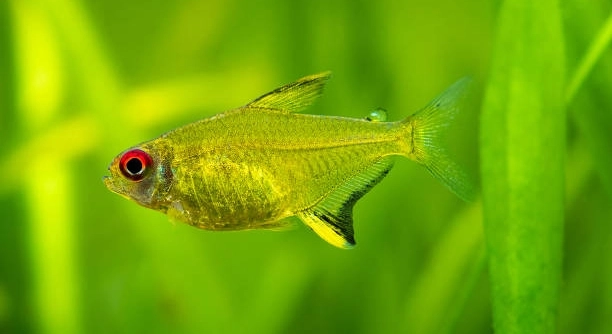
Lemon tetras are small, vibrant fish that add color and life to any freshwater tank. Observing their behavior can be fascinating, but sometimes they exhibit unusual actions that catch the attention of aquarium owners.
Lemon tetras flick against the glass primarily due to stress, poor water conditions, or territorial instincts. These behaviors are often triggered by sudden changes in the tank environment, incompatible tank mates, or insufficient hiding spaces, which can affect their overall well-being.
Learning to recognize and correct these factors can help your fish feel safer and more comfortable in their tank environment. Proper care ensures they thrive and display natural, healthy behaviors.
Water Quality and Tank Conditions
Maintaining clean water is one of the most important aspects of keeping lemon tetras healthy. Poor water quality can lead to stress, causing them to flick against the glass or swim erratically. It is essential to monitor ammonia, nitrite, and nitrate levels regularly. Performing partial water changes at least once a week helps remove harmful substances and keeps the tank environment stable. The temperature should also be consistent, ideally between 72 and 78 degrees Fahrenheit. Sudden fluctuations in temperature can shock the fish, increasing stress levels and prompting unusual behaviors. Ensuring the tank has proper filtration and aeration supports oxygen levels and reduces the buildup of waste. A clean tank with stable conditions encourages natural behaviors, allows fish to feel secure, and prevents illnesses that may result from poor water quality. Simple steps like monitoring water parameters and routine maintenance make a noticeable difference in your tetras’ activity and overall health.
Consistently clean water reduces stress and promotes a calmer, healthier environment for lemon tetras, decreasing the chances of glass flicking.
Providing plants and hiding spaces improves the tank’s structure, giving tetras areas to explore and rest. Natural decorations create boundaries, making them feel secure. This reduces aggressive or anxious movements, allowing fish to swim more naturally. Dense planting or driftwood also helps break up open spaces, which can otherwise feel exposed and trigger stress-related behaviors. Adding these features alongside regular water care supports stable, healthy fish activity and encourages a peaceful tank community.
Tank Mates and Social Behavior
Incompatible tank mates can cause lemon tetras to feel threatened or stressed. Aggressive fish may chase or nip at them, leading to flicking against the glass or hiding constantly. It is important to choose peaceful species that share similar water preferences and temperaments.
Lemon tetras are schooling fish that thrive in groups of six or more. A small school feels more secure and reduces stress-related behaviors like glass flicking. Observing interactions among tank mates helps identify tension early, allowing adjustments before problems worsen. Providing sufficient space is equally important; overcrowded tanks create competition for food and territory, increasing stress levels. Introduce new fish gradually and monitor their interactions to ensure harmony. Combining appropriate tank mates with adequate space and environmental enrichment creates a balanced, healthy community. This not only minimizes stress-related actions but also allows lemon tetras to display natural behaviors, swim actively, and show their characteristic vibrant colors. Proper planning and observation make a significant difference in maintaining a calm and visually appealing tank.
Stress and Environmental Changes
Stress is a common reason lemon tetras flick against the glass. Sudden changes in water, lighting, or tank layout can make them feel insecure and trigger this behavior.
Even small changes, like moving decorations or adding new plants, can upset their routine. Fish rely on familiarity to feel safe, and any disruption can increase anxiety. Stress weakens their immune system, making them more prone to illness and abnormal behaviors. Maintaining a stable environment with minimal sudden changes helps fish stay calm and reduces flicking. Observing their reactions after changes allows you to identify stress triggers and address them promptly.
Environmental factors, such as noise near the tank or vibrations from frequent tapping on the glass, also contribute to stress. Keeping the tank in a quiet, low-traffic area with gentle lighting and minimal disturbances gives lemon tetras a sense of security. Gradually introducing changes, like rearranging plants or adding new tank mates, allows them to adjust without panic. A consistent routine for feeding and maintenance further supports a stress-free environment, helping them behave naturally.
Health Issues
Illness or parasites can cause lemon tetras to flick against the glass. Infections irritate their skin or fins, prompting unusual movements.
Monitoring fish for signs of disease, like discoloration, spots, or clamped fins, is essential. Early detection allows treatment before problems worsen.
Common health issues include fin rot, ich, and internal parasites. Fin rot weakens fins, making swimming awkward and causing erratic movements, including glass flicking. Ich appears as tiny white spots, leading to constant rubbing against surfaces. Internal parasites can affect appetite and energy, increasing stress behaviors. Quarantining new fish before introducing them to the main tank reduces the risk of spreading disease. Treating affected fish promptly, adjusting water quality, and maintaining clean conditions prevent recurring health problems. Paying attention to diet, water parameters, and general behavior ensures your lemon tetras remain healthy, active, and less likely to exhibit stress-induced flicking.
Overcrowding and Space
Overcrowded tanks make lemon tetras feel trapped and stressed. Limited space forces them to compete for territory, food, and hiding spots, often resulting in flicking against the glass.
Providing adequate space and maintaining proper stocking levels helps fish swim freely and reduces tension.
Feeding Habits
Irregular feeding schedules or poor diet can cause stress-related behaviors. Lemon tetras need a balanced diet with high-quality flakes, pellets, and occasional live or frozen foods to thrive.
Ensuring consistent feeding times prevents competition and anxiety. Overfeeding or underfeeding can both lead to erratic swimming. Observing their eating habits allows you to adjust portions, maintain water quality, and keep fish healthy. Proper nutrition supports energy levels, reduces stress, and encourages natural, calm behavior, helping to prevent glass-flicking episodes.
Lighting and Day-Night Cycles
Bright or inconsistent lighting can startle lemon tetras, causing them to flick or dart. Maintaining a steady day-night cycle with moderate lighting creates a stable environment.
Tank Decorations and Hiding Spots
Lemon tetras feel safer with plants, rocks, or driftwood to explore and hide. Providing sufficient decorations reduces stress and promotes natural behaviors.
FAQ
Why do lemon tetras flick against the glass?
Lemon tetras flick against the glass mainly due to stress, poor water quality, or environmental changes. Sudden shifts in temperature, lighting, or tank layout can trigger this behavior. Overcrowding, incompatible tank mates, or lack of hiding spaces also contribute, as the fish feel exposed or threatened.
Is flicking a sign of illness?
Yes, flicking can indicate health issues. External parasites, fin rot, or ich can irritate the skin or fins, causing erratic movements. Internal parasites may reduce appetite and energy, increasing stress behaviors. Monitoring signs like discoloration, spots, or clamped fins helps detect problems early and allows timely treatment.
How can I reduce stress in my tank?
Stress is best reduced by maintaining stable water conditions, a consistent temperature, and a proper day-night cycle. Gradual changes in decorations or tank mates prevent sudden shock. Providing hiding spaces with plants or driftwood and placing the tank in a quiet area reduces anxiety. A consistent feeding routine also helps.
Can tank mates affect flicking behavior?
Yes, incompatible or aggressive tank mates can trigger flicking. Lemon tetras are peaceful schooling fish, and being chased or harassed increases stress. Choosing peaceful species with similar water preferences and providing enough space for all fish reduces tension and encourages natural, calm swimming patterns.
Does overcrowding cause glass flicking?
Overcrowding creates competition for food, territory, and hiding spaces. Limited swimming space makes lemon tetras feel trapped, increasing stress and prompting flicking. Proper stocking levels, along with ample hiding spots, help fish feel secure, allowing them to swim freely without exhibiting abnormal behaviors.
How important is diet for preventing flicking?
A balanced diet is crucial. High-quality flakes or pellets supplemented with live or frozen foods provide proper nutrition. Irregular feeding, overfeeding, or underfeeding increases stress and can lead to erratic swimming. Observing eating habits ensures portions are appropriate, water quality remains stable, and fish remain healthy and calm.
Can water quality really affect this behavior?
Absolutely. Poor water quality, with high ammonia, nitrite, or nitrate levels, is a major stressor. Regular partial water changes, proper filtration, and monitoring parameters keep conditions stable. Clean water prevents illness, supports immune function, and encourages natural behavior, reducing glass-flicking tendencies.
Will lighting changes affect lemon tetras?
Yes, bright or inconsistent lighting can startle fish, causing sudden darting or flicking. Maintaining moderate lighting with a steady day-night cycle helps them adjust naturally, reduces stress, and promotes a calm, secure environment for swimming and schooling.
Do hiding spots really help?
Hiding spots are essential. Plants, rocks, and driftwood give lemon tetras areas to rest and feel secure. Breaking up open spaces prevents them from feeling exposed, reduces anxiety, and encourages natural schooling and exploration behaviors, minimizing glass-flicking incidents.
How do I know if my fish are stressed or just active?
Active swimming and exploring are normal, but frequent glass flicking, erratic movements, clamped fins, or hiding more than usual indicate stress. Observing patterns over time helps distinguish between normal behavior and stress-induced actions, allowing you to adjust care or environment as needed.
What is the best way to prevent flicking long-term?
Long-term prevention focuses on stable water conditions, balanced diet, appropriate tank mates, proper space, consistent lighting, and environmental enrichment. Monitoring fish behavior regularly, addressing minor issues early, and keeping a clean, calm tank ensures lemon tetras remain healthy, active, and stress-free.
Can stress cause permanent damage?
Chronic stress weakens the immune system, making fish more susceptible to disease. Prolonged exposure to poor conditions can affect growth, color, and lifespan. Prompt attention to stress triggers, water quality, diet, and environment helps prevent long-term health consequences.
Are new fish introductions risky?
Yes, introducing new fish can trigger stress or disease if done abruptly. Quarantining new fish before adding them to the main tank and gradually acclimating them reduces stress and helps maintain harmony within the existing school of lemon tetras.
How often should I monitor water parameters?
Water parameters should be checked at least once a week. Ammonia, nitrite, nitrate, and temperature are critical. Frequent monitoring allows quick adjustments before stress or illness develops, ensuring a healthy, stable environment that reduces glass-flicking behavior.
Can tank location affect behavior?
Yes, tanks near high-traffic areas, loud noises, or frequent vibrations can stress fish. Placing the tank in a quiet, stable environment reduces anxiety, making lemon tetras feel secure and less likely to flick against the glass.
How many lemon tetras should I keep together?
A minimum of six is recommended. Lemon tetras are schooling fish, and being in a small group increases stress. Larger schools provide security, reduce aggressive interactions, and encourage calm, natural swimming patterns, helping prevent flicking behaviors.
Does temperature fluctuation matter?
Temperature swings shock fish, causing stress and erratic movements. Maintaining a stable temperature between 72 and 78 degrees Fahrenheit is ideal. Using a reliable heater and thermometer ensures stability and supports health, reducing stress-induced glass flicking.
What role does tank size play?
Adequate tank size allows swimming freedom and reduces competition. Crowded tanks increase stress and flicking behaviors. A minimum of 20 gallons is recommended for a small school, with additional space for decorations and hiding spots to promote security and natural movement.
Can behavioral observation help prevent problems?
Yes, regularly observing fish reveals early signs of stress, illness, or aggression. Noticing changes in swimming, feeding, or social interactions allows timely adjustments to water quality, tank mates, or environment, preventing more serious issues and maintaining calm, healthy fish.
Are there quick fixes for glass flicking?
Quick fixes involve checking water quality, ensuring proper feeding, and providing hiding spots. Gradually adjusting the environment and reducing disturbances helps fish regain confidence. However, long-term prevention requires consistent care, monitoring, and maintaining a stable, enriched tank for lasting results.
Do lemon tetras flick more at certain times of day?
Yes, flicking may increase during feeding, water changes, or sudden lighting changes. Observing daily patterns helps identify triggers. Providing a predictable schedule for feeding, lighting, and maintenance reduces stress and keeps their behavior calm and consistent.
Can overcrowded tanks affect health?
Overcrowding not only causes stress but also increases disease risk. Limited space encourages competition, reduces oxygen levels, and facilitates the spread of illness. Maintaining appropriate stocking levels and providing hiding spaces ensures healthy interactions and lowers flicking behavior.
Is it normal for new tanks to cause flicking?
Yes, newly set-up tanks often cause stress due to unfamiliar surroundings, unstable water parameters, and lack of established territory. Gradual acclimation, stable water conditions, and providing hiding spots help new fish adjust without excessive flicking.
Do lemon tetras need companion fish?
Yes, being schooling fish, they feel safer in groups. Other peaceful companions with similar water requirements can enhance security and reduce stress, but overcrowding or aggressive species should be avoided to prevent flicking.
Can diet alone fix flicking behavior?
Diet helps reduce stress and supports health, but alone it may not fix flicking. Water quality, tank mates, space, hiding spots, and environmental stability all contribute. A holistic approach ensures healthy, calm fish that swim naturally.
Does regular maintenance help?
Yes, consistent water changes, cleaning filters, and monitoring parameters prevent stress and disease. A well-maintained tank promotes stability, reducing flicking and supporting long-term health and natural behavior in lemon tetras.
How can I tell if my fish are fully adjusted?
Fish that swim calmly, feed regularly, interact naturally with tank mates, and avoid excessive hiding indicate adjustment. Reduced glass flicking and stable behavior show they feel secure and healthy in their environment.
Are glass flicking incidents reversible?
Yes, most flicking caused by stress or environmental issues can be corrected with proper care. Improving water quality, reducing disturbances, providing hiding spots, and maintaining compatible tank mates encourages calm, natural behavior over time.
How long does it take to stop flicking?
Time varies depending on the cause. Water quality improvements may show results in days, while stress from new tank mates or environmental changes can take weeks. Observing gradual improvements ensures interventions are effective and fish regain confidence.
Can small changes prevent flicking from starting?
Yes, consistent care, stable water conditions, appropriate stocking, proper diet, and environmental enrichment reduce stress before it becomes a problem. Proactive monitoring and gradual adjustments maintain calm, healthy lemon tetras.
Does the type of substrate matter?
Soft, natural substrates reduce stress and provide a comfortable swimming environment. Rough or sharp substrates can injure fins, increase irritation, and contribute to flicking, while smooth gravel or sand supports safe, natural behavior.
Can aquarium plants reduce flicking?
Yes, plants provide hiding spots, reduce open spaces, and create a natural environment. Dense planting allows fish to feel secure, break line-of-sight from tank mates, and minimize stress-related flicking behaviors.
Is it necessary to quarantine sick fish?
Yes, quarantining prevents disease spread and reduces stress on healthy fish. Sick fish can transmit illness, increase competition for resources, and trigger flicking behaviors in other tank inhabitants.
Do lemon tetras flick more when they are young?
Juvenile lemon tetras may flick more due to inexperience and establishing social hierarchies. Ensuring proper group size, hiding spots, and stable water conditions helps young fish adjust and reduces excessive flicking.
Can tank vibrations trigger flicking?
Yes, vibrations from tapping, nearby appliances, or movement near the tank can startle fish. Minimizing disturbances and placing the tank in a quiet, stable location reduces stress and prevents glass flicking incidents.
How do I balance all factors to prevent flicking?
Maintaining stable water parameters, proper diet, compatible tank mates, adequate space, hiding spots, steady lighting, and regular observation ensures lemon tetras remain healthy, secure, and calm, minimizing stress and glass-flicking behaviors effectively over time.
Final Thoughts
Lemon tetras are lively, colorful fish that can brighten any freshwater tank. Watching them swim is often a relaxing experience, but behaviors like flicking against the glass can be concerning. This behavior usually signals that something in their environment is causing stress or discomfort. It may be related to water quality, temperature fluctuations, overcrowding, or incompatible tank mates. Even small changes, like adding new decorations or adjusting lighting, can affect their sense of security. Understanding why these fish flick against the glass allows owners to take practical steps to create a stable, comfortable environment. A few adjustments can significantly improve their well-being and reduce unwanted behaviors.
Maintaining clean, stable water is one of the most important factors in preventing stress. Lemon tetras are sensitive to ammonia, nitrite, and nitrate levels, so regular testing and partial water changes are essential. A proper filtration system helps keep waste under control and maintains oxygen levels. Temperature stability is equally important, as sudden swings can shock the fish. Providing adequate space and hiding spots with plants, rocks, or driftwood gives lemon tetras a sense of security and reduces anxiety. Feeding them a balanced diet on a consistent schedule supports overall health and encourages natural behavior. When all of these factors are considered together, fish are more likely to swim calmly, interact naturally with tank mates, and avoid flicking against the glass.
Observing behavior regularly is another key part of keeping lemon tetras healthy. Signs of stress or illness, such as clamped fins, discoloration, or frequent hiding, should not be ignored. Quarantining new fish before introducing them into the main tank helps prevent disease and reduces tension among existing fish. Attention to lighting, tank location, and minimizing sudden disturbances also contributes to a calmer environment. By combining careful monitoring, consistent care, and thoughtful tank management, you can ensure that lemon tetras thrive. Over time, they will display their natural schooling behavior, remain active, and enjoy a safe, comfortable habitat, making the aquarium a more peaceful and enjoyable space for both the fish and the owner.

Hello,
If you enjoy the content that we create, please consider saying a "Thank You!" by leaving a tip.
Every little bit helps us continue crafting quality advice that supports the health, happiness, and well-being of pets around the world, for pets of all shapes, sizes, and species.
We really appreciate the kindness and support that you show us!