
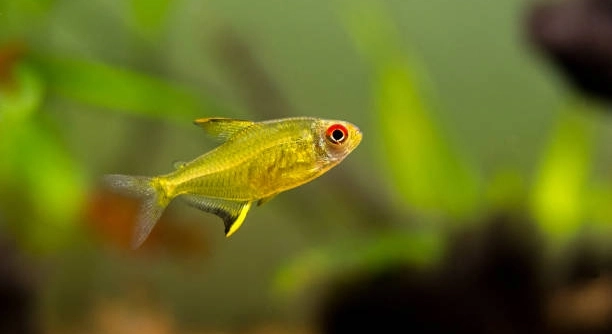
Lemon tetras are small, bright fish that brighten any home aquarium. Watching them swim gracefully can be relaxing, but their subtle behaviors often reveal when something is off, especially when it comes to feeding.
Hungry lemon tetras display clear behavioral and physical signs, including increased activity during feeding times, frequent searching at the bottom of the tank, or rapid movement near the water surface. These indicators are essential for maintaining proper nutrition and fish health.
Recognizing these cues early helps ensure your fish stay healthy and active, preventing long-term issues related to poor feeding habits.
Restlessness and Constant Movement
When lemon tetras are hungry, they often swim more than usual. You might notice them darting around the tank, sometimes bumping into decorations or gliding rapidly across the surface. Their normal calm and steady movement changes, and they appear to be actively searching for food. Even during times when you haven’t fed them yet, they may hover near the spots where food usually appears. This behavior is a clear signal that their energy is being used in search of sustenance, and not from normal exploration or play. Keeping an eye on these movements can help you detect hunger before it becomes a problem. Over time, these restless patterns become predictable, making it easier to adjust feeding schedules. Observing this carefully can also prevent overfeeding, as you learn when they are satisfied and when they genuinely need more nutrition.
Hungry lemon tetras often become more alert, responding quickly to any movement outside the tank.
Restlessness is one of the earliest signs of hunger. Tetras might ignore other tankmates or decorations as they focus solely on finding food. This intense searching can sometimes stress them out if it goes on for too long, so timely feeding is important. By noticing restlessness, you can make small changes to their feeding routine, such as slightly increasing portion sizes or splitting meals into multiple feedings per day. Maintaining a consistent schedule helps them stay healthy and reduces anxiety that comes from hunger.
Surface Chasing Behavior
Hungry tetras often swim near the water surface, actively chasing small particles or ripples.
Surface chasing is another strong indicator of hunger in lemon tetras. They might follow floating food remnants or even pretend to nip at water bubbles. This behavior shows they are looking for their next meal and can become more pronounced if they are not fed on a regular schedule. You may notice that multiple fish group together near the top, competing gently for the same food spots. Over time, they learn to anticipate feeding times and congregate near the surface, making it easier for you to observe changes in their appetite. Monitoring this can prevent underfeeding and keep their activity balanced, ensuring their diet supports overall growth and coloration. Feeding smaller amounts several times a day can satisfy their hunger without leaving excess waste. Paying attention to surface chasing also helps identify if some fish are not getting enough food, allowing for adjustments in portioning or tank layout to reduce competition.
Reduced Color Intensity
When lemon tetras are hungry, their bright yellow color may appear duller than usual. This subtle change can indicate that their diet is not meeting their nutritional needs, and it may become more noticeable over time if feeding habits are not adjusted.
Prolonged hunger can affect a tetra’s pigmentation. The vibrant yellow tones that normally shine across their bodies may fade, making them look less lively. This change is caused by a lack of essential nutrients that support color expression, such as carotenoids. It’s not immediate, but consistent observation can help you notice the shift early. Adjusting their diet with quality flakes, frozen, or live foods can restore their natural vibrancy. Paying attention to color changes also helps identify individual fish that may be eating less than others, allowing for targeted feeding.
Faded color often coincides with other signs of hunger, like restlessness or surface chasing. Fish that lose their intensity may also become more withdrawn, hiding among plants or decorations. Correcting their feeding routine and providing a balanced diet can reverse this effect over time. A mix of protein-rich and plant-based foods encourages natural coloration to return while keeping their energy levels stable.
Frequent Begging at Feeding Times
Lemon tetras tend to anticipate feeding times and may gather near the area where food is usually introduced. This behavior becomes more pronounced when they are hungry and haven’t been fed recently.
These fish will often swim in tight groups near the top or middle of the tank just before their scheduled feeding. They might hover near your hand if you approach the aquarium or move quickly when you enter the room. This is a learned behavior from repeated feeding patterns. Observing these cues can help you gauge whether their portion sizes are sufficient or if they need a slight adjustment to avoid underfeeding.
Hungry tetras may become persistent in their begging behavior, sometimes nudging each other aside to reach food spots first. While this is normal, it can highlight individual differences in appetite. Some fish may get less if more aggressive eaters dominate the space. To address this, consider spreading food across the tank or using multiple feeding points. Maintaining a consistent routine with varied food types ensures all tetras receive proper nutrition, supporting healthy growth, vibrant color, and stable behavior.
Nipping at Tankmates
Hungry lemon tetras may start nipping lightly at other fish. This behavior is usually gentle but can indicate they are frustrated or seeking extra food.
This nipping happens because their normal feeding is insufficient. They may chase or nip at slower fish, especially if there is competition for leftover food.
Rapid Gill Movement
Lemon tetras that are hungry often breathe faster than usual. Their gills move quickly as they search for food, especially near the water surface where food normally appears.
Scraping Decorations
Hungry tetras sometimes scrape their mouths along plants, rocks, or ornaments in the tank. This action shows they are looking for small particles or leftover food.
FAQ
How often should I feed my lemon tetras?
Lemon tetras generally do well with two small feedings per day. Providing smaller portions prevents overfeeding while ensuring they get enough nutrients. Over time, you will notice patterns in their behavior that indicate whether they are satisfied or still hungry. Adjusting the portion size based on their activity and appetite helps maintain balanced health.
What type of food is best for lemon tetras?
A varied diet is essential. High-quality flake food can serve as a staple, while supplementing with frozen or live foods like brine shrimp or daphnia provides additional protein. Occasionally offering vegetable-based foods supports overall health and maintains bright coloration. Variety prevents nutritional deficiencies and keeps the fish interested in eating.
Can lemon tetras go a day without food?
Yes, they can survive a single day without eating, but regular skipping is not recommended. Consistent gaps in feeding can cause stress, weaken their immune system, and lead to faded colors. Occasional fasting is fine, but maintaining a routine supports steady growth and activity.
Why do my lemon tetras ignore food sometimes?
Fish may refuse food if they are stressed, sick, or the food is not appealing. Sudden changes in water temperature or quality can reduce appetite. Observing other signs like lethargy, clamped fins, or faded colors can help identify the underlying problem and prevent long-term health issues.
How can I tell if my lemon tetras are hungry?
Signs include increased activity, surface chasing, nipping at tankmates, rapid gill movement, scraping decorations, faded color, and persistent begging during feeding times. Paying attention to these behaviors allows you to adjust feeding portions or frequency to meet their nutritional needs.
Is overfeeding dangerous for lemon tetras?
Yes, overfeeding can lead to obesity, water quality issues, and digestive problems. Excess food decomposes quickly, raising ammonia levels in the tank. Feeding small amounts that they can consume within a few minutes prevents these risks while keeping the fish healthy.
Should I feed them live food every day?
Live food is nutritious but should not replace their staple diet. Offering live food a few times per week adds protein and encourages natural hunting behaviors. Overreliance on live food can create an imbalance in nutrients, so combining it with flakes or frozen foods is ideal.
How do I manage feeding in a community tank?
Spread food across multiple areas to ensure all fish receive enough. Observe how each tetra responds and adjust portions accordingly. Using sinking pellets along with floating flakes can help reach shy or slower fish, reducing competition and preventing some fish from being underfed.
Can lemon tetras eat vegetables?
Yes, small portions of blanched vegetables like spinach or zucchini are suitable. These additions provide fiber and nutrients that support digestive health. Vegetables should be finely chopped or softened to ensure the tetras can easily eat them without choking.
What is the best way to transition their diet?
Introduce new foods gradually, mixing small amounts with their current diet. This allows the fish to adjust without stress or refusal. Sudden changes can reduce appetite and create tension in feeding routines, so patience is key for successful dietary transitions.
How do I know if my feeding schedule is correct?
Monitor their behavior and energy levels. Active, brightly colored fish that eat readily and display normal social behavior indicate an appropriate schedule. Restless or overly aggressive behavior may signal hunger, while leftover food suggests overfeeding. Adjust timing and portions based on these observations.
Can I feed them at irregular times?
Occasional variations are fine, but frequent irregular feeding can confuse them. Lemon tetras thrive on consistency. Predictable feeding times help reduce stress and maintain stable energy levels. Small adjustments are acceptable but should not become a long-term habit.
Are there signs of malnutrition in lemon tetras?
Yes, malnourished fish may show faded colors, slow growth, lethargy, poor fin condition, or frequent hiding. Observing these signs early allows for dietary correction before serious health problems develop. Balanced feeding is key to preventing these issues.
How do I encourage picky eaters to eat?
Try offering a variety of foods, including flakes, frozen, and live options. Mixing foods or slightly altering presentation, like breaking flakes into smaller pieces, can stimulate appetite. Observing their preferences and adjusting feeding methods increases the likelihood of consistent eating.
Can I feed them human food?
Avoid most human foods, as they are often too salty, oily, or spicy. Occasional tiny bits of blanched vegetables are safe, but stick to foods formulated for fish to ensure proper nutrition. Unsafe foods can cause digestive problems or long-term health issues.
How much food is too much?
Only provide what they can eat within 2–3 minutes per feeding. Leftover food indicates overfeeding, which can harm water quality and fish health. Measuring portions carefully ensures a balanced diet without waste.
Is feeding frequency different for young versus adult tetras?
Young tetras need smaller, more frequent meals to support growth. Adults can thrive on slightly larger portions twice daily. Adjustments should be made based on activity levels, growth, and observed hunger behaviors to maintain optimal health.
Can temperature affect their appetite?
Yes, colder water can slow metabolism and reduce appetite, while warmer temperatures increase activity and hunger. Keep water conditions stable within the recommended range for lemon tetras to maintain normal feeding behavior and overall health.
What should I do if some tetras eat more than others?
Feed in multiple locations and observe individual fish. Shy or slower fish may need extra attention or smaller portions in accessible spots. Ensuring all tetras receive enough food prevents malnutrition and keeps the group healthy and balanced.
How long can lemon tetras go without food in emergencies?
They can survive a couple of days without food, but longer periods stress their metabolism and immune system. In emergencies, focus on keeping them hydrated and maintain water quality until regular feeding resumes.
Can feeding times influence their behavior?
Yes, consistent feeding schedules promote predictable and calm behavior. Fish quickly learn when food is expected, reducing stress and aggression. Irregular feeding can cause restlessness, chasing, and competition among tankmates, making consistency important.
How do I know if live food is safe?
Use reputable sources for live foods and quarantine them if possible. Avoid introducing parasites or harmful bacteria. Washing or rinsing live food before feeding reduces risk and ensures the tetras receive nutritious, safe meals.
Can overfeeding affect water quality?
Yes, excess food decomposes, raising ammonia and nitrite levels. Poor water quality stresses fish, leads to illness, and may cause algae growth. Feeding measured amounts helps maintain clean, stable water conditions.
What are the signs of overeating?
Lethargy, bloating, and leftover food are common signs. Some fish may become less active or develop digestive issues. Adjusting portion size and monitoring behavior helps prevent these problems.
How do I introduce frozen foods?
Thaw frozen foods slightly and rinse with tank water to remove excess ice or preservatives. Offer in small portions, mixing with regular flakes initially. This helps fish accept the new food without stress.
Are there seasonal changes in feeding needs?
Yes, temperature and daylight variations can influence appetite. Warmer months may increase activity and hunger, while colder months reduce metabolism. Adjust feeding portions and frequency to match seasonal energy demands.
How long should each feeding last?
Feed just enough that all food is consumed within 2–3 minutes. Prolonged feeding can lead to uneaten food, water quality issues, and overfeeding. Short, controlled sessions maintain health and tank cleanliness.
Can lemon tetras go on a fasting day?
Occasional fasting is safe and can help digestion. However, frequent fasting without monitoring can cause stress and nutritional deficiencies. Maintain balance between regular feedings and occasional breaks.
What do I do if my tetras are constantly hungry despite feeding?
Check water quality, portion size, and diet variety. Ensure each fish receives enough food and monitor for illness or stress. Adjusting feeding routines and providing balanced nutrition addresses persistent hunger.
Can I feed them at night?
Lemon tetras are diurnal, so feeding during daylight aligns with natural behavior. Night feedings may be ignored or cause confusion. Stick to morning or afternoon sessions for best results.
How important is water quality during feeding?
Water quality directly affects digestion and appetite. Poor water conditions can reduce food intake, stress fish, and cause illness. Maintaining clean, stable water ensures feeding is effective and fish remain healthy.
Can stress affect their appetite?
Yes, stress from overcrowding, new tankmates, or sudden changes reduces hunger. Calm, stable environments encourage regular feeding and proper nutrition. Observe behavior to identify stress sources and minimize disruptions.
Should I remove uneaten food immediately?
Yes, removing leftover food prevents water contamination, ammonia spikes, and algae growth. It also helps track how much each feeding is consumed and prevents overfeeding in future sessions.
Is it safe to feed them daily?
Yes, daily feeding is appropriate if portions are controlled. Avoid overfeeding, and consider splitting into two small meals for best results. Daily feeding maintains energy levels and supports growth, color, and overall health.
How do I prevent picky eating?
Offer a variety of foods in small amounts and maintain a consistent feeding routine. Gradually introduce new foods and observe responses. Mixing textures and flavors encourages acceptance and balanced nutrition.
What is the best way to measure food portions?
Use a pinch for flakes or small pre-measured amounts of frozen/live food. Observe how much is eaten within minutes. Adjust portions gradually to meet needs without leaving excess waste.
Can lemon tetras get used to a feeding routine?
Yes, they quickly learn timing and location. Predictable routines reduce stress, aggression, and excessive begging. They become more relaxed and maintain stable energy throughout the day.
How do I ensure all fish eat equally?
Feed in multiple spots and monitor each tetra. Adjust portions for shy or slow eaters. Using a combination of floating and sinking foods ensures even distribution, preventing malnutrition and competition.
Can feeding too late affect their sleep?
Yes, late feedings may disrupt their rest cycle, causing stress or restlessness. Stick to consistent daytime feedings to support natural rhythms and reduce nighttime activity.
Is there a difference between male and female feeding needs?
Slight differences may exist due to size or reproductive needs, but both genders benefit from the same feeding schedule and diet. Watch individual appetite to ensure all fish are adequately nourished.
How do I handle tankmates with different appetites?
Observe each species and adjust feeding methods. Use multiple feeding areas and food types to accommodate differences. This prevents some fish from dominating and ensures everyone receives adequate nutrition.
Can lemon tetras eat flakes alone?
Yes, flakes can serve as a staple, but variety improves health, color, and activity. Supplementing with frozen or live foods adds protein and nutrients that flakes alone may lack.
How can I tell if my tetras are overfed?
Signs include leftover food, bloating, reduced activity, and poor water quality. Tracking consumption and adjusting portions ensures healthy feeding without waste or stress.
Are there signs that tetras are satisfied after feeding?
They swim calmly, stop chasing food, and return to normal behavior. Observing this helps gauge proper portion sizes and prevents overfeeding, keeping the tank clean and fish healthy.
Can feeding influence breeding behavior?
Yes, proper nutrition encourages breeding readiness and supports healthy offspring. Balanced diets with protein-rich foods promote egg production and successful spawning in lemon tetras.
Is variety in feeding important?
Yes, variety ensures complete nutrition, maintains color, supports growth, and prevents boredom. Flakes, frozen, live, and occasional vegetable foods create a balanced diet for healthy tetras.
How do I know if my fish are eating enough?
Monitor behavior, energy levels, and physical condition. Active, brightly colored fish that consume food quickly indicate sufficient intake. Adjust portions if signs of hunger or overfeeding appear.
What should I do if some fish refuse new foods?
Mix small amounts with familiar foods, break into smaller pieces, or offer during calmer periods. Gradual introduction encourages acceptance without stress.
How does tank size affect feeding?
Smaller tanks may require careful portioning to avoid water contamination. Larger tanks allow more space for multiple feeding points, helping ensure all fish eat adequately.
Can feeding schedules affect aggression?
Yes, predictable meals reduce competition and chasing. Irregular feeding increases aggression as fish scramble for food, potentially stressing slower or shy tankmates.
Should I change feeding routines seasonally?
Minor adjustments based on temperature and activity are fine. Keep portions appropriate for metabolism changes while maintaining consistency to prevent stress or overeating.
Can lemon tetras eat dry foods exclusively?
Yes, but including frozen or live foods improves protein intake and supports natural behavior. A mix ensures optimal health, coloration, and energy.
How do I handle overactive eaters?
Feed in multiple spots, offer smaller portions, and observe behavior. Ensuring even distribution prevents dominant fish from consuming all food and supports healthy social dynamics.
What is the safest way to introduce new food types?
Gradually mix with existing foods, offer small amounts, and observe consumption. This prevents refusal and stress while encouraging acceptance of a balanced diet.
Can I feed them at irregular intervals occasionally?
Yes, occasional changes are safe, but frequent irregular feeding can cause stress and hunger. Maintain a consistent routine whenever possible.
How do I prevent food from fouling the tank?
Feed small amounts, remove leftovers promptly, and monitor consumption. Proper portioning and cleanup maintain water quality and fish health.
Can lemon tetras eat together with other species?
Yes, but consider competition and food type. Feed carefully to ensure all fish receive adequate nutrition without stress or overfeeding issues.
What is the best feeding technique for beginners?
Offer small, measured portions at the same time daily. Observe behavior, adjust as needed, and provide variety to ensure proper nutrition and minimize stress.
How do I know if feeding times are too long?
If food remains after several minutes, portions are likely too large. Reduce the amount or divide into multiple short sessions to maintain balance.
Can feeding affect disease resistance?
Proper nutrition strengthens the immune system. Consistent, balanced feeding helps tetras resist illness and recover more quickly from minor stress or injuries.
Is it safe to switch brands of flake food?
Yes, but introduce gradually. Mixing old and new flakes over several days prevents sudden changes that may reduce appetite or cause digestive issues.
How do I adjust feeding for crowded tanks?
Feed in multiple spots and monitor individual consumption. Smaller, more frequent meals help prevent underfeeding and reduce aggression among tankmates.
Can lemon tetras overeat if food is always available?
Yes, constant availability encourages overeating and poor water quality. Scheduled feedings with controlled portions are healthier and maintain balanced tank conditions.
What is the best way to monitor feeding success?
Observe how quickly food is eaten, watch for leftover particles, and note fish behavior. Adjust portions and variety as needed to ensure proper nutrition.
How do I maintain consistent feeding habits while away?
Automatic feeders or arranging for someone to feed in measured portions works well. Avoid overfeeding and ensure a predictable routine to prevent stress or hunger.
Can feeding influence social behavior?
Yes, consistent routines reduce chasing and competition. Balanced portions and multiple feeding spots promote calm, cooperative interactions among lemon tetras.
Are there long-term effects of poor feeding habits?
Yes, insufficient or imbalanced feeding can cause stunted growth, faded colors, weakened immunity, and behavioral issues. Maintaining proper nutrition prevents these long-term problems and supports healthy, active fish.
How do I tell if the tank environment affects feeding?
Monitor behavior and appetite. Restless, hiding, or slow-eating fish may be stressed by water quality, temperature, or tank setup. Correcting these factors improves feeding success and overall health.
Can I feed my tetras at different times each day?
Occasional variation is acceptable, but consistent timing supports energy levels, reduces stress, and encourages normal feeding behavior. Irregular schedules can trigger restlessness and competition.
What is the ideal amount of food per feeding?
Provide only what can be consumed within 2–3 minutes. Adjust portions based on activity, appetite, and number of fish to prevent overfeeding and water contamination.
How do I prevent tankmates from eating more than their share?
Feed in multiple locations, offer varied food types, and monitor interactions. Ensure shy or slower fish receive adequate nutrition without stress from more aggressive eaters.
Can lemon tetras go without food during vacations?
Short periods are manageable, but plan for automatic feeders or assistance to maintain feeding. Extended fasting may cause stress or weakened immunity, so preparation is essential.
How do I adjust feeding for young tetras?
Provide smaller, more frequent meals to support growth. Monitor development and adjust portions as they mature to maintain healthy energy levels and proper nutrition.
Does feeding order matter in a mixed-species tank?
Yes, feed slower or shy species first if possible. Ensure all fish receive enough food before more aggressive eaters finish, preventing malnutrition or stress.
Can feeding habits indicate illness?
Yes, sudden loss of appetite, over-eating, or erratic behavior can signal health issues. Observing feeding patterns helps detect problems early, allowing timely intervention.
Is it safe to give treats occasionally?
Yes, small amounts of live or frozen foods can be given as treats. Avoid excessive treats, which may upset the balance of their regular diet.
How do I handle leftover food that sinks quickly?
Remove promptly with a net or siphon to prevent decay and water contamination. Adjust portion sizes to reduce waste and maintain tank health.
Can feeding times affect energy levels?
Yes, consistent feeding ensures stable energy throughout the day. Irregular meals can cause restlessness, aggression, or lethargy. Maintaining routine supports normal activity and behavior.
What is the best way to track feeding habits?
Keep a log of feeding times, portion sizes, and fish responses. This helps identify patterns, prevent overfeeding, and ensure all tetras receive proper nutrition.
Can lemon tetras eat at different depths?
Yes, providing floating and sinking foods allows fish at all levels to feed. This reduces competition and ensures balanced intake for each individual.
How do I know if my tetras are overeating?
Check for leftover food, bloating, slow swimming, and water quality issues. Reducing portions and splitting meals can correct overeating and maintain health.
Can temperature fluctuations affect feeding?
Yes, extreme changes may reduce appetite or increase stress. Stable water conditions promote regular feeding and healthy digestion.
Is it okay to feed irregularly on weekends?
Occasional changes are acceptable, but frequent inconsistencies can cause hunger or restlessness. Maintaining routine is ideal for stable behavior and nutrition.
Lemon tetras are small, delicate fish that depend on consistent care and proper feeding to stay healthy. Observing their behaviors is key to understanding their needs, especially when it comes to hunger. Many of the signs, like restlessness, surface chasing, or fading color, may seem subtle at first. Paying attention to these changes allows you to respond before they develop into serious health problems. Consistency in feeding not only keeps your fish nourished but also supports their natural behavior patterns and overall well-being. Over time, you begin to recognize individual differences in appetite and personality, which makes it easier to adjust your care routine for the entire group.
Providing a balanced diet is essential for lemon tetras. While high-quality flakes can serve as the main food, incorporating frozen or live foods adds variety and additional nutrients. Occasional vegetable matter can help with digestion and overall health. Variety in diet helps maintain their bright coloration, supports steady growth, and keeps their energy levels stable. Feeding smaller portions multiple times a day is often more effective than one large feeding, as it prevents overeating and reduces the risk of water contamination. Watching how your fish respond to each feeding helps ensure that everyone in the tank receives adequate nutrition and that no one is left behind or overfed.
Maintaining a stable feeding routine is also important for minimizing stress and promoting calm behavior in the tank. Lemon tetras quickly learn when and where food will appear, and predictable schedules reduce competition and anxiety. Observing their habits, from begging at feeding times to scraping decorations, gives you clues about their needs and overall health. By being attentive and responsive, you create an environment where your tetras can thrive. Proper feeding, combined with clean water and a suitable tank setup, ensures your lemon tetras remain active, vibrant, and healthy for years. With careful observation and consistent care, you can confidently meet their needs and enjoy watching them grow and flourish in your aquarium.

Hello,
If you enjoy the content that we create, please consider saying a "Thank You!" by leaving a tip.
Every little bit helps us continue crafting quality advice that supports the health, happiness, and well-being of pets around the world, for pets of all shapes, sizes, and species.
We really appreciate the kindness and support that you show us!