
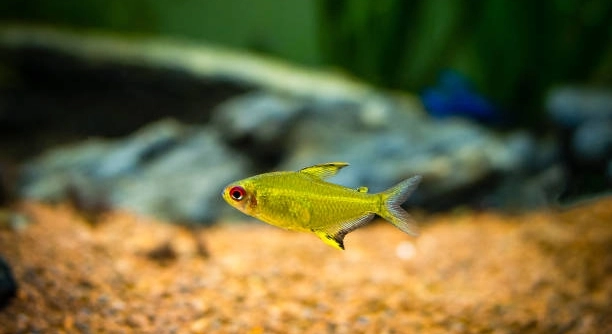
Recovering from an illness can be stressful for your lemon tetra. These small, colorful fish are sensitive, and their health can decline quickly if not properly supported. Gentle care and attention make a big difference in their recovery process.
The most effective ways to help a lemon tetra recover include maintaining pristine water conditions, offering a nutritious and easily digestible diet, minimizing stress, monitoring symptoms closely, providing proper tank temperature, isolating sick individuals if necessary, and supporting overall immune health.
Following these steps can help your lemon tetra regain strength and return to normal behavior, ensuring a healthier and happier aquatic environment.
Understanding Lemon Tetra Illness
Lemon tetras are delicate fish that can fall ill from sudden changes in water quality, temperature fluctuations, or poor nutrition. Even minor stress can weaken their immune system, making them more susceptible to infections. Observing your fish daily helps catch early signs, such as unusual swimming patterns, loss of appetite, or faded colors. Acting quickly prevents minor issues from escalating. Providing a stable environment with clean water, consistent temperature, and a balanced diet is essential. Quarantining new or sick fish reduces the risk of spreading disease. Attention to detail, like checking filter performance and avoiding overcrowding, supports overall health. Small adjustments in care routines, like adding live or frozen foods and monitoring water chemistry, significantly improve recovery chances. By creating a calm and stable environment, you give your lemon tetra the best opportunity to regain strength and vitality, ensuring they remain active and vibrant in the tank.
Early detection is crucial for effective treatment and faster recovery.
Even after recovery, maintaining proper water conditions, regular feeding schedules, and minimal stress exposure prevents future illness. Consistent observation and gentle care help your lemon tetra stay healthy, active, and resilient in their habitat.
Water Quality and Temperature Control
Maintaining clean water and a steady temperature is essential for recovery.
Water changes of 25-30% weekly help remove toxins and maintain pH balance. Filters should run efficiently without strong currents that stress the fish. Use a reliable heater to keep the water between 22-26°C. Sudden changes in temperature or chemical levels can worsen illness. Adding stress-reducing elements like plants or hiding spots encourages natural behavior. Testing kits for ammonia, nitrite, and nitrate levels are vital for consistent monitoring. Consistent water quality reduces the risk of secondary infections, allowing the immune system to function properly. Avoid overcrowding, as more fish produce additional waste and create competition. By focusing on these factors, the recovery environment supports health and comfort. Small daily checks, gentle water adjustments, and maintaining a calm tank atmosphere prevent setbacks and ensure your lemon tetra remains stable. Patience and consistency in water management are key to a smooth recovery process, giving the fish a safe space to regain strength and energy.
Diet and Nutrition Adjustments
Providing easily digestible foods helps lemon tetras regain strength quickly. High-quality flakes, micro pellets, and small amounts of frozen or live foods like brine shrimp can aid recovery. Avoid overfeeding, as excess food can pollute water and stress sick fish.
A varied diet supports immune function and overall health. Introducing small portions multiple times a day encourages appetite and ensures nutrients are absorbed efficiently. Live or frozen foods provide essential proteins and vitamins that boost energy and promote faster healing. Avoid sudden diet changes, which can upset digestion. Maintaining consistent feeding schedules helps the fish feel secure and reduces stress, further aiding recovery.
Supplementary foods, such as finely chopped daphnia or bloodworms, can be introduced gradually. These additions provide extra protein without overloading the digestive system. Ensuring meals are fresh and free of contaminants prevents complications. Paying attention to each fish’s eating habits allows monitoring of appetite and recovery progress, making diet a key factor in restoring health.
Minimizing Stress in the Tank
Reducing stress improves recovery outcomes for lemon tetras. Gentle handling and a calm environment prevent setbacks.
Stress can weaken the immune system and delay healing. Keeping tank lighting moderate, avoiding sudden movements, and minimizing loud noises helps the fish feel secure. Introduce decorations or plants to provide hiding spots, which allow them to rest and regain energy. Overcrowding should be avoided, as it increases competition for space and food, adding to stress. Frequent disturbances, such as moving the tank or tapping the glass, should be minimized. By creating a peaceful environment, the fish can focus on recovery without unnecessary stressors.
Observing social interactions among tank mates is important. Aggressive or overly active fish can intimidate recovering tetras, making them hide excessively or avoid food. Separating sick individuals if needed reduces tension. Maintaining stable routines, including feeding and cleaning schedules, reinforces a sense of security. Using gentle filtration and maintaining optimal water conditions further decreases stress. A calm, structured environment allows the immune system to function properly, making recovery smoother and faster. Providing consistent care and attention ensures that lemon tetras regain strength efficiently while remaining healthy and comfortable in their habitat.
Isolation of Sick Fish
Separating a sick lemon tetra prevents disease from spreading to healthy tank mates. A small quarantine tank with stable water conditions allows focused care without stress from other fish. Isolation also makes monitoring feeding and symptoms easier.
Quarantine reduces the risk of secondary infections. Observing the fish closely allows for early intervention if conditions worsen. During isolation, water should be kept clean and temperature stable. Providing gentle filtration and minimal disturbance supports recovery. Medications, if needed, can be administered safely without affecting other fish. Isolation also helps maintain the main tank’s balance and reduces overall stress for healthy fish.
Monitoring Symptoms Closely
Tracking changes in behavior, appetite, and appearance is vital. Recording daily observations ensures timely action if conditions deteriorate.
Supporting Immune Health
Offering vitamins, high-quality food, and maintaining optimal water conditions strengthens the fish’s immune system. Healthy water, proper nutrition, and low stress levels improve resistance to infections. A balanced diet with occasional supplements encourages faster recovery and long-term resilience.
Patience in Recovery
Allow time for the lemon tetra to regain strength. Recovery can be gradual and requires consistent care.
FAQ
How long does it take for a lemon tetra to recover from illness?
Recovery time varies depending on the type and severity of the illness. Minor issues like stress-related loss of appetite may improve within a few days with proper care. More serious infections or parasites can take several weeks to fully recover. Consistent water quality, nutrition, and stress reduction are key factors that influence recovery speed. Monitoring the fish closely and adjusting care as needed ensures they regain strength safely. Patience is essential, as pushing the fish too quickly can cause setbacks.
What foods are best for a sick lemon tetra?
Easily digestible foods are most suitable. High-quality flakes or micro pellets provide balanced nutrition, while frozen or live foods like brine shrimp, daphnia, or bloodworms offer protein and vitamins essential for recovery. Feeding small amounts multiple times a day encourages appetite and reduces the risk of overfeeding. Avoid sudden diet changes or large portions that can upset digestion. Maintaining a consistent feeding routine supports both digestive health and immune function. Fresh food and proper preparation reduce the chance of introducing bacteria or parasites into the tank.
Do I need to medicate my lemon tetra?
Medication is only necessary if illness is confirmed or symptoms worsen. Overuse of treatments can stress the fish and disrupt beneficial bacteria in the tank. Common medications may target parasites, bacterial infections, or fungal issues. Administer medications according to instructions and monitor the fish closely for reactions. Quarantining the sick fish makes treatment safer and more effective. Supportive care like clean water, proper diet, and minimal stress often improves recovery without medication. Consulting resources or a veterinarian familiar with fish health can guide proper use.
Should I isolate a sick lemon tetra?
Yes, isolation is important to prevent spreading disease to other tank mates. A small quarantine tank with clean, stable water provides a controlled environment for recovery. Isolation also makes feeding and monitoring easier. Sick fish may recover faster without competition or stress from active tank mates. Medications can be administered safely, and water quality can be maintained more easily. Isolation reduces overall stress in the main tank, allowing healthy fish to remain unaffected. Keeping conditions stable and calm ensures the fish’s immune system works effectively.
How often should I check water conditions during recovery?
Daily monitoring is recommended for recovering lemon tetras. Check ammonia, nitrite, nitrate, and pH levels, along with temperature. Sudden changes can worsen illness or delay recovery. Small, consistent water changes help maintain a safe environment. Proper filtration and gentle flow prevent additional stress. Observing the fish alongside water tests allows early intervention if issues arise. Keeping detailed notes on water quality and fish behavior helps track progress and identify any setbacks. Regular maintenance supports both recovery and long-term health.
What signs indicate the fish is getting better?
Improved appetite, more active swimming, brighter colors, and normal social behavior indicate recovery. Fading spots, clamped fins, or erratic swimming are signs the fish is still stressed or ill. Monitoring behavior daily allows timely adjustments in care. Gradual improvement is normal; sudden changes may require reassessment. Consistent observation and patience help ensure the fish regains strength steadily. Supporting immune function through clean water, proper feeding, and low stress encourages visible progress.
Can lemon tetras fully recover from serious infections?
Many can, with timely care and proper treatment. Severe infections may require longer quarantine, specialized medications, and careful monitoring. Recovery depends on the fish’s resilience, water quality, and stress management. Some damage may be permanent, but overall health can improve significantly with consistent care. Reducing stress, maintaining ideal tank conditions, and providing proper nutrition are critical. Even after recovery, continued observation ensures long-term well-being. Recovery is a gradual process, and the focus should remain on supporting the fish’s immune system and stability.
How do I prevent future illnesses?
Maintaining clean, stable water, a balanced diet, minimal stress, and proper tank mates prevents most illnesses. Quarantining new fish before introducing them to the main tank reduces risks. Regular observation allows early detection of potential issues. Avoid overcrowding and sudden environmental changes. Consistent routines for feeding and tank maintenance support immune health. Healthy fish in a stable environment are less likely to become ill. By addressing these factors proactively, future health problems can be minimized. Preventive care is as important as treatment in ensuring long-term vitality.
Is stress the main reason for lemon tetra illness?
Stress is a significant factor but often works in combination with poor water quality, disease, or inadequate nutrition. High stress weakens the immune system, making fish more susceptible to infections. Minimizing disturbances, providing hiding spots, and keeping stable conditions helps prevent stress-related illness. Observing fish behavior daily allows early intervention to reduce stress levels. Supporting a calm environment alongside proper care improves recovery chances. Stress management is a continuous effort that benefits overall health and resilience in lemon tetras.
How can I tell if a fish needs urgent attention?
Severe lethargy, rapid breathing, clamped fins, visible lesions, or sudden loss of appetite indicate urgent problems. Quick intervention, possibly including isolation and treatment, is necessary to prevent fatal outcomes. Maintaining detailed notes and monitoring behavior ensures timely action. Immediate care often determines recovery success.
Final Thoughts
Caring for a lemon tetra after illness requires patience, attention, and consistent care. These small, delicate fish are sensitive to their environment, and even minor changes can affect their health. Maintaining clean water, a stable temperature, and a balanced diet is essential for recovery. Overfeeding, overcrowding, or sudden environmental changes can worsen their condition and delay healing. Observing the fish daily helps catch subtle signs of stress or illness early. By responding promptly and adjusting care, you create a stable environment that encourages the fish to regain strength and vitality. Even small improvements in water quality or feeding habits can make a noticeable difference in recovery progress. The goal is to provide a safe and calm space where your lemon tetra can focus on healing without unnecessary stress. Patience is key, as some illnesses take time to resolve, and pushing the fish too quickly can cause setbacks.
Isolation of sick fish is another important aspect of recovery. Placing a sick lemon tetra in a separate quarantine tank allows focused care and reduces the risk of spreading disease to other fish. The quarantine tank should have stable water conditions, gentle filtration, and minimal disturbances. During this time, monitoring feeding habits, behavior, and physical appearance is easier and more accurate. Providing a calm and controlled environment in isolation helps the fish regain strength faster. It also allows for safe administration of medications if needed, without affecting other tank mates. Observing the fish closely during isolation ensures any worsening symptoms are addressed quickly. This period also gives the fish a chance to rest and recover from the stress of illness or infection. Supporting immune health through proper diet and low-stress conditions during isolation significantly improves the chances of a full recovery.
Even after recovery, continued care and attention are crucial to prevent future health issues. Maintaining consistent water quality, balanced nutrition, and a stable tank environment helps support long-term health and resilience. Observing behavior and physical appearance regularly allows early detection of potential problems before they become serious. Stress management remains important, including providing hiding spots, gentle tank mates, and minimal disturbances. A well-maintained tank with proper filtration, moderate lighting, and consistent feeding schedules ensures that lemon tetras remain healthy and active. Understanding their specific needs, recognizing subtle signs of illness, and responding promptly will contribute to a thriving tank. Recovery is a gradual process, but with careful and attentive care, lemon tetras can regain full strength and continue to display their vibrant colors and active behavior. Consistent support, patience, and observation form the foundation of successful care, helping your fish live a longer and healthier life.

Hello,
If you enjoy the content that we create, please consider saying a "Thank You!" by leaving a tip.
Every little bit helps us continue crafting quality advice that supports the health, happiness, and well-being of pets around the world, for pets of all shapes, sizes, and species.
We really appreciate the kindness and support that you show us!